#
Mandus Craiss
The Postmodern Forest
How the Forest Subverts Modernity's Totalizing Claim
The Postmodern Forest
How the Forest Subverts Modernity's Totalizing Claim

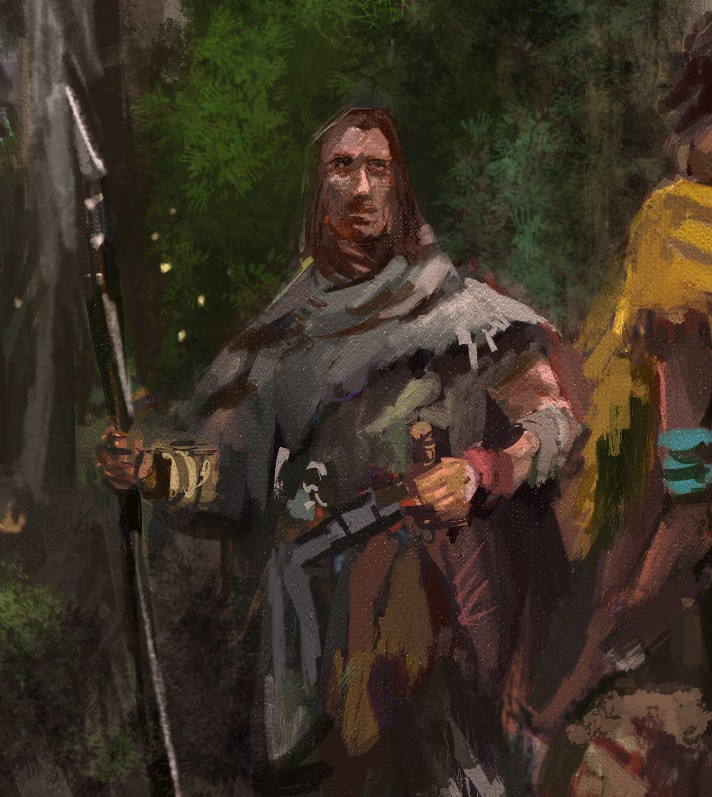
Forests are trending. And this is by no means contradictory to another, even larger trend of our time: digitalization. In this article, Mandus Craiss demonstrates that the forest is a network. Digitalization also occurs in a network-like manner; both phenomena are therefore characteristic of postmodernism.
In the first part of the article, the forest is characterized as a non-centralized and thus typically postmodern natural phenomenon. The second part defines "postmodernity" and discusses the extent to which this epochal concept is still, or once again, relevant – a discourse whose very early roots can be traced back to Nietzsche. Finally, the third part explains how the network aspect of postmodernity manifests itself and how the human-forest relationship has evolved recently.
This article is part of our special series this year "the forest as a livelihood".
“Facts” and a Damn Good Interpretation
Nietzsche as a Solo Piece in Halle
“Facts” and a Damn Good Interpretation
Nietzsche as a Solo Piece in Halle
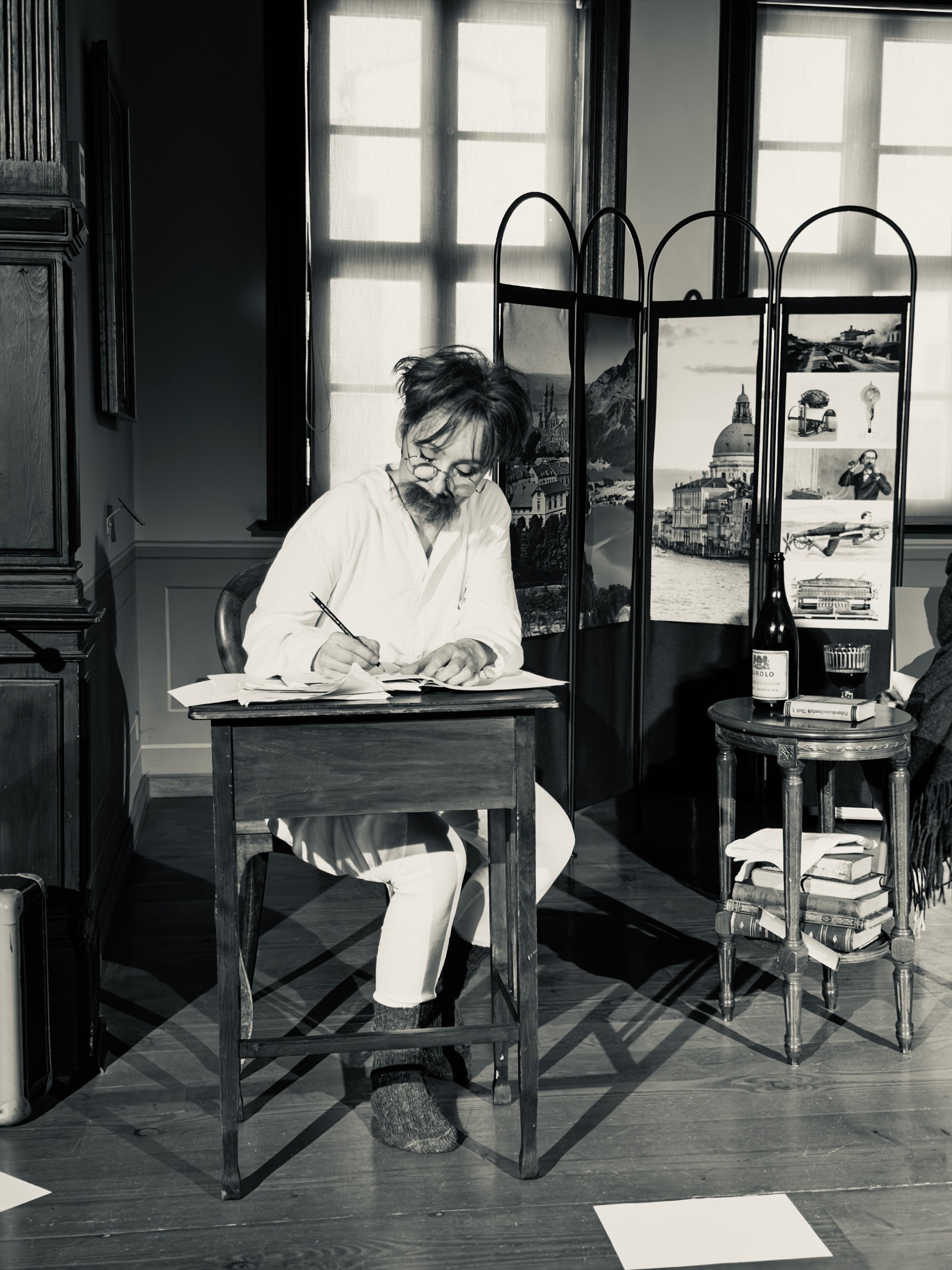
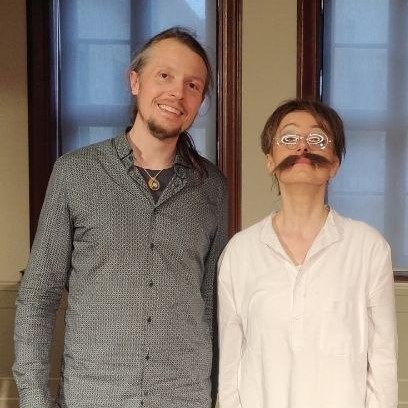
The actress Andrea Ummenberger is currently putting Nietzsche on stage in Halle with a solo play. In a captivating evening at the theatre, the audience can experience the thinker as he possibly was, at least in the interpretation of Austrian writer Alexander Widner, during his last years: not necessarily mentally abducted, but rather insane and in permanent conflict with his sister, his mother — and last but not least his home country. A self-proclaimed fool who rebels against the tight shackles of German small-mindedness and dreams of the South and liberated sensuality. Ummenberger shows us a Nietzsche who still has something to say to us today; not a brilliant idol, but rather a complex anti-hero who asks important questions.