#
Friedrich Schiller
On Life in Freedom
A Conversation with Jens Bonnemann about Sartre and Nietzsche
On Life in Freedom
A Conversation with Jens Bonnemann about Sartre and Nietzsche

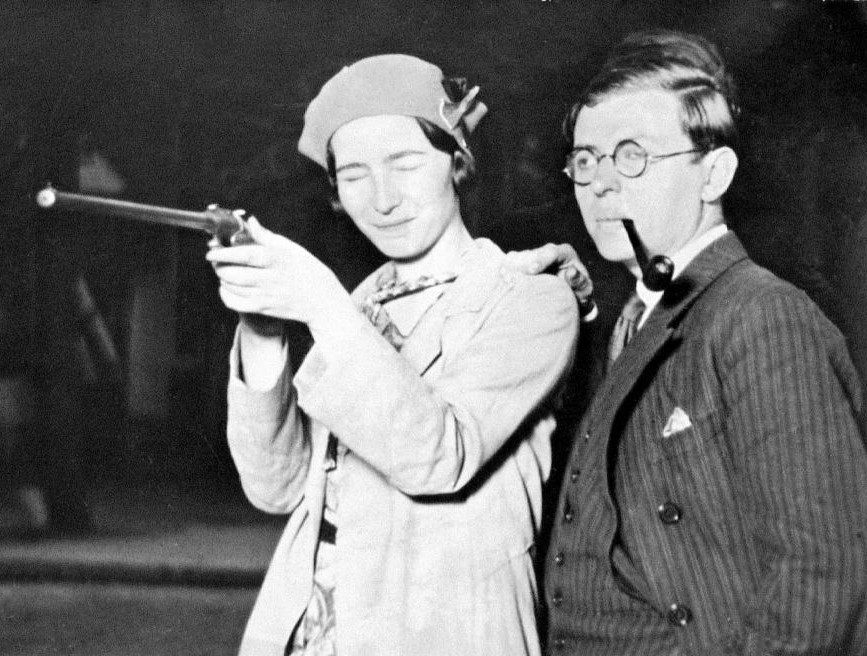
On April 15, 1980, one of the most important philosophers of the 20th century, Jean-Paul Sartre, died at the age of 74. Paul Stephan spoke with Jens Bonnemann, chairman of the German-speaking Sartre-Gesellschaft, about his basic ideas, his relationship with Nietzsche and his significance for our time. What does it mean to live in freedom after the “death of God”? What are the limits of individual freedom? What are the differences and similarities between Sartre and Nietzsche?
You can also view the unedited version of the conversation, in German, on YouTube and listen to it on Soundcloud.
“How Well Disposed Would You Have to Become to Yourself and to Life”
Prolegomena to Any Future Philosophy That Will Be Able to Present Itself as an Enlightenment — Part II
“How Well Disposed Would You Have to Become to Yourself and to Life”
Prolegomena to Any Future Philosophy That Will Be Able to Present Itself as an Enlightenment — Part II
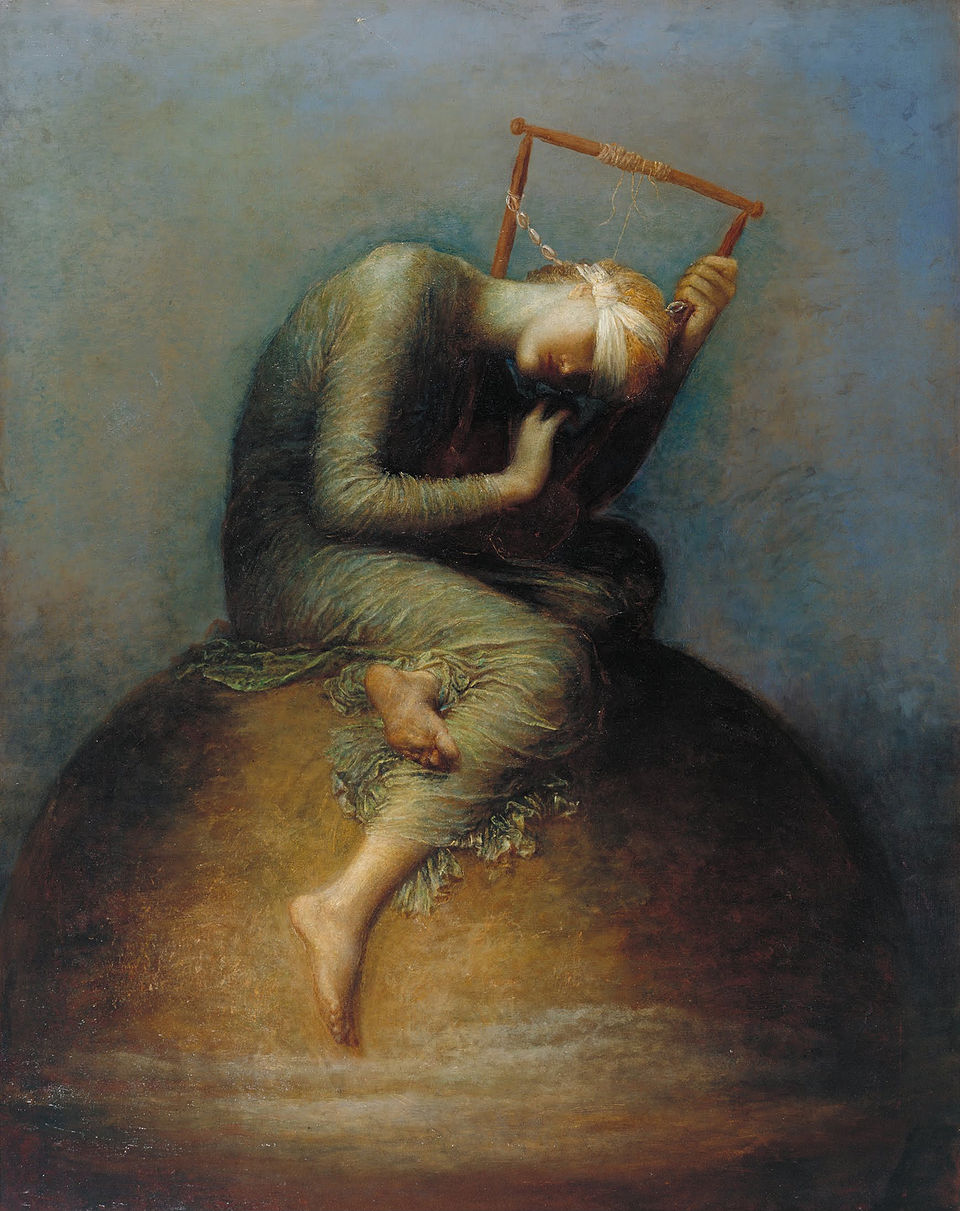
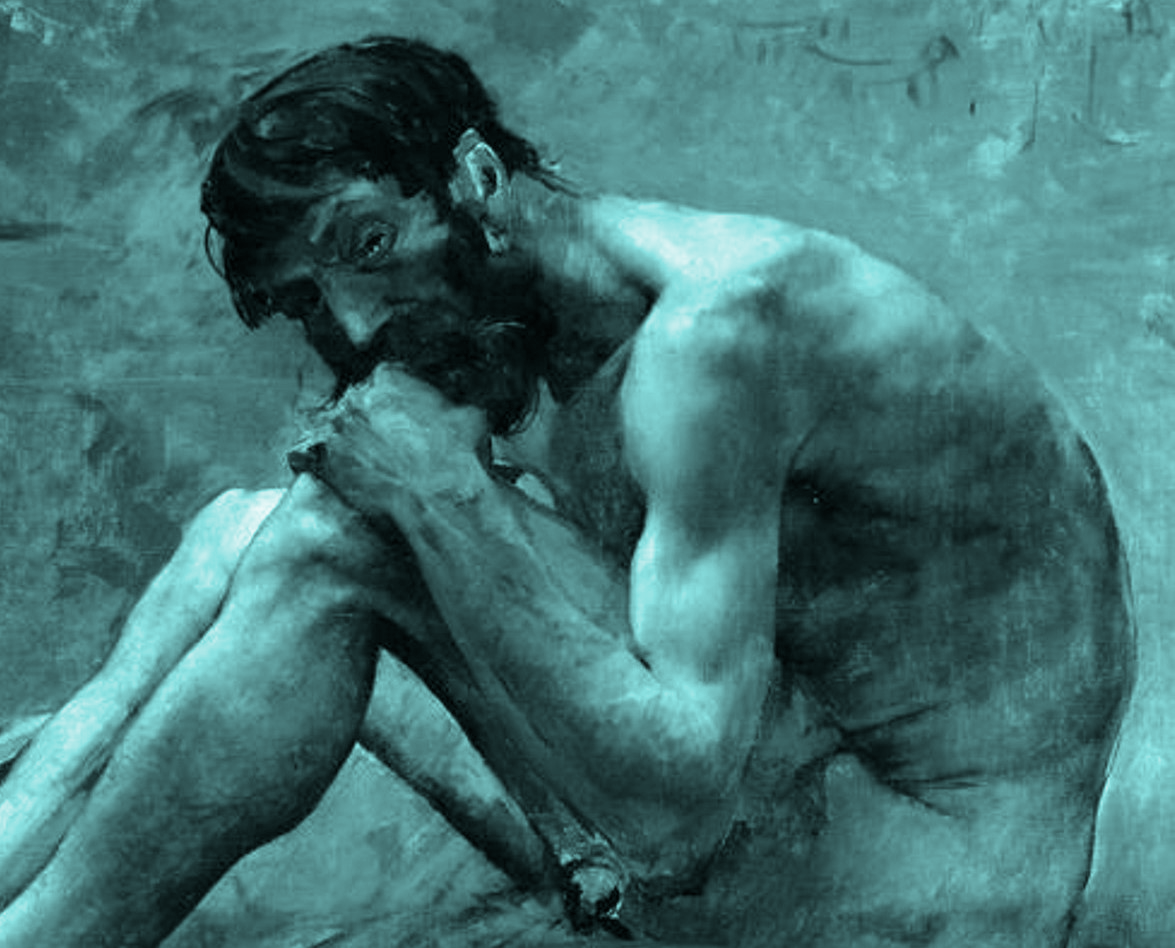
After our author, in the first part of this article, described the current political-cultural situation with reference to Fukuyama as an outgrowth of deep-seated boredom, which numbs itself in excesses of anger and indignation, he tries in the following second to suggest a possible turn for this zeitgeist, which could manifest itself in a new Enlightenment verve and a new positive self-image of the Enlightenment. Our author, with Nietzsche, opposes the “four despairs” that afflict the present tense, “four transfigurations” and “fields of research” resulting from them. An ironic view of the world and oneself should help to practice a transfigurative perspective on the world, which would be able to overcome the lethargy of postmodernism and revitalize the modernist project. The program of self-reliant future Enlightenment.
The Enlightenment’s Twilight
Nietzsche's Truth of Semblance II
The Enlightenment’s Twilight
Nietzsche's Truth of Semblance II


After Michael Meyer-Albert in the first part of his text Telling the sad story of the self-doubt of the Enlightenment, he now reports on Nietzsche's “cheerful science” as an alternative.
The Enlightenment’s Twilight
Nietzsche's Truth of Semblance I
The Enlightenment’s Twilight
Nietzsche's Truth of Semblance I

Nietzsche's best-known formulation, according to which God is dead, not only shows an anti-religious thrust. In particular, it points out that in modern times, constitutive self-evident elements no longer have traditional validity. As the cultural understanding of truth has faltered, not only has this or that truth become questionable, but the understanding of what truth actually is. This puts enlightenment under pressure to find the questions to which it should be the answer. It is this abyss of uncanny questionability from which Nietzsche's thinking attempts to show ways out that are viable. In the first part of his text Enlightenment Twilight Michael Meyer-Albert talks about the clarified doubts of the Enlightenment about itself.