#
kingfisher
Wille zum Wald
Nietzsche’s Discovery of Forest Bathing
Wille zum Wald
Nietzsche’s Discovery of Forest Bathing
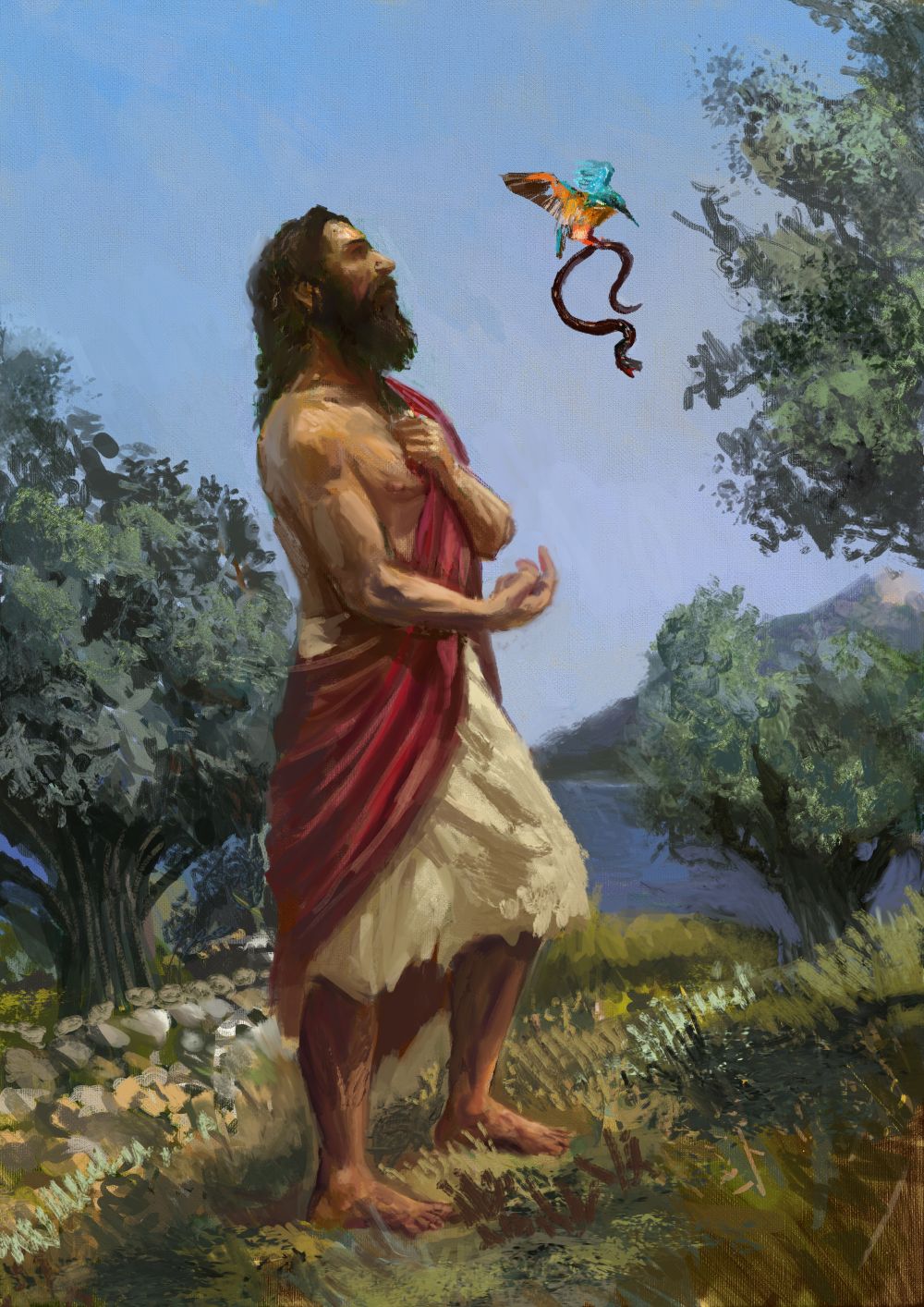
In the fourth part of our “The Forest as a Living Foundation” series, the distinguished American Nietzsche scholar Gary Shapiro investigates new angles on Nietzsche’s bonds to the woods: the philosopher’s personal enthusiasm for what is increasingly called “forest bathing,” the science behind how this practice benefits body, mind, and spirit, and the sheer pleasure of breathing fresh air, in woodland and wherever else we can find it. Shapiro’s essay showcases why this particular Lebensraum matters, not just for our individual well-being, but for the health of the entire planet.
On Dubious Paths ...
An Outline of Nietzsche's Concept of Wandering
On Dubious Paths ...
An Outline of Nietzsche's Concept of Wandering


Perhaps it is Nietzsche's main philosophical achievement that he described thinking as a process that happens in person. For him, reflection is a cooperative tension of body and mind. The mind is grounded in the nervous cosmopolitanism of the body. Nietzsche's conversion of Christianity: The flesh becomes word. This shows thinking in gestures. The following is intended to provide a sketch which indicates the main types of these reflexive gestures. This is intended to illustrate what it means when Nietzsche repeatedly describes himself as a wanderer. An intellectual tour that leads from standing and sitting as basic modes of traditional philosophy to walking, (out) wandering and halcyonic flying as Nietzsche's alternative modes of liberated thought and life.