#
1848
Nietzsche and Nationalism?
A Disputation between Michael Drescher and Paul Stephan
Nietzsche and Nationalism?
A Disputation between Michael Drescher and Paul Stephan

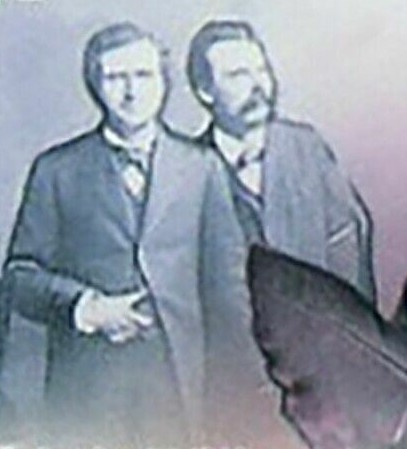
Throughout his life, Nietzsche was a great critic of nationalism. The burgeoning German national sentiment, in particular, was anathema to him, and he wrote scathing remarks about his home country, such as "definition of the Germanic: obedience and long legs..."1. At the same time, nationalists and patriots of all stripes count among his fans. How can one be a Nietzschean and a (German) nationalist? What exactly is "nationalism," and is it possible to give this term a positive meaning?
Paul Stephan discussed these delicate topics, which are gaining increasing relevance given the successes of nationalist parties worldwide, in written form with YouTuber, Nietzsche expert, and nationalism researcher Michael Drescher, also known as PhrasenDrescher.
Additionally, they continued this dialogue verbally on YouTube – feel free to check out the result here (or as an audio-only version on SoundCloud).
Dionysus Without Eros
Was Nietzsche an Incel?
Dionysus Without Eros
Was Nietzsche an Incel?
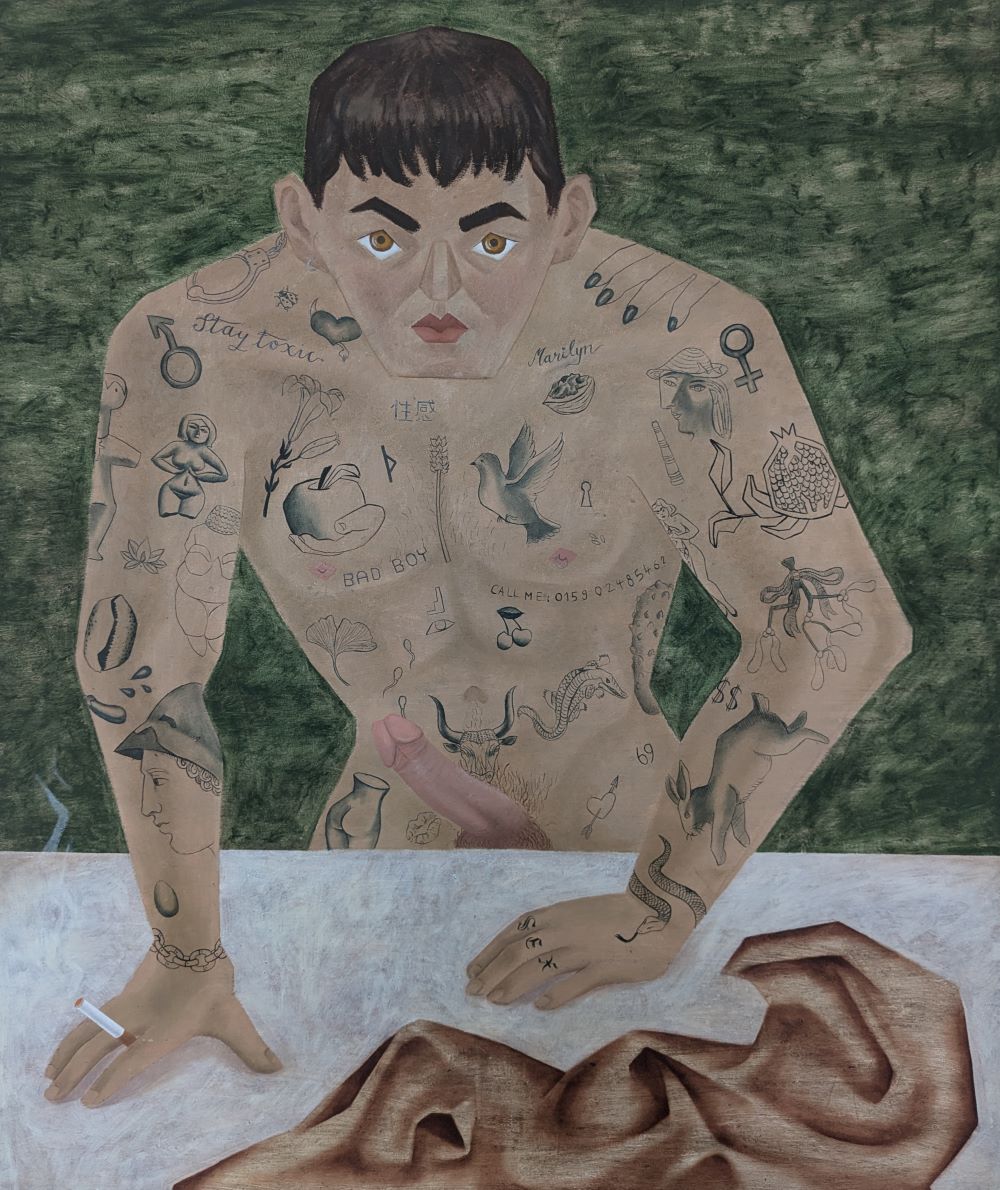

It is well known that Nietzsche had a hard time with women. His sexual orientation and activity are still riddled with mystery and speculation today. Time and again, this question inspired artists of both genders to create provocatively mocking representations. Can he possibly be described as an “incel”? As an involuntary bachelor, in the spirit of today's debate about the misogynistic “incel movement”? Christian Saehrendt explores this question and tries to shed light on Nietzsche's complicated relationship with the “second sex.”