#
AfD
“Facts” and a Damn Good Interpretation
Nietzsche as a Solo Piece in Halle
“Facts” and a Damn Good Interpretation
Nietzsche as a Solo Piece in Halle

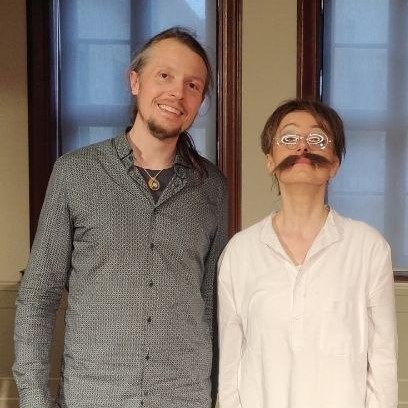
The actress Andrea Ummenberger is currently putting Nietzsche on stage in Halle with a solo play. In a captivating evening at the theatre, the audience can experience the thinker as he possibly was, at least in the interpretation of Austrian writer Alexander Widner, during his last years: not necessarily mentally abducted, but rather insane and in permanent conflict with his sister, his mother — and last but not least his home country. A self-proclaimed fool who rebels against the tight shackles of German small-mindedness and dreams of the South and liberated sensuality. Ummenberger shows us a Nietzsche who still has something to say to us today; not a brilliant idol, but rather a complex anti-hero who asks important questions.
Nietzsche as a Populist?
Attempt at an Anachronistic Determination of Proportions
Nietzsche as a Populist?
Attempt at an Anachronistic Determination of Proportions
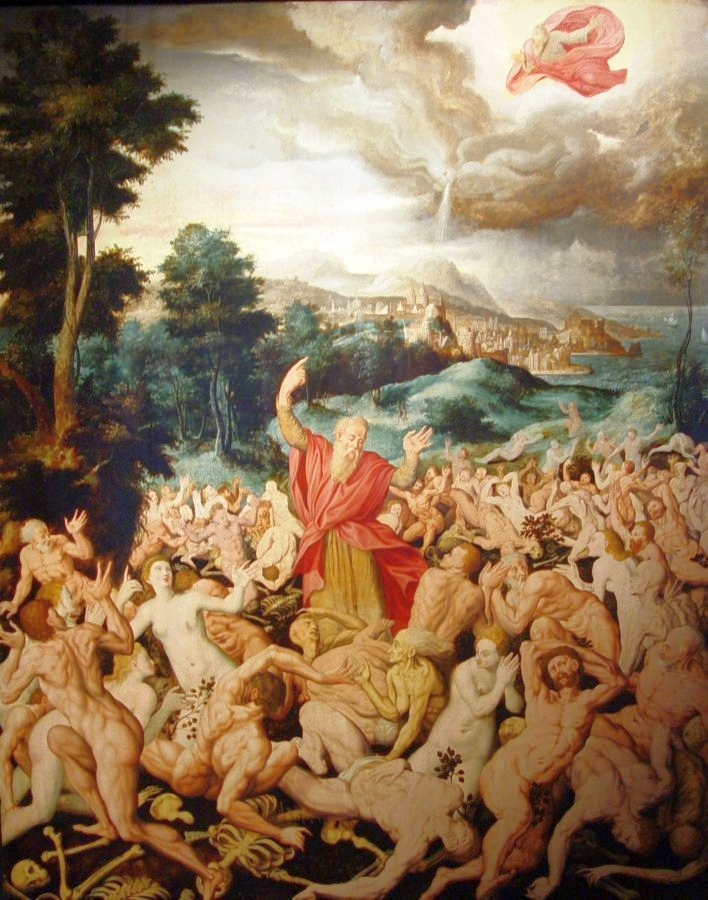
What would Nietzsche have said about the rampant populism of our time? Does his elitist attitude, his “aristocratic radicalism,” not make him an anti-populist par excellence? Or did he not himself dream of populist leaders inspiring the masses and the mass success of his books? — But what is “populism” anyway and what is the score of Nietzsche's stance on populist movements in his own time?
These are not entirely unimportant questions for our blog, which Jenny Kellner addresses in detail in the following article.
Nietzsche and Intellectual Right
A Dialogue with Robert Hugo Ziegler
Nietzsche and the Intellectual Right
A Dialogue with Robert Hugo Ziegler


Nietzsche was repeatedly elevated to a figurehead by right-wing theorists and politicians. From Mussolini and Hitler to the AfD — Nietzsche is repeatedly seized when it comes to confronting modern society with a radical reactionary alternative. Nietzsche was particularly fascinating to intellectual right-wingers, such as authors like Ernst Jünger, Carl Schmitt and Martin Heidegger, who formed a cultural prelude to the advent of National Socialism in the 1920s, even though they later partially distanced themselves from it. People also often talk about the “Conservative Revolution”1.
What do these authors draw from Nietzsche and to what extent do they read him one-sidedly and overlook other potentials in his work? Our author Paul Stephan spoke about this with philosopher Robert Hugo Ziegler.
A Day in the Life of Nietzsche's Future
Report on the Conference Nietzsche's Futures in Weimar
A Day in the Life of Nietzsche's Future
Report on the Conference Nietzsche's Futures in Weimar


From October 7 to 11, 2024, the event organized by the Klassik Stiftung Weimar took place in Weimar Nietzsche's futures. Global Conference on the Futures of Nietzsche instead of. Our regular author Paul Stephan was on site on the first day and gives an insight into the current state of academic discussions about Nietzsche. His question: What is the future of Nietzsche academic research when viewed from the perspective of Nietzsche's own radical understanding of the future?