#
sculpting
“Revolt, Slaves, Revolt!”
Hiking with Nietzsche Through Evangelical Christian London: Part I
“Revolt, Slaves, Revolt!”
Hiking with Nietzsche Through Evangelical Christian London: Part I

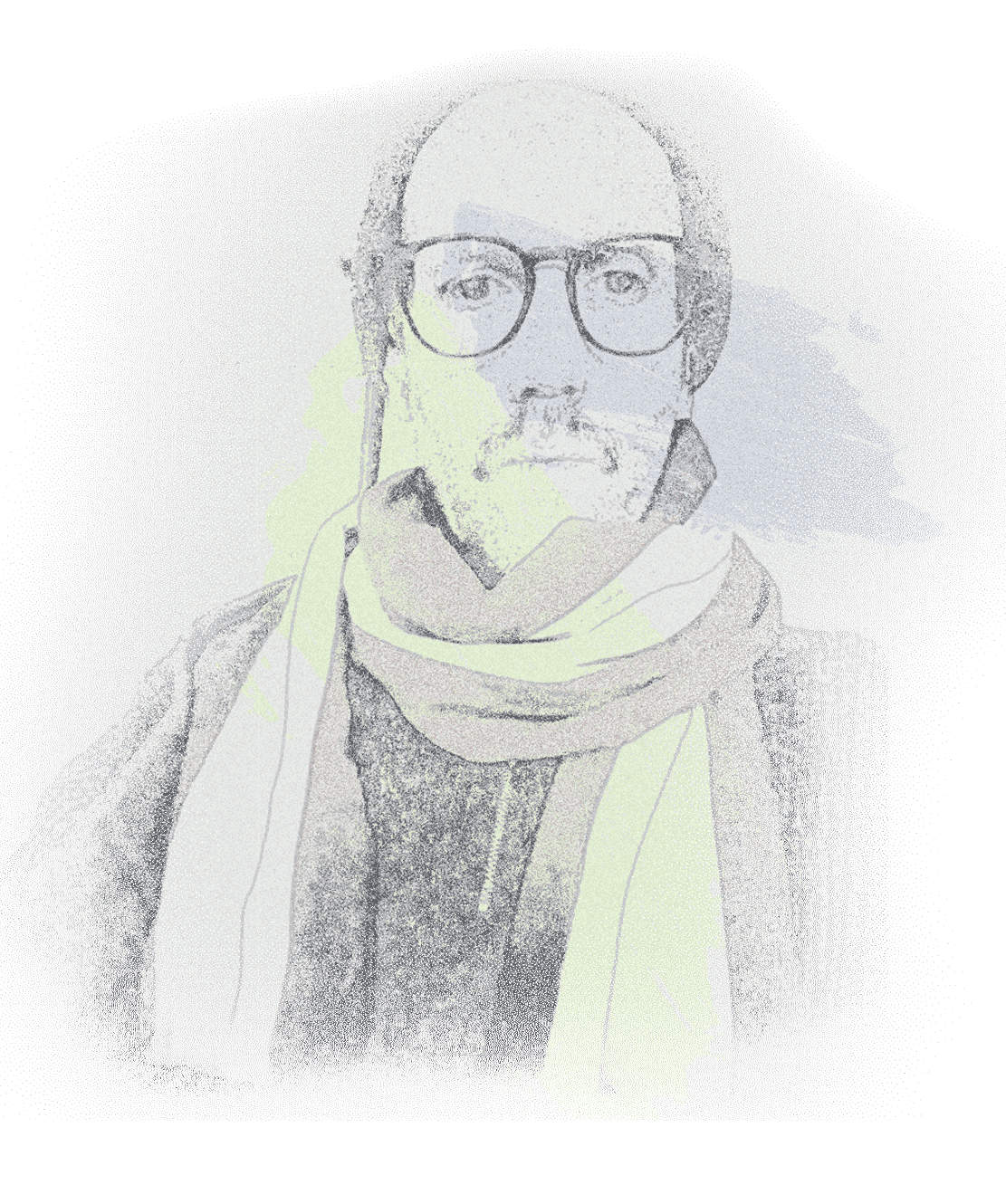
From the hedge-fund billions that bankroll Nigel Farage, and tie that funding to evangelical expansionism, to Nietzsche’s fulminating assault on Christianity as a “slave revolt”: this essay tracks the troubling way religion has reappeared at the heart of British public life. Arriving in London with walking boots, a rucksack, and a philosopher’s skepticism, the author follows the money, theology, and street culture surrounding charismatic Christianity and its seemingly unappeasable growth. At the centre stands Sir Paul Marshall: billionaire financier, Christian media mogul, and embodiment of a faith that feels entitled to reach for elite power.
But this is more than merely an unveiling of the knot that binds together wealth and religion. It is also a confrontation with Nietzsche’s deepest historical claim: that Christianity triumphed because the so-called weak learned to moralize against the strong. Wandering through churches, cafés, and city streets, the essay asks whether contemporary evangelical London represents a new form of that revolt—or its complete inversion.
Part I explores the rise of influential evangelical networks in modern Britain and their uneasy alliance with finance capitalism. Part II, which will appear shortly, returns to the first Christians themselves.
This article is a follow-up to Henry Holland’s account of hiking through Glasgow’s Muslim Southside (part I, part II).
Abyss and Enablement?
The Suspense of Contingency
Johannes Hansmann Discusses Odo Marquard and Richard Rorty
Abyss and Enablement? The Suspense of Contingency
Johannes Hansmann Discusses Odo Marquard and Richard Rorty


The young philosopher Johannes Hansmann has published his monograph Ironie des Schicksals im Einzelnen. Philosophie der Kontingenz bei Marquard und Rorty ("Irony and Fate in Detail. The Philosophy of Contingency in Marquard and Rorty") last year at Karl Alber. It is a remarkable study on two of the most important representatives of existential philosophy in the 20th century, the German Odo Marquard (1928-2015) and the American Richard Rorty (1931-2007). Although Nietzsche only plays a minor role, he deals with highly Nietzschean topics there, dedicates himself to the question of a felicitous — and for him that means in particular: authentic — life in a world after the “death of God,” to which Marquard and Rorty gave very different answers. Natalie Schulte and Paul Stephan present the book to you. A joint summary of the book's most important ideas is followed by an individual statement from each of our authors.
The Artist as Egomaniac
A Reckoning?
The Artist as Egomaniac
A Reckoning?


Artists often do not come off well in Nietzsche’s work. They represent the prototype of the dependent, truth-hostile and reality-denying person who is at the mercy of his own moods without self-control. A childish, dramatizing, hot-tempered and generally ridiculous creature, an egomaniac whose actions and demeanor are aimed solely at courting the applause of others. Or is Nietzsche not taking his word for it here? Should this really be his final verdict about the creative spirit?
He develops much of what Nietzsche describes about the artist on the figure Richard Wagner, with whom he has a brief, intensive, but ultimately disappointing acquaintance. The artist and the thinker could have been the ideal friendship for Nietzsche for a while. But after breaking with Wagner, Nietzsche has a lot of derogatory things to say about the artist as a type. How different — for comparison — is the friendship between artist and thinker in Narcissus and Goldmund by Hermann Hesse, who deals extensively with Nietzsche.
The Enduringly Contested Friedrich Nietzsche
Report on the Annual Meeting of the Nietzsche Society 2023
The Enduringly Contested Friedrich Nietzsche
Report on the Annual Meeting of the Nietzsche Society 2023


From October 12 to 15, the annual meeting of the Friedrich-Nietzsche Society took place in Naumburg. Numerous experts from all over the world came together to explore the various causes of Nietzsche's impact in the first decades following his mental collapse. The spiritual struggles over Nietzsche repeatedly referred to the real struggles of the past — and those of our present.