#
blond beast
The Blond Beast and the “Hammertyp”
How Dieter Bohlen Finally Discovered a Titan of Equal Rank
The Blond Beast and the “Hammertyp”
How Dieter Bohlen Finally Discovered a Titan of Equal Rank


At first glance, Dieter Bohlen and Friedrich Nietzsche have as little connection as Marie Antoinette with Rosa Luxemburg or Napoleon with Angela Merkel — but a second reveals greater affinities than one might suspect. In any case, this unlike synopsis enables a new perspective — on Bohlen and on Nietzsche in equal measure. “Pairing the strangest and separating the next”1, in the following text, our regular author Christian Saehrendt undertakes a truly Nietzschean search for clues on the tracks of the “titan” of German pop, which to this day polarizes like only a few celebrities in the German-speaking world — this, too, a line of connection between philosopher and musician.
Mythomaniacs in Lean Years
About Klaus Kinski and Werner Herzog
Mythomaniacs in Lean Years
Über Klaus Kinski und Werner Herzog
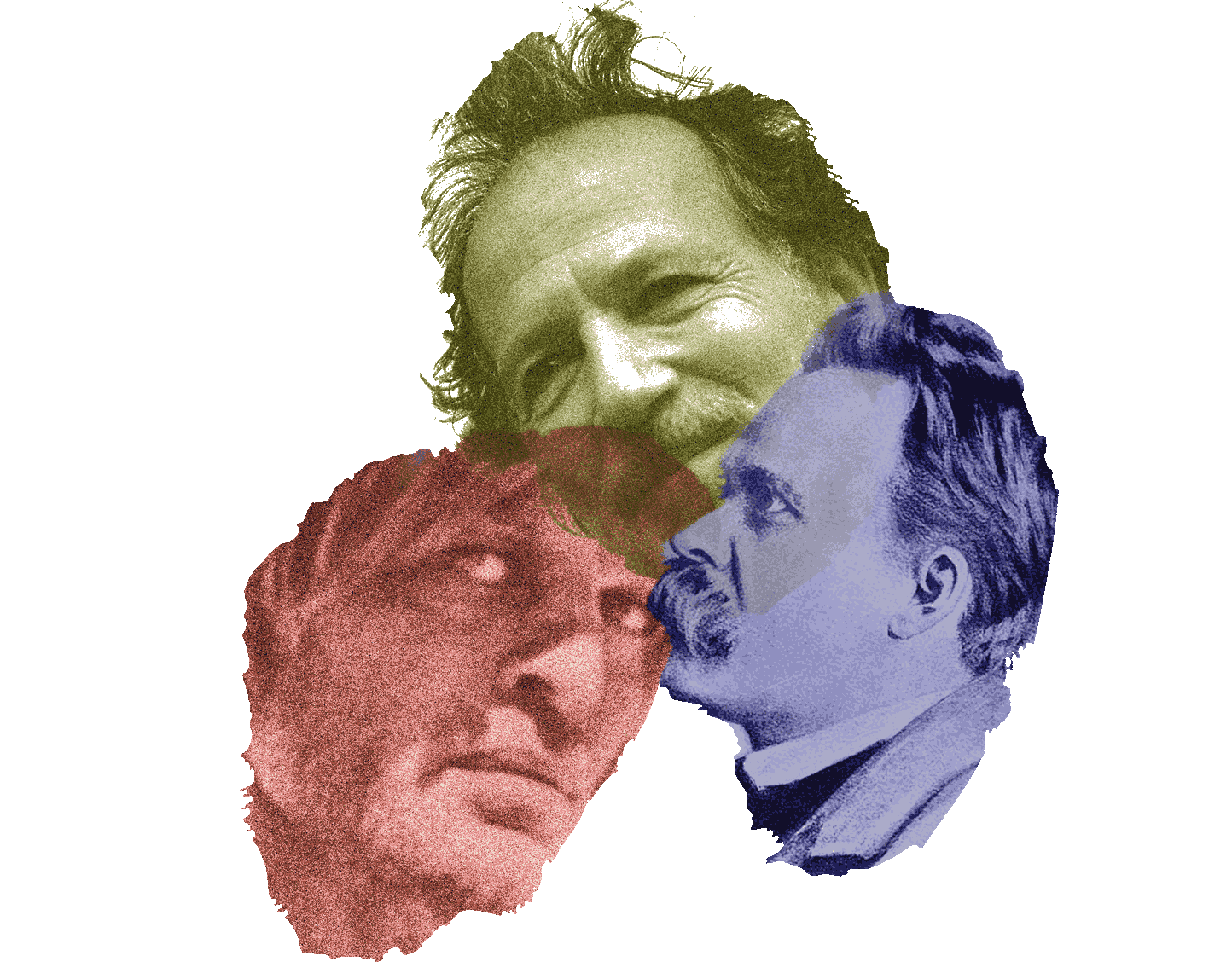
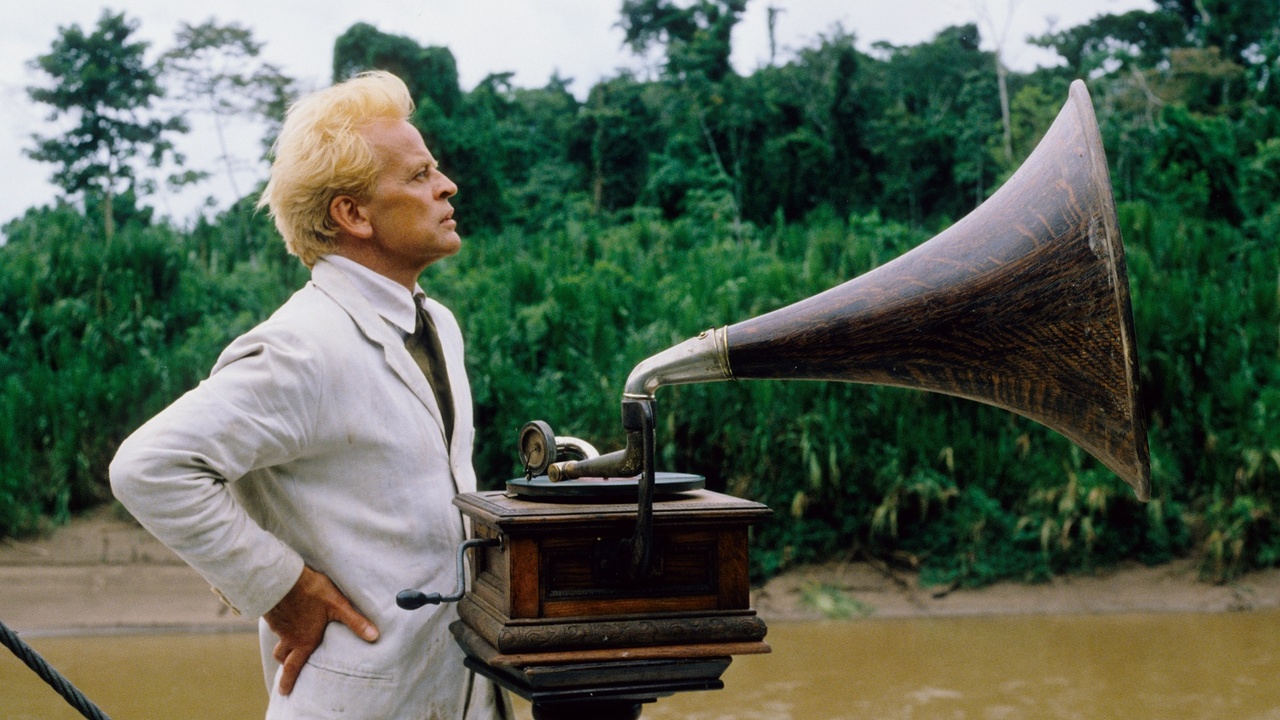
Werner Herzog (born 1942), described as a “mythomaniac” by Linus Wörffel, and Klaus Kinski (1926—1991) are among the leading figures of post-war German cinema. In the 70s and 80s, the filmmaker and the actor shot five feature films that are among the classics of the medium's history. They are hymns to tragic heroism, in which the spirit of Nietzsche can easily be recognized. From “Build Your Cities on Vesuvius! “will “Build opera houses in the rainforest! ”.
1, 2, 3…
About the New Permanent Exhibition in the Nietzsche House in Naumburg
1, 2, 3…
About the New Permanent Exhibition in the Nietzsche House in Naumburg


Since 1994, the house in Naumburg where Nietzsche lived with his mother for several years after his mental collapse in 1889 has had a museum dedicated to life and work. On the occasion of the thirtieth anniversary of its existence, the permanent exhibition of the Nietzsche House was completely redesigned, curated by Berlin philosopher Daniel Tyradellis. Our regular author Lukas Meisner was there and took a look at them.