#
Jacob & Wilhelm Grimm
The Postmodern Forest
How the Forest Subverts Modernity's Totalizing Claim
The Postmodern Forest
How the Forest Subverts Modernity's Totalizing Claim

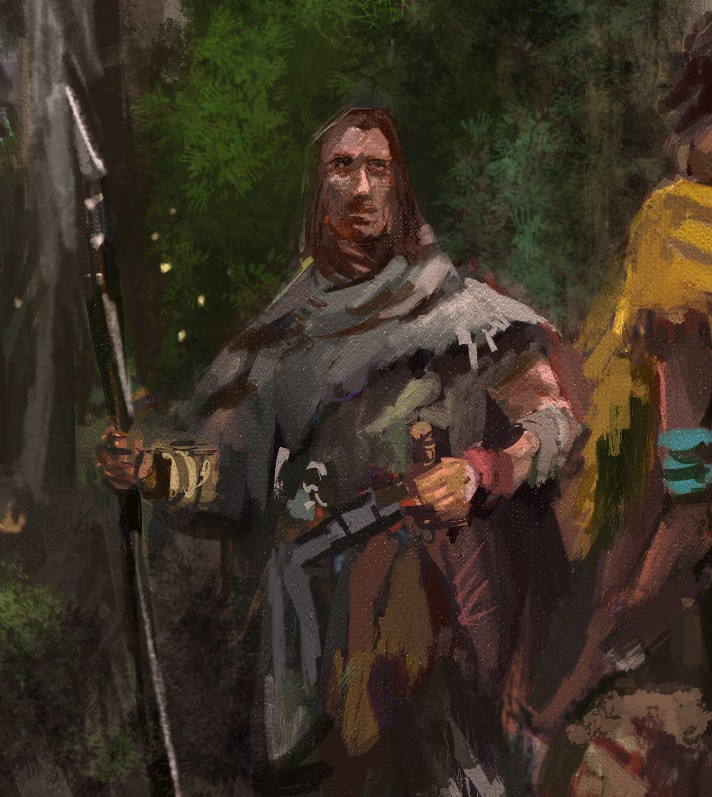
Forests are trending. And this is by no means contradictory to another, even larger trend of our time: digitalization. In this article, Mandus Craiss demonstrates that the forest is a network. Digitalization also occurs in a network-like manner; both phenomena are therefore characteristic of postmodernism.
In the first part of the article, the forest is characterized as a non-centralized and thus typically postmodern natural phenomenon. The second part defines "postmodernity" and discusses the extent to which this epochal concept is still, or once again, relevant – a discourse whose very early roots can be traced back to Nietzsche. Finally, the third part explains how the network aspect of postmodernity manifests itself and how the human-forest relationship has evolved recently.
This article is part of our special series this year "the forest as a livelihood".
“A Question of Context”
Thoughts and Memories of Alexander Kluge
“A Question of Context”
Thoughts and Memories of Alexander Kluge
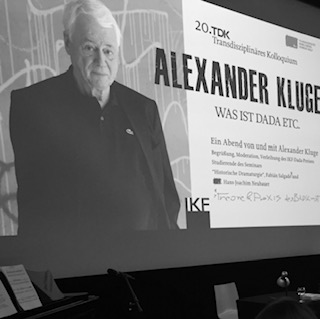
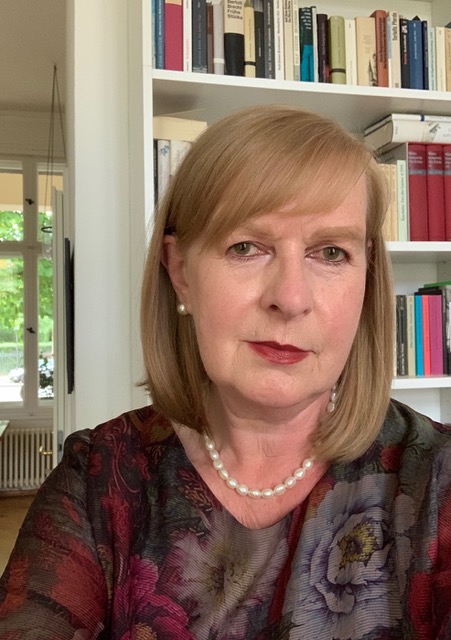
The filmmaker, writer, lawyer, and philosopher Alexander Kluge, born in 1932, died on March 25. Kluge, who became known to a large audience not least through his films and his artistic television interviews, was repeatedly inspired by Nietzsche. In his diverse work, he not only dedicated himself decisively to him, but also followed a profoundly Nietzschean, perspectivist approach throughout his life. That should be reason enough to dedicate an obituary to him on our blog, which art historian and curator Barbara Straka thankfully wrote for us.
Inside the Magic Forest
Nietzsche and the Sorcerous Power of Trees
Inside the Magic Forest
Nietzsche and the Sorcerous Power of Trees


In cultural perception, the forest is much more than a mere supplier of raw materials or a local recreation area, but, especially in German culture, a magical place of encounter with the supernatural. In the second part of our series ”the forest as a livelihood“ Christian Saehrendt explores this romantic fascination for the forest and to what extent it is also reflected in Nietzsche's works. Because Nietzsche was not only a passionate forest walker, he also writes again and again about this gateway to the “otherworld” and, last but not least, places his Zarathustra in sylvan sceneries.