#
grey
“How Well Disposed Would You Have to Become to Yourself and to Life”
Prolegomena to Any Future Philosophy That Will Be Able to Present Itself as an Enlightenment — Part II
“How Well Disposed Would You Have to Become to Yourself and to Life”
Prolegomena to Any Future Philosophy That Will Be Able to Present Itself as an Enlightenment — Part II
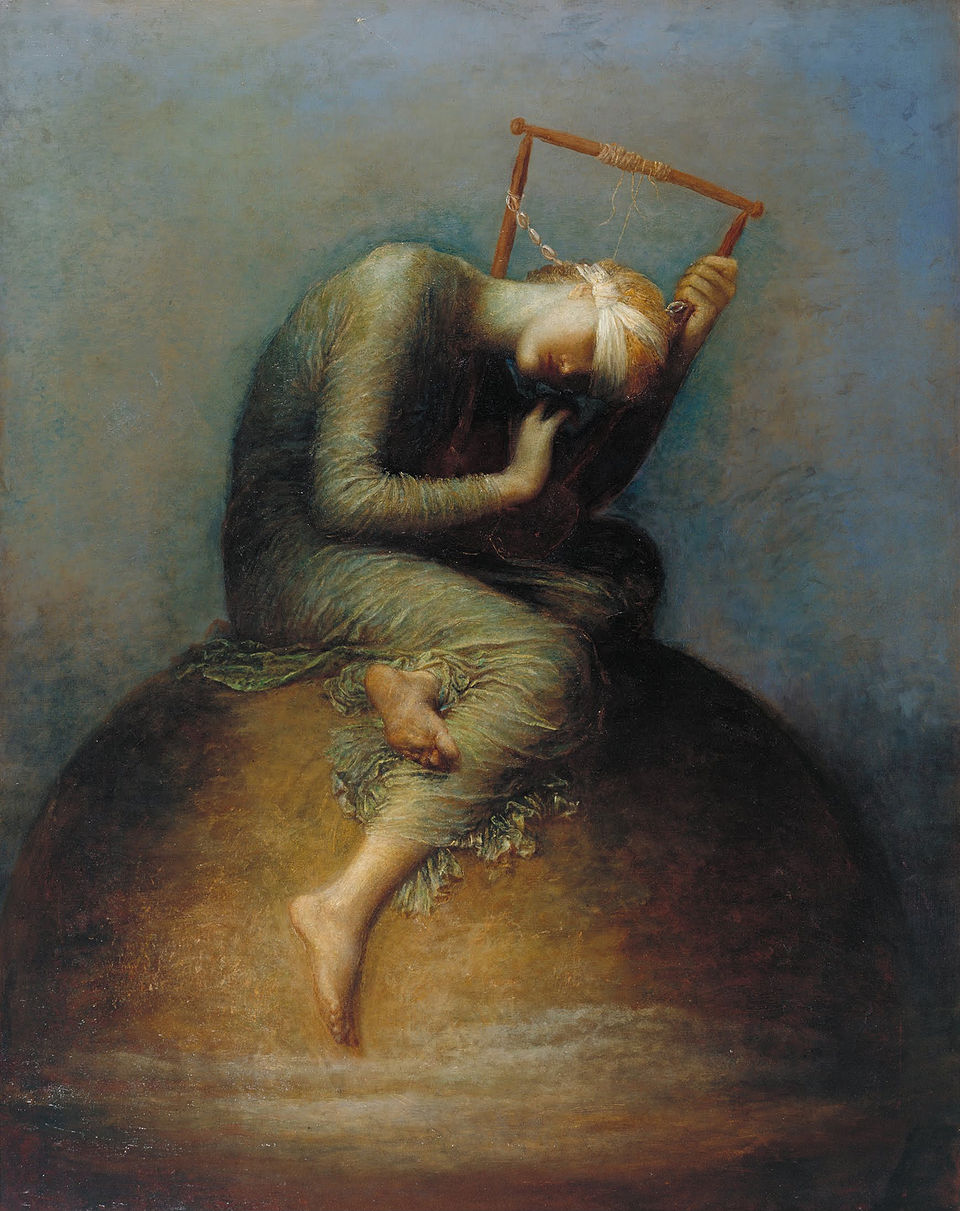
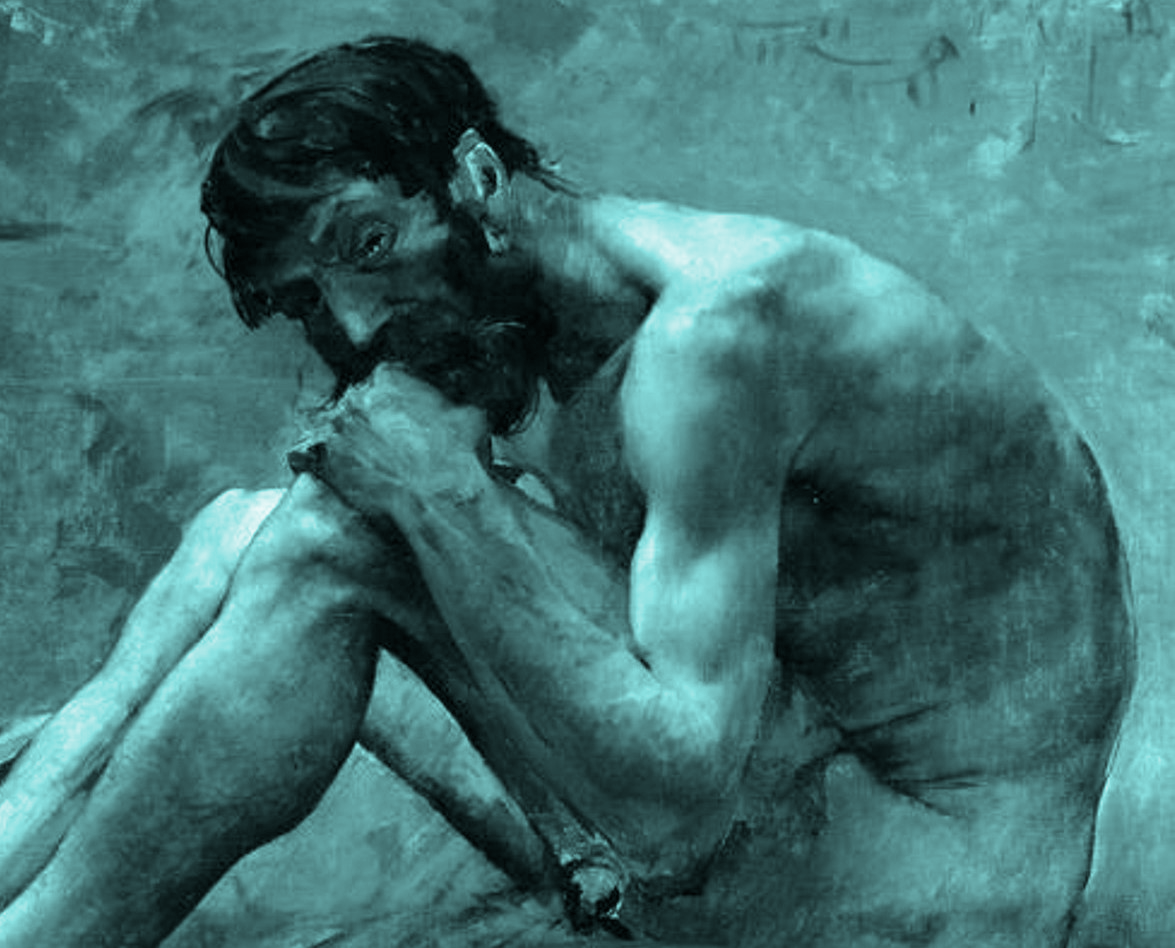
After our author, in the first part of this article, described the current political-cultural situation with reference to Fukuyama as an outgrowth of deep-seated boredom, which numbs itself in excesses of anger and indignation, he tries in the following second to suggest a possible turn for this zeitgeist, which could manifest itself in a new Enlightenment verve and a new positive self-image of the Enlightenment. Our author, with Nietzsche, opposes the “four despairs” that afflict the present tense, “four transfigurations” and “fields of research” resulting from them. An ironic view of the world and oneself should help to practice a transfigurative perspective on the world, which would be able to overcome the lethargy of postmodernism and revitalize the modernist project. The program of self-reliant future Enlightenment.
A Philosophical Serenade About Grayness
A Summer Evening with Sloterdijk at Gütchenpark in Halle
A Philosophical Serenade About Grayness
A Summer Evening with Sloterdijk at Gütchenpark in Halle


One of the most important philosophers of our time, Peter Sloterdijk (born 1947), visited Halle at the beginning of July. The thinker, who was heavily influenced by Nietzsche, shared his thoughts about “gray” there and impressively showed the heights to which philosophy can rise.