#
Francis Fukuyama
Nietzsche and Nationalism?
A Disputation between Michael Drescher and Paul Stephan
Nietzsche and Nationalism?
A Disputation between Michael Drescher and Paul Stephan

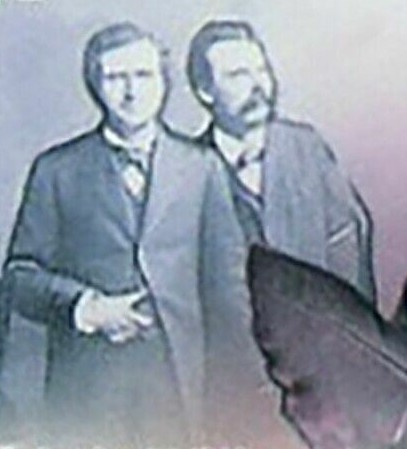
Throughout his life, Nietzsche was a great critic of nationalism. The burgeoning German national sentiment, in particular, was anathema to him, and he wrote scathing remarks about his home country, such as "definition of the Germanic: obedience and long legs..."1. At the same time, nationalists and patriots of all stripes count among his fans. How can one be a Nietzschean and a (German) nationalist? What exactly is "nationalism," and is it possible to give this term a positive meaning?
Paul Stephan discussed these delicate topics, which are gaining increasing relevance given the successes of nationalist parties worldwide, in written form with YouTuber, Nietzsche expert, and nationalism researcher Michael Drescher, also known as PhrasenDrescher.
Additionally, they continued this dialogue verbally on YouTube – feel free to check out the result here (or as an audio-only version on SoundCloud).
“How Well Disposed Would You Have to Become to Yourself and to Life”
Prolegomena to Any Future Philosophy That Will Be Able to Present Itself as an Enlightenment — Part II
“How Well Disposed Would You Have to Become to Yourself and to Life”
Prolegomena to Any Future Philosophy That Will Be Able to Present Itself as an Enlightenment — Part II
After our author, in the first part of this article, described the current political-cultural situation with reference to Fukuyama as an outgrowth of deep-seated boredom, which numbs itself in excesses of anger and indignation, he tries in the following second to suggest a possible turn for this zeitgeist, which could manifest itself in a new Enlightenment verve and a new positive self-image of the Enlightenment. Our author, with Nietzsche, opposes the “four despairs” that afflict the present tense, “four transfigurations” and “fields of research” resulting from them. An ironic view of the world and oneself should help to practice a transfigurative perspective on the world, which would be able to overcome the lethargy of postmodernism and revitalize the modernist project. The program of self-reliant future Enlightenment.
“How Well Disposed Would You Have to Become to Yourself and to Life”
Prolegomena to Any Future Philosophy That Will Be Able to Present Itself as an Enlightenment — Part I
"How Well Disposed Would You Have to Become to Yourself and to Life"
Prolegomena to any future philosophy that may arise as an Enlightenment — Part I
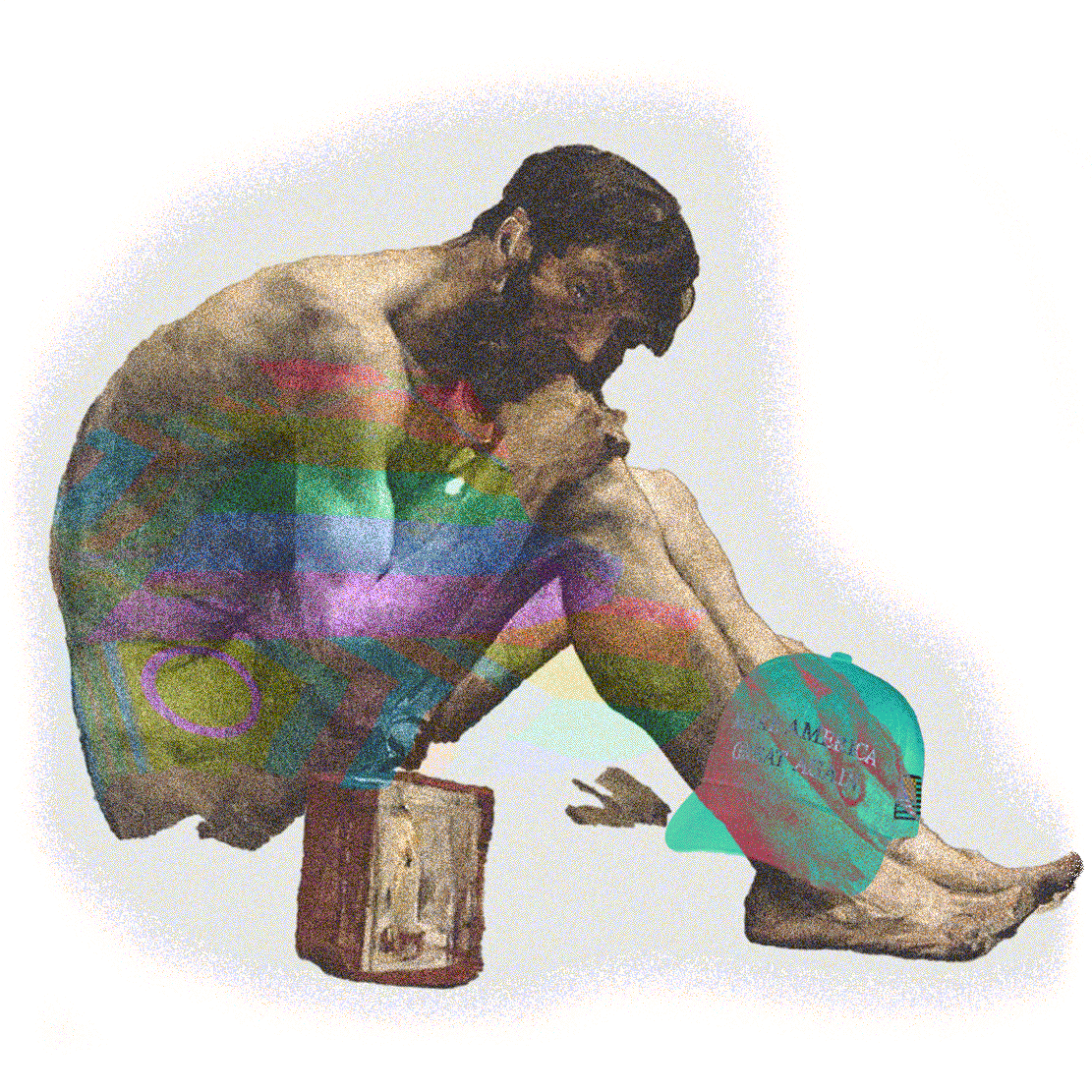
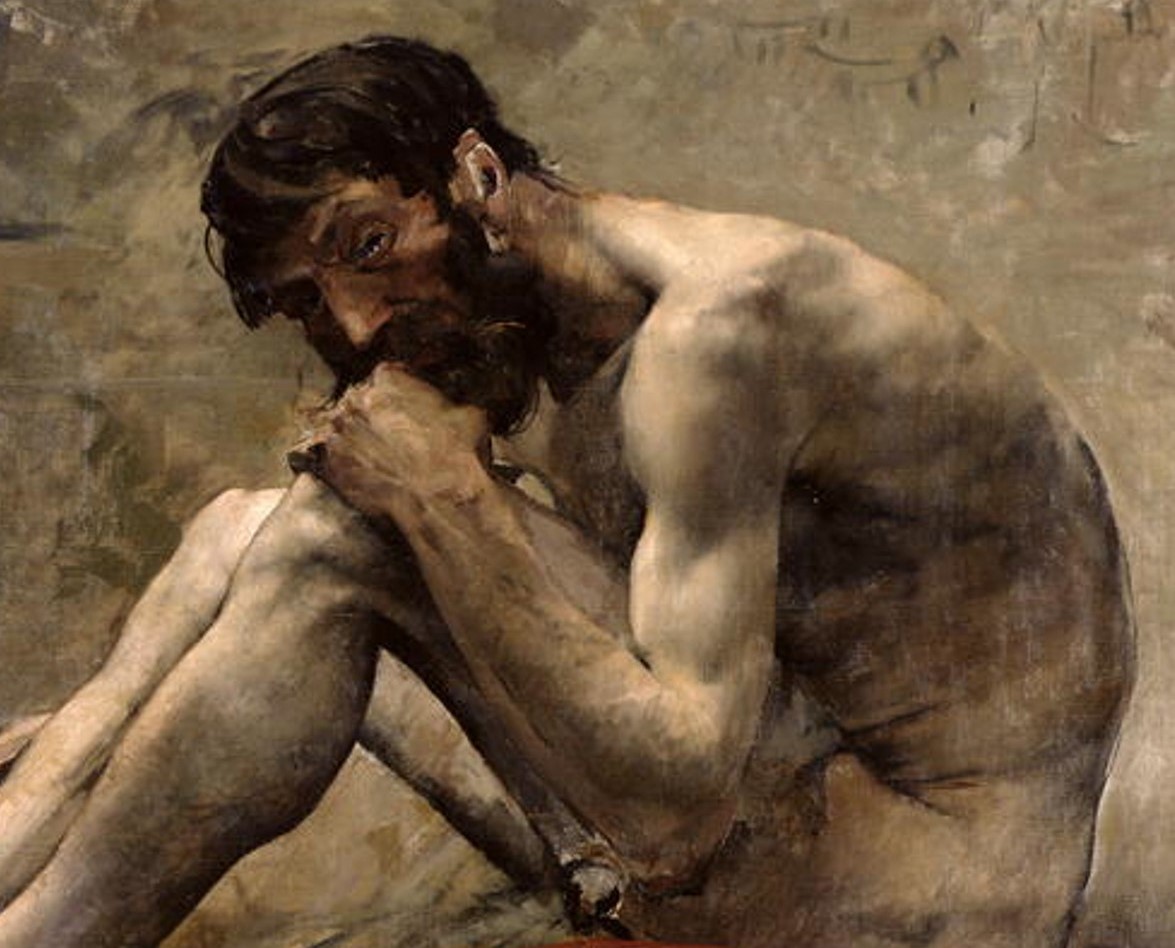
The following text explores the hypothesis that every philosophy of the zeitgeist finds its onset at something that bothers it: in the beginning, there was disgruntlement. This something is interpreted here as an illiberally disgruntled enlightenment, which is embodied in the current “polarization.” With Francis Fukuyama's help, this trail is explored and the drama of the recognition of modern Enlightenment is described.
The philosopher Fukuyama, born in Chicago in 1952, is primarily known for his essay The End of History? from 19891. There, he held that the “end of history” assumed by Hegel had finally arrived with the looming collapse of the Soviet Union. He saw the triumphant liberal Western democracies as the final stage of the process of historical progress. In 1992, Fukuyama published his main work based on this essay: The End of History and the Last Man, in which he combines Hegel's thesis with Nietzsche's diagnosis of the “last man.” Our author is also referring to this book. It caused controversial debates worldwide and continues to provoke today. — Do we really live after the “end of history”? Our author agrees with Fukuyama: While with the form of liberal democracy a final embodiment of the course of history has been achieved, history has been continuing as a conflict within this embodiment. World history has become history of liberalism.
Why Are Many People No Longer Committed to Democracy!
Individualism as a Political and Social Threat in Tocqueville and Nietzsche — but also as an Opportunity
Why Are Many People No Longer Committed to Democracy!
Individualism as a Political and Social Threat in Tocqueville and Nietzsche — but also as an Opportunity

Individualism, even egoism, is frowned upon in all political, religious and social camps. They are attributed to liberalism and capitalism. Such people are not committed to others, are not involved politically or for the environment. They also do not respect a common understanding of the world and therefore behave irresponsibly. The Nietzschean is not impressed by such verdicts. She dances — not only!
A Philosophical Serenade About Grayness
A Summer Evening with Sloterdijk at Gütchenpark in Halle
A Philosophical Serenade About Grayness
A Summer Evening with Sloterdijk at Gütchenpark in Halle


One of the most important philosophers of our time, Peter Sloterdijk (born 1947), visited Halle at the beginning of July. The thinker, who was heavily influenced by Nietzsche, shared his thoughts about “gray” there and impressively showed the heights to which philosophy can rise.
Deciding to Serve Life
An Essay on the Meaning of Nietzsche's Philosophy
Deciding to Serve Life
An Essay on the Meaning of Nietzsche's Philosophy

Nietzsche is generally regarded as a literary philosopher whose aphoristic nihilisms not only conjure up the death of God, but who also reinforced the dark sides of German history as a posthumous master thinker. In contrast, the following text would like to be part of the series What does Nietzsche mean to me? invite you to learn to read Nietzsche anew as the discoverer of the all-too-unknown philosophical continent of Mediterranean existentialism.