#
Artykuł w języku polskim
Female Barbarians — When Women Become a Threat
Female Barbarians — When Women Become a Threat
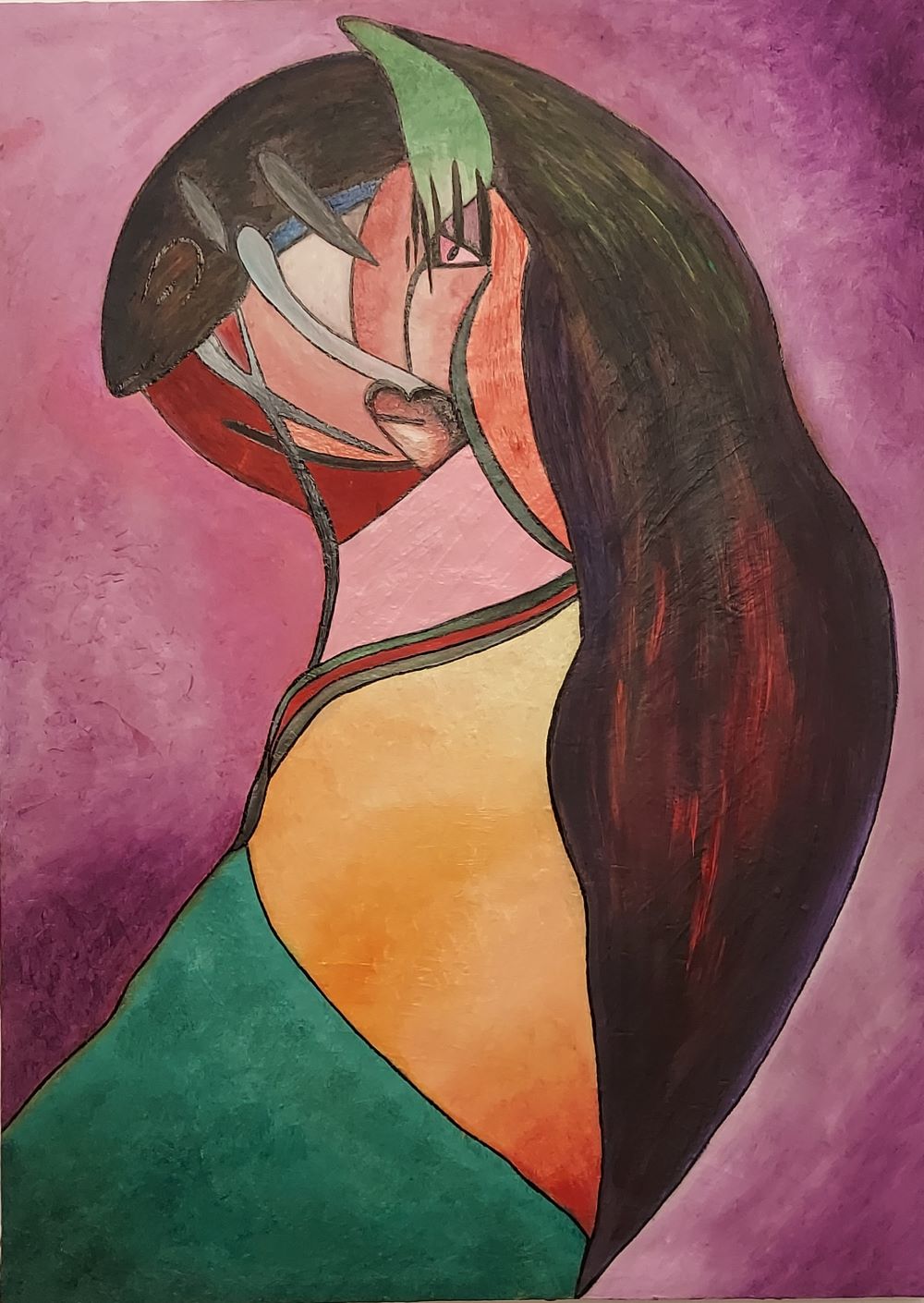

In today's world, which wants to call itself modern and equal, old patterns continue to have an effect — rivalry instead of solidarity, adaptation instead of departure. The essay provocatively asks: Where are the barbarians of the 21st century? It shows the emergence of a new female force — a woman who does not destroy but refuses, who evades old roles and gains creative power from pain. Through examples from reality and literature, the text attempts to show that true change does not start in obedience but in bold “no” — and that solidarity among women could be the real revolution.
We awarded this text second place in this year's Kingfisher Award for Radical Essay Writing (link).
If you'd rather listen to it, you'll also find it read by Caroline Will on the Halcyonic Association for Radical Philosophy's YouTube channel (link) or on Soundcloud (link).
“Poland is Not Yet Lost”
Germany's Neighboring Country as a Political Utopia in Nietzsche's Posthumous Writings
“Poland is Not Yet Lost”
Germany's Neighboring Country as a Political Utopia in Nietzsche's Posthumous Writings


The late Nietzsche repeatedly imagines himself as a descendant of Polish nobles. It is not just a personal whim, but also says something about Nietzsche's philosophical positioning: For him, Poland is a kind of “anti-nation,” a people of “big individuals” — and last but not least, the Polish noble republic is the political utopia of a radical democratic community, which, precisely in its failure, corresponds to his idea of “aristocratic radicalism.” Paul Stephan goes in this Long Read explores the deeper meaning of this topic in Nietzsche and questions his transfiguration of the old Rzeczpospolita: From a political point of view, this is not as desirable a model as Nietzsche suggests. Jean-Jacques Rousseau continues to lead in this regard Considerations on the Government of Poland from 1772.
Tutaj znajdą Państwo tłumaczenie artykułu na język polski, wykonane przez Olimpię Smoleńską.