#
bike
Nietzsche on a Bike
A Declaration of Love
Nietzsche on a Bike
A Declaration of Love
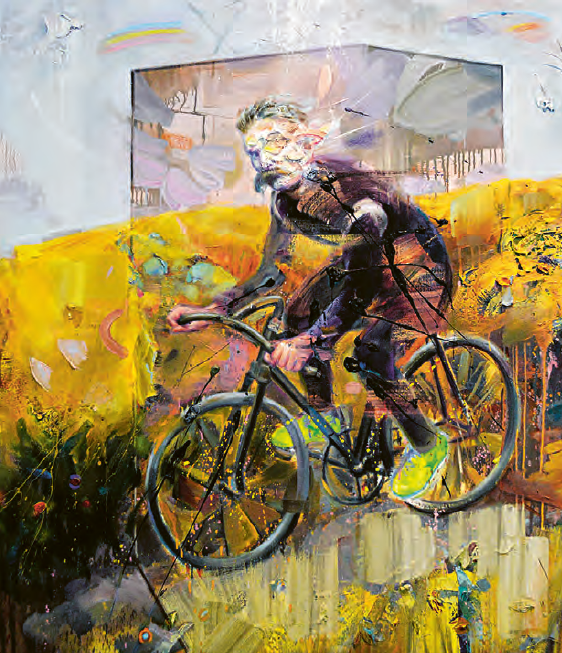

What does the most radical thinker of modernity have to do with cycling? Officially nothing: Nietzsche was a passionate hiker, and bicycles were conspicuously absent from his biography. Yet, his philosophy brilliantly anticipated the bicycle.
From the Buddhist Kala-Chakra up to Zarathustra's vision of the "self-rolling wheel," this essay embarks on a fascinating quest. It shows why the bicycle is far more than a mere means of transport: It is a philosophical instrument that teaches us the dynamic balance of life and makes the "Eternal Recurrence of the Same" palpable in the wind. An invitation to set thought in motion.
“It is no longer about monumentalization! Artists today want to make Nietzsche human so that one can deal with him in a new way.”
Interview with Barbara Straka about Her Book Nietzsche Forever?
Discussion with Barbara Straka
Interview with Barbara Straka about Her Book Nietzsche Forever?
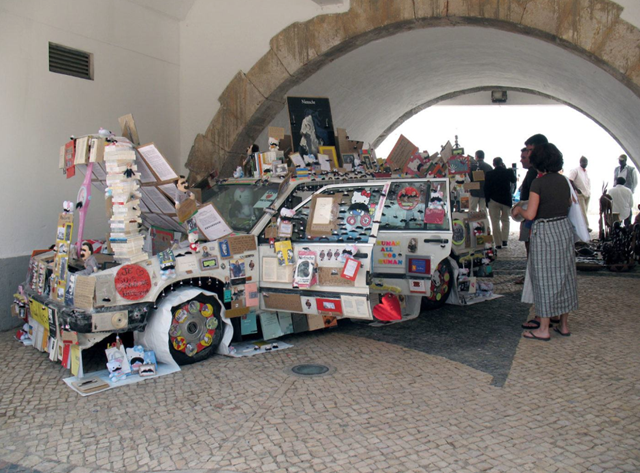
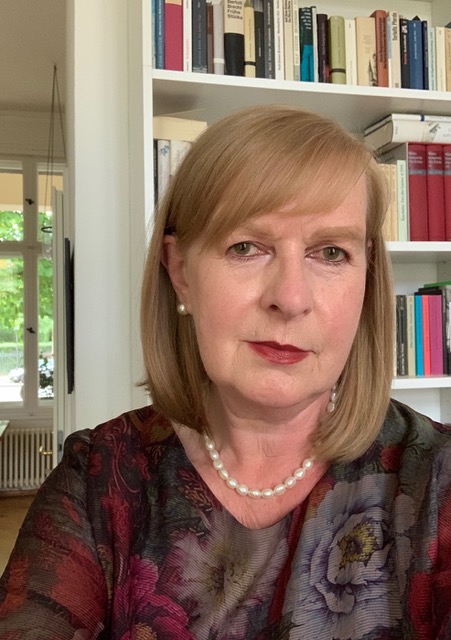
Last year, curator and art historian Barbara Straka published a two-volume monograph entitled Nietzsche forever? Friedrich Nietzsches Transfigurationen in der zeitgenössischen Kunst (Nietzsche Forever? Friedrich Nietzsche's Transfigurations in Contemporary Art), in which she explains Nietzsche's significance for the visual arts of the present day. After Michael Meyer-Albert dedicated a two-part review to her work in recent weeks (part 1, part 2), here follows an interview conducted by our author Jonas Pohler with the author in Potsdam. He discussed her book with her, but also about the not always easy relationship between philosophy and contemporary art.
Monumentality Issues. Nietzsche in Art After 1945
Thoughts on the Book Nietzsche Forever? by Barbara Straka II
Monumentality Issues. Nietzsche in Art After 1945
Thoughts on the Book Nietzsche Forever? by Barbara Straka II
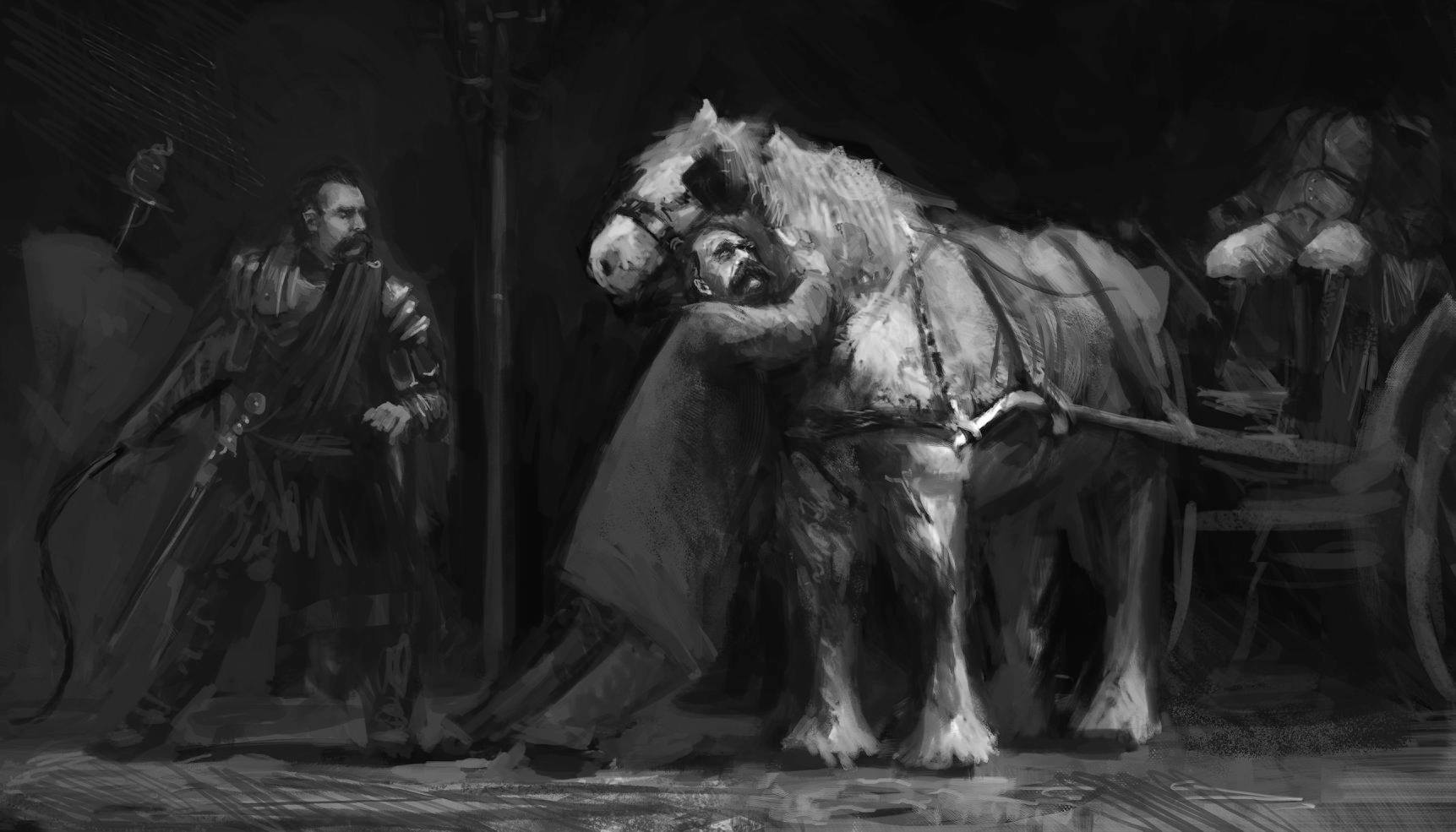

Barbara Straka's newly published book Nietzsche Forever? explores the question of how Nietzsche is received in 20th century art, in particular that after 1945. But the reception of Nietzsche's reception raises the question of whether the philosopher's monumentality is lost sight of. Does this reveal a fundamental problem of our age with monumentality? In any case, starting from Nietzsche, Michael Meyer-Albert argues against Straka for a “post-monumental monumentality” as an alternative to aesthetic postmodernism. In the first part of the two-part series, he dedicated himself to her book, and now he is accentuating his opposite position.
Traveling with Nietzsche through Southeast Asia IV
Malaysia
Traveling with Nietzsche through Southeast Asia IV
Malaysia

The last country that our author, Natalie Schulte, traveled by bike was Malaysia. After a good 5,000 km, she got the creeping feeling that the trip could still end poorly. With considerations as to whether cycling in Southeast Asia is a response to Nietzsche's appeal “live dangerously! “, she concludes her series of essays.
Traveling with Nietzsche through Southeast Asia III
Thailand
Traveling with Nietzsche through Southeast Asia III
Thailand

Our author Natalie Schulte traveled by bicycle for nine months Vietnam, Kampuchea, Thailand and malaysia. In her penultimate contribution to the series ”Hikes with Nietzsche“ she muses on encounters with wild animals that she met or could have met on her journey. It is hardly surprising that this includes considerations about the importance of animals, as they occur in Nietzsche's philosophy.
Traveling with Nietzsche through Southeast Asia II
Cambodia
Traveling with Nietzsche through Southeast Asia II
Cambodia


Our author Natalie Schulte spent nine months cycling in Southeast Asia and reports on her travel experiences with and without Nietzsche in a short series of essays. This time it's about the vast plain of Cambodia and the temples of Angkor in the middle of the jungle.
Traveling with Nietzsche through Southeast Asia I
Vietnam
Traveling with Nietzsche through Southeast Asia I
Vietnam

Our author Natalie Schulte spent nine months cycling in Southeast Asia. She traveled 5,500 km through Vietnam, Cambodia, Thailand and Malaysia. In the luggage for motivation and discussion was as usual So Zarathustra spoke. But Nietzsche's thoughts were also frequently present beyond this work. In her short essay series, she talks about her travel experiences with and without Nietzsche.