#
Italy
Nietzsche and Nationalism?
A Disputation between Michael Drescher and Paul Stephan
Nietzsche and Nationalism?
A Disputation between Michael Drescher and Paul Stephan

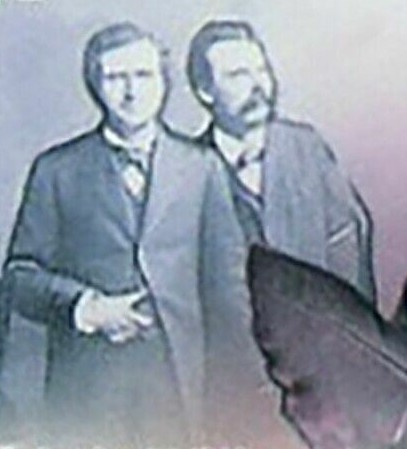
Throughout his life, Nietzsche was a great critic of nationalism. The burgeoning German national sentiment, in particular, was anathema to him, and he wrote scathing remarks about his home country, such as "definition of the Germanic: obedience and long legs..."1. At the same time, nationalists and patriots of all stripes count among his fans. How can one be a Nietzschean and a (German) nationalist? What exactly is "nationalism," and is it possible to give this term a positive meaning?
Paul Stephan discussed these delicate topics, which are gaining increasing relevance given the successes of nationalist parties worldwide, in written form with YouTuber, Nietzsche expert, and nationalism researcher Michael Drescher, also known as PhrasenDrescher.
Additionally, they continued this dialogue verbally on YouTube – feel free to check out the result here (or as an audio-only version on SoundCloud).
“Facts” and a Damn Good Interpretation
Nietzsche as a Solo Piece in Halle
“Facts” and a Damn Good Interpretation
Nietzsche as a Solo Piece in Halle
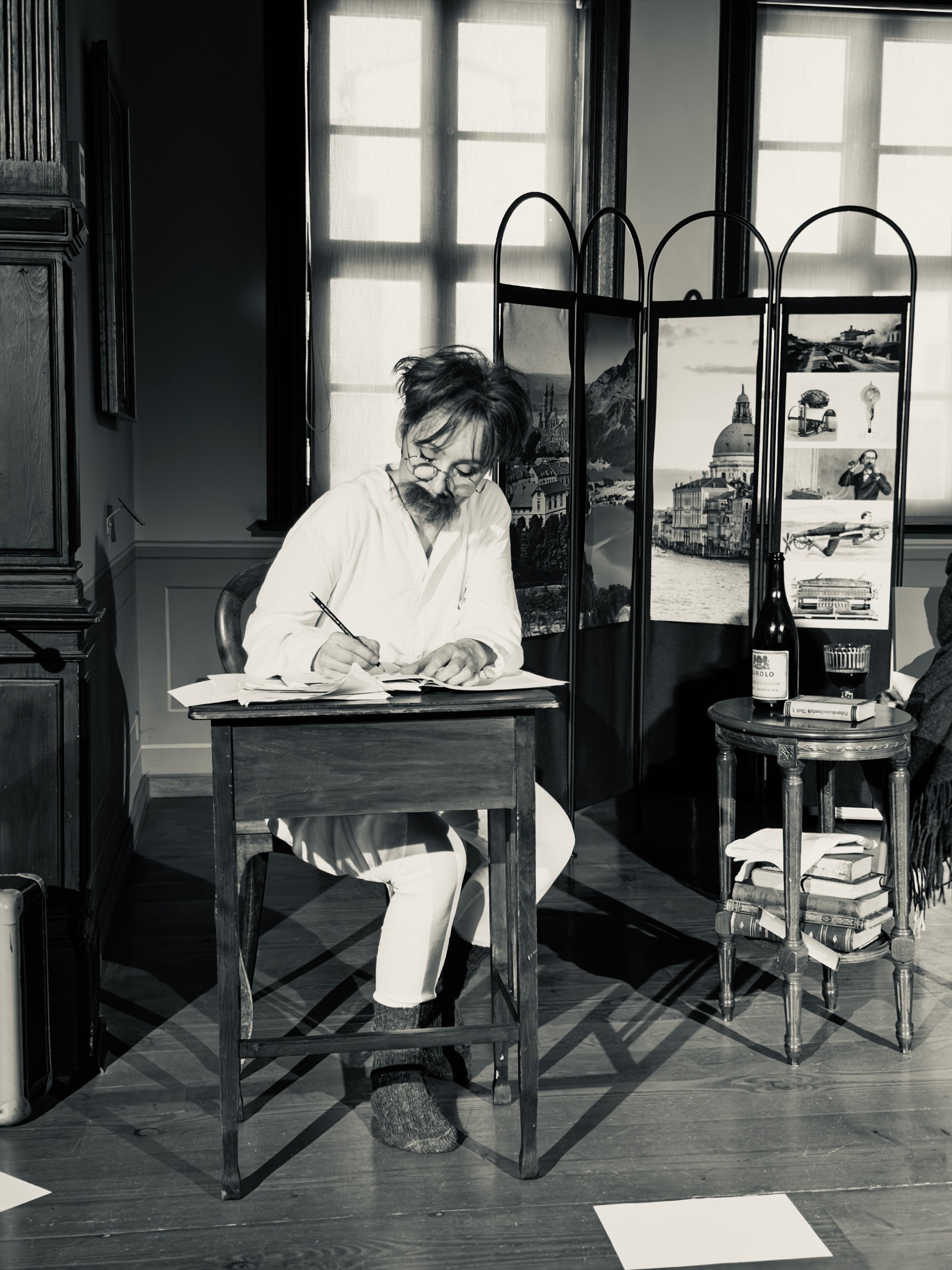
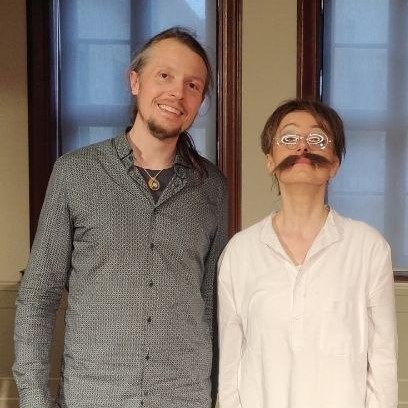
The actress Andrea Ummenberger is currently putting Nietzsche on stage in Halle with a solo play. In a captivating evening at the theatre, the audience can experience the thinker as he possibly was, at least in the interpretation of Austrian writer Alexander Widner, during his last years: not necessarily mentally abducted, but rather insane and in permanent conflict with his sister, his mother — and last but not least his home country. A self-proclaimed fool who rebels against the tight shackles of German small-mindedness and dreams of the South and liberated sensuality. Ummenberger shows us a Nietzsche who still has something to say to us today; not a brilliant idol, but rather a complex anti-hero who asks important questions.
Female Barbarians — When Women Become a Threat
Female Barbarians — When Women Become a Threat
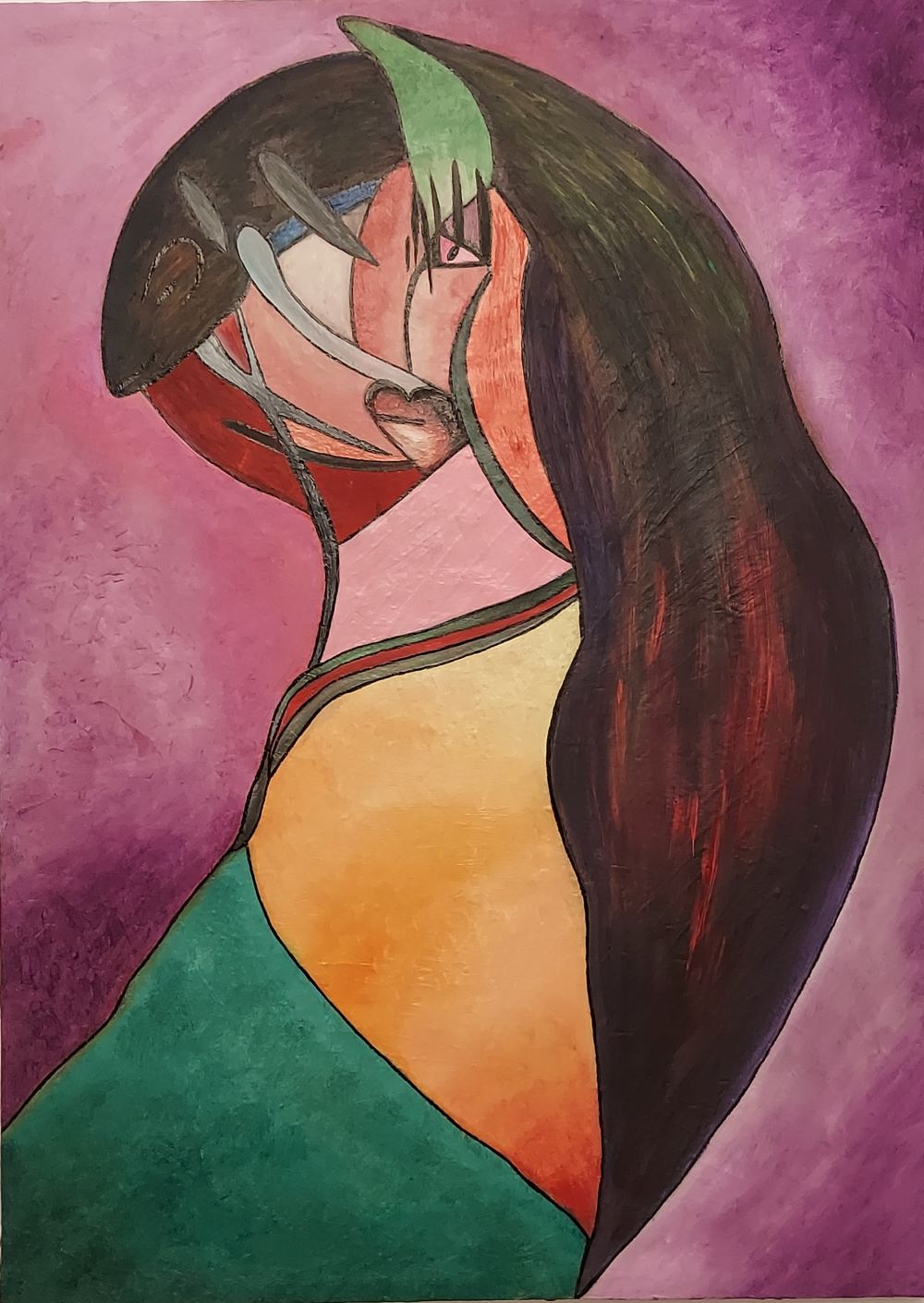

In today's world, which wants to call itself modern and equal, old patterns continue to have an effect — rivalry instead of solidarity, adaptation instead of departure. The essay provocatively asks: Where are the barbarians of the 21st century? It shows the emergence of a new female force — a woman who does not destroy but refuses, who evades old roles and gains creative power from pain. Through examples from reality and literature, the text attempts to show that true change does not start in obedience but in bold “no” — and that solidarity among women could be the real revolution.
We awarded this text second place in this year's Kingfisher Award for Radical Essay Writing (link).
If you'd rather listen to it, you'll also find it read by Caroline Will on the Halcyonic Association for Radical Philosophy's YouTube channel (link) or on Soundcloud (link).
Thus Spoke the Machine
Imitating Nietzsche with AI
Thus Spoke the Machine
Imitating Nietzsche with AI
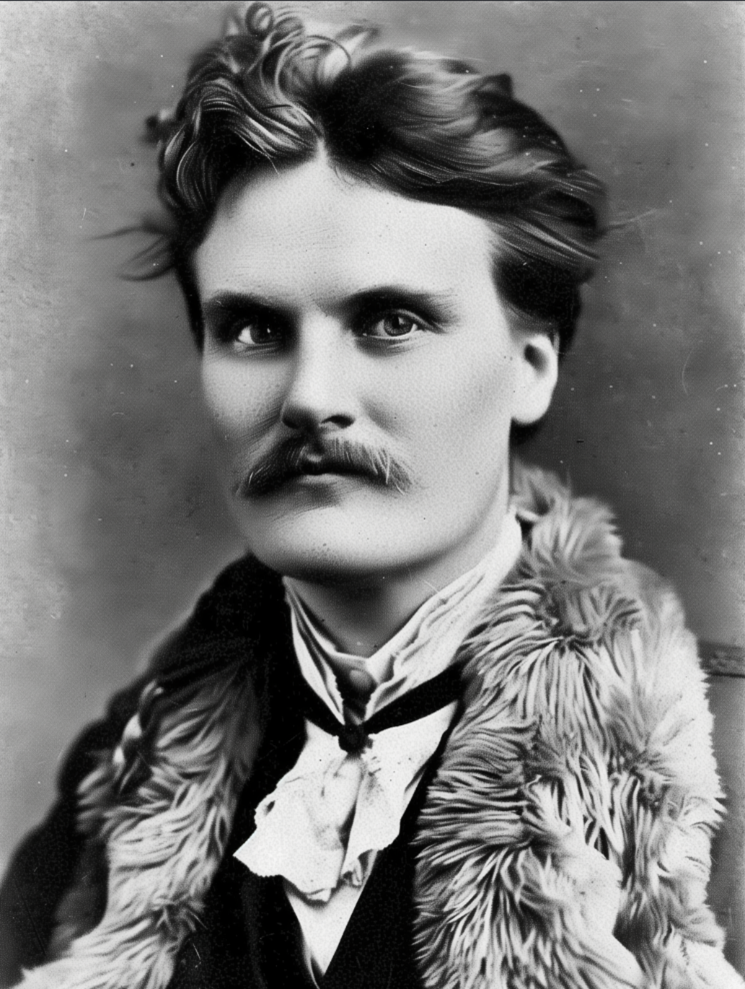

The continuous refinement of large language models, or LLMs for short, allows increasingly accurate stylistic interpretations of texts. This also applies to the writing styles of philosophers. For example, it has recently been possible to chat with Socrates or Schopenhauer — usually with consistent quality and limited depth of content.1 In recent months, our guest author Tobias Brücker has tried to generate exciting Nietzsche texts using various AI methods. In the following, he will present some of these generated, “new Nietzsche texts”, describe their creation and draw a brief conclusion.
Traveling with Nietzsche through Southeast Asia IV
Malaysia
Traveling with Nietzsche through Southeast Asia IV
Malaysia


The last country that our author, Natalie Schulte, traveled by bike was Malaysia. After a good 5,000 km, she got the creeping feeling that the trip could still end poorly. With considerations as to whether cycling in Southeast Asia is a response to Nietzsche's appeal “live dangerously! “, she concludes her series of essays.