#
Johann Gottlieb Fichte
Nietzsche and Nationalism?
A Disputation between Michael Drescher and Paul Stephan
Nietzsche and Nationalism?
A Disputation between Michael Drescher and Paul Stephan

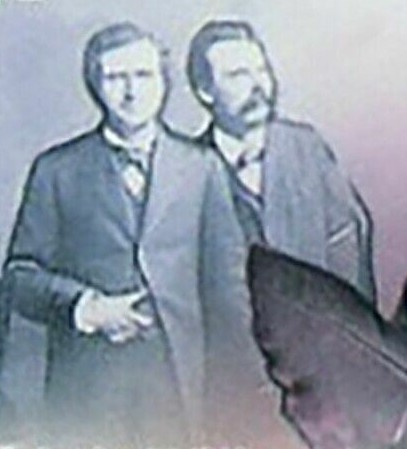
Throughout his life, Nietzsche was a great critic of nationalism. The burgeoning German national sentiment, in particular, was anathema to him, and he wrote scathing remarks about his home country, such as "definition of the Germanic: obedience and long legs..."1. At the same time, nationalists and patriots of all stripes count among his fans. How can one be a Nietzschean and a (German) nationalist? What exactly is "nationalism," and is it possible to give this term a positive meaning?
Paul Stephan discussed these delicate topics, which are gaining increasing relevance given the successes of nationalist parties worldwide, in written form with YouTuber, Nietzsche expert, and nationalism researcher Michael Drescher, also known as PhrasenDrescher.
Additionally, they continued this dialogue verbally on YouTube – feel free to check out the result here (or as an audio-only version on SoundCloud).
On Life in Freedom
A Conversation with Jens Bonnemann about Sartre and Nietzsche
On Life in Freedom
A Conversation with Jens Bonnemann about Sartre and Nietzsche

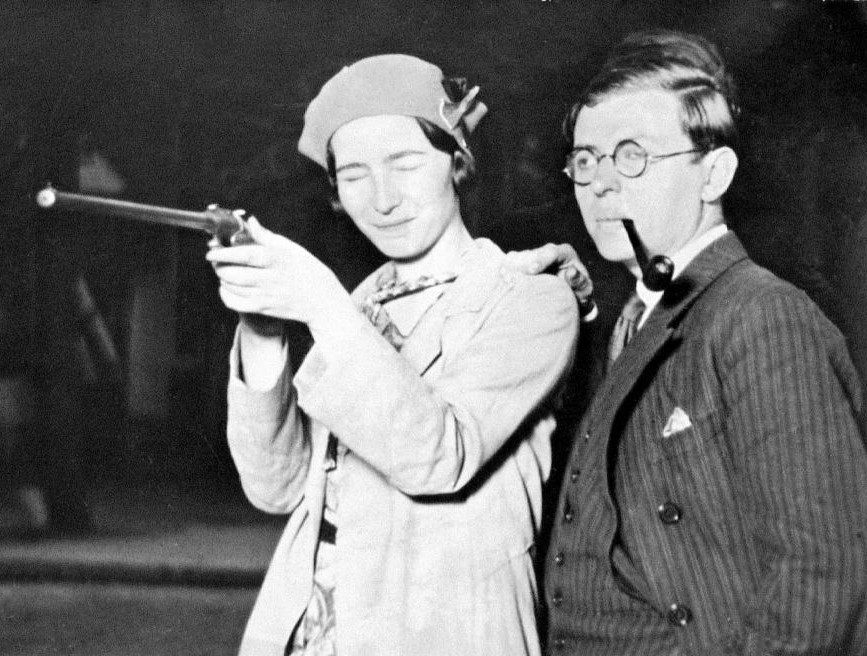
On April 15, 1980, one of the most important philosophers of the 20th century, Jean-Paul Sartre, died at the age of 74. Paul Stephan spoke with Jens Bonnemann, chairman of the German-speaking Sartre-Gesellschaft, about his basic ideas, his relationship with Nietzsche and his significance for our time. What does it mean to live in freedom after the “death of God”? What are the limits of individual freedom? What are the differences and similarities between Sartre and Nietzsche?
You can also view the unedited version of the conversation, in German, on YouTube and listen to it on Soundcloud.
“Je suis Nietzsche!”
A Dialogue about Bataille, Freedom, the Economy of waste, Ecology and War
“Je suis Nietzsche!”
A Dialogue about Bataille, Freedom, the Economy of waste, Ecology and War


Paul Stephan talked to Jenny Kellner and Hans-Martin Schönherr-Mann about the interpretation of one of the most important Nietzsche interpreters of the 20th century: Georges Bataille (1897—1962). The French writer, sociologist and philosopher defended the ambiguity of Nietzsche's philosophy against its National Socialist appropriation and thus became a central source of postmodernism. Based on Dionysian mythology, he wanted to develop a new concept of sovereignty that transcends the traditional understanding of responsible subjectivity, and criticized modern capitalist rationality in the name of an “economy of waste.” With all this, he provides important impulses for a better understanding of our present tense.