#
Nice
Wille zum Wald
Nietzsche’s Discovery of Forest Bathing
Wille zum Wald
Nietzsche’s Discovery of Forest Bathing
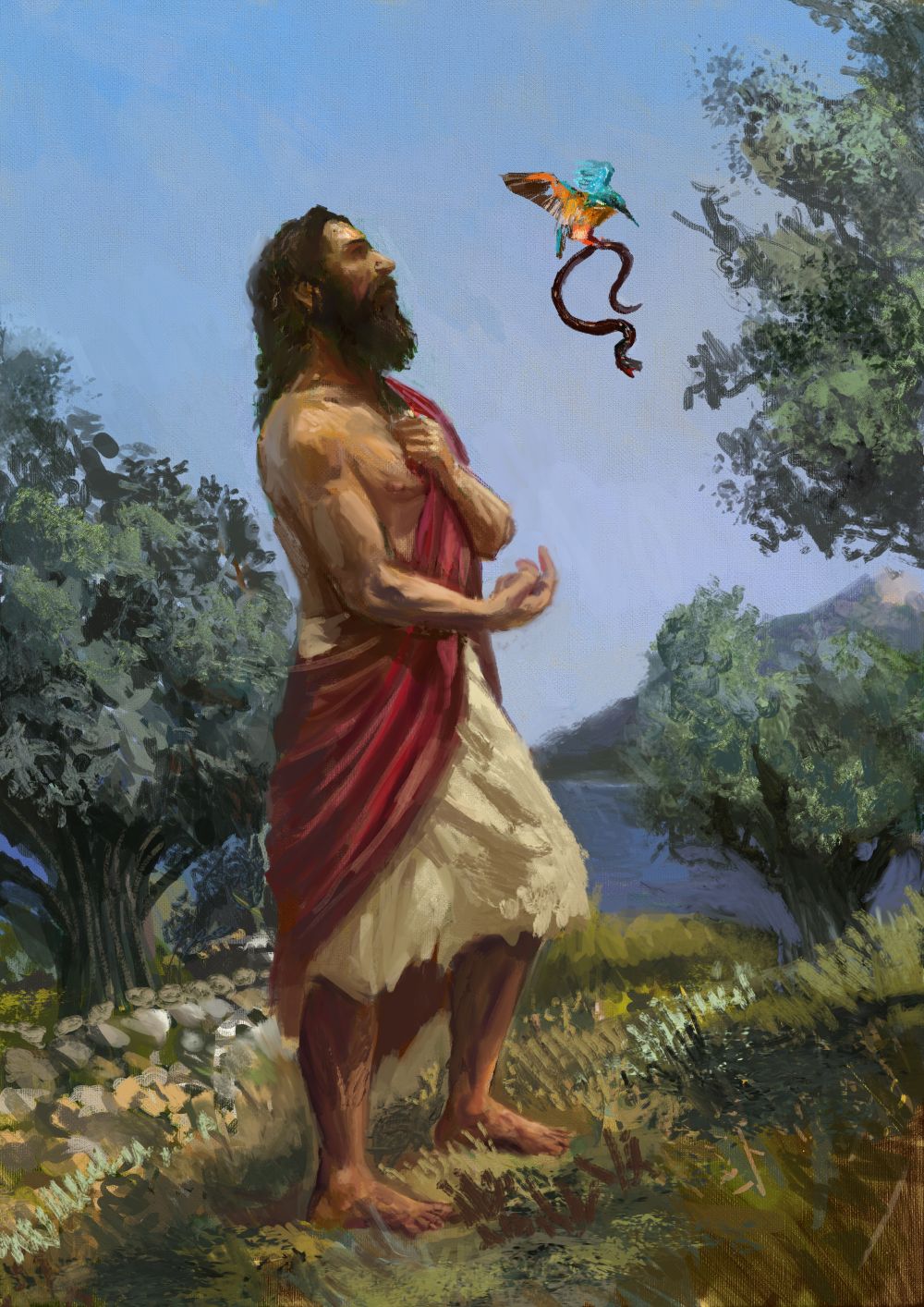
In the fourth part of our “The Forest as a Living Foundation” series, the distinguished American Nietzsche scholar Gary Shapiro investigates new angles on Nietzsche’s bonds to the woods: the philosopher’s personal enthusiasm for what is increasingly called “forest bathing,” the science behind how this practice benefits body, mind, and spirit, and the sheer pleasure of breathing fresh air, in woodland and wherever else we can find it. Shapiro’s essay showcases why this particular Lebensraum matters, not just for our individual well-being, but for the health of the entire planet.
Dionysus Without Eros
Was Nietzsche an Incel?
Dionysus Without Eros
Was Nietzsche an Incel?
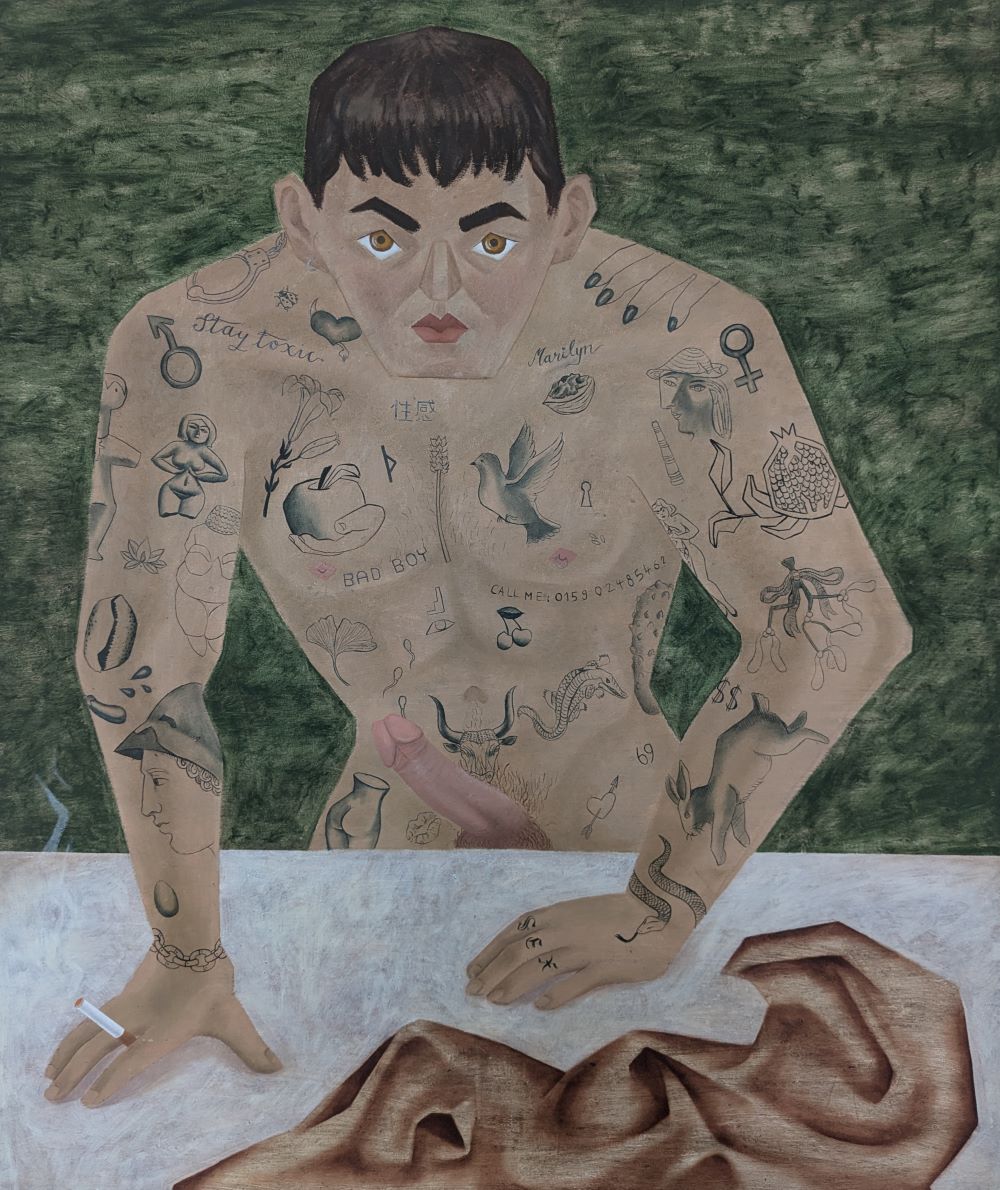

It is well known that Nietzsche had a hard time with women. His sexual orientation and activity are still riddled with mystery and speculation today. Time and again, this question inspired artists of both genders to create provocatively mocking representations. Can he possibly be described as an “incel”? As an involuntary bachelor, in the spirit of today's debate about the misogynistic “incel movement”? Christian Saehrendt explores this question and tries to shed light on Nietzsche's complicated relationship with the “second sex.”
“Poland is Not Yet Lost”
Germany's Neighboring Country as a Political Utopia in Nietzsche's Posthumous Writings
“Poland is Not Yet Lost”
Germany's Neighboring Country as a Political Utopia in Nietzsche's Posthumous Writings


The late Nietzsche repeatedly imagines himself as a descendant of Polish nobles. It is not just a personal whim, but also says something about Nietzsche's philosophical positioning: For him, Poland is a kind of “anti-nation,” a people of “big individuals” — and last but not least, the Polish noble republic is the political utopia of a radical democratic community, which, precisely in its failure, corresponds to his idea of “aristocratic radicalism.” Paul Stephan goes in this Long Read explores the deeper meaning of this topic in Nietzsche and questions his transfiguration of the old Rzeczpospolita: From a political point of view, this is not as desirable a model as Nietzsche suggests. Jean-Jacques Rousseau continues to lead in this regard Considerations on the Government of Poland from 1772.