#
Paul Éluard
On Life in Freedom
A Conversation with Jens Bonnemann about Sartre and Nietzsche
On Life in Freedom
A Conversation with Jens Bonnemann about Sartre and Nietzsche

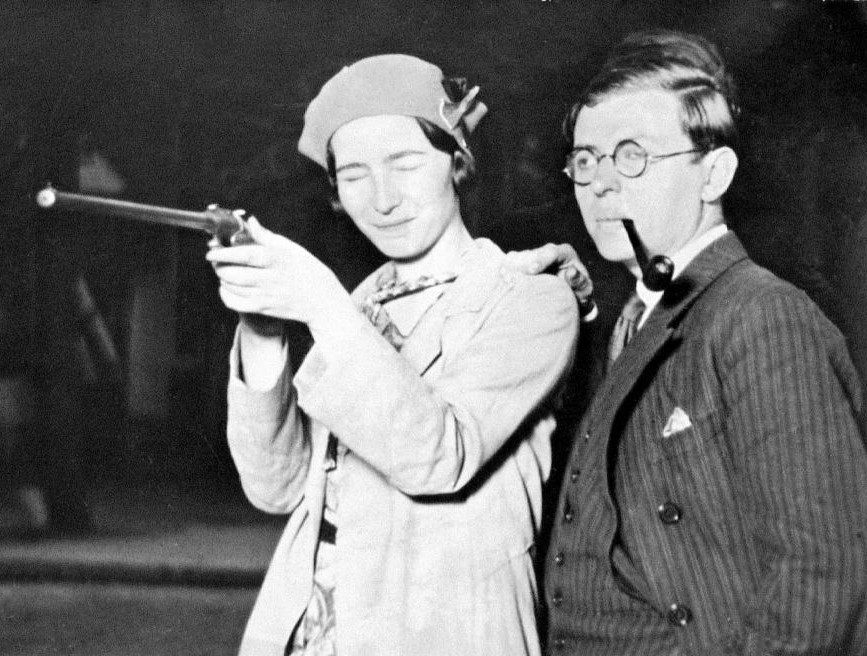
On April 15, 1980, one of the most important philosophers of the 20th century, Jean-Paul Sartre, died at the age of 74. Paul Stephan spoke with Jens Bonnemann, chairman of the German-speaking Sartre-Gesellschaft, about his basic ideas, his relationship with Nietzsche and his significance for our time. What does it mean to live in freedom after the “death of God”? What are the limits of individual freedom? What are the differences and similarities between Sartre and Nietzsche?
You can also view the unedited version of the conversation, in German, on YouTube and listen to it on Soundcloud.
Considering Artificial Intelligence with Nietzsche
On the Critique of Current AI Debates
Considering Artificial Intelligence with Nietzsche
On the Critique of Current AI Debates
.jpg)

Transhumanists believe that artificial intelligence is used to capture the real world. It wasn't just Nietzsche who presented this as nonsense. Moral programs are entered into the AI. With Nietzsche, this prolongs hostile morality. And Nietzsche would have already questioned the fact that AI helps people. Instead, people must submit to AI. With Nietzsche, they can evade their power.