#
Crowdfunding Campaign 2026
“How Well Disposed Would You Have to Become to Yourself and to Life”
Prolegomena to Any Future Philosophy That Will Be Able to Present Itself as an Enlightenment — Part I
"How Well Disposed Would You Have to Become to Yourself and to Life"
Prolegomena to any future philosophy that may arise as an Enlightenment — Part I
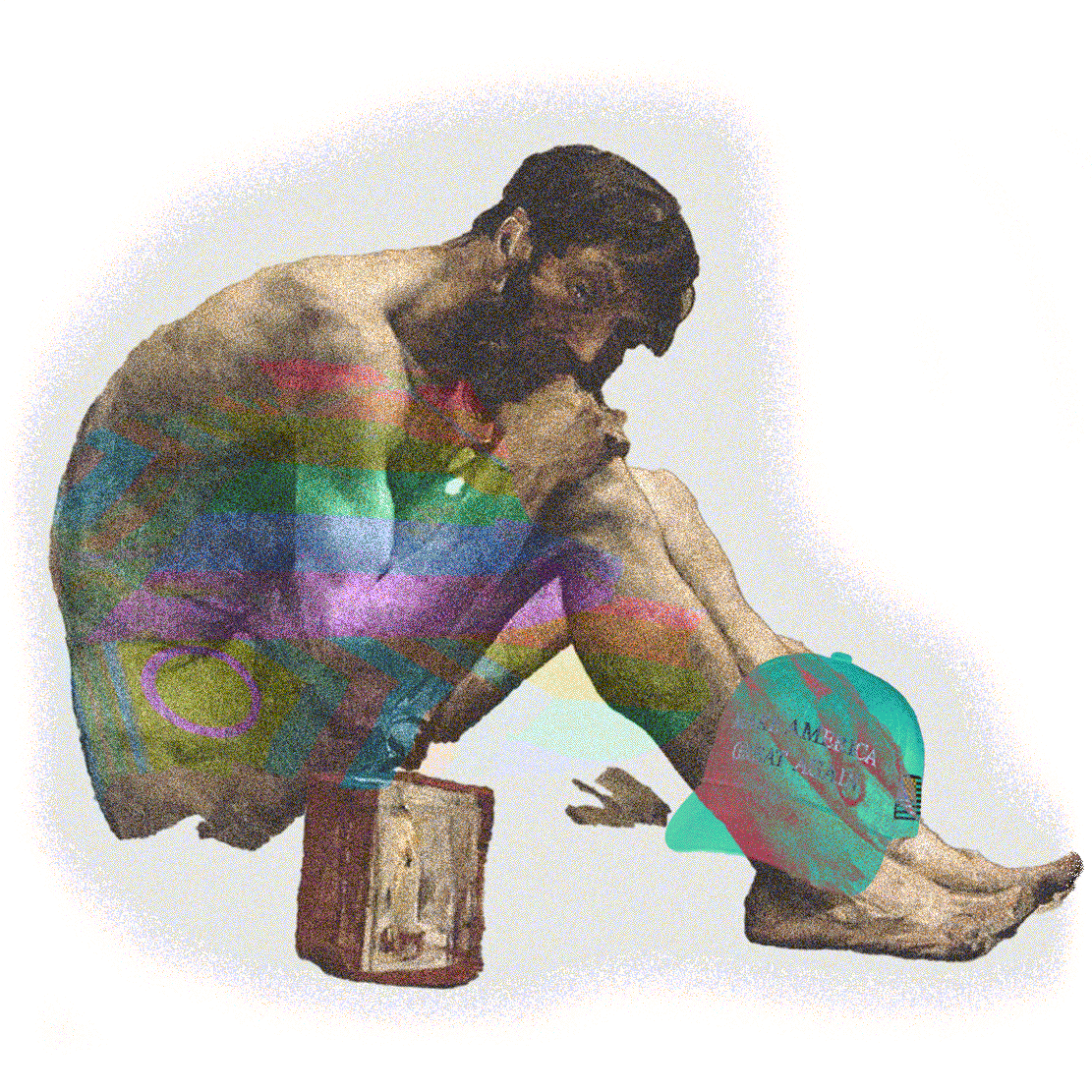
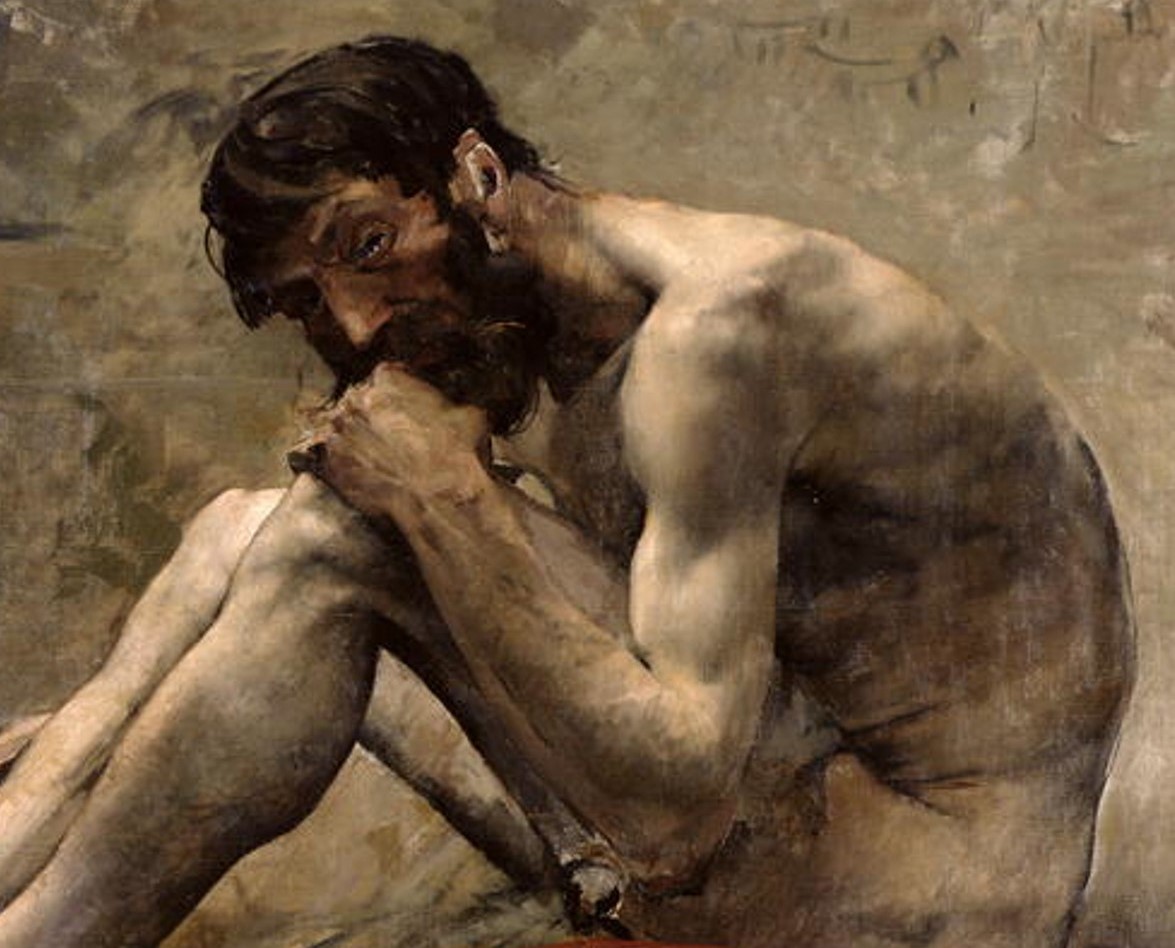
The following text explores the hypothesis that every philosophy of the zeitgeist finds its onset at something that bothers it: in the beginning, there was disgruntlement. This something is interpreted here as an illiberally disgruntled enlightenment, which is embodied in the current “polarization.” With Francis Fukuyama's help, this trail is explored and the drama of the recognition of modern Enlightenment is described.
The philosopher Fukuyama, born in Chicago in 1952, is primarily known for his essay The End of History? from 19891. There, he held that the “end of history” assumed by Hegel had finally arrived with the looming collapse of the Soviet Union. He saw the triumphant liberal Western democracies as the final stage of the process of historical progress. In 1992, Fukuyama published his main work based on this essay: The End of History and the Last Man, in which he combines Hegel's thesis with Nietzsche's diagnosis of the “last man.” Our author is also referring to this book. It caused controversial debates worldwide and continues to provoke today. — Do we really live after the “end of history”? Our author agrees with Fukuyama: While with the form of liberal democracy a final embodiment of the course of history has been achieved, history has been continuing as a conflict within this embodiment. World history has become history of liberalism.
Two Years through Woods of Symbols
Outlook and Summary of Our Previous Work
Two Years through Woods of Symbols
Outlook and Summary of Our Previous Work


Exactly two years ago, we published our first article on this blog, The Enduringly Contested Friedrich Nietzsche, a report by Paul Stephan about the annual meeting of the Nietzsche Society in 2023. Time to pause for a moment and think about what we've done on this blog so far and what the future could look like. Our editor-in-chief draws an interim conclusion and gives an insight into our plans.
We are combining this anniversary with two special appeals to you. On the one hand, we created a small quiz (link; in German). Answer four questions correctly, the answers to which are derived from our previous articles, and you could win one of thirteen prizes — and if you want, you can also give us valuable feedback about our work.
We would also like to draw you attention to our crowdfunding call. By July 10, we would like to invite you to help us raise €6,000 to finance further professional translations of our articles. In return, we offer you some fantastic rewards, including in particular the option of translating an article of your choice or giving us an article topic that you've always wanted to read about on this blog. Or you can get to know some of our authors at an exclusive Zoom workshop for our supporters. Become a bridge builder!