#
Hans Jonas
Heightened Idyll
Nietzsche and the Forest
Part II: Overcoming discontent. Idyll on the edge
Heightened Idyll 2
Nietzsche and the Forest Part II: Overcoming Resentment. Idyll on the edge
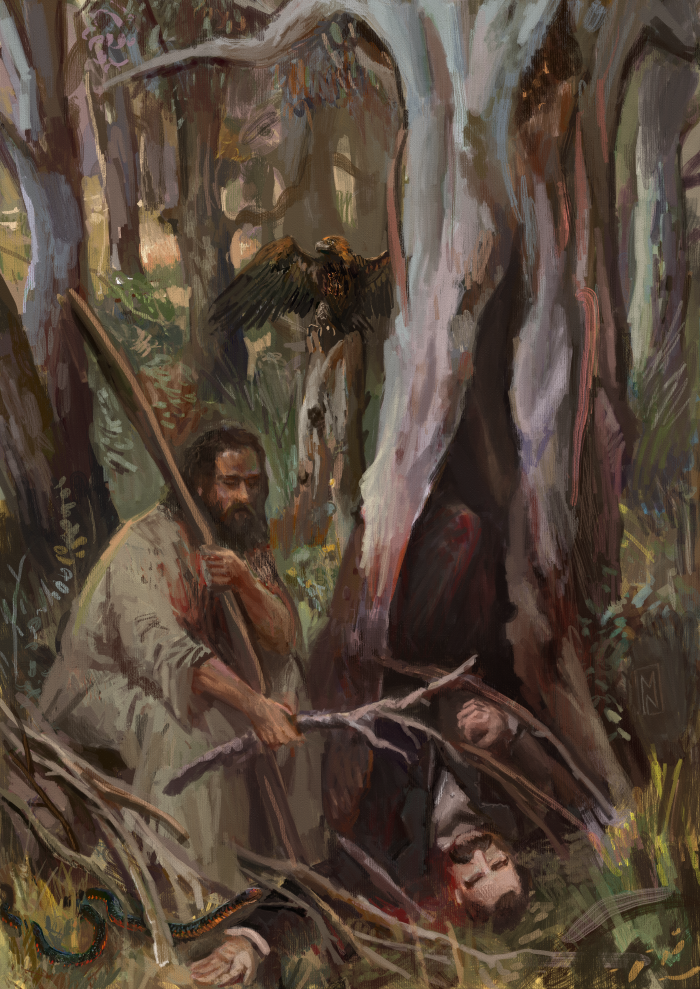

Nietzsche modifies the quintessentially German notion of the forest as an idyll, which our author described in the first part of this two-part series (link). This follow-up aims to precisely understand this modification and its significance for our time.
Nietzsche’s preferred landscape for thought is the high mountains. In this context, the forest becomes important as the tree line—a zone where life is just barely possible before it freezes. For Nietzsche, the timberline becomes the muse of a thinker who lives dangerously and always on the edge. Modernity can thus be described as a cultural high forest that is constantly on the verge of withering; the fading of the idyll of forest solitude is obvious to the Germans. Nietzsche’s stance is long past being an elitist attitude; in post-war modernity, for instance within various subcultures, it has become a mass mentality. In the current movement of social radicalization, however, we are observing a new kind of mass resentment—to escape it, we must relearn the art of shaping our own lives as a heroic idyll on the edge of the abyss.
Heightened Idyll
Nietzsche and the Forest
Part I: Sylvan Exiles in Antiquity, Romanticism, and Modernity
Heightened Idyll
Nietzsche and the Forest Part I: Sylvan Exiles in Antiquity, Romanticism, and Modernity

Is there a connection between place and thought? How might Nietzsche’s philosophy and the forest be linked?
In German culture, the forest often appears as the epitome of the idyllic. In the penultimate part of our series “The Forest as a Living Foundation”, our author Michael Meyer-Albert argues that Nietzsche gave this idyll a completely new form by dynamizing it.
He begins by discussing two forms of the traditional idyll. While the classical idyll in Southern European traditions (such as in Virgil) tended to celebrate the sunny, Arcadian pastoral landscape or the orderly garden, the philosophical idyll is found within the walls of the academy. A refuge from doxa, a tribute to the logos.
Meyer-Albert then analyzes the German forest as a specifically German form of the idyll using the term “Waldeinsamkeit” (forest solitude), coined by the Romantic writer Ludwig Tieck (1773–1853). Here, the forest is understood as a near-religiously charged sanctuary from the demands of modernity. If defended aggressively, this romanticism can quickly turn into reactionary mythology—even in a modern, left-wing guise.
Nietzsche’s modification of the anti-modern German forest idyll into a heroic idyll that affirms modernity serves as a counter-proposal to all these traditional forms of the idyllic—this will be the focus of the second part of this article (link).
“How Well Disposed Would You Have to Become to Yourself and to Life”
Prolegomena to Any Future Philosophy That Will Be Able to Present Itself as an Enlightenment — Part II
“How Well Disposed Would You Have to Become to Yourself and to Life”
Prolegomena to Any Future Philosophy That Will Be Able to Present Itself as an Enlightenment — Part II
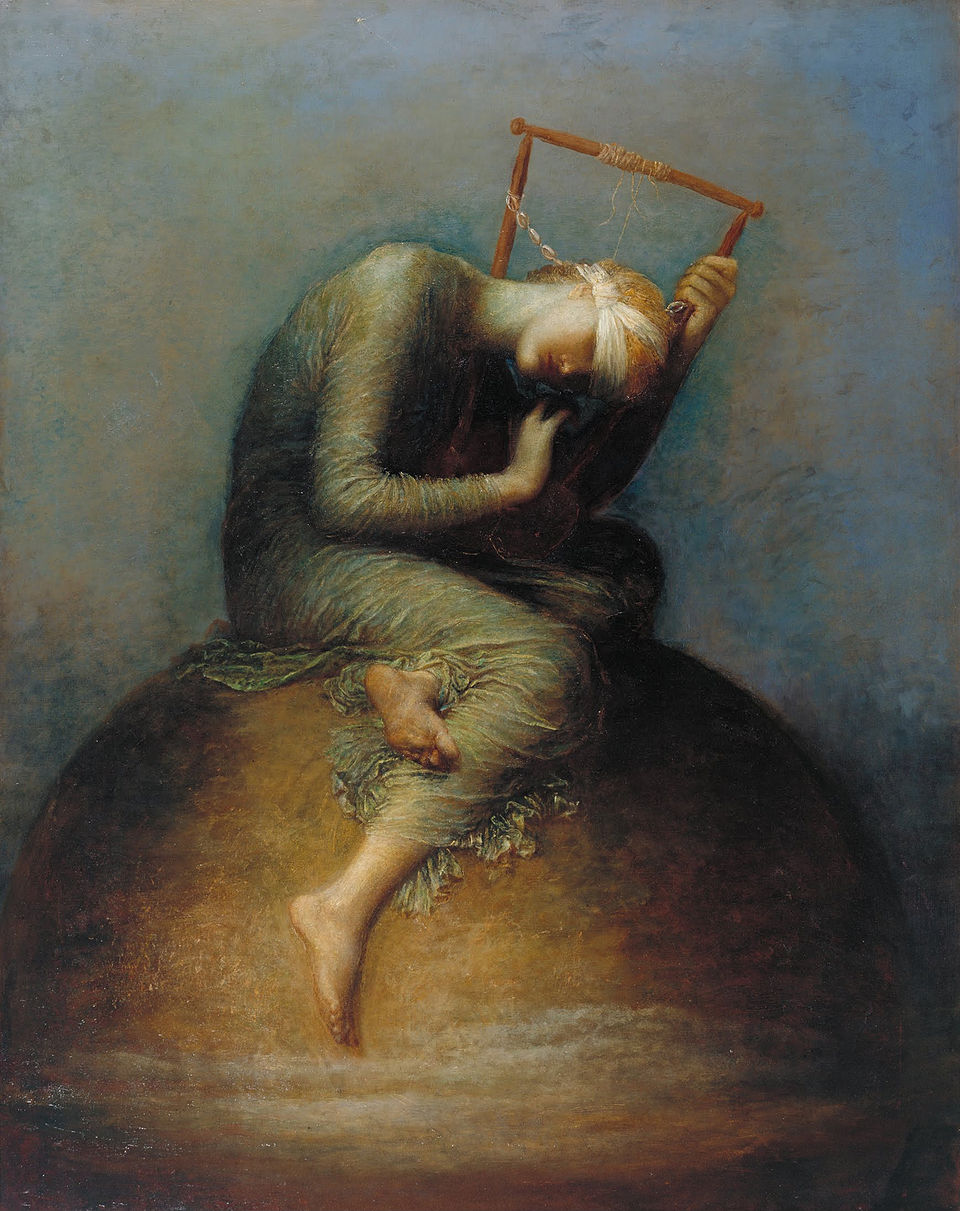
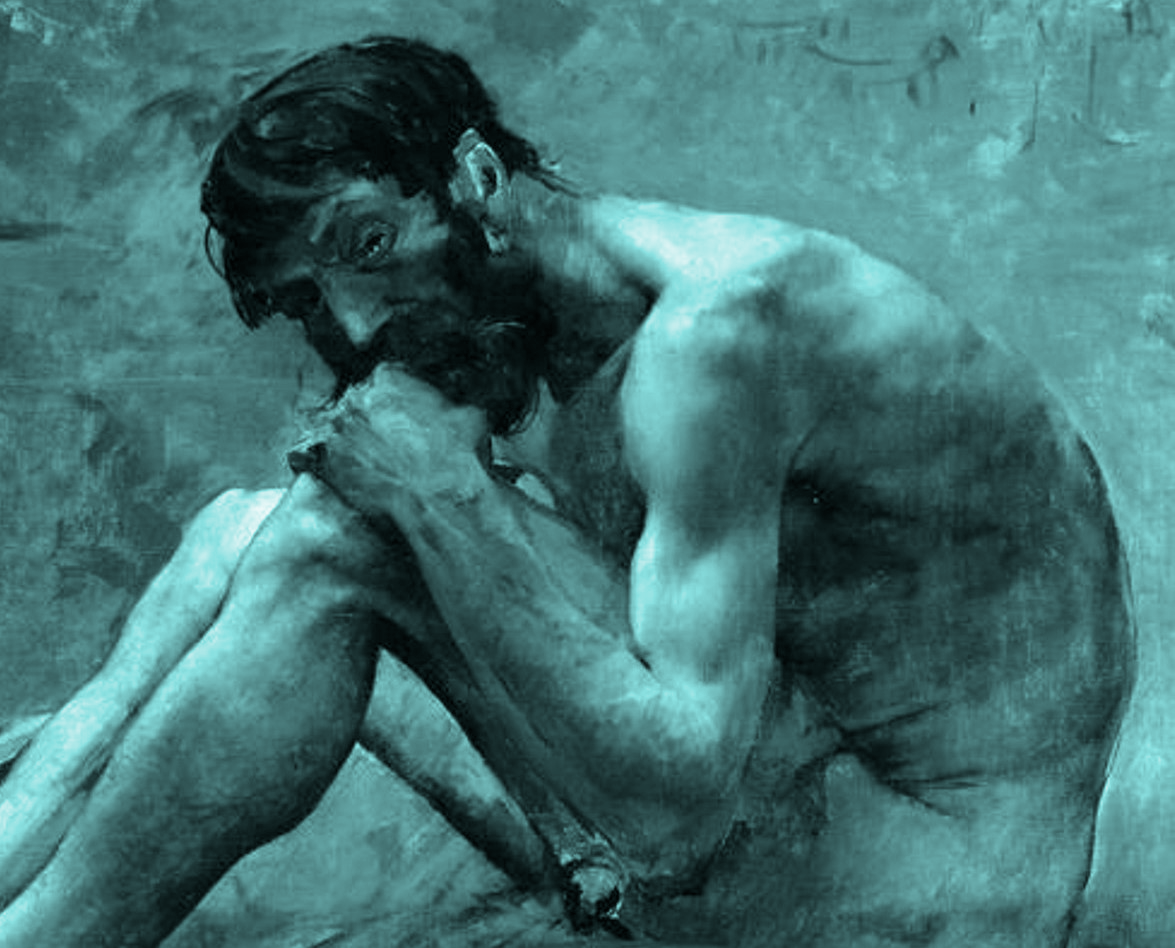
After our author, in the first part of this article, described the current political-cultural situation with reference to Fukuyama as an outgrowth of deep-seated boredom, which numbs itself in excesses of anger and indignation, he tries in the following second to suggest a possible turn for this zeitgeist, which could manifest itself in a new Enlightenment verve and a new positive self-image of the Enlightenment. Our author, with Nietzsche, opposes the “four despairs” that afflict the present tense, “four transfigurations” and “fields of research” resulting from them. An ironic view of the world and oneself should help to practice a transfigurative perspective on the world, which would be able to overcome the lethargy of postmodernism and revitalize the modernist project. The program of self-reliant future Enlightenment.