#
Nuts to Crack
Materialism and the Problem of Morality
Reflections with Deleuze/Guattari, Clouscard, and Levinas
PART 1: Morality Without a Place: Deleuze/Guattari vs. Clouscard
Materialism and the Problem of Morality
PART 1: Morality Without a Place: Deleuze/Guattari vs. Clouscard
As is well known, Nietzsche did not feel bound by conventional morality. In a world without an afterlife, strength and the will to power prevail. While Nietzsche was prepared to accept the brutal consequences of this perspective if necessary, some of his successors could not reconcile themselves to it, if only for political reasons. Using the work of Gilles Deleuze and Félix Guattari, this text examines the difficulties faced by a materialism that seeks to hold onto its Nietzschean inspiration while refusing to betray certain values. Michel Clouscard highlights this tension, yet he, too, fails to provide a justification for his moral convictions within the framework of his Marxist materialism. Is materialism fundamentally blind to morality?
“How Well Disposed Would You Have to Become to Yourself and to Life”
Prolegomena to Any Future Philosophy That Will Be Able to Present Itself as an Enlightenment — Part II
“How Well Disposed Would You Have to Become to Yourself and to Life”
Prolegomena to Any Future Philosophy That Will Be Able to Present Itself as an Enlightenment — Part II
After our author, in the first part of this article, described the current political-cultural situation with reference to Fukuyama as an outgrowth of deep-seated boredom, which numbs itself in excesses of anger and indignation, he tries in the following second to suggest a possible turn for this zeitgeist, which could manifest itself in a new Enlightenment verve and a new positive self-image of the Enlightenment. Our author, with Nietzsche, opposes the “four despairs” that afflict the present tense, “four transfigurations” and “fields of research” resulting from them. An ironic view of the world and oneself should help to practice a transfigurative perspective on the world, which would be able to overcome the lethargy of postmodernism and revitalize the modernist project. The program of self-reliant future Enlightenment.
“How Well Disposed Would You Have to Become to Yourself and to Life”
Prolegomena to Any Future Philosophy That Will Be Able to Present Itself as an Enlightenment — Part I
"How Well Disposed Would You Have to Become to Yourself and to Life"
Prolegomena to any future philosophy that may arise as an Enlightenment — Part I
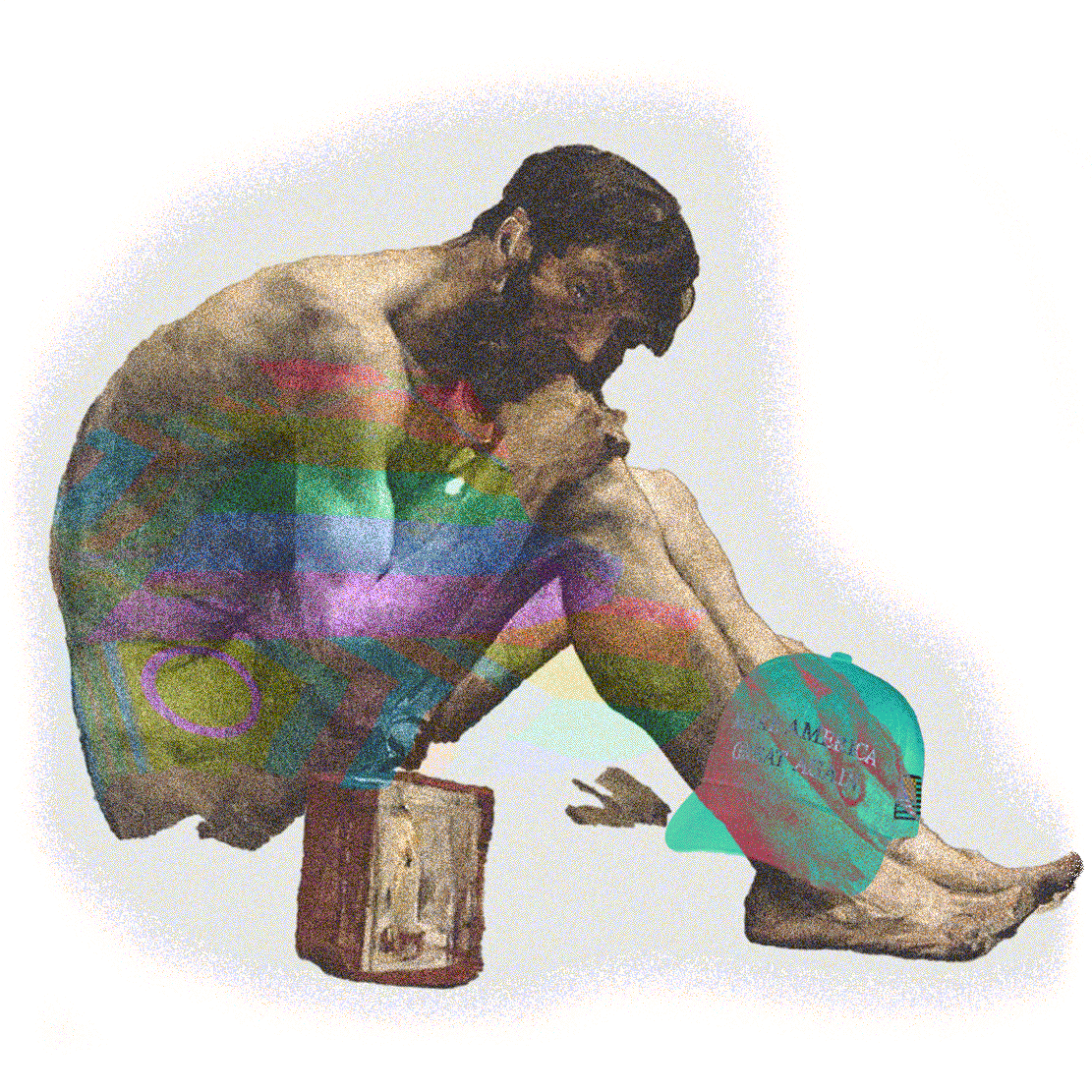
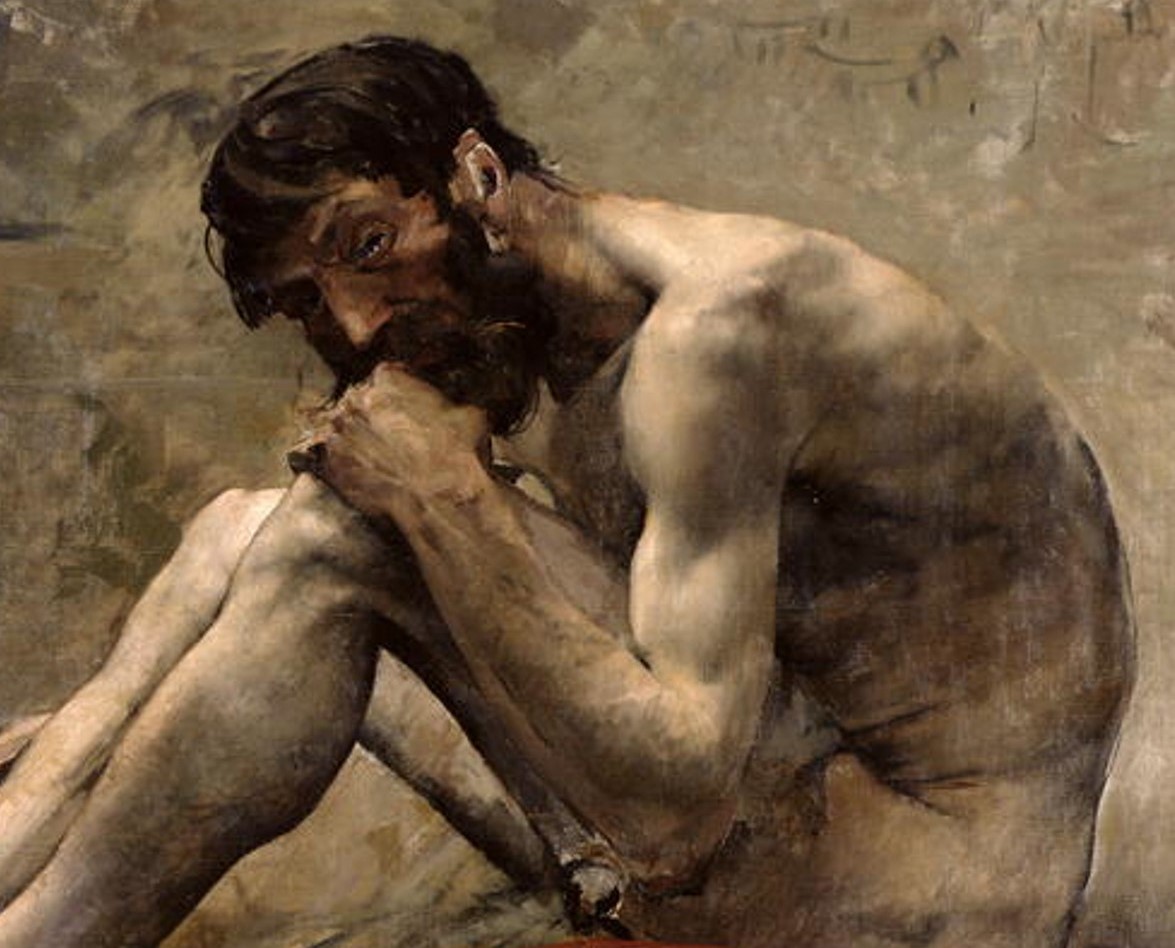
The following text explores the hypothesis that every philosophy of the zeitgeist finds its onset at something that bothers it: in the beginning, there was disgruntlement. This something is interpreted here as an illiberally disgruntled enlightenment, which is embodied in the current “polarization.” With Francis Fukuyama's help, this trail is explored and the drama of the recognition of modern Enlightenment is described.
The philosopher Fukuyama, born in Chicago in 1952, is primarily known for his essay The End of History? from 19891. There, he held that the “end of history” assumed by Hegel had finally arrived with the looming collapse of the Soviet Union. He saw the triumphant liberal Western democracies as the final stage of the process of historical progress. In 1992, Fukuyama published his main work based on this essay: The End of History and the Last Man, in which he combines Hegel's thesis with Nietzsche's diagnosis of the “last man.” Our author is also referring to this book. It caused controversial debates worldwide and continues to provoke today. — Do we really live after the “end of history”? Our author agrees with Fukuyama: While with the form of liberal democracy a final embodiment of the course of history has been achieved, history has been continuing as a conflict within this embodiment. World history has become history of liberalism.
Monumentality Issues. Nietzsche in Art After 1945
Thoughts on the Book Nietzsche Forever? by Barbara Straka II
Monumentality Issues. Nietzsche in Art After 1945
Thoughts on the Book Nietzsche Forever? by Barbara Straka II
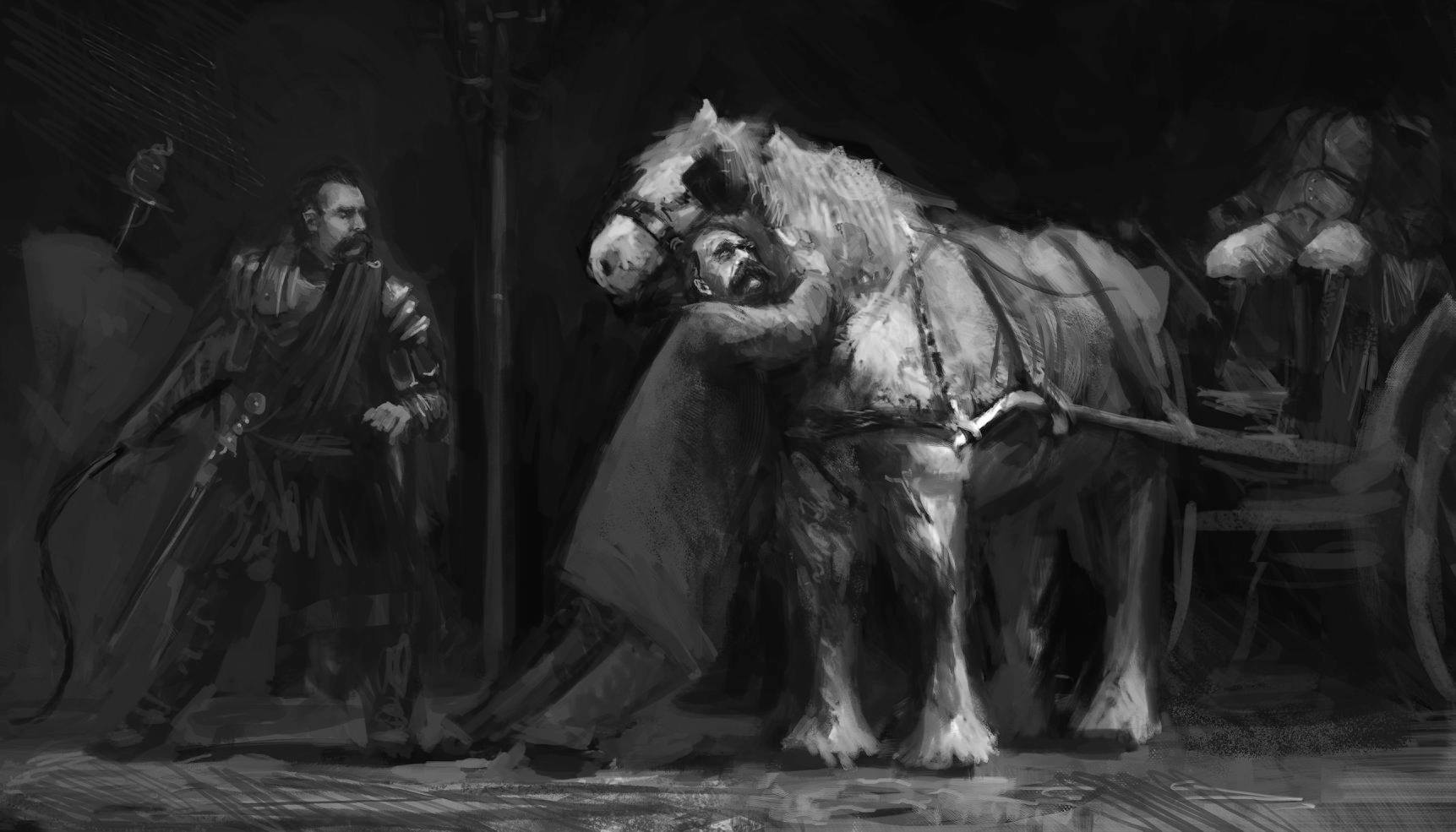

Barbara Straka's newly published book Nietzsche Forever? explores the question of how Nietzsche is received in 20th century art, in particular that after 1945. But the reception of Nietzsche's reception raises the question of whether the philosopher's monumentality is lost sight of. Does this reveal a fundamental problem of our age with monumentality? In any case, starting from Nietzsche, Michael Meyer-Albert argues against Straka for a “post-monumental monumentality” as an alternative to aesthetic postmodernism. In the first part of the two-part series, he dedicated himself to her book, and now he is accentuating his opposite position.
Monumentality Issues. Nietzsche in Art After 1945
Thoughts on the Book Nietzsche Forever? by Barbara Straka I
Monumentality Issues. Nietzsche in Art After 1945
Thoughts on the Book Nietzsche Forever? by Barbara Straka I
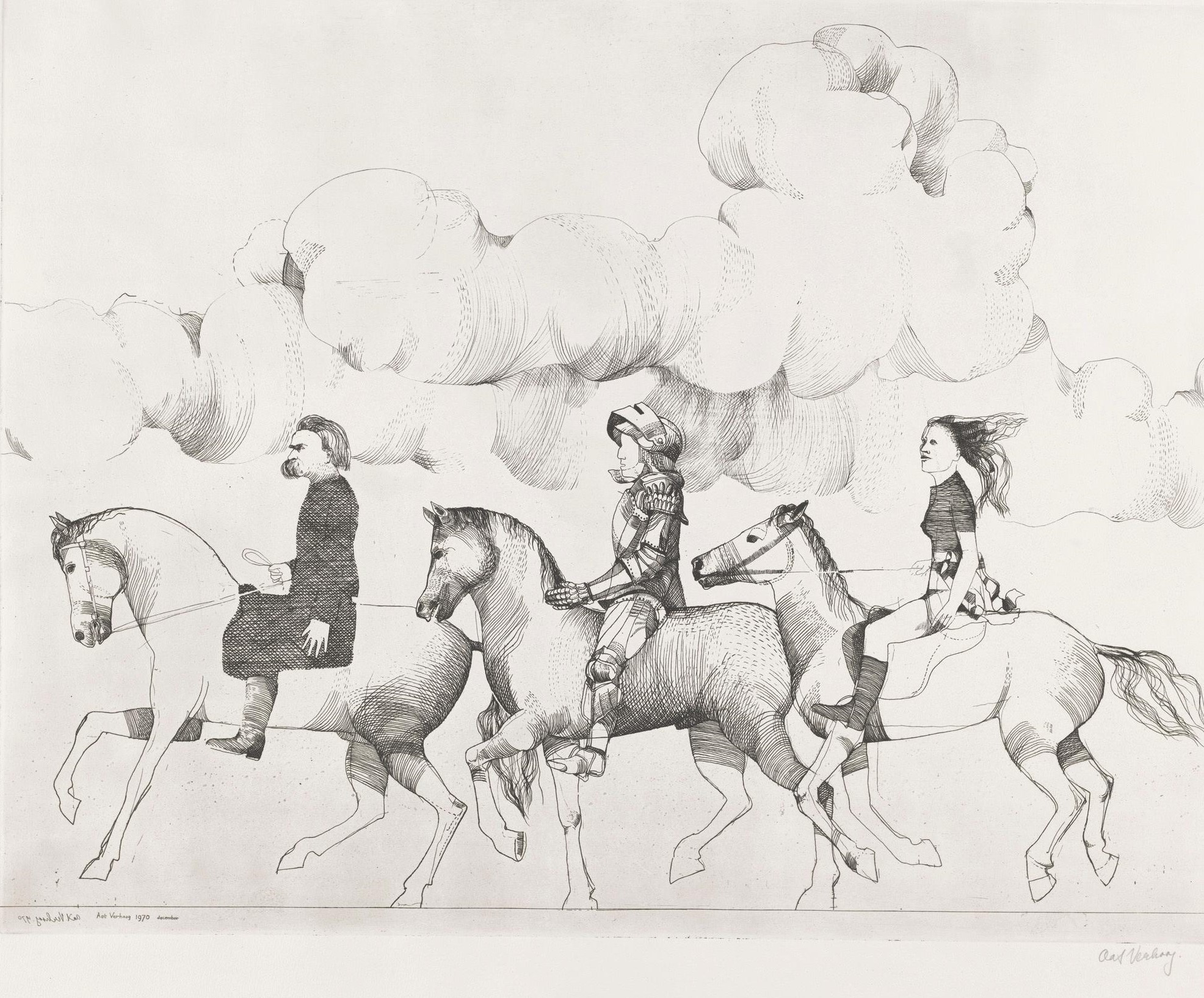
The fact that Nietzsche is a philosopher who speaks particularly to artists, even an “artist-philosopher,” is almost commonplace. In Barbara Straka's newly published book Nietzsche Forever?, the question is explored how exactly Nietzsche has been received in 20th century art, in particular that after 1945. The author has created a standard work that clearly and competently conveys the topic in plausible overviews. In this first part of this two-part article, Michael Meyer-Albert dedicates himself to her book and will then accentuate his own position in the upcoming second part.
Nietzsche’s Techniques of Philosophizing
With Glances Towards Wittgenstein and Heidegger
Nietzsche’s Techniques of Philosophizing
With Glances Towards Wittgenstein and Heidegger
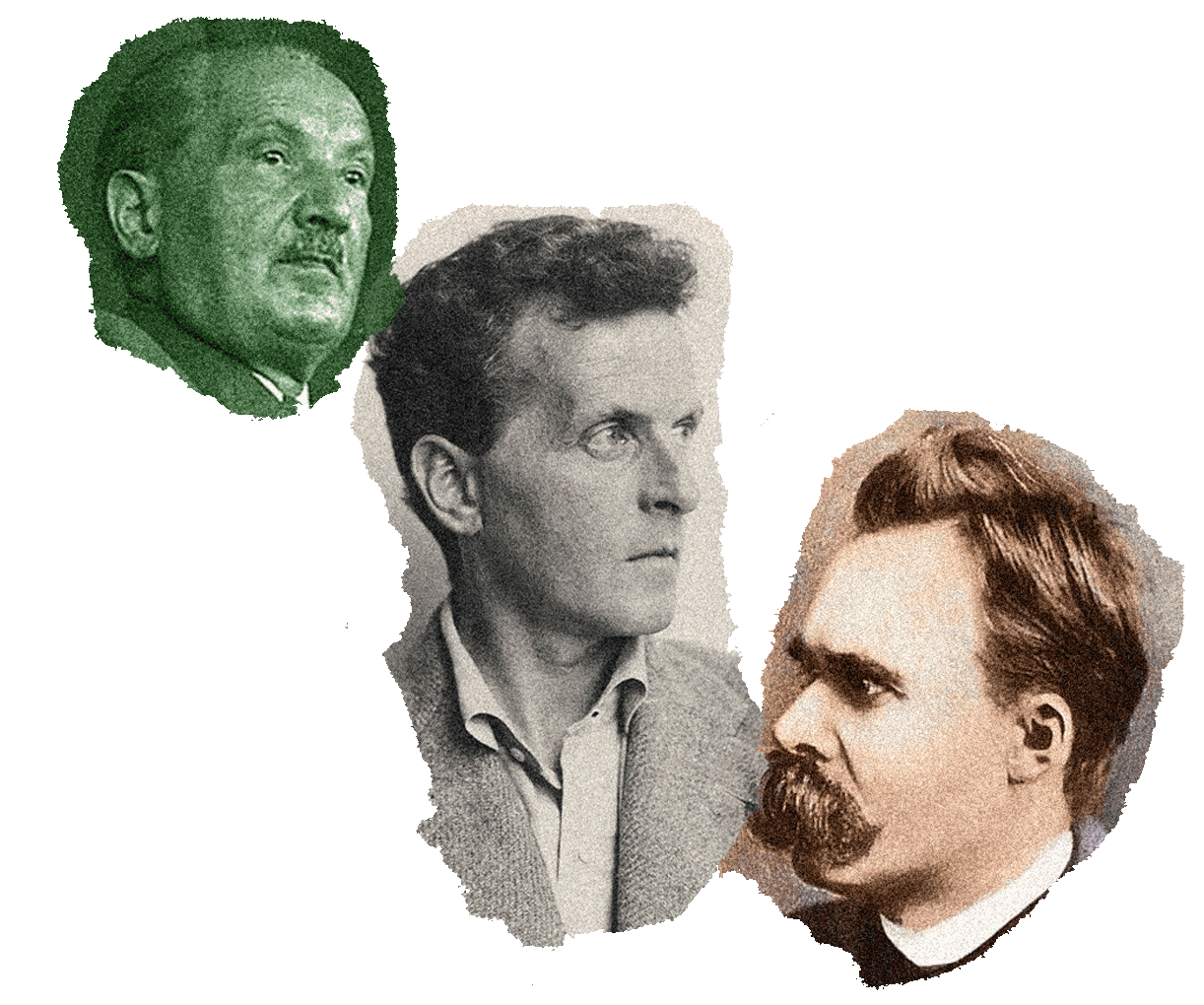
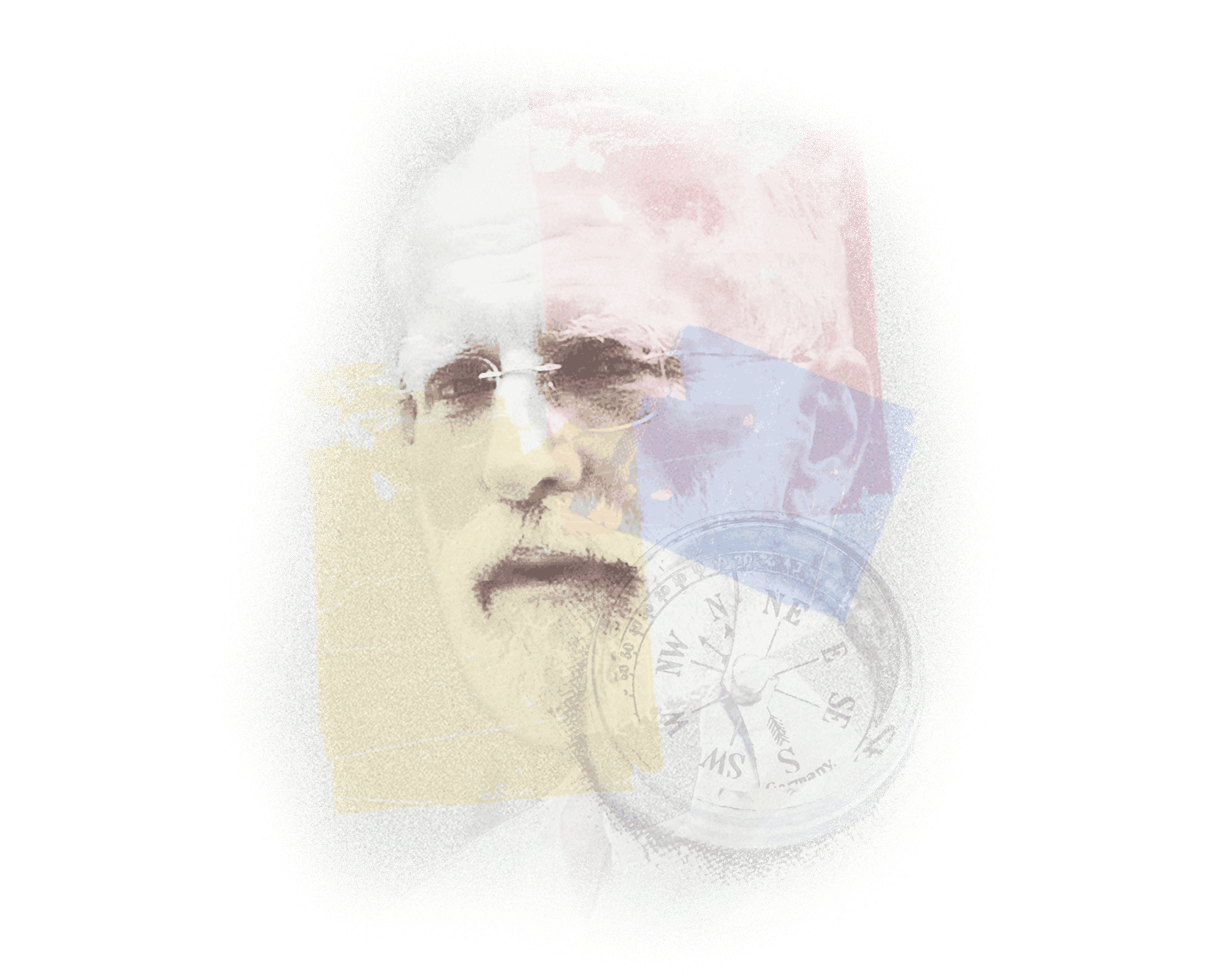
A fixed feature at the annual conference of the Nietzsche Gesellschaft [Nietzsche Society] conference is the Lectio Nietzscheana Naumburgensis: a particularly distinguished scholar delivering an extended lecture on the conference theme on the final day, thereby providing a pointed conclusion. The most recent conference in October 2025 awarded this special honor to Werner Stegmaier to recognize his long tenure as editor of the influential Nietzsche-Studien [Nietzsche Studies] and his authorship of numerous seminal monographs on Nietzsche’s philosophy. Running from October 16-19, 2025, the conference focused the theme “Nietzsche’s Technologies,” as Emma Schunack reported.
Generously granting his permission to publish his lecture in full and in this translation, Stegmaier takes on the conference theme from an unexpected perspective. Rather than examining what is commonly understood as “technologies”—machines, cyborgs, or automata—he explores instead Nietzsche’s philosophical techniques, both intellectual and rhetorical. Weighing up the original and idiosyncratic methods Nietzsche deployed while writing, Stegmaier reflects on how best to interpret and assess them. How were they able to enthuse and win over successive generations of readers? What can we learn from these today?
Comparing Nietzsche’s techniques with those of two other modern philosophical giants, Martin Heidegger (1889–1976) and Ludwig Wittgenstein (1889–1951), Stegmaier retraces all three philosophers’ break with the classical and conceptually oriented techniques of thinking inherited from antiquity, and their discoveries of radical and experimental means of developing philosophy in the age of “nihilism.” Replacing a one-dimensional, metaphysical understanding of rationality, these means cultivate a plural, perspectival mode of thought that necessarily relies on entirely different techniques. Situating Nietzsche’s methods within these broader developments in intellectual history, the Lectio establishes an utterly new framework for understanding his thought and its place within modern philosophy.
Translated by Henry Holland.
“Peace with Islam?”
Hiking with Nietzsche Through Glasgow’s Muslim Southside: Part II
“Peace with Islam?”
Wanderungen mit Nietzsche durch Glasgows muslimischen Süden: Teil 2

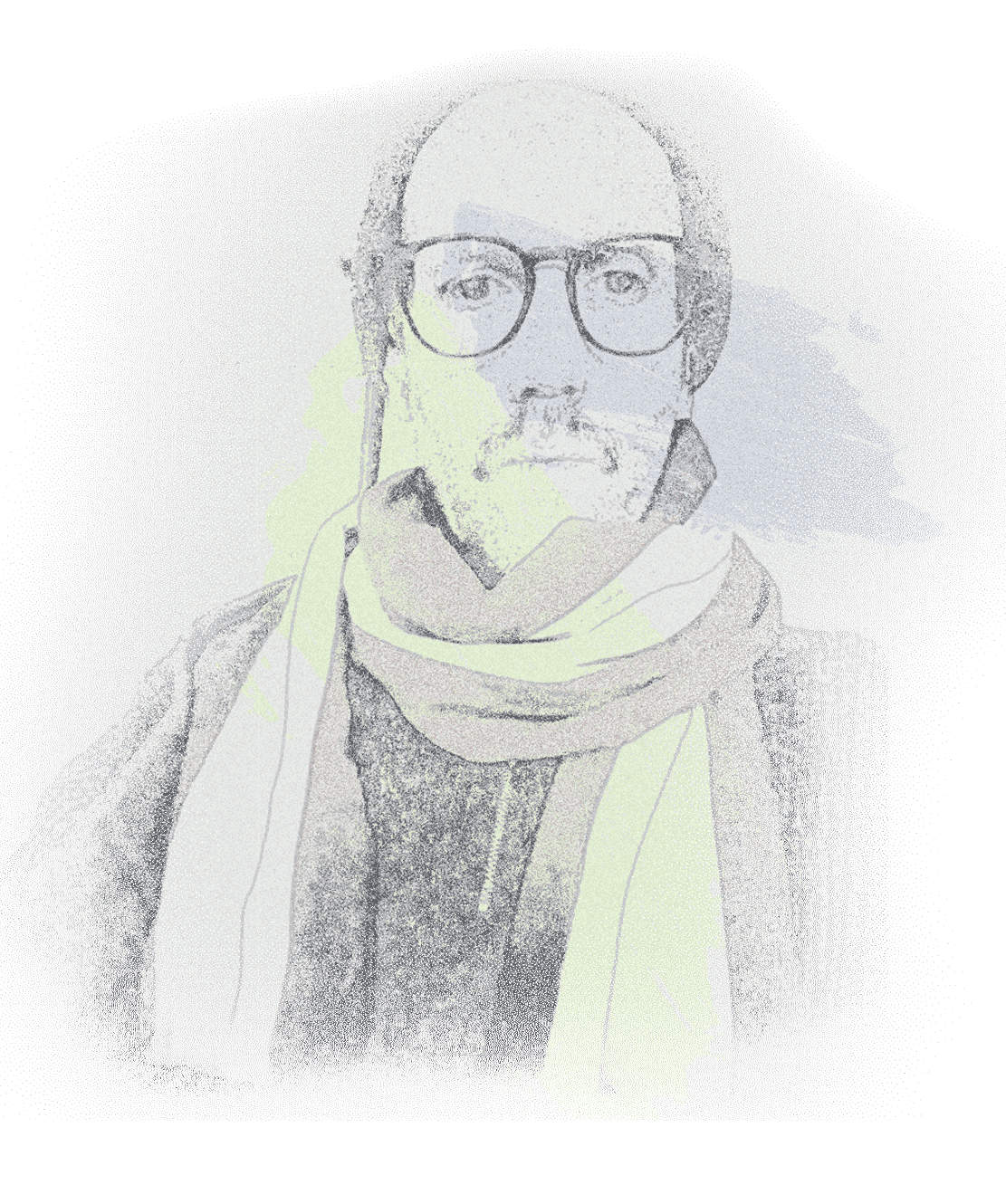
In the second part of his article on hiking through Glasgow’s Muslim-esque Southside, our staff writer Henry Holland delves into Nietzsche’s impassioned yet scattergun engagement with the youngest Abrahamic religion. He investigates how the experimental novel The Baphomet by French artist and theoretician Pierre Klossowski – which got him hooked on the Islam-Nietzsche intersection in the first place – blends Islam-inspired mysticism, sexual transgression and Nietzscheanism itself into an inimitable potion. With insights on Muslim-esque readings of Nietzsche in tow, Holland returns with Fatima and Ishmael to Scotland’s largest city, thus wrapping up his travelogue whence it began.
“Peace with Islam?”
Hiking with Nietzsche Through Glasgow’s Muslim Southside: Part I
“Peace with Islam?”
Hiking with Nietzsche Through Glasgow’s Muslim Southside: Part I

In this two-part essay, the ultimate part of our ‘Hikes with Nietzsche’ series (link) for the time being, staff writer Henry Holland retraces summer rambles around Glasgow’s Southside, the home of Scotland’s most concentrated Muslim population. In this first instalment, Holland introduces the research on Nietzsche’s engagement with Islam and his reception within the Islamic world. He recounts how stumbling upon a lecture by Timothy Winter on the French theoretician and artist Pierre Klossowski and his encounter with the faith of Muhammed made him curious about this subject in the first place. We then launch into a travel diary that leads our writer to the heart of one of the present-day’s most debated topics, the role that Islam plays in modern European societies.
Stuck Between the Monsters and the Depths
Wanderings Through Modern Nihilism in the Footsteps of Nietzsche and Kierkegaard — Part 2
Stuck Between the Monsters and the Depths
Wanderings Through Modern Nihilism in the Footsteps of Nietzsche and Kierkegaard — Part 2


In this two-part essay, Paul Stephan examines how Nietzsche uses the wanderer as a personification of modern nihilism. After he is in the first part (link) focused on the general cultural significance of movement metaphors and the metaphor of wandering in Nietzsche's important brother in spirit, the Danish philosopher Søren Kierkegaard, it will now primarily be about Nietzsche himself.
Stuck Between the Monsters and the Depths
Wanderings Through Modern Nihilism in the Footsteps of Nietzsche and Kierkegaard — Part 1
Stuck Between the Monsters and the Depths
Wanderings Through Modern Nihilism in the Footsteps of Nietzsche and Kierkegaard — Part 1


As in our series of articles”Hikes with Nietzsche“It has already been made clear that the metaphor of wandering plays a fundamental role in Nietzsche's work. In this two-part essay, Paul Stephan explores how Nietzsche uses the wanderer as a personification of modern nihilism and thus diversifies a central theme of cultural modernity, which can also be found in the writings of the Danish philosopher Søren Kierkegaard, who was born on May 5, 1813 in Copenhagen, where he also died on November 11, 1855.
The Monkeys Dance Inexplicably. Nietzsche and Contemporary Dance Culture
Reflection, Movement, Misery
The monkeys dance inexplicably. Nietzsche and contemporary dance culture
reflection, movement, misery


In addition to hiking, dancing is one of the most prominent soldiers in Nietzsche's “moving [m] army of metaphors, metonymies, anthropomorphisms.” Based on Nietzsche's reflections on the art of movement, Jonas Pohler explores the paramount importance that it plays in our present day. Is the effect of dance primarily sexual? What does dance have to do with technology? What symbolism is the dancing gesture able to convey?
Homesick for the Stars
Prolegomena of a Critique of Extraterrestrial Reason
Homesick for the Stars
Prolegomena of a Critique of Extraterrestrial Reason

On April 12, 1961, Soviet cosmonaut Yuri Gagarin achieved the unbelievable: He was the first person in history to leave the protective atmosphere of our home planet and circumnavigate the Earth in the Vostok 1 spaceship. In 2011, the anniversary of this “superhuman” act was declared International Manned Space Day. The stars aren't that far away anymore. With the technical progress achieved, the fantasy of expanding human civilization into space takes on concrete plausibility. The following text attempts to philosophically rhyme with these prospects and finally describes the approach of a possible space program from Nietzsche. Although airplanes didn't even exist during his lifetime, his concepts can still be applied to this topic in a productive way, as is so often the case.
Editorial note: We have explained some difficult technical terms in the footnotes.
On Dubious Paths ...
An Outline of Nietzsche's Concept of Wandering
On Dubious Paths ...
An Outline of Nietzsche's Concept of Wandering

Perhaps it is Nietzsche's main philosophical achievement that he described thinking as a process that happens in person. For him, reflection is a cooperative tension of body and mind. The mind is grounded in the nervous cosmopolitanism of the body. Nietzsche's conversion of Christianity: The flesh becomes word. This shows thinking in gestures. The following is intended to provide a sketch which indicates the main types of these reflexive gestures. This is intended to illustrate what it means when Nietzsche repeatedly describes himself as a wanderer. An intellectual tour that leads from standing and sitting as basic modes of traditional philosophy to walking, (out) wandering and halcyonic flying as Nietzsche's alternative modes of liberated thought and life.
Riveting Strangeness
Remarks on Kafka's Work
Riveting Strangeness
Remarks on Kafka's Work

Franz Kafka died 100 years ago. The following text is an attempt to update his work with a socio-psychological perspective inspired by Nietzsche. His thesis: Kafka narratingly shows what Nietzsche philosophizes about. Michael Meyer-Albert wants to promote the logic of a non-naive world enlightenment in the fictions of one of the most important authors of modern times: affirmation of life instead of suicide.
Editorial note: We have explained some difficult technical terms in the footnotes.
Fleeing the State: Kafka and Nietzsche’s Human
Or: Becoming-woman after Deleuze & Guattari
Fleeing the State: Kafka and Nietzsche’s Human
Or: Becoming-woman after Deleuze & Guattari


Kafka and Nietzsche are united by their confrontation with the state and bureaucracy. Deleuze & Guattari, whose works are based on both, develop an apolitical response to the fatal political situation, namely transformations after Kafka, an expansion of themselves to Nietzsche, which can be understood as escape lines from a patronizing society.
A Philosophical Serenade About Grayness
A Summer Evening with Sloterdijk at Gütchenpark in Halle
A Philosophical Serenade About Grayness
A Summer Evening with Sloterdijk at Gütchenpark in Halle

One of the most important philosophers of our time, Peter Sloterdijk (born 1947), visited Halle at the beginning of July. The thinker, who was heavily influenced by Nietzsche, shared his thoughts about “gray” there and impressively showed the heights to which philosophy can rise.
Look, I'm Teaching You the Transhumanist
Friedrich Nietzsche as a Personal Trainer of Extropianism
Look, I'm Teaching You the Transhumanist
Friedrich Nietzsche as a Personal Trainer of Extropianism

After Natalie Schulte reported on the echo of Nietzsche's “superman” idea in the start-up scene last week (Link), Swiss art scholar Jörg Scheller is dedicating this week to her continued existence in extropianism, a subtype of transhumanism that aims to artificially accelerate human evolution on both individual and genre levels using modern technology. The physical law of “entropy,” according to which there is a tendency in closed systems to equalize all energy differences until a state of equilibrium has been established — a state of complete cooling in terms of the universe — is opposed by the proponents of this flow with the principle of “extropy,” the increasing vitality of a system.
In the House of Semblance
Preludes on the Connection Between Architecture and Thought in Nietzsche with Constant Reference to a Book by Stephen Griek. A Review
In the House of Semblance
Preludes on the Connection Between Architecture and Thought in Nietzsche with Constant Reference to a Book by Stephen Griek. A Review

A fruitful method within philosophy can be addressed seemingly minor, everyday topics. For example, the relationship between thinking and architecture, as this text is based on the newly published book Nietzsche's architecture of the discerning By Stephen Griek tried to show. With Nietzsche in mind, according to Michael Meyer-Albert, protecting a dwelling — both literally and figuratively — from the chaos of reality is essential for a successful world relationship. He neglects this in Greek's post-modern approach, which aims at maximum openness and wants to replace clear spatial structures with diffuse nomadic networks. Architecture as an art of non-violent rooting thus becomes unthinkable; the “house of appearance” that supports human existence collapses.
The Enlightenment’s Twilight
Nietzsche's Truth of Semblance II
The Enlightenment’s Twilight
Nietzsche's Truth of Semblance II

After Michael Meyer-Albert in the first part of his text Telling the sad story of the self-doubt of the Enlightenment, he now reports on Nietzsche's “cheerful science” as an alternative.
The Enlightenment’s Twilight
Nietzsche's Truth of Semblance I
The Enlightenment’s Twilight
Nietzsche's Truth of Semblance I

Nietzsche's best-known formulation, according to which God is dead, not only shows an anti-religious thrust. In particular, it points out that in modern times, constitutive self-evident elements no longer have traditional validity. As the cultural understanding of truth has faltered, not only has this or that truth become questionable, but the understanding of what truth actually is. This puts enlightenment under pressure to find the questions to which it should be the answer. It is this abyss of uncanny questionability from which Nietzsche's thinking attempts to show ways out that are viable. In the first part of his text Enlightenment Twilight Michael Meyer-Albert talks about the clarified doubts of the Enlightenment about itself.
Deciding to Serve Life
An Essay on the Meaning of Nietzsche's Philosophy
Deciding to Serve Life
An Essay on the Meaning of Nietzsche's Philosophy
Nietzsche is generally regarded as a literary philosopher whose aphoristic nihilisms not only conjure up the death of God, but who also reinforced the dark sides of German history as a posthumous master thinker. In contrast, the following text would like to be part of the series What does Nietzsche mean to me? invite you to learn to read Nietzsche anew as the discoverer of the all-too-unknown philosophical continent of Mediterranean existentialism.
Menke Fascinates.
Is Liberation Fascination?
Menke Fascinates.
Is Liberation Fascination?


In his recently published study Theory of Liberation [Theorie der Befreiung]Frankfurt philosopher Christoph Menke describes liberation as “fascination,” as pleasurable desubjectization and dedication. He refers decisively to Nietzsche — but for him, “fascination” means bewitching, entanglement in lack of freedom and resentment. Can the mystical power of fascination really set us free — or is it not rather Nietzsche's right and liberation means above all self-empowerment and autonomy, whereas the fascinated sacrifice means submission, not least to a fascist leader?