#
agriculture
The Postmodern Forest
How the Forest Subverts Modernity's Totalizing Claim
The Postmodern Forest
How the Forest Subverts Modernity's Totalizing Claim

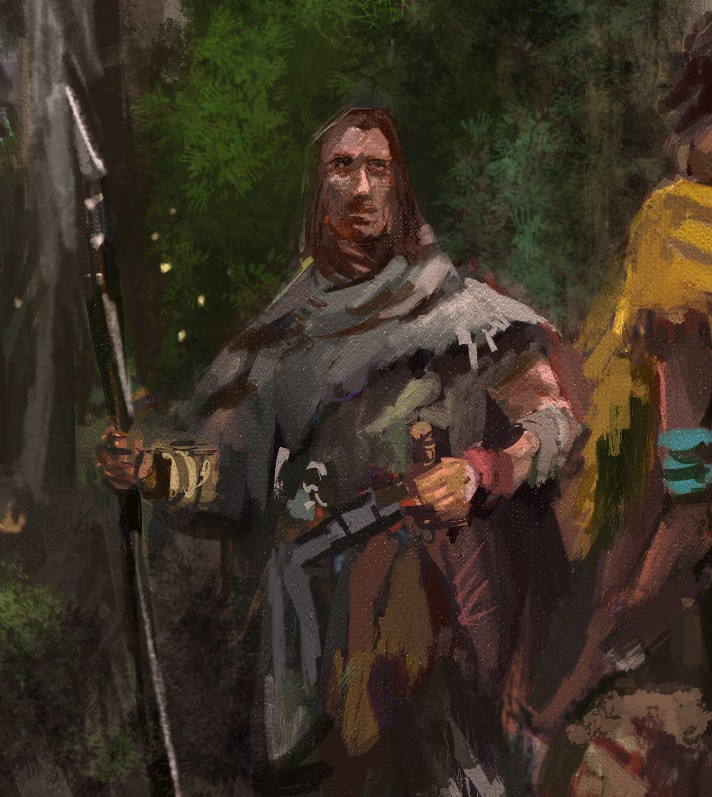
Forests are trending. And this is by no means contradictory to another, even larger trend of our time: digitalization. In this article, Mandus Craiss demonstrates that the forest is a network. Digitalization also occurs in a network-like manner; both phenomena are therefore characteristic of postmodernism.
In the first part of the article, the forest is characterized as a non-centralized and thus typically postmodern natural phenomenon. The second part defines "postmodernity" and discusses the extent to which this epochal concept is still, or once again, relevant – a discourse whose very early roots can be traced back to Nietzsche. Finally, the third part explains how the network aspect of postmodernity manifests itself and how the human-forest relationship has evolved recently.
This article is part of our special series this year "the forest as a livelihood".
‘She’s called Fränzschen! She’s called Fränzschen!’
On the Early Life, and Embattled Demise, of Franziska Nietzsche
‘She’s called Fränzschen! She’s called Fränzschen!’
On the Early Life, and Embattled Demise, of Franziska Nietzsche
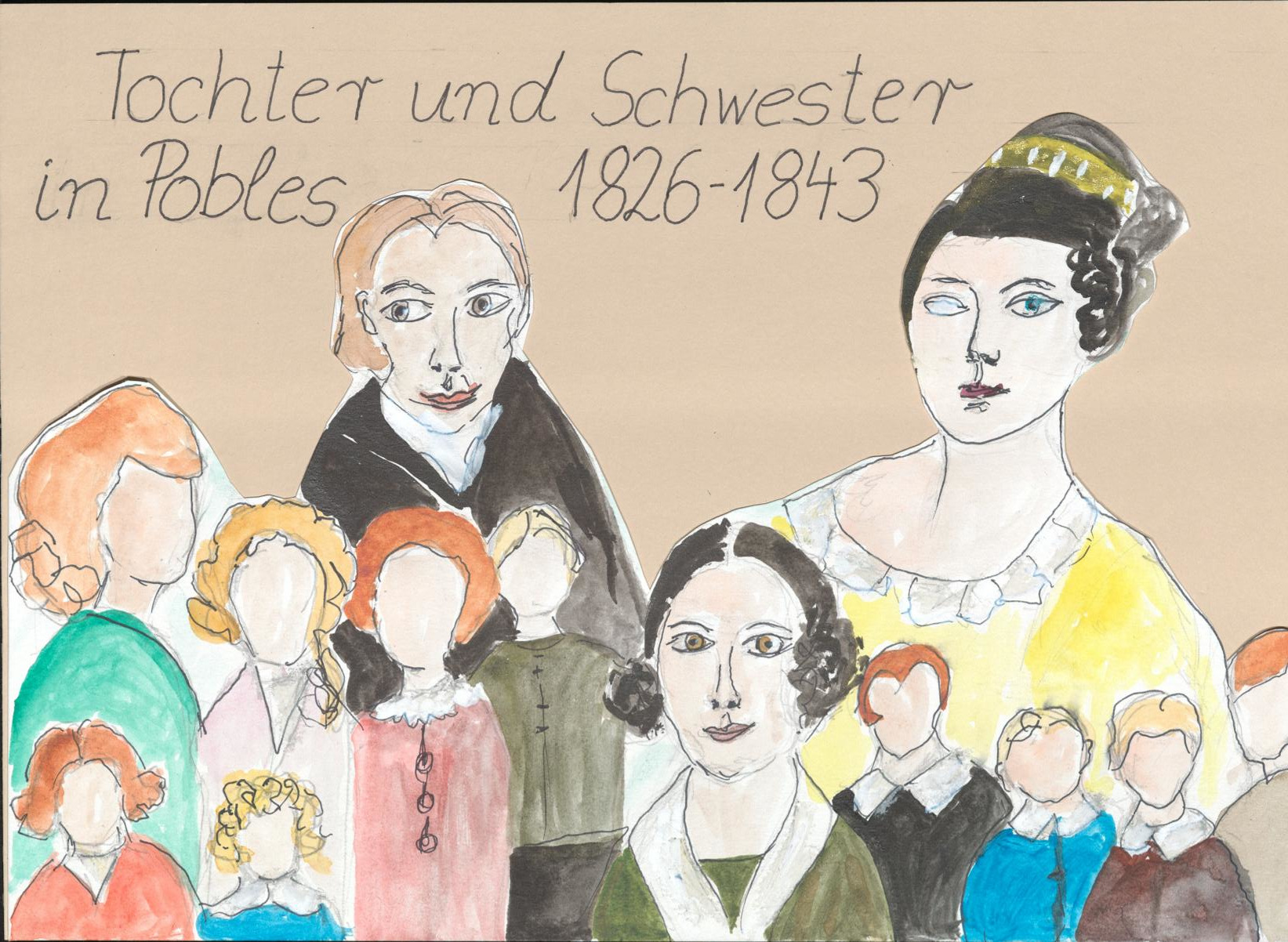
For Mother’s Day this year, two of our regular contributors are dedicating articles to an often-forgotten figure from the Nietzscheverse, without whom the philosopher would not have existed: his mother, Franziska Ernestine Rosaura Nietzsche, née Oehler. The pastor's daughter was born on February 2, 1826, and died on April 20, 1897, just a few years before her son, whose mental illness was by that stage so developed that he probably didn’t notice his mum’s death. Who was this woman? How did she shape and influence Friedrich Nietzsche?
In this first part of our small series, Henry Holland reports on her life and origins, while, in part two, Natalie Schulte will delve deeper into her relationship with her son, and the question of how it coloured his writing and thinking about women.
What were the decisive factors that shaped Franziska Nietzsche's life? How could she, a woman in a world thoroughly defined by patriarchal structures, who never pursued paid employment, achieve a certain degree of self-determination? How did she cope with the traumatic early death of her husband? How religious was she? An often-neglected autobiographical fragment, written shortly before her death, sheds new light on her life.
Abyss and Enablement?
The Suspense of Contingency
Johannes Hansmann Discusses Odo Marquard and Richard Rorty
Abyss and Enablement? The Suspense of Contingency
Johannes Hansmann Discusses Odo Marquard and Richard Rorty


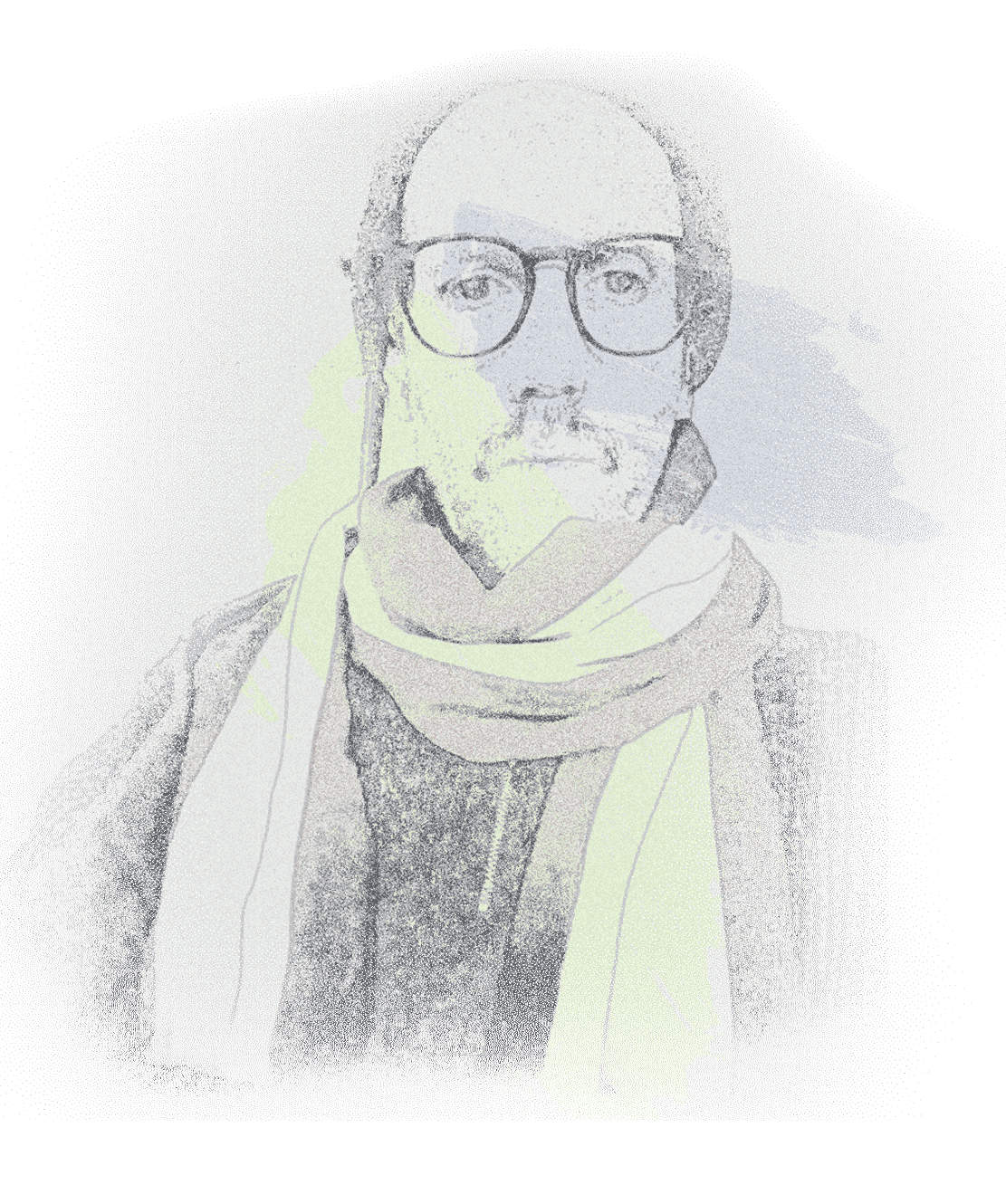
The young philosopher Johannes Hansmann has published his monograph Ironie des Schicksals im Einzelnen. Philosophie der Kontingenz bei Marquard und Rorty ("Irony and Fate in Detail. The Philosophy of Contingency in Marquard and Rorty") last year at Karl Alber. It is a remarkable study on two of the most important representatives of existential philosophy in the 20th century, the German Odo Marquard (1928-2015) and the American Richard Rorty (1931-2007). Although Nietzsche only plays a minor role, he deals with highly Nietzschean topics there, dedicates himself to the question of a felicitous — and for him that means in particular: authentic — life in a world after the “death of God,” to which Marquard and Rorty gave very different answers. Natalie Schulte and Paul Stephan present the book to you. A joint summary of the book's most important ideas is followed by an individual statement from each of our authors.