#
Meta von Salis
"I confess that the deepest objection to the 'eternal return', my actually abysmal thought, is always mother and sister."1
On Nietzsche's Relationship with his Mother. Mother's Day Greetings
"I confess that the deepest objection to the 'eternal return', my actually abysmal thought, is always mother and sister."
On Nietzsche's Relationship with his Mother. Mother's Day Greetings
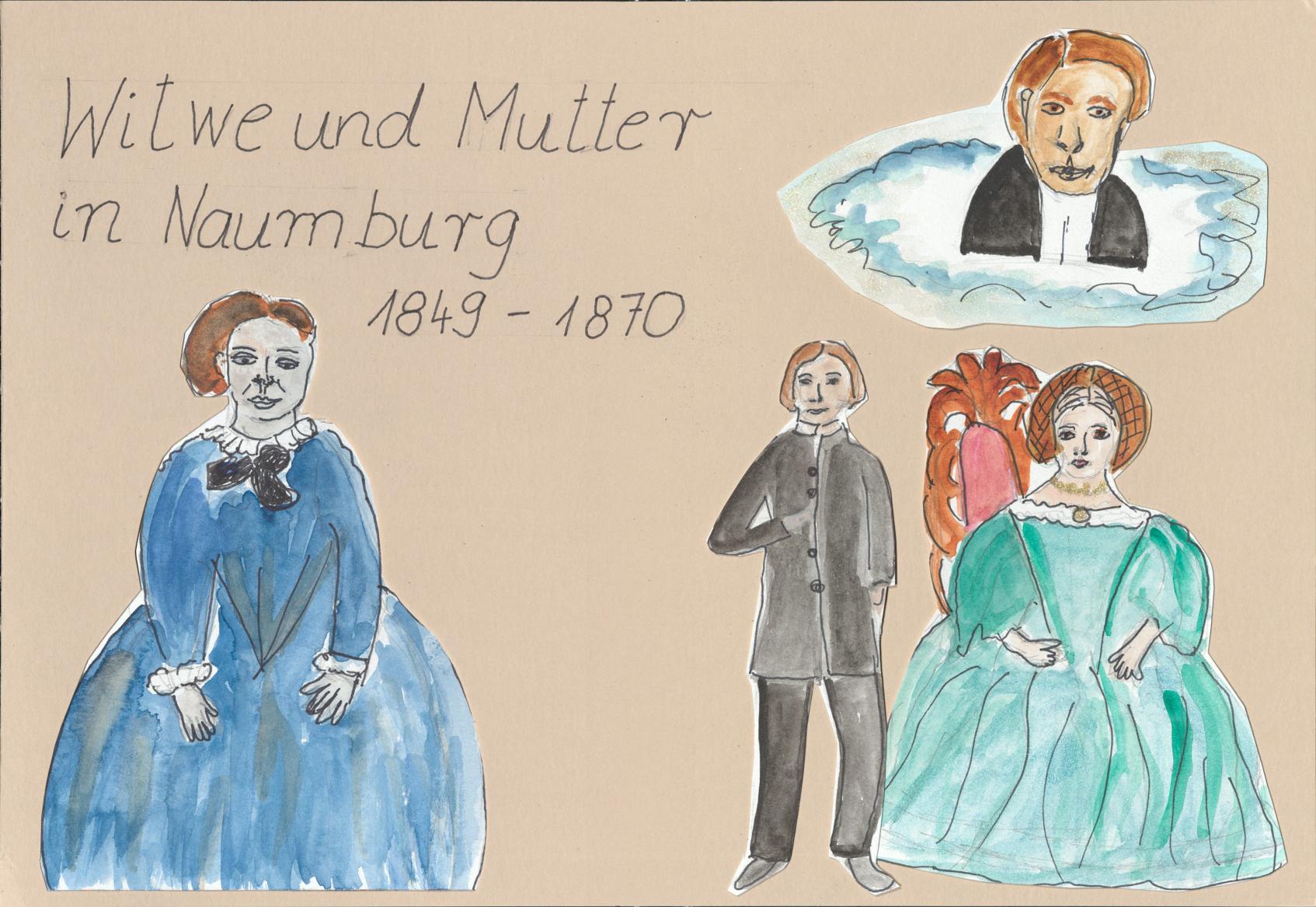

Nietzsche's philosophy is regarded as an act of self-liberation — but even the superman remained powerless against his own family. This essay highlights the pathological tension between the lonely thinker and the “canaille” relatives, mother Franziska Nietzsche and sister Elisabeth Förster-Nietzsche. While the philosopher (de)constructs “woman in itself” as flat, independent and mindless in his writings, he also has stockings stuffed and sausage boxes sent from Naumburg. An essay about the deepest objection to eternal return: one's own kinship.
This is the second part of a small series for this year's Mother's Day. In first part Henry Holland wrote about Franziska Nietzsche's life with a particular focus on her time before Nietzsche and her last years.
‘She’s called Fränzschen! She’s called Fränzschen!’
On the Early Life, and Embattled Demise, of Franziska Nietzsche
‘She’s called Fränzschen! She’s called Fränzschen!’
On the Early Life, and Embattled Demise, of Franziska Nietzsche
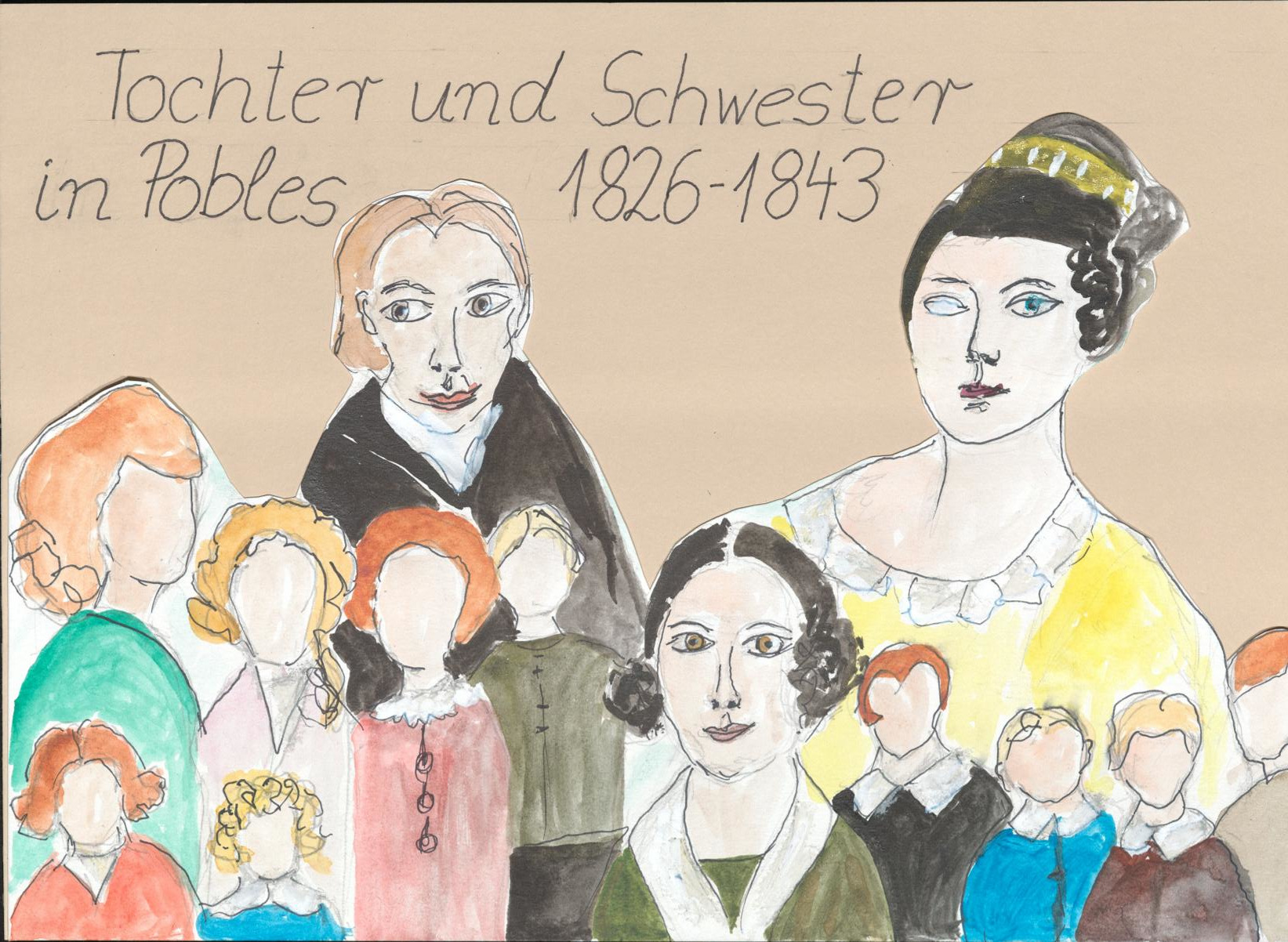
For Mother’s Day this year, two of our regular contributors are dedicating articles to an often-forgotten figure from the Nietzscheverse, without whom the philosopher would not have existed: his mother, Franziska Ernestine Rosaura Nietzsche, née Oehler. The pastor's daughter was born on February 2, 1826, and died on April 20, 1897, just a few years before her son, whose mental illness was by that stage so developed that he probably didn’t notice his mum’s death. Who was this woman? How did she shape and influence Friedrich Nietzsche?
In this first part of our small series, Henry Holland reports on her life and origins, while, in part two, Natalie Schulte will delve deeper into her relationship with her son, and the question of how it coloured his writing and thinking about women.
What were the decisive factors that shaped Franziska Nietzsche's life? How could she, a woman in a world thoroughly defined by patriarchal structures, who never pursued paid employment, achieve a certain degree of self-determination? How did she cope with the traumatic early death of her husband? How religious was she? An often-neglected autobiographical fragment, written shortly before her death, sheds new light on her life.
Dionysus Without Eros
Was Nietzsche an Incel?
Dionysus Without Eros
Was Nietzsche an Incel?
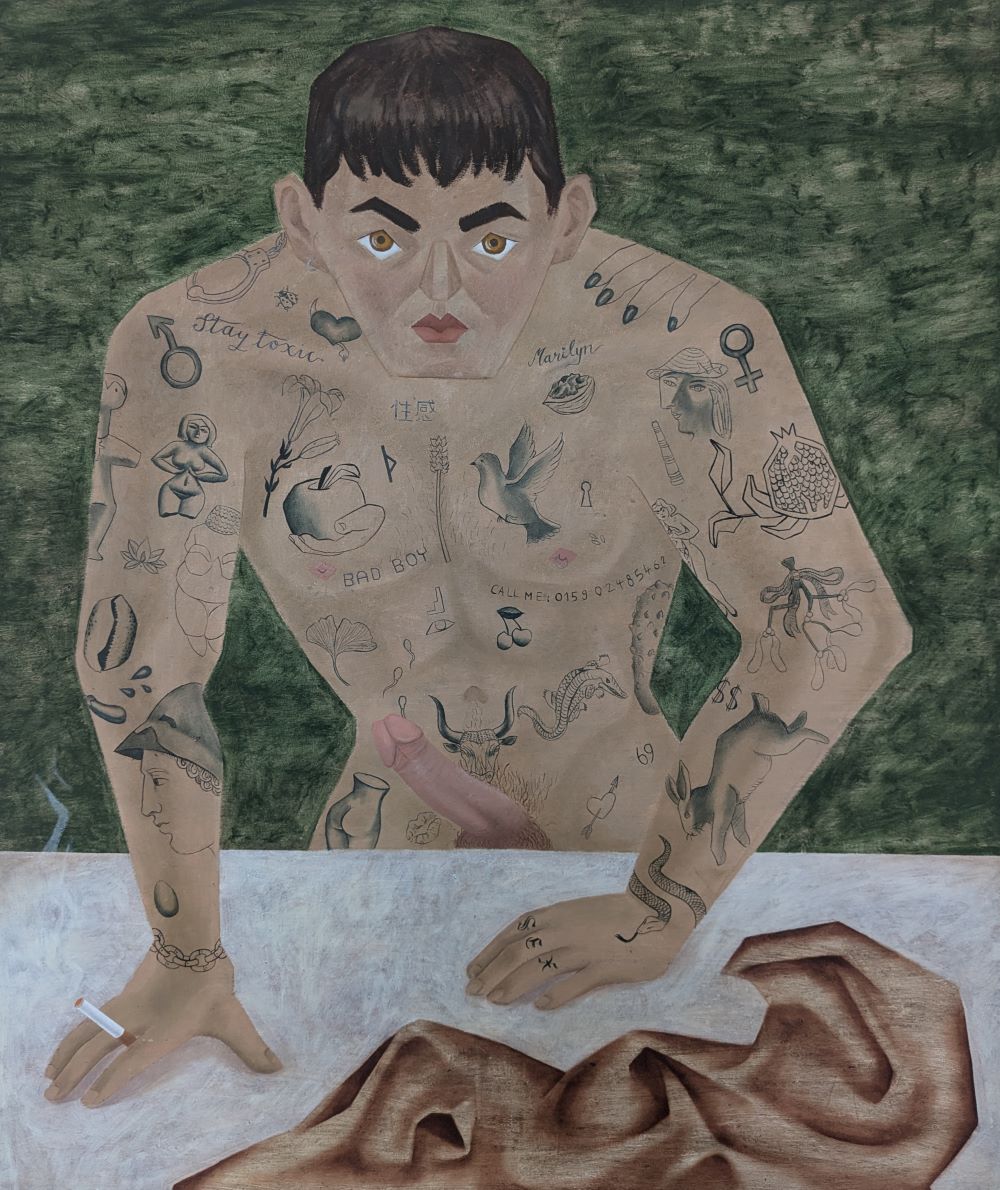

It is well known that Nietzsche had a hard time with women. His sexual orientation and activity are still riddled with mystery and speculation today. Time and again, this question inspired artists of both genders to create provocatively mocking representations. Can he possibly be described as an “incel”? As an involuntary bachelor, in the spirit of today's debate about the misogynistic “incel movement”? Christian Saehrendt explores this question and tries to shed light on Nietzsche's complicated relationship with the “second sex.”