#
Odo Marquard
“How Well Disposed Would You Have to Become to Yourself and to Life”
Prolegomena to Any Future Philosophy That Will Be Able to Present Itself as an Enlightenment — Part I
"How Well Disposed Would You Have to Become to Yourself and to Life"
Prolegomena to any future philosophy that may arise as an Enlightenment — Part I
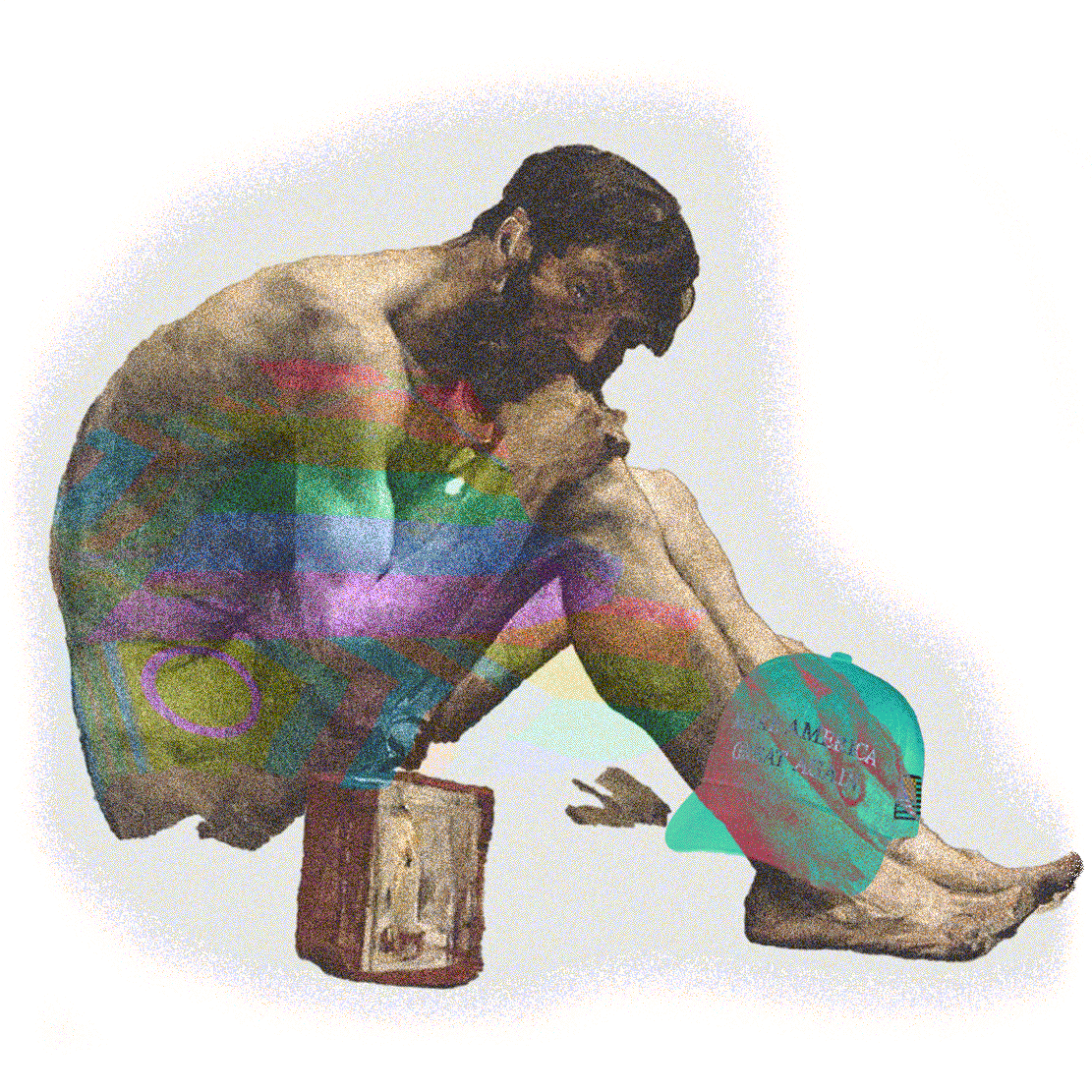
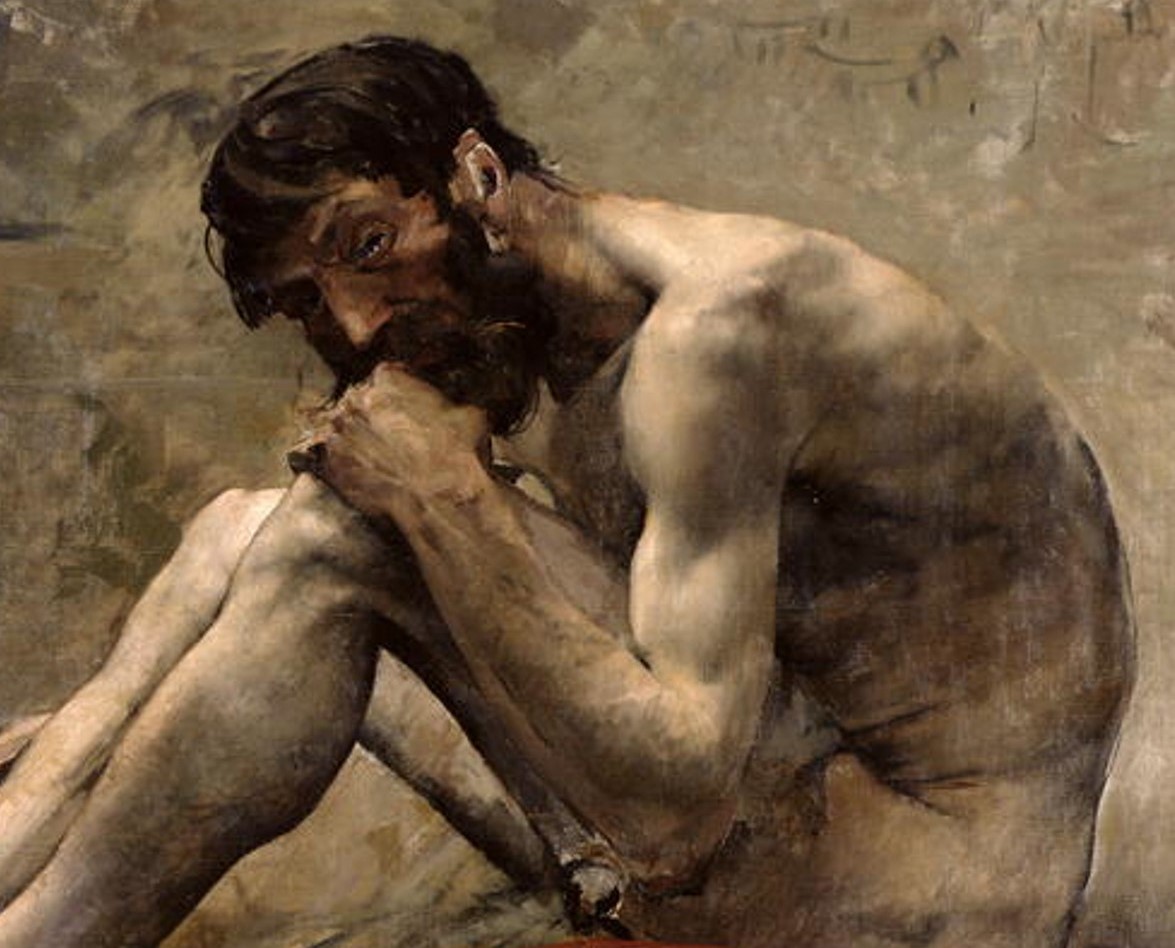
The following text explores the hypothesis that every philosophy of the zeitgeist finds its onset at something that bothers it: in the beginning, there was disgruntlement. This something is interpreted here as an illiberally disgruntled enlightenment, which is embodied in the current “polarization.” With Francis Fukuyama's help, this trail is explored and the drama of the recognition of modern Enlightenment is described.
The philosopher Fukuyama, born in Chicago in 1952, is primarily known for his essay The End of History? from 19891. There, he held that the “end of history” assumed by Hegel had finally arrived with the looming collapse of the Soviet Union. He saw the triumphant liberal Western democracies as the final stage of the process of historical progress. In 1992, Fukuyama published his main work based on this essay: The End of History and the Last Man, in which he combines Hegel's thesis with Nietzsche's diagnosis of the “last man.” Our author is also referring to this book. It caused controversial debates worldwide and continues to provoke today. — Do we really live after the “end of history”? Our author agrees with Fukuyama: While with the form of liberal democracy a final embodiment of the course of history has been achieved, history has been continuing as a conflict within this embodiment. World history has become history of liberalism.
Abyss and Enablement?
The Suspense of Contingency
Johannes Hansmann Discusses Odo Marquard and Richard Rorty
Abyss and Enablement? The Suspense of Contingency
Johannes Hansmann Discusses Odo Marquard and Richard Rorty


The young philosopher Johannes Hansmann has published his monograph Ironie des Schicksals im Einzelnen. Philosophie der Kontingenz bei Marquard und Rorty ("Irony and Fate in Detail. The Philosophy of Contingency in Marquard and Rorty") last year at Karl Alber. It is a remarkable study on two of the most important representatives of existential philosophy in the 20th century, the German Odo Marquard (1928-2015) and the American Richard Rorty (1931-2007). Although Nietzsche only plays a minor role, he deals with highly Nietzschean topics there, dedicates himself to the question of a felicitous — and for him that means in particular: authentic — life in a world after the “death of God,” to which Marquard and Rorty gave very different answers. Natalie Schulte and Paul Stephan present the book to you. A joint summary of the book's most important ideas is followed by an individual statement from each of our authors.
Look, I'm Teaching You the Transhumanist
Friedrich Nietzsche as a Personal Trainer of Extropianism
Look, I'm Teaching You the Transhumanist
Friedrich Nietzsche as a Personal Trainer of Extropianism


After Natalie Schulte reported on the echo of Nietzsche's “superman” idea in the start-up scene last week (Link), Swiss art scholar Jörg Scheller is dedicating this week to her continued existence in extropianism, a subtype of transhumanism that aims to artificially accelerate human evolution on both individual and genre levels using modern technology. The physical law of “entropy,” according to which there is a tendency in closed systems to equalize all energy differences until a state of equilibrium has been established — a state of complete cooling in terms of the universe — is opposed by the proponents of this flow with the principle of “extropy,” the increasing vitality of a system.