#
Sebastian Kaufmann
Peace through Strength
Nietzsche's Perspective on Negotiated Power and Armed Peace
Peace from Strength
Nietzsche's Perspective on Negotiated Power and Armed Peace
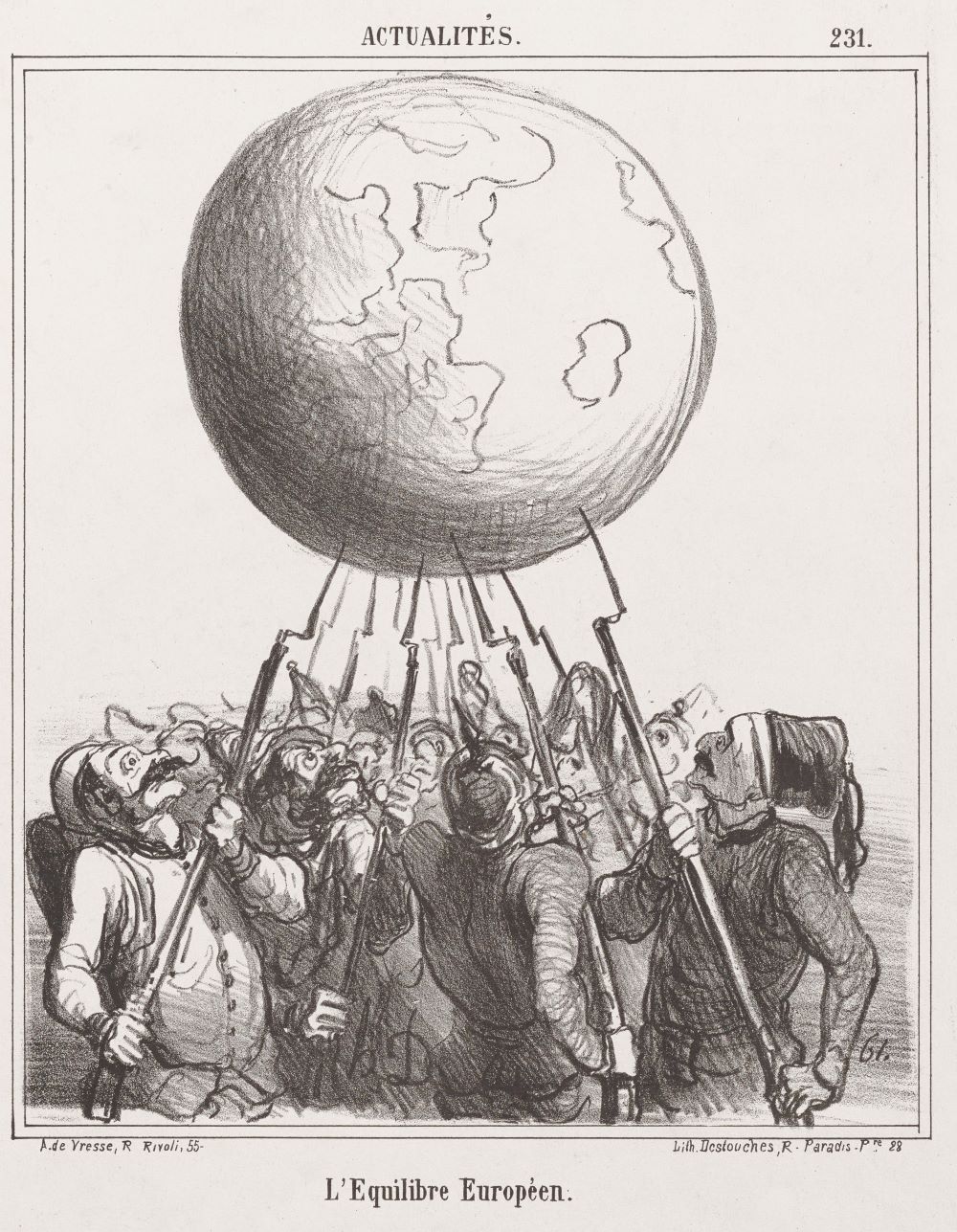

War in Europe was considered unthinkable for a long time — until it became a reality. But how can peace be thought of when normative guarantees fail? What if there are a few powerful and many weak players? Friedrich Nietzsche devised a surprisingly timely answer in 1879: Peace is not a sign of weakness, but an actively negotiated balance of power. He showed how a stable peace obliges all actors to build up their own strength. Nietzsche's transformation from an advocate of war to a thinker of peace based on strength is an admonition — also and especially to the weaker.
The Will to Commentary
A Report on This Year's Nietzsche Society Meeting
The Will to Commentary
A Report on This Year's Nietzsche Society Meeting


The almost complete Freiburg Nietzsche commentary has now become an indispensable tool for Nietzsche research. In meticulous detail work, the authors compiled useful information on almost all aspects of Nietzsche's works (history of origin, sources, allusions, receptions, interpretations...) and commented on them passage by passage, sometimes sentence by sentence and word by word. Almost all of the volumes published so far are available free of charge on the de Gruyter Verlag website (link). Even laymen will find a real treasure trove of background information and explanations here. The three leading employees of the project — its long-time manager Andreas Urs Sommer, Katharina Grätz and Sebastian Kaufmann — took the opportunity to dedicate this year's annual meeting of the Nietzsche Society to the topic of “Commenting on Nietzsche.” They were not only looking back, but also looking ahead.
What Does Nietzsche Mean to Me?
What Does Nietzsche Mean to Me?


Our regular author Christian Saehrendt reports in his contribution to the series “What does Nietzsche mean to me? “about how he discovered Nietzsche as a teenager and has regarded himself as a fan of the philosopher ever since — precisely because of his contrariness.