#
Volker Caysa
The Atheist as Overtrainer
Nietzsche and the New Devoutness in Sports
The Atheist as Overtrainer
Nietzsche and the New Devoutness in Sports
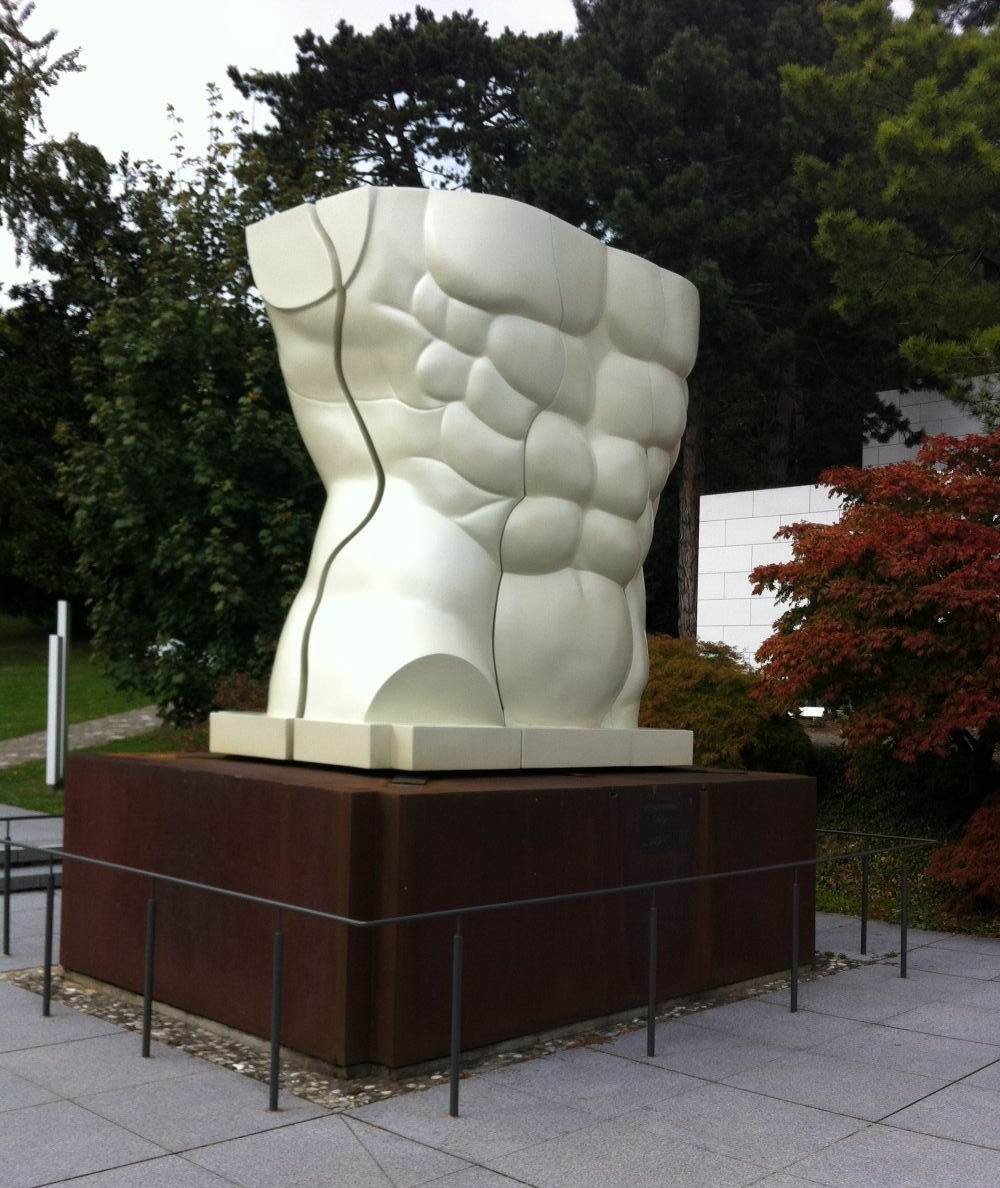

More and more professional athletes are openly embracing their religious faith – and some even cite Nietzsche as a source of ideological motivation. What is behind the Nietzsche worship among some athletes? Is Nietzsche really suitable as a motivator for physical training? And: Is the well-known atheist Nietzsche a better coach than God?
Nietzsche, Comedy, and the Art of the Edge
A Conversation with Sandra Schmidt
Nietzsche, Comedy, and the Art of the Edge
A Conversation with Sandra Schmidt
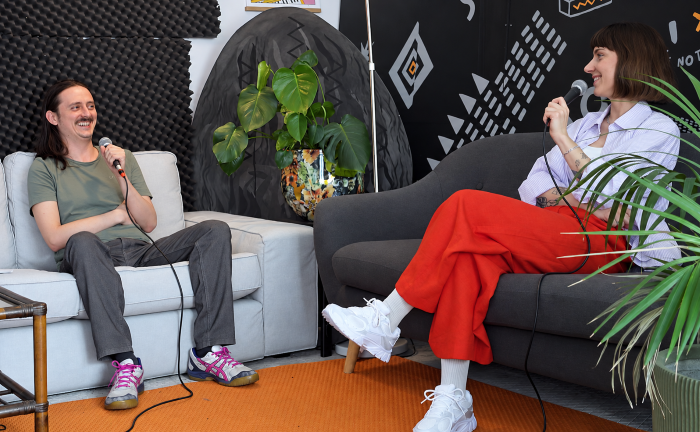

Nietzsche is a master of provocation and the punchline. In the court jester, he identifies a figure who cannot conform and therefore tells the powerful truths they would otherwise rarely hear—while simultaneously making them laugh. Can we draw a parallel here to modern stand-up comedy? How do stance and craft come together in this context? What influence do the stage, the audience, and social media have on what is perceived as funny, and when and where that happens? And who are the powerful of today, anyway: political leaders, societal majorities, or algorithms?
Our author Bernhard Ostheimer met with comedian and PhD philosopher Sandra Schmidt to talk about Nietzsche, the craft of comedy, and the art of pushing boundaries without losing touch with the audience.
You can also watch a longer, unedited version of the conversation on YouTube or listen to it on SoundCloud.