#
Berlin
“A Question of Context”
Thoughts and Memories of Alexander Kluge
“A Question of Context”
Thoughts and Memories of Alexander Kluge
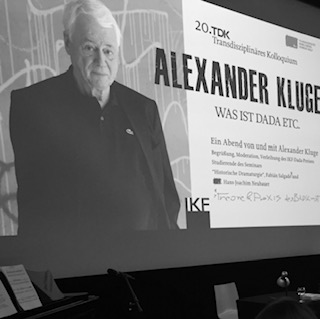
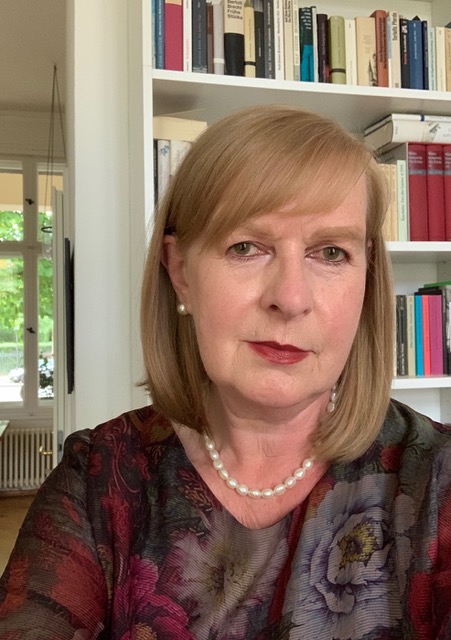
The filmmaker, writer, lawyer, and philosopher Alexander Kluge, born in 1932, died on March 25. Kluge, who became known to a large audience not least through his films and his artistic television interviews, was repeatedly inspired by Nietzsche. In his diverse work, he not only dedicated himself decisively to him, but also followed a profoundly Nietzschean, perspectivist approach throughout his life. That should be reason enough to dedicate an obituary to him on our blog, which art historian and curator Barbara Straka thankfully wrote for us.
“It is no longer about monumentalization! Artists today want to make Nietzsche human so that one can deal with him in a new way.”
Interview with Barbara Straka about Her Book Nietzsche Forever?
Discussion with Barbara Straka
Interview with Barbara Straka about Her Book Nietzsche Forever?
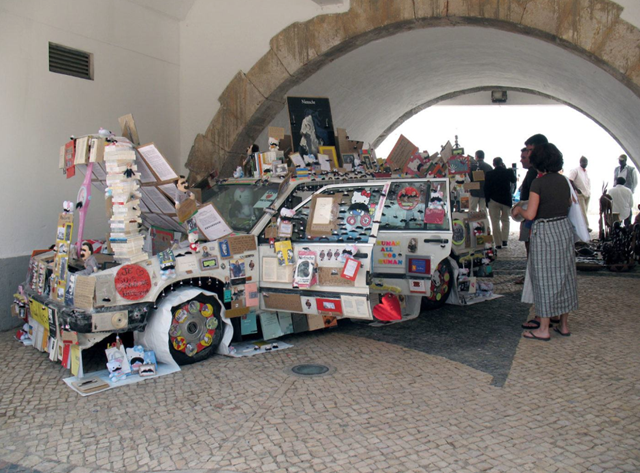
Last year, curator and art historian Barbara Straka published a two-volume monograph entitled Nietzsche forever? Friedrich Nietzsches Transfigurationen in der zeitgenössischen Kunst (Nietzsche Forever? Friedrich Nietzsche's Transfigurations in Contemporary Art), in which she explains Nietzsche's significance for the visual arts of the present day. After Michael Meyer-Albert dedicated a two-part review to her work in recent weeks (part 1, part 2), here follows an interview conducted by our author Jonas Pohler with the author in Potsdam. He discussed her book with her, but also about the not always easy relationship between philosophy and contemporary art.
“Smooth ice.
A paradise.
For the
who knows how to dance well!”1
Nietzsche and Techno
Nietzsche and Techno
Nietzsche and Techno


“Techno” — the show of the same name at the Swiss National Museum in Zurich, with traveling exhibitions by the Goethe-Institut and publications in German-speaking countries is currently honoring a once-subcultural movement that became a mass phenomenon in the 1990s with the Berlin Love Parade and continues to live on in Zurich's Street Parade today. Did techno offer (or offer) the Dionysian cultural experience that Nietzsche celebrated in his writings? Would Nietzsche have been a raver?