#
Interviews
Nietzsche and North America
An Interview with Willow Verkerk
Nietzsche and North America
An Interview with Willow Verkerk
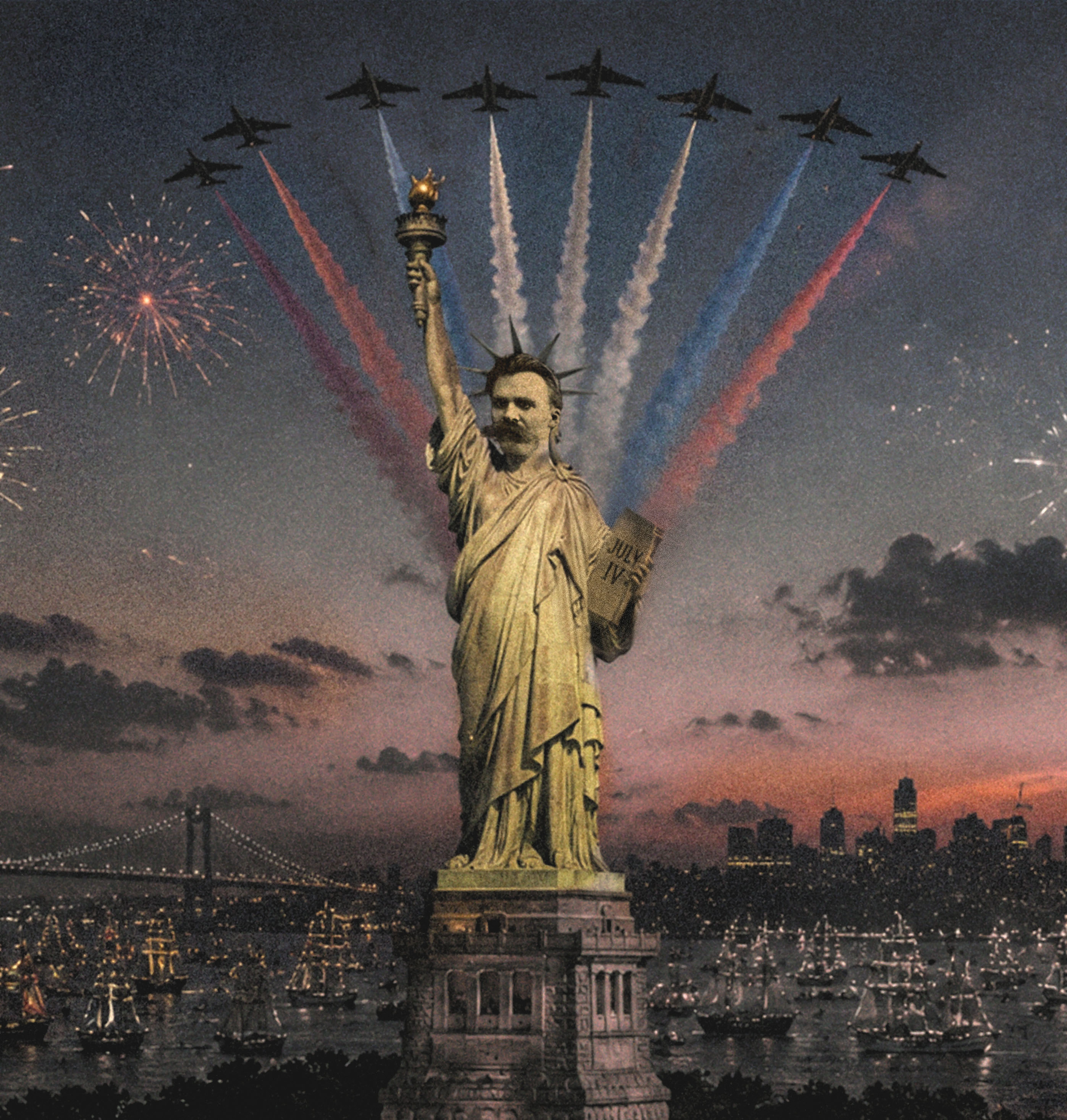
Exactly 250 years ago, on the 4th of July 1776, thirteen North American British colonies declared their independence from the mother country, soon thereafter forming one of the first modern democratic republics of the world, the United States of America. We took this anniversary as an occasion to speak with the Canadian Nietzsche scholar Willow Verkerk about the different approaches to Nietzsche in Europe and North America. To what extent is this thinker, so deeply embedded in European culture, read differently “here” to “there”? What does this tell about general cultural differences between Europe and its erstwhile colonies on the other side of the ocean? And what did Nietzsche himself think about the “New World”?
On Life in Freedom
A Conversation with Jens Bonnemann about Sartre and Nietzsche
On Life in Freedom
A Conversation with Jens Bonnemann about Sartre and Nietzsche

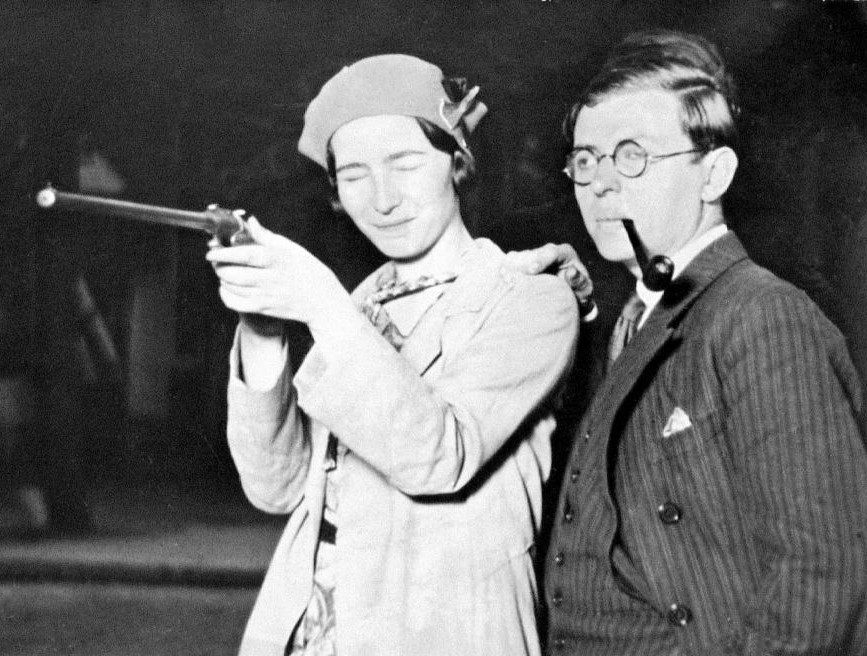
On April 15, 1980, one of the most important philosophers of the 20th century, Jean-Paul Sartre, died at the age of 74. Paul Stephan spoke with Jens Bonnemann, chairman of the German-speaking Sartre-Gesellschaft, about his basic ideas, his relationship with Nietzsche and his significance for our time. What does it mean to live in freedom after the “death of God”? What are the limits of individual freedom? What are the differences and similarities between Sartre and Nietzsche?
You can also view the unedited version of the conversation, in German, on YouTube and listen to it on Soundcloud.
“It is no longer about monumentalization! Artists today want to make Nietzsche human so that one can deal with him in a new way.”
Interview with Barbara Straka about Her Book Nietzsche Forever?
Discussion with Barbara Straka
Interview with Barbara Straka about Her Book Nietzsche Forever?
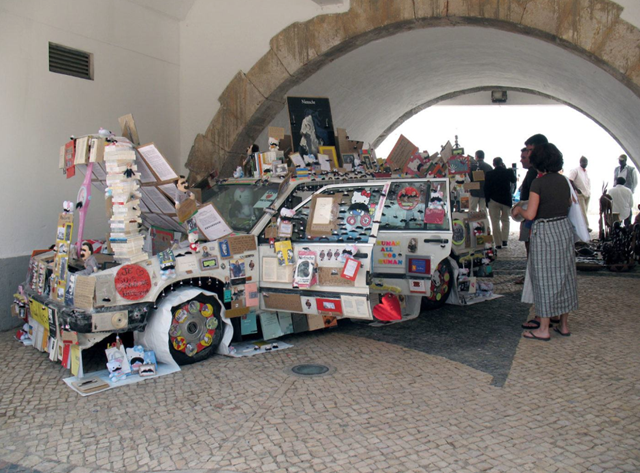
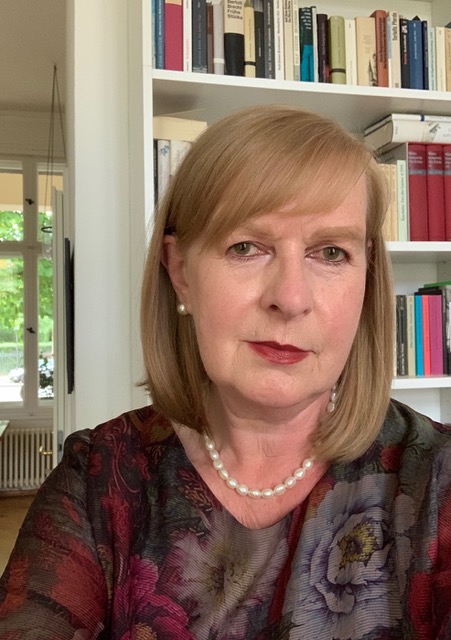
Last year, curator and art historian Barbara Straka published a two-volume monograph entitled Nietzsche forever? Friedrich Nietzsches Transfigurationen in der zeitgenössischen Kunst (Nietzsche Forever? Friedrich Nietzsche's Transfigurations in Contemporary Art), in which she explains Nietzsche's significance for the visual arts of the present day. After Michael Meyer-Albert dedicated a two-part review to her work in recent weeks (part 1, part 2), here follows an interview conducted by our author Jonas Pohler with the author in Potsdam. He discussed her book with her, but also about the not always easy relationship between philosophy and contemporary art.
Nietzsche and the Philosophy of Orientation
A Conversation with Werner Stegmaier
Nietzsche and the Philosophy of Orientation
In Conversation with Werner Stegmaier
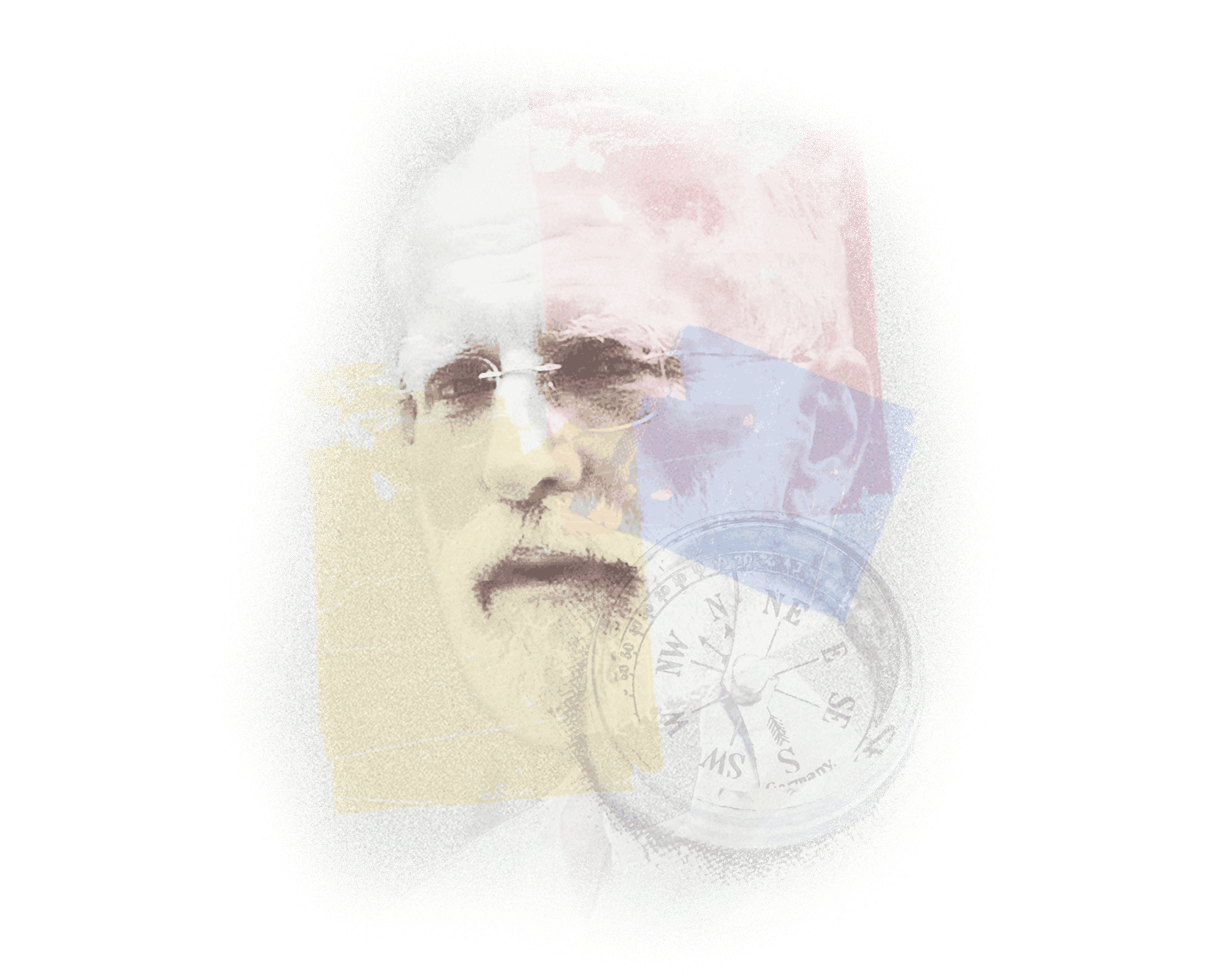
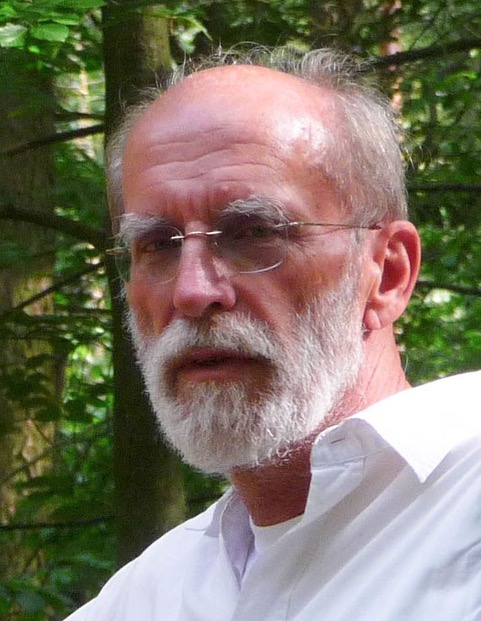
On the occasion of the 125th anniversary of Friedrich Nietzsche’s death on August 25, we spoke with two of the most internationally renowned Nietzsche scholars, Andreas Urs Sommer and Werner Stegmaier. While the conversation with Sommer focused primarily on Nietzsche’s life, our discussion with Stegmaier centered on Nietzsche’s thinking, its relevance today, and Stegmaier’s own philosophy of orientation. What are Nietzsche’s central insights – and to what extent can they help us find our way in the present? What does his concept of “nihilism” mean? And what are the political implications of his philosophy?
Translated by Reinhard Müller.
A New Nietzsche Biography
In Conversation with Andreas Urs Sommer
A New Nietzsche Biography
In Conversation with Andreas Urs Sommer
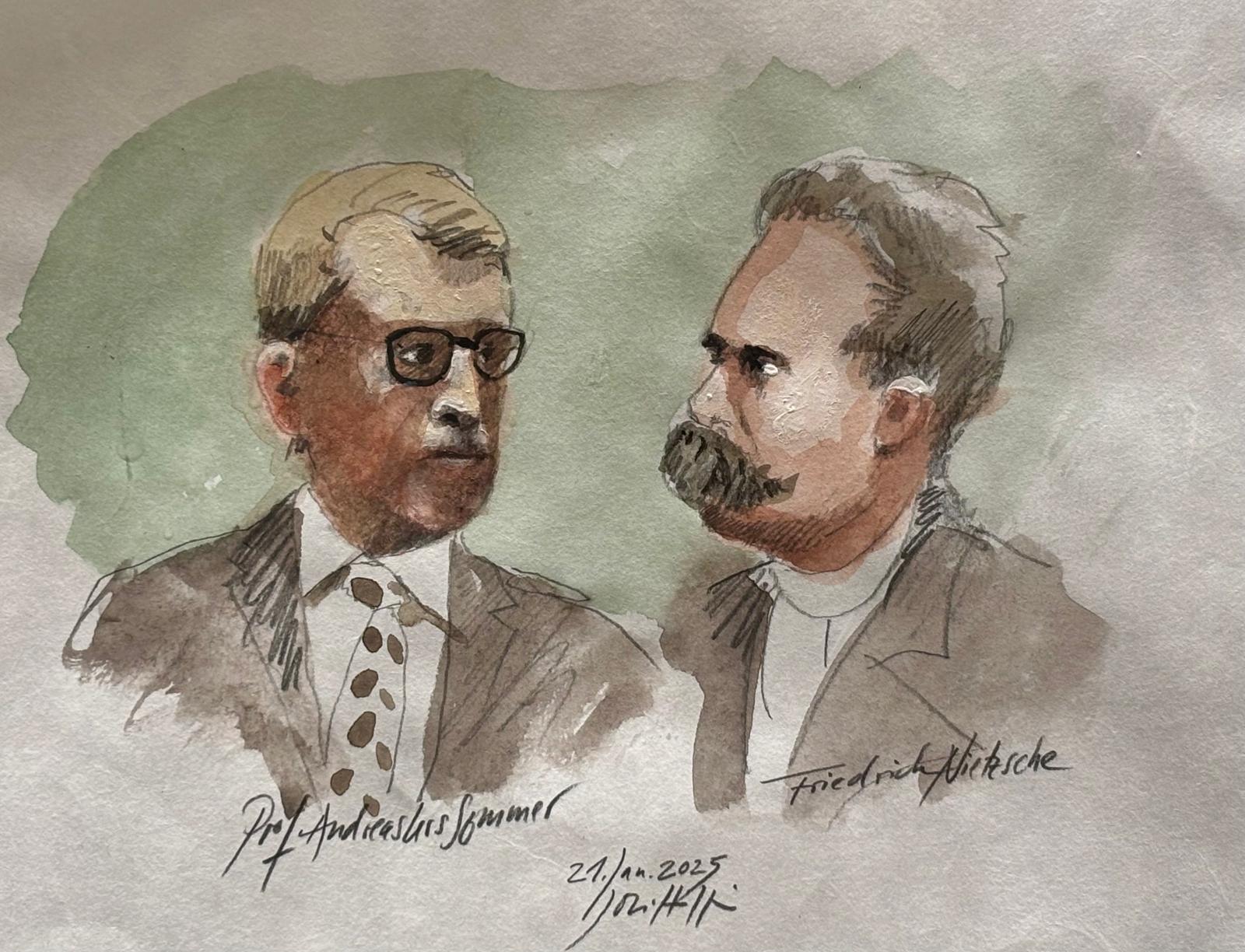

The philosopher Friedrich Nietzsche died 125 years ago, on August 25, 1900. We are taking this important date as an opportunity to publish interviews with two of the most internationally renowned Nietzsche researchers, Andreas Urs Sommer and Werner Stegmaier, around this year's anniversary of his birth on October 15, 1844. Freiburg philosophy professor Sommer is currently working on an extensive biography of the thinker, which is why the conversation with him focused in particular on his life; the conversation with his colleague from Greifswald, which focuses primarily on Nietzsche's thinking, will follow shortly (link). It will soon become apparent that the two cannot be separated. Among other things, we asked the expert about Nietzsche's character, his sexuality and if he lived what he proclaimed.
Nietzsche and Intellectual Right
A Dialogue with Robert Hugo Ziegler
Nietzsche and the Intellectual Right
A Dialogue with Robert Hugo Ziegler


Nietzsche was repeatedly elevated to a figurehead by right-wing theorists and politicians. From Mussolini and Hitler to the AfD — Nietzsche is repeatedly seized when it comes to confronting modern society with a radical reactionary alternative. Nietzsche was particularly fascinating to intellectual right-wingers, such as authors like Ernst Jünger, Carl Schmitt and Martin Heidegger, who formed a cultural prelude to the advent of National Socialism in the 1920s, even though they later partially distanced themselves from it. People also often talk about the “Conservative Revolution”1.
What do these authors draw from Nietzsche and to what extent do they read him one-sidedly and overlook other potentials in his work? Our author Paul Stephan spoke about this with philosopher Robert Hugo Ziegler.
In Dialogue with Nietzsche
AI, Philosophy and the Search for Authenticity
In Dialogue with Nietzsche
AI, Philosophy and the Search for Authenticity
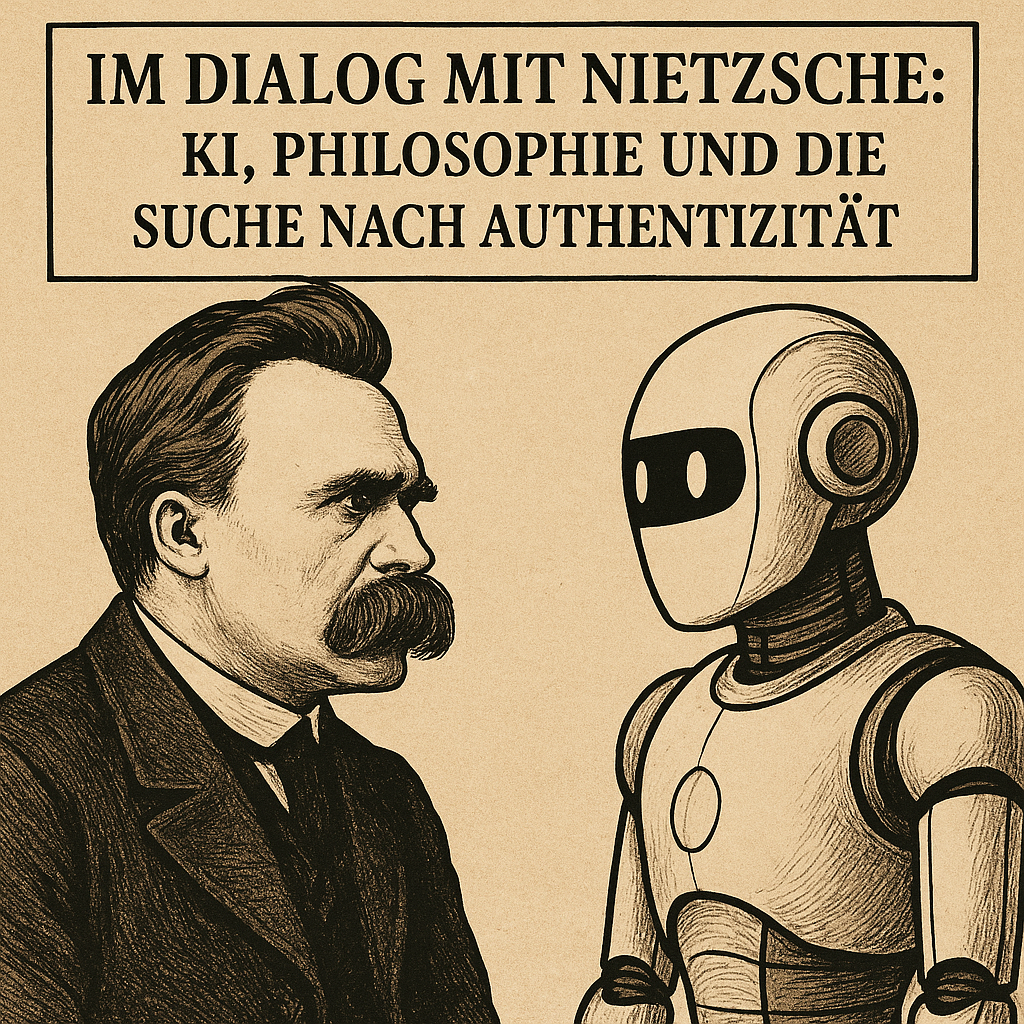

A year ago, our author Paul Stephan conducted a small “dialogue” on the 124th anniversary of Nietzsche's death with ChatGPT to see to what extent the much-hyped program is suitable for discussing complex philosophical questions (link). Paul Stephan now fed it, for the 125th, with some of the same, partly changed questions. Has it improved? Judge for yourself.
What follows, is a very abbreviated excerpt of the conversation. The full commented “dialogue” can be found here [link].
The article image was created by ChatGPT itself when asked to generate a picture of this chat. The other pictures were created again by the software DeepAI based on the prompt: “A picture of Friedrich Nietzsche with a quote by him.”
Read also our author's philosophical commentary on this “talk” (Link).
Note: A lot of the weirdness of this encounter is lost in the subsequent automated translation. Thus, it's also a part of this experiment on the “philosophical capabilities” of AI. Check the original if you want to get everything.
“Choose the right time to die!”
Nietzsche's Ethics of “Free Death” in the Context of Current Debates About Suicide
A Conversation with Filmmaker Lou Wildemann
“Choose the right time to die!”
Nietzsche's Ethics of “Free Death” in the Context of Current Debates About Suicide. A Conversation with Filmmaker Lou Wildemann


Lou Wildemann is a cultural scientist and filmmaker from Leipzig. your current feature film project, MALA, deals with the suicide of a young resident of Nietzsche City. Paul Stephan discussed this provocative project and the topic of suicide in general with her: Why is it still taboo today? Should we talk more about this? What role can Nietzsche's reflections, who repeatedly thought about this topic, play in this? What does suicide mean in an increasingly violent neoliberal society?
Nietzsche and Ukraine
A Conversation with Vitalii Mudrakov
Nietzsche and Ukraine
A Conversation with Vitalii Mudrakov


Vitalii Mudrakov is one of Ukraine's leading Nietzsche experts. Due to the war, he and his family currently live in Germany. Paul Stephan talked to him in detail about some aspects of the rich Ukrainian reception of Nietzsche in the context of the country's independent cultural history, which has often been ignored. It shows that Nietzsche's liberal thinking repeatedly inspired central protagonists of Ukrainian culture in their struggle for an independent nation free from Habsburg, Tsarist or Soviet foreign rule — and today again the struggle for their own self-assertion in the face of the Russian invasion.
Цю статтю перекладено українською мовою. Переклад можна знайти тут.
Society versus Self-Becoming
A Dialogue about Nietzsche, Authenticity and the Challenges of Modernity
Society versus Self-Becoming
A Dialogue about Nietzsche, Authenticity and the Challenges of Modernity


To commemorate the 124th anniversary of Nietzsche’s death, Paul Stephan conversed with a rather particular kind of Nietzsche expert—the now near ubiquitous ChatGPT. Their discussion circled around questions of why Nietzsche matters today and his concept of authenticity. During the course of the conversation, Stephan switched from asking to fielding questions, and elaborated briefly on how his own doctoral dissertation also focuses on authenticity. As Stephan’s experiment aimed at probing deep into the program’s capabilities, and because brevity is not ChatGPT’s strongest asset, we present here an abridged version of the conversation. Readers of German who wish to delve deeper can view the unabridged and annotated PDF that’s available as a download (link). Watch out for Stephan’s critical reflections on this truly remarkable dialogue within the next few days (link).
The pictures accompanying the interview were created with DeepAI software, which was asked to produce “A picture of Friedrich Nietzsche with a quote by him.”
Nietzsche Against the Body’s Naysayers
A Conversation with Philosopher and YouTuber Jonas Čeika
Nietzsche Against the Body’s Naysayers
A Conversation with Philosopher and YouTuber Jonas Čeika


After discussing Jonas Čeika's book How to Philosophize with a Hammer and Sickle and bis YouTube channel (CCK Philosophy) (link), Henry Holland interviewed the American about the blockages of academic philosophy, Nietzsche's relevance as a thinker on the “guideline of the body,” and about tensions between his claim as an anti-philosopher and his social position.
“Je suis Nietzsche!”
A Dialogue about Bataille, Freedom, the Economy of waste, Ecology and War
“Je suis Nietzsche!”
A Dialogue about Bataille, Freedom, the Economy of waste, Ecology and War


Paul Stephan talked to Jenny Kellner and Hans-Martin Schönherr-Mann about the interpretation of one of the most important Nietzsche interpreters of the 20th century: Georges Bataille (1897—1962). The French writer, sociologist and philosopher defended the ambiguity of Nietzsche's philosophy against its National Socialist appropriation and thus became a central source of postmodernism. Based on Dionysian mythology, he wanted to develop a new concept of sovereignty that transcends the traditional understanding of responsible subjectivity, and criticized modern capitalist rationality in the name of an “economy of waste.” With all this, he provides important impulses for a better understanding of our present tense.