#
the left
Public Enemy and Beacon of Hope
Nietzsche in the Soviet Union
Part I: Official Censorship and Reinterpretation
Public Enemy and Beacon of Hope
Nietzsche in the Soviet Union Part I: Official Censorship and Reinterpretation
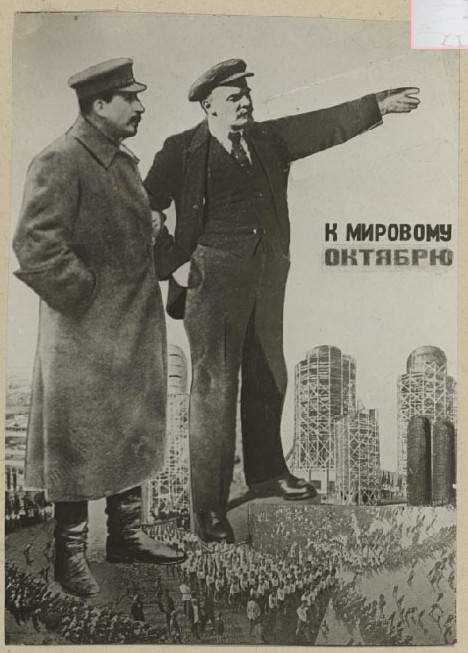

The October Revolution, which took place on November 6 and 7, 1917, according to the Western calendar, was one of the most pivotal events in world history. For the first time in history, one of the world's largest nations was to not only establish a republic but also end the era of private ownership of the means of production and the soil and build a completely classless society. In "A Sixth of the World"—the proud title of a 1926 Soviet film by Dziga Vertov that celebrates the Soviet Union's achievements and showcases its diverse peoples—socialism was to prevail, and a "new man" was even to be created.
It was an experiment that failed, yet it shaped the history of the 20th century like no other and remains a subject of debate to this day: Was it doomed to fail from the start? Was the price of the undeniable, gigantic successes of this vast empire too high? At what exact point did it take a wrong turn?
Nietzsche would likely have chosen the first answer—and conversely, he was, to put it mildly, not exactly the most popular philosopher in the Soviet Union. He was considered a bourgeois reactionary and a mastermind of fascism; his writings were removed from libraries and censored, and academic engagement with his work was virtually impossible. At the same time, individual motifs of his philosophy lived on in revolutionary culture, in literature, and in the vision of a "new man"—often without ever mentioning his name.
In this two-part series, Ukrainian philosopher Vitalii Mudrakov provides an overview of the reception of Nietzsche in the country where he was born, which has long since ceased to exist. The first part examines the official attempts to censor Nietzsche's thought and interpret it solely through the lens of Marxist-Leninist ideology. The second part will focus on the unofficial, subversive reception of Nietzsche.
Heightened Idyll
Nietzsche and the Forest
Part II: Overcoming discontent. Idyll on the edge
Heightened Idyll 2
Nietzsche and the Forest Part II: Overcoming Resentment. Idyll on the edge
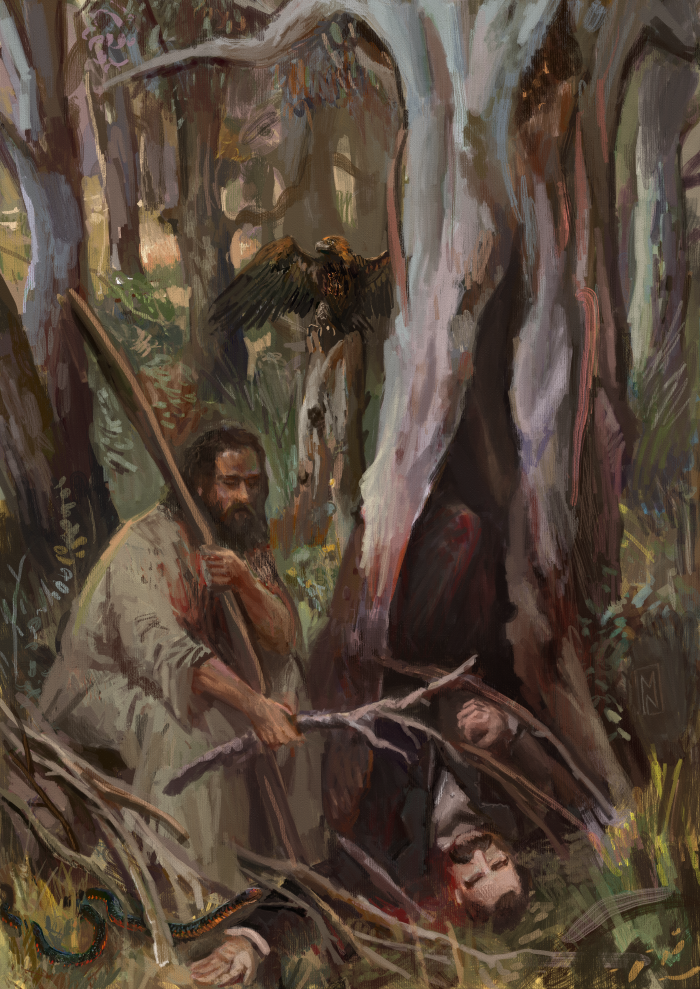

Nietzsche modifies the quintessentially German notion of the forest as an idyll, which our author described in the first part of this two-part series (link). This follow-up aims to precisely understand this modification and its significance for our time.
Nietzsche’s preferred landscape for thought is the high mountains. In this context, the forest becomes important as the tree line—a zone where life is just barely possible before it freezes. For Nietzsche, the timberline becomes the muse of a thinker who lives dangerously and always on the edge. Modernity can thus be described as a cultural high forest that is constantly on the verge of withering; the fading of the idyll of forest solitude is obvious to the Germans. Nietzsche’s stance is long past being an elitist attitude; in post-war modernity, for instance within various subcultures, it has become a mass mentality. In the current movement of social radicalization, however, we are observing a new kind of mass resentment—to escape it, we must relearn the art of shaping our own lives as a heroic idyll on the edge of the abyss.
Heightened Idyll
Nietzsche and the Forest
Part I: Sylvan Exiles in Antiquity, Romanticism, and Modernity
Heightened Idyll
Nietzsche and the Forest Part I: Sylvan Exiles in Antiquity, Romanticism, and Modernity

Is there a connection between place and thought? How might Nietzsche’s philosophy and the forest be linked?
In German culture, the forest often appears as the epitome of the idyllic. In the penultimate part of our series “The Forest as a Living Foundation”, our author Michael Meyer-Albert argues that Nietzsche gave this idyll a completely new form by dynamizing it.
He begins by discussing two forms of the traditional idyll. While the classical idyll in Southern European traditions (such as in Virgil) tended to celebrate the sunny, Arcadian pastoral landscape or the orderly garden, the philosophical idyll is found within the walls of the academy. A refuge from doxa, a tribute to the logos.
Meyer-Albert then analyzes the German forest as a specifically German form of the idyll using the term “Waldeinsamkeit” (forest solitude), coined by the Romantic writer Ludwig Tieck (1773–1853). Here, the forest is understood as a near-religiously charged sanctuary from the demands of modernity. If defended aggressively, this romanticism can quickly turn into reactionary mythology—even in a modern, left-wing guise.
Nietzsche’s modification of the anti-modern German forest idyll into a heroic idyll that affirms modernity serves as a counter-proposal to all these traditional forms of the idyllic—this will be the focus of the second part of this article (link).
From the Will to Power to the Human Being as a New Beginning
Nietzsche from Hannah Arendt's Perspective
From the Will to Power to the Human Being as a New Beginning
Nietzsche from Hannah Arendt's Perspective
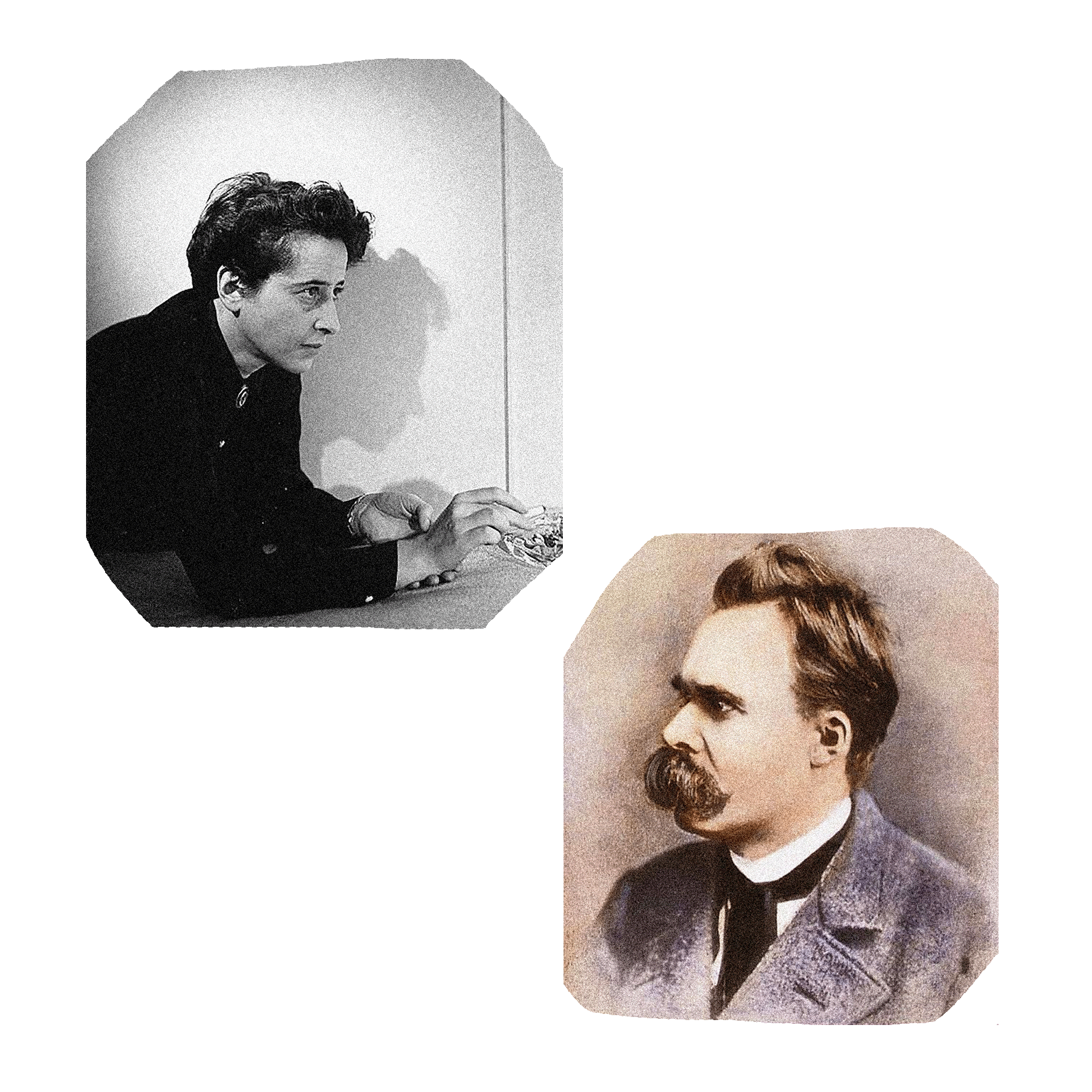

In her major work The Life of the Mind, Arendt builds upon Nietzsche’s understanding of the will to power as interpretation. Rather than following Kant’s conception of free will, she argues that through the will, something new enters the world with every newborn human being—a notion that resembles Zarathustra’s demand that the Übermensch should invent new values. Arendt also agrees with Nietzsche’s assertion that the "‘true world’" is a "fable," for Arendt because modern sciences possess no ultimate truths—a fact they themselves acknowledged around 1900, but which they now refuse to recognize. Thus, as heretics of science, Nietzsche and Arendt belong to the ranks of the "evil" philosophers.
Arendt lived from 1906 to 1975 and is considered one of the great thinkers of the 20th century. The daughter of secular Jews, she studied in the 1920s in Marburg, Freiburg, and Heidelberg under such influential philosophers as Edmund Husserl, Karl Jaspers, and Martin Heidegger. As a young student, she was briefly involved with the latter. In 1933, she was forced to emigrate, and from 1941 she lived in the USA, where she began teaching at various universities in 1953. This unorthodox intellectual is best known for her critique of totalitarianism and her communicative concept of the political.
Her 120th birthday provides sufficient reason to take a closer look at the intellectual relationship between Nietzsche and Arendt.
You can listen to and watch a version of this text, read by the author himself and supplemented with original audio clips of Arendt, on YouTube and Soundcloud .
Materialism and the Problem of Morality
Reflections with Deleuze/Guattari, Clouscard, and Levinas
PART 2: Eternity and the Other: Levinas, Ethics as First Philosophy, and Materialism
Materialism and the Problem of Morality 2
PART 2: Eternity and the Other: Levinas, Ethics as First Philosophy, and Materialism
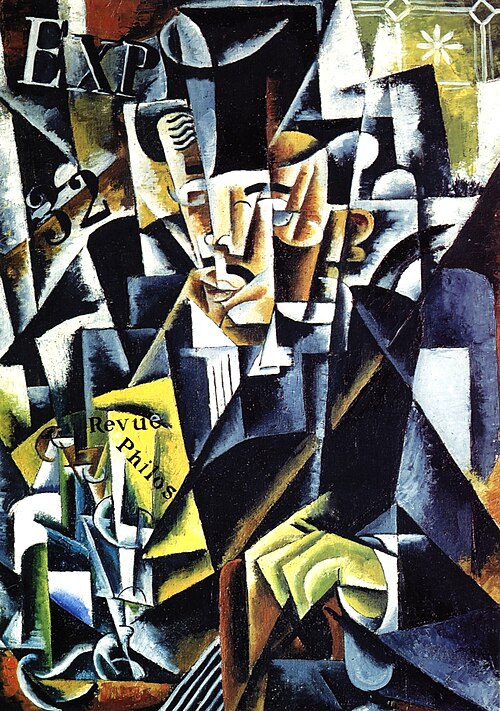
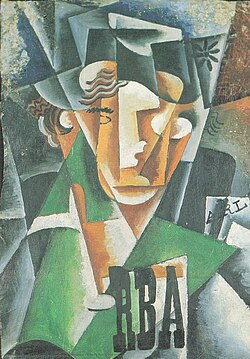
Materialist metaphysics, as practiced by Spinoza, Nietzsche, or Deleuze and Guattari, has proven incapable of accounting for fundamental moral convictions. Nietzsche is at least radical enough to acknowledge this incommensurability and draw the corresponding conclusions. If one is unwilling to accept this, the only remaining path is to adopt the "view from eternity" alongside metaphysics: from that vantage point, one can only unconditionally affirm a groundless reality. Perhaps, however, the more promising answer is that of Emmanuel Levinas: his materialism allows morality to emerge from the encounter with the Other, and in doing so, he almost incidentally shatters the unity of metaphysics that even such radical thinkers as Deleuze and Guattari still took for granted.
Nietzsche and North America
An Interview with Willow Verkerk
Nietzsche and North America
An Interview with Willow Verkerk
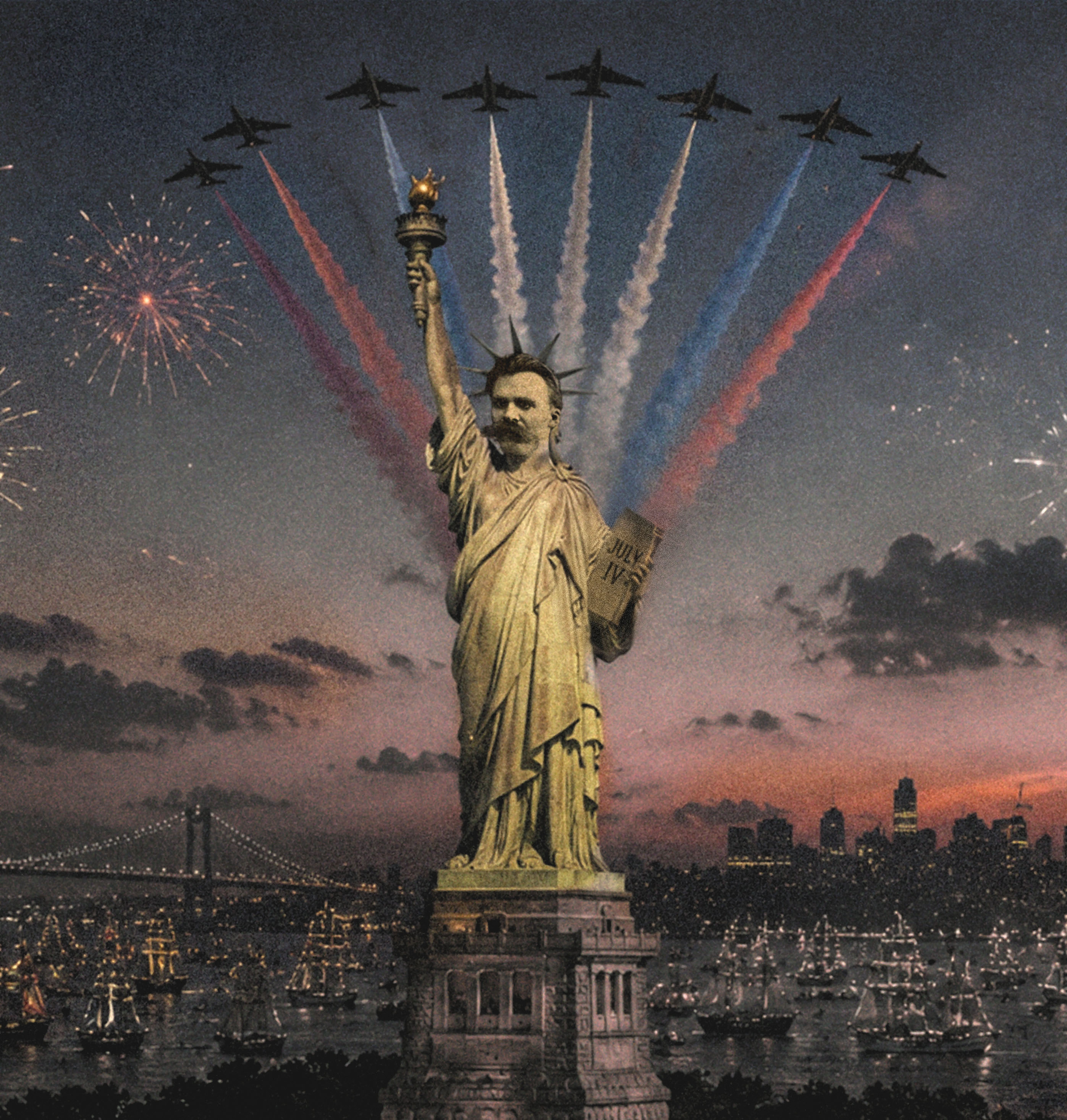
Exactly 250 years ago, on the 4th of July 1776, thirteen North American British colonies declared their independence from the mother country, soon thereafter forming one of the first modern democratic republics of the world, the United States of America. We took this anniversary as an occasion to speak with the Canadian Nietzsche scholar Willow Verkerk about the different approaches to Nietzsche in Europe and North America. To what extent is this thinker, so deeply embedded in European culture, read differently “here” to “there”? What does this tell about general cultural differences between Europe and its erstwhile colonies on the other side of the ocean? And what did Nietzsche himself think about the “New World”?
Nietzsche and Nationalism?
A Disputation between Michael Drescher and Paul Stephan
Nietzsche and Nationalism?
A Disputation between Michael Drescher and Paul Stephan

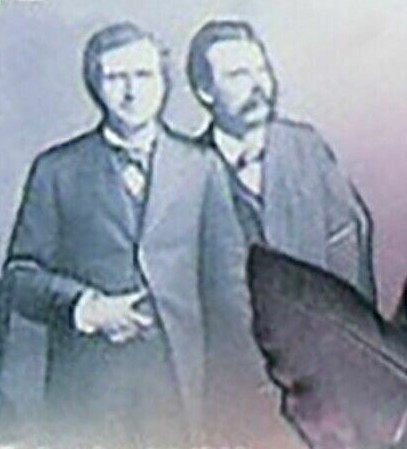
Throughout his life, Nietzsche was a great critic of nationalism. The burgeoning German national sentiment, in particular, was anathema to him, and he wrote scathing remarks about his home country, such as "definition of the Germanic: obedience and long legs..."1. At the same time, nationalists and patriots of all stripes count among his fans. How can one be a Nietzschean and a (German) nationalist? What exactly is "nationalism," and is it possible to give this term a positive meaning?
Paul Stephan discussed these delicate topics, which are gaining increasing relevance given the successes of nationalist parties worldwide, in written form with YouTuber, Nietzsche expert, and nationalism researcher Michael Drescher, also known as PhrasenDrescher.
Additionally, they continued this dialogue verbally on YouTube – feel free to check out the result here (or as an audio-only version on SoundCloud).
“How Well Disposed Would You Have to Become to Yourself and to Life”
Prolegomena to Any Future Philosophy That Will Be Able to Present Itself as an Enlightenment — Part I
"How Well Disposed Would You Have to Become to Yourself and to Life"
Prolegomena to any future philosophy that may arise as an Enlightenment — Part I
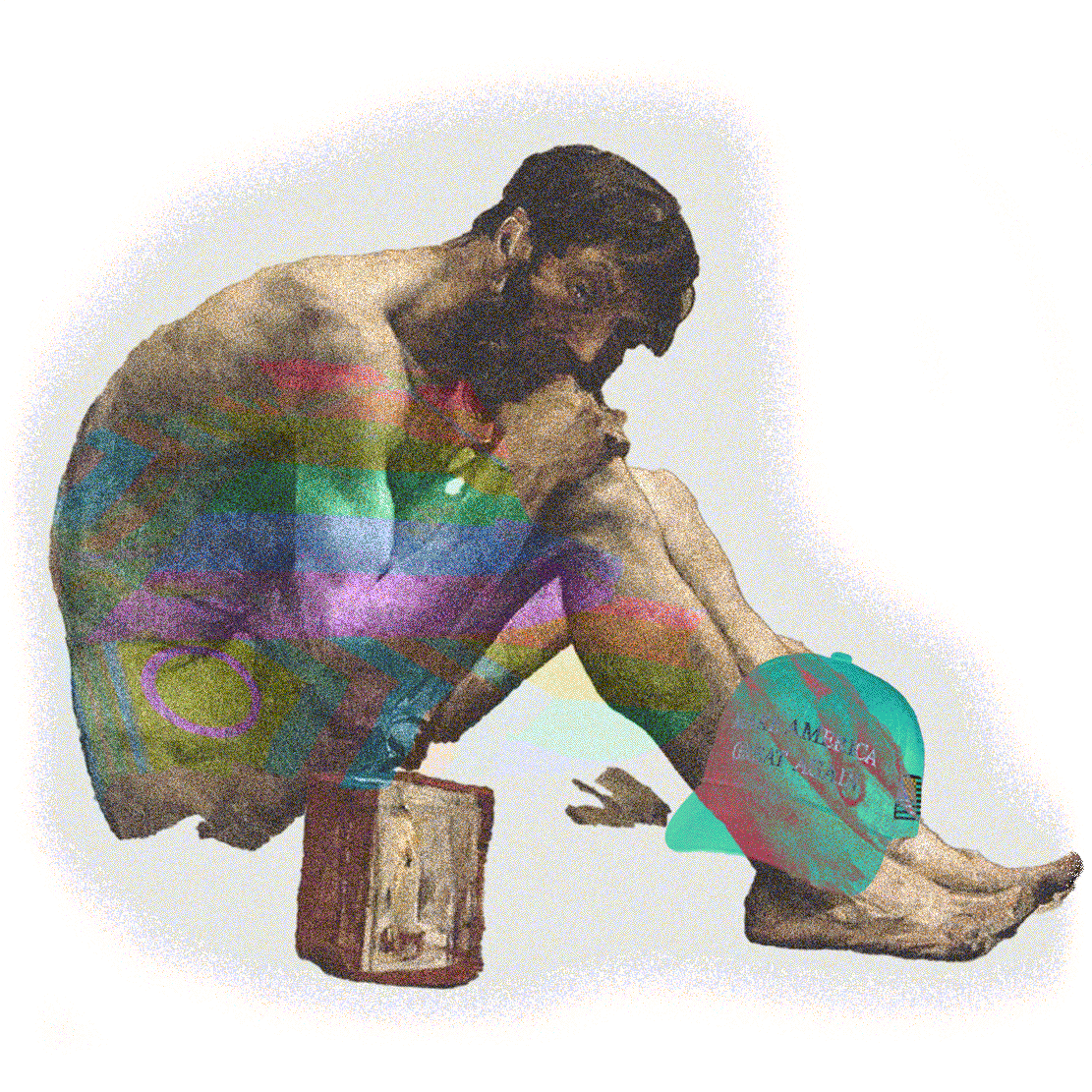
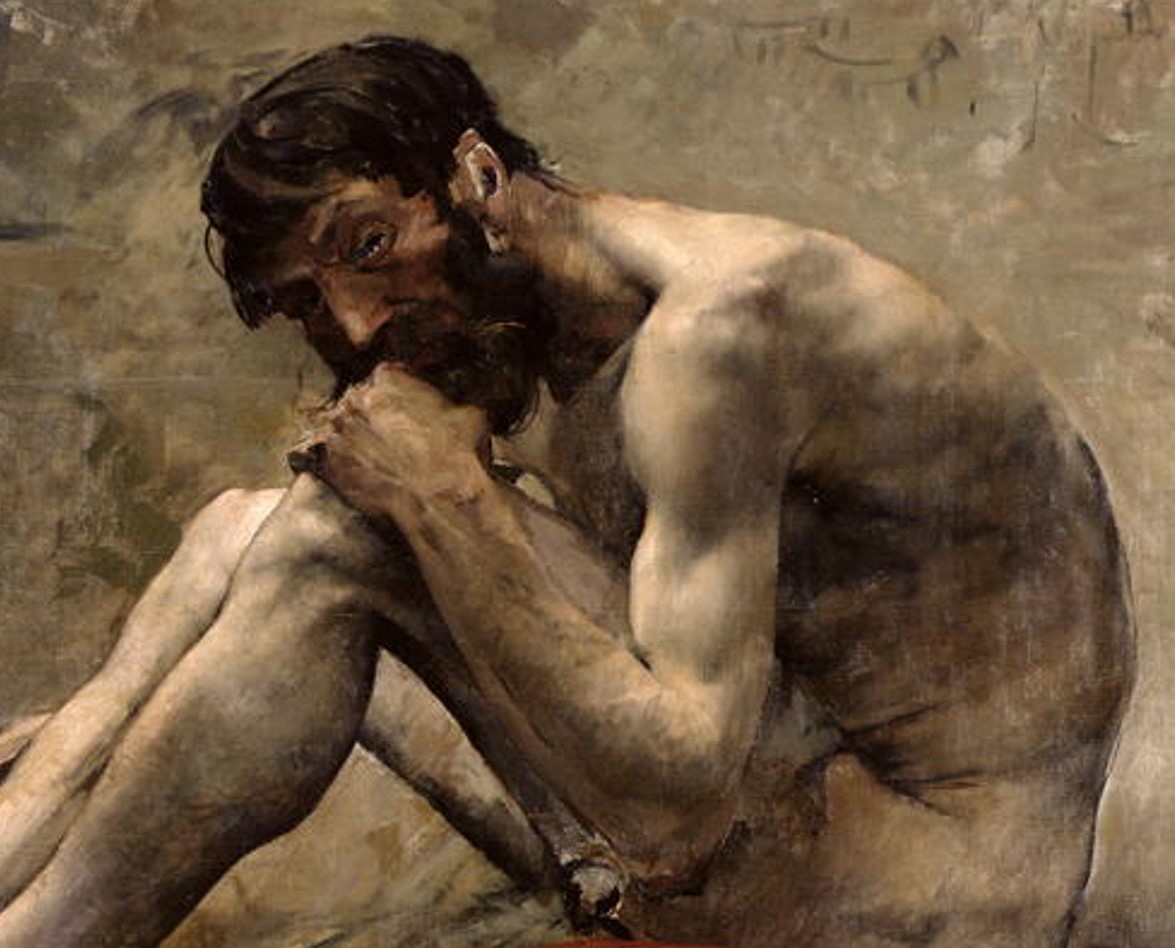
The following text explores the hypothesis that every philosophy of the zeitgeist finds its onset at something that bothers it: in the beginning, there was disgruntlement. This something is interpreted here as an illiberally disgruntled enlightenment, which is embodied in the current “polarization.” With Francis Fukuyama's help, this trail is explored and the drama of the recognition of modern Enlightenment is described.
The philosopher Fukuyama, born in Chicago in 1952, is primarily known for his essay The End of History? from 19891. There, he held that the “end of history” assumed by Hegel had finally arrived with the looming collapse of the Soviet Union. He saw the triumphant liberal Western democracies as the final stage of the process of historical progress. In 1992, Fukuyama published his main work based on this essay: The End of History and the Last Man, in which he combines Hegel's thesis with Nietzsche's diagnosis of the “last man.” Our author is also referring to this book. It caused controversial debates worldwide and continues to provoke today. — Do we really live after the “end of history”? Our author agrees with Fukuyama: While with the form of liberal democracy a final embodiment of the course of history has been achieved, history has been continuing as a conflict within this embodiment. World history has become history of liberalism.
From Denier to Conspiracy Theory to Ghosting
Nietzsche and the Social Upheavals Caused by Today's Widespread Resentment
From Denier to Conspiracy Theory to Ghosting
Nietzsche and the Social Upheavals Caused by Today's Widespread resentment
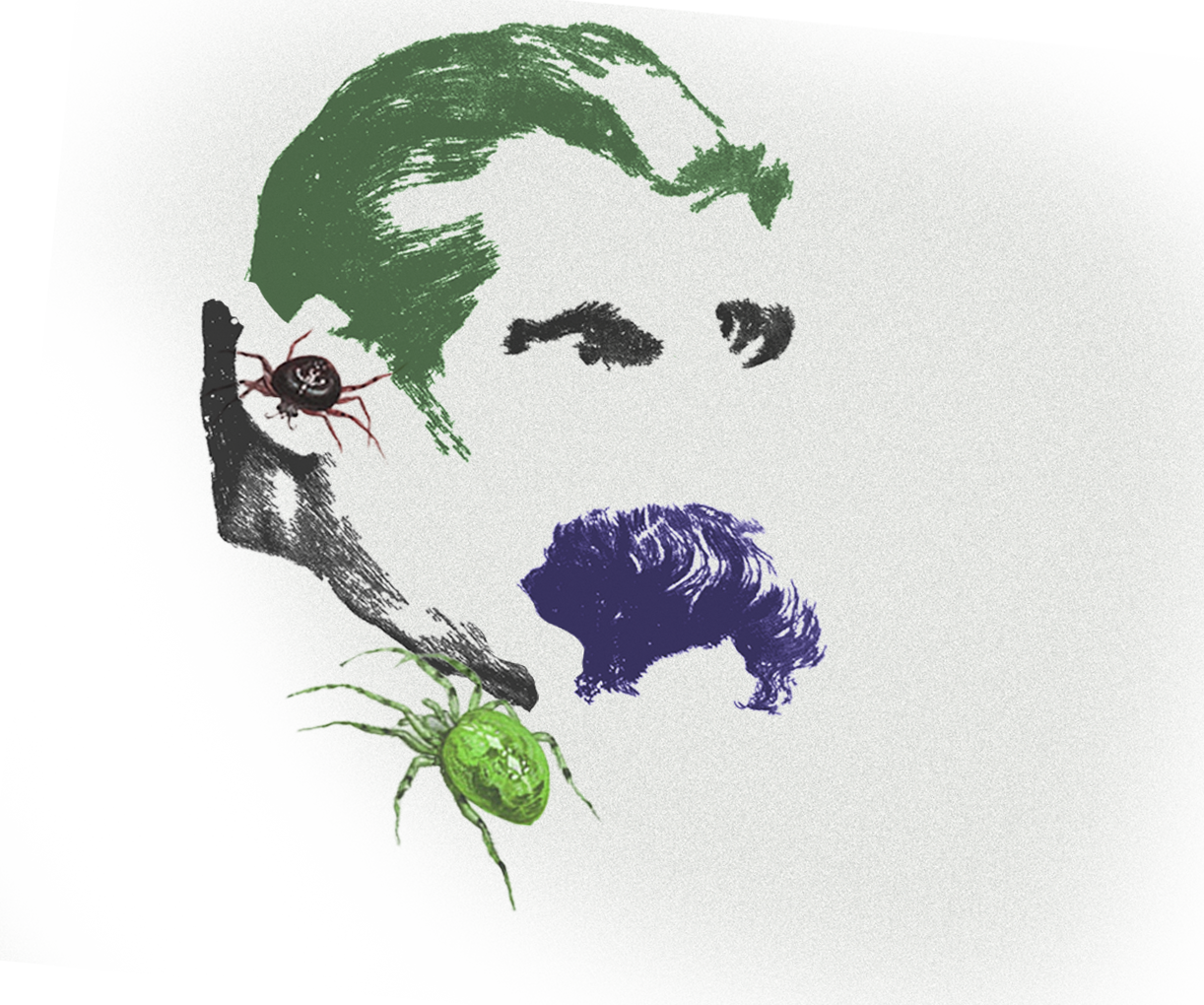
After Hans-Martin Schönherr-Mann has already dealt with Nietzsche's concept of resentment in two articles on this blog (here and there), he now addresses the question of how it can be applied to the current social situation.
His thesis: The current political landscape is characterized by many divisions based on resentment. They are due to the weaknesses of their own arguments. This is how critics are defamed as “corona” or “climate deniers.” The objections are often branded as conspiracy theories. You can't ask 'Cui bono?' anymore. Or you break off contact without comment to protect yourself. This is not only in line with Nietzsche's understanding of resentment in many places, precisely because he himself is not free from it, but is looking for ways out of it.
“What is the topicality of Nietzsche's analysis and critique of 'resentment'?“ is also the question of this year's Kingfisher Award for Radical Essay Writing, in which you can once again win up to 750 Swiss francs. The closing date for entries is August 25. The complete tender text can be found here.
If you'd rather listen to the article, you can find an audiovisual version on the Halcyonic Association YouTube channel, read by the author himself (link) and a listening-online version on Soundcloud (link).
The Barbarians of the 21st Century
Narcissism, Apocalypse, and the Absence of Other
The Barbarians of the 21st Century
Narcissism, Apocalypse, and the Absence of Other


The diagnosis of our time: not heroic barbarians, but selfie warriors. This essay, which won the second place at this year's Kingfisher Award (link), explores Nietzsche's vision of the”stronger type”1 and shows how it is turned into its opposite in a narcissistic culture — apocalypse as a pose, the Other as a blind spot. But instead of the big break, another option opens up: a “barbaric ethic” of refusal, of ambivalence, of relationship. Who are the true barbarians of the 21st century — and do we need them anyway?
Nietzsche and Intellectual Right
A Dialogue with Robert Hugo Ziegler
Nietzsche and the Intellectual Right
A Dialogue with Robert Hugo Ziegler


Nietzsche was repeatedly elevated to a figurehead by right-wing theorists and politicians. From Mussolini and Hitler to the AfD — Nietzsche is repeatedly seized when it comes to confronting modern society with a radical reactionary alternative. Nietzsche was particularly fascinating to intellectual right-wingers, such as authors like Ernst Jünger, Carl Schmitt and Martin Heidegger, who formed a cultural prelude to the advent of National Socialism in the 1920s, even though they later partially distanced themselves from it. People also often talk about the “Conservative Revolution”1.
What do these authors draw from Nietzsche and to what extent do they read him one-sidedly and overlook other potentials in his work? Our author Paul Stephan spoke about this with philosopher Robert Hugo Ziegler.
Chameleon Nietzsche
The Failure of Nietzschean Materialism
Chameleon Nietzsche
The Failure of Nietzschean Materialism
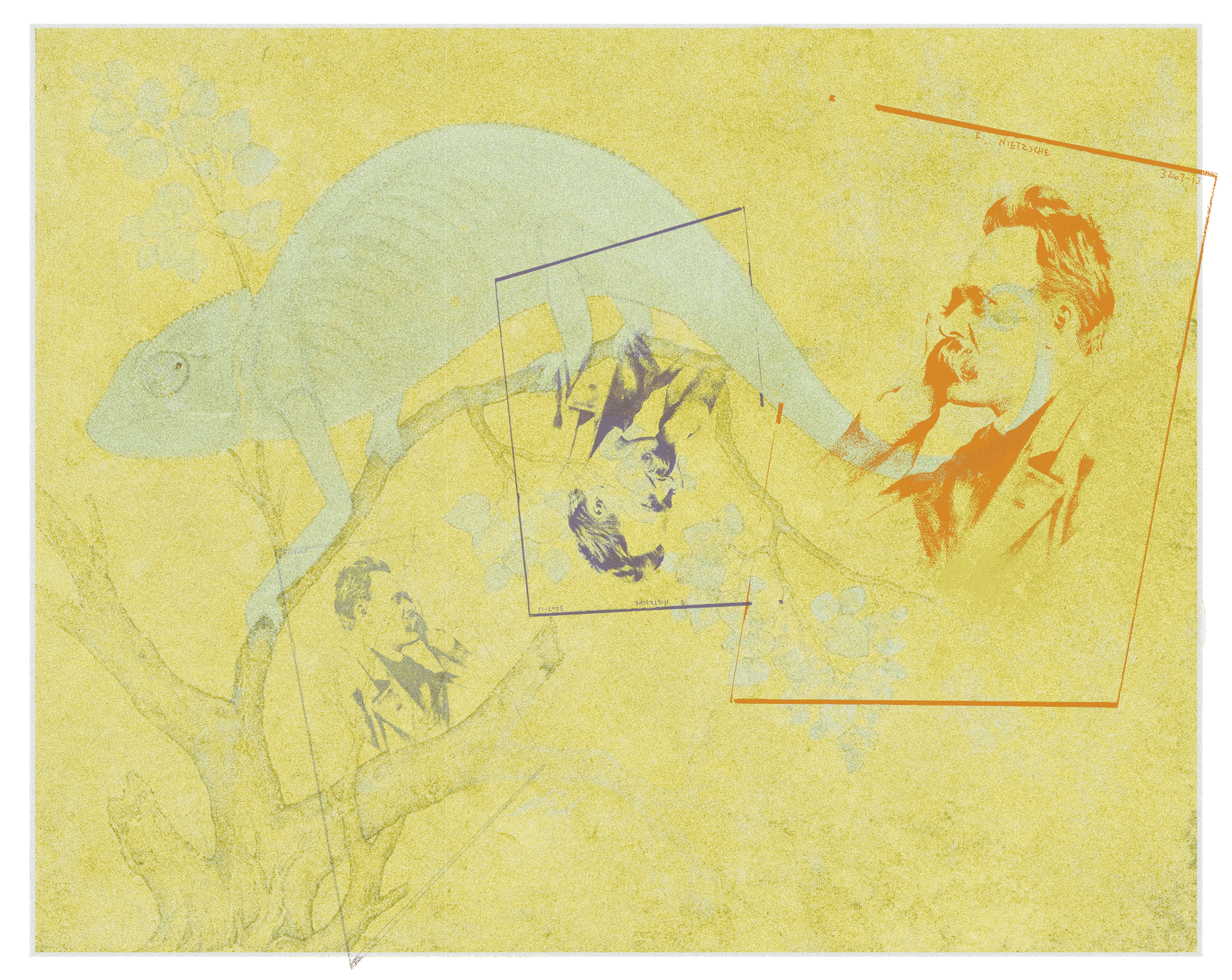
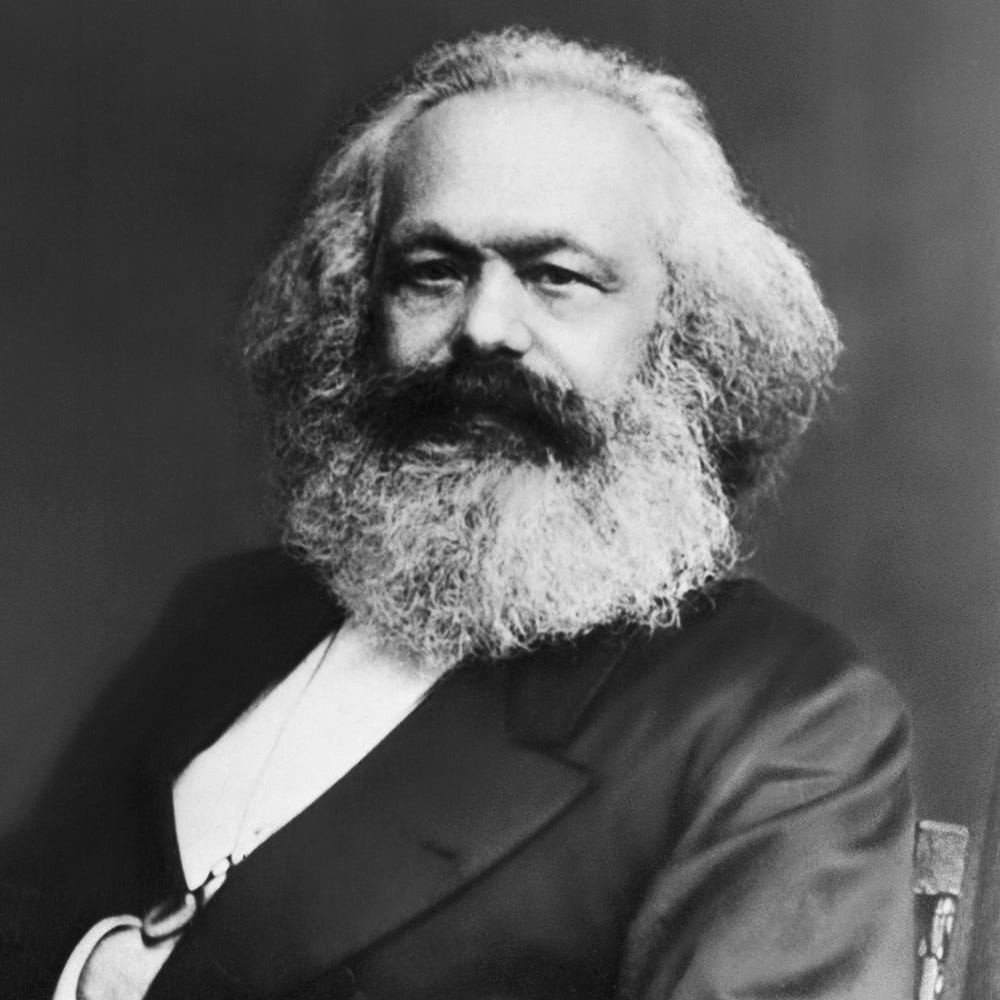
The connection between Marx(ism) and Nietzsche(anism) has repeatedly been a topic on our blog. To what extent can the ideas of arguably the most important theorist on the left and the philosophical chameleon, who was an avowed anti-socialist and anti-feminist and inspired Goebbels and Mussolini, among others, be meaningfully combined. While there have been repeated attempts at left-wing Nietzscheanism, Estella Walter's conclusion in this controversial thesis article is skeptical: The contrast between “historical-dialectical materialism” and Nietzsche's idea of will to power is too irreconcilable. Beyond his time diagnosis, his thinking only provides little emancipatory content.
Turning Moral Weakness Into Power
Nietzsche and the Accusation of Resentment
Turning Moral Weakness Into Power
Nietzsche and the Accusation of Resentment


Strangers seem creepy to many. They immediately fear that these strangers will harm them. Many decent earners think that recipients of citizen benefits are lazy and therefore do not allow them to receive government support. To many educated people, illiterate people appear rude and simple-minded, with whom they therefore want as little as possible nothing to do with, whom they do not trust. Religious people are often afraid of atheists, who in turn are afraid of contact with religion. What you don't know often appears to be dangerous and you prematurely discount that. Such prejudices lead to rejection, which often solidifies to such an extent that counterarguments are no longer even heard. This is resentment that has existed for a long time, but which today makes consensus almost impossible in many political and social debates. This can degenerate into hate and contempt and then into violence whether between rich and poor, right and left, machos and feminists, abortion opponents and abortion advocates, vegetarians and meat-eaters. When one side prevails, it imposes its values on the other, and the resentment even becomes creative. In any case, it prevents you from making an effort to understand the other person. For Nietzsche, resentment has been driving the dispute over what is morally necessary for a long time.
“Resentment” is one of the key terms of Nietzsche's late work. The philosopher is referring to an internalized and solidified affect of revenge, which leads to the development of an overall negative approach to the world. Especially in On the genealogy of morality Nietzsche is trying to show that the entire European culture since the rise of Christianity has been based on this affect. Judaism and Christianity, in their hatred of aristocrats, propagated an ethics of the weak — in this act, resentment became creative. With a new creative ethic, Nietzsche now wants to contribute to a renewed revaluation of values in order to return to a life-affirming aristocratic ethic of the “strong.” In this article, Hans-Martin Schönherr-Mann introduces Nietzsche's reflections on resentment and works out what makes the accusation of mutual resentment so popular to this day.
Taylor Swift — Superwoman or Last Man?
A Nietzschean Critique of the Most Successful Pop Star of Our Time
Taylor Swift — Superwoman or Last Man?
A Nietzschean Critique of the Most Successful Pop Star of Our Time


Taylor Swift is one of the most important “idols” of our time. Reason enough for our regular authors Henry Holland, Paul Stephan and Estella Walter to pick up on the Nietzschean “hammer” and get to grips with the hype a bit: Does Swift deserve the cult around her that goes down to philosophy? Is it grossly overrated? And what explains the discrepancy between appearance and reality, spectacle and life?
You can watch the entire unabridged conversation on the Halcyonic Association for Radical Philosophy YouTube channel (link).
Discourse, Power and Delusion
Michel Foucault's Nietzsche Interpretation Revisited
Discourse, Power and Delusion
Michel Foucault's Nietzsche Interpretation Revisited


The humanities scene recently experienced a minor sensation: In the estate of Michel Foucault (1926—1984), one of the most important representatives of post-structuralism, its editors came across an elaborate book manuscript with the title Le discours philosophique, on which the avowed Nietzschean had worked in 1966. It was published in German by Suhrkamp in 2024. Nietzsche plays a decisive role in this comprehensive analysis of philosophical discourse since Descartes. Paul Stephan takes this event as an opportunity to take a closer look at the most influential Nietzsche interpretation of the 20th century to date.
Age-Old Rage
The birth of Modernity out of the Spirit of Resentment
Age-Old Rage
The birth of Modernity out of the Spirit of Resentment


“Resentment” is one of the guiding concepts of Nietzsche's philosophy and perhaps even its most effective. In his new book The cold rage. Resentment theory and practice (Marburg 2024, Büchner-Verlag), Jürgen Grosse argues that since the 18th century, more or less all political or social movements have been those of resentment. Our main author Hans-Martin Schönherr-Mann has read it and presents major theses below.
Caught in the Crossfire of the Culture Wars, There Stands Nietzsche
Comparing Two Current Perspectives
Caught in the Crossfire of the Culture Wars, There Stands Nietzsche
Comparing Two Current Perspectives

It is well known that Nietzsche's history of influence has been read and absorbed across all political camps. But what about our present tense? Paul Stephan examines the writings of two authors who are about the same age as himself, in their mid/late 30s, and whose perspectives on Nietzsche could hardly be more different: While French journalist and YouTuber Julien Rochedy declares Nietzsche a pioneer of a right-wing cultural struggle, the German philosopher and political scientist Karsten Schubert attacks him for a left-wing identity politics. Both positions do not really convince our authors; rather, they are entirely within the framework of the prevailing simulation of politics as a cultural struggle, which would need to be countered by focusing on the really pressing life problems of contemporary humanity.
“The Most Noble Adversary”
Daniel Tutt and Henry Holland in Dialogue
“The Most Noble Adversary”
Daniel Tutt and Henry Holland in Dialogue


After two previous contributions to Nietzsche in the Anglosphere For this blog, Henry Holland interviewed American thinker Daniel Tutt about his perspective on Nietzsche as the most important antagonist of the left. The discussion included Huey Newton, leader of the Black Panthers in the 1970s, and what his “parasitic” way of reading Nietzsche prompted him to read. An unedited and unabridged version of this interview, in original English, can be heard and watched on Tutt's YouTube channel (link).
A Day in the Life of Nietzsche's Future
Report on the Conference Nietzsche's Futures in Weimar
A Day in the Life of Nietzsche's Future
Report on the Conference Nietzsche's Futures in Weimar

From October 7 to 11, 2024, the event organized by the Klassik Stiftung Weimar took place in Weimar Nietzsche's futures. Global Conference on the Futures of Nietzsche instead of. Our regular author Paul Stephan was on site on the first day and gives an insight into the current state of academic discussions about Nietzsche. His question: What is the future of Nietzsche academic research when viewed from the perspective of Nietzsche's own radical understanding of the future?
Boomers, Zoomers, Millennials
How Do the Respective Perspectives on Nietzsche Differ?
Boomers, Zoomers, Millennials
How Do the Respective Perspectives on Nietzsche Differ?


This time in confidential Du, Paul Stephan talked to Hans-Martin Schönherr-Mann, our oldest parent author, and our youngest regular author, Estella Walter, about our different generational experiences and about what is actually to be thought of the fashionable discourse about the different “generations.” We talked about post-structuralism, the ecological issue and the diversity of possible connections to Nietzsche.
Nietzsche Against the Body’s Naysayers
A Conversation with Philosopher and YouTuber Jonas Čeika
Nietzsche Against the Body’s Naysayers
A Conversation with Philosopher and YouTuber Jonas Čeika


After discussing Jonas Čeika's book How to Philosophize with a Hammer and Sickle and bis YouTube channel (CCK Philosophy) (link), Henry Holland interviewed the American about the blockages of academic philosophy, Nietzsche's relevance as a thinker on the “guideline of the body,” and about tensions between his claim as an anti-philosopher and his social position.
Determining Nietzsche
Determining Nietzsche


Does Nietzsche have clear philosophical doctrines? There is still a fight with Nietzsche's ambiguity today. When does he mean what he says? In her essay, Natalie Schulte explores the question of where, in the midst of assimilating ambiguity through ideological programs on the one hand and academically savvy dispersal of Nietzsche's thought structures into indiscriminate and incoherent fragments and perspectives, on the other hand, today's engagement with Nietzsche has to locate its decisive challenges. Between the dangers of confusing his philosophy and the limitless relativization of his theses, she is looking for a fruitful third way of dealing with the question of the “actual Nietzsche.”
“Je suis Nietzsche!”
A Dialogue about Bataille, Freedom, the Economy of waste, Ecology and War
“Je suis Nietzsche!”
A Dialogue about Bataille, Freedom, the Economy of waste, Ecology and War

Paul Stephan talked to Jenny Kellner and Hans-Martin Schönherr-Mann about the interpretation of one of the most important Nietzsche interpreters of the 20th century: Georges Bataille (1897—1962). The French writer, sociologist and philosopher defended the ambiguity of Nietzsche's philosophy against its National Socialist appropriation and thus became a central source of postmodernism. Based on Dionysian mythology, he wanted to develop a new concept of sovereignty that transcends the traditional understanding of responsible subjectivity, and criticized modern capitalist rationality in the name of an “economy of waste.” With all this, he provides important impulses for a better understanding of our present tense.
Wrangling Over The Will: The Nietzschean-Marxian Legacy
About Jonas Čeika's How to Philosophize with a Hammer and Sickle
Wrangling Over The Will: The Nietzschean-Marxian Legacy
About Jonas Čeika's How to Philosophize with a Hammer and Sickle
Nietzsche has repeatedly become the subject of political interpretive projects, from left and right. Nietzsche and Marx was seen time and again as a double team of a concept of comprehensive emancipation beyond the well-trodden paths of dominant left-wing political trends. In his book How to Philosophize with a Hammer and Sickle. Nietzsche and Marx for the Twenty-First Century and in countless YouTube videos, Jonas Čeika updates this perspective for our time. For Nietzsche PopArts, Henry Holland addressed the question of what to think of this approach.
What Does Nietzsche Mean to Me?
What Does Nietzsche Mean to Me?


Our regular author Christian Saehrendt reports in his contribution to the series “What does Nietzsche mean to me? “about how he discovered Nietzsche as a teenager and has regarded himself as a fan of the philosopher ever since — precisely because of his contrariness.
From Stalin to Nietzsche, or How I Became a Nietzschean, 1970-1990
From Stalin to Nietzsche, or How I Became a Nietzschean, 1970-1990
As a Marxist, Nietzsche was an early nuisance. But with the Nietzsche Renaissance in the eighties, I couldn't get past him anymore. That's when I discovered Nietzsche as an innovative thinker. - Part II of the series “What does Nietzsche mean to me? “, in which our regular authors introduce themselves.