October 13, 2026 4:46 PM
Eduardo Patiño
Splendid reading (September 28, 2026 6:43 PM)
nietzsche-und-die-musik
October 7, 2026 1:59 PM
mma
Spannend, einer der besten Artikel.
Wenn ich kommentieren dürfte: Ein Hauptreflex der antimodernen Modernität ist die Idee, eine Mechanisierung der Seele als etwas Verwerfliches anzunehmen und so immer nur wieder den Mythos der Entfremdung als Logik der Kultur zu unterstellen. In der Mechanisierung steckt aber kein „Tod des Körpers“, sondern ein einverleibter Fortschritt. Das Körpergedächtnis wächst und dient als Grundlage dafür, dass der Leib Wunder vollbringt. Man erfährt sich dann wie ein Zuschauer seiner selbst, der über sich als Virtuosen in ein Staunen gerät. Das kann ich sein?!? Unglaublich! „Kritische Theorie“ hätte sich angesichts dieser Phänomene umzutrainieren in eine rühmende Theorie. Andere Sprachspiele, andere Leibspiele. Eine trainierte Philosophie: Statt wieder und wieder Adorno zu lesen und eine empörungswillige Überempfindlichkeit einzuüben, sich an den Hochklasseathleten orientieren. Und Nietzsche als Doping, um herauszukommen aus der automatischen Negativität, die immer nur wieder jede Automatik diffamiert, niedere Motive unterstellt und ihre Glanzleistungen im unaufhörlichen Empören findet. („Unverschämt, was die verdienen! Gehört verboten!“)
Mein Höhepunkt dies Jahr im Sport: Alexander Zverev vs Novak Djokovic, Beijing 2026, 2 Satz, 00, 15 0 Zverev. https://www.youtube.com/watch?v=cjaHThpISKk Minute 1,52.
Und was dann kommt sind 20 Sekunden Weltklasse. 20-Sekunden-Götter betreten den Platz. Und in diesen 20 Sekunden verdichten sich Jahre des Trainings, ganze Jahrzehnte der Tradition der Tenniskultur, perfekte Tagesform, die auf perfekte Tagesform trifft und in der Konkurrenz sich gegenseitig überflügelt. Großartig. Welche Philosophie aus unserer Zeit kann da mithalten?! Allenfalls Gumbrecht, In Praise of Athletic Beauty, 2006.
Darin auch das Zitat: „Tagwesen! Was ist einer? Was ist einer nicht? Der Schatten Traum sind Menschen. Aber wenn der Glanz, der gottgegebene, kommt, leuchtend Licht ist bei den Männern und liebliches Leben.“ Pindar, 8. Pythische Ode, Verse 95–97.
Spitzensport liefert somit ein Anschauungsbeispiel für das Gelingen. Er steigert den „Möglichkeitssinn“ (Musil) nach oben und inspiriert zu einer Philosophie, die ihre eigene Mittelmäßigkeit und ihre notorische Deutung eines universellen Misslingens verachten lernt.
PS: „Der nicht geschundene Mensch wird nicht erzogen.“ Goethes Motto zu seiner Biographie
der-gottesleugner-als-ubertrainer
August 25, 2026 8:13 PM
Paul Stephan
Weder Deutschland noch gar Europa insgesamt kann sich ja realistisch nach dem Zweiten Weltkrieg offen gegen die USA stellen. Aber würdest du in der Ostpolitik von Brandt bis Schröder nicht wesentlich den Versuch sehen, sich unabhängiger von den USA zu machen - was logischerweise eine Annäherung an die SU bzw. Russland impliziert?
Zu 1:
Ja, FW 356 hatte ich im Blick bei meiner Paraphrase von Nietzsches Grundposition zu Nordamerika. Wobei man schon den gesamten Aphorismus lesen muss. Wenn man den einen Satz rausnimmt, erscheint er ja wie ein Lob des totalen Schauspielertums, doch eigentlich will Nietzsche davor ja genau warnen: https://www.nietzschesource.org/eKGWB/FW-356
(Der Satz irritiert aber, weil er so lobend klingt ... Offensichtlich will sich Nietzsche da nicht so genau festlegen.)
Zu 2:
Ja, so kann man's sehen.
Zu 3:
Ein individualistischer Nietzsche à la Walter Kaufmann scheint auch mir sehr gut zu den USA zu passen und erfreut sich dort ja auch großer Beliebtheit!
nietzsche-und-nordamerika
July 28, 2026 3:35 PM
mma
Einer der spannensten Beiträge. Besten Dank. Ein paar Gedanken dazu: Zunächst: "Die Vorstellung von einem vereinten Europa, das sich mit Russland oder sogar China gegen die USA verbündet, lag etwa dem Ansatz der deutschen Sozialdemokratie von Willy Brandt bis Gerhard Schröder zu Grunde, die Beziehung zum ‚Osten‘ zu normalisieren..." Das ist Quatsch. Die Behauptung, die SPD habe ein europäisch-russisch-chinesisches Bündnis gegen die USA angestrebt, ist eine ahistorische Fehlinterpretation. Richtig ist: Die SPD setzte über Jahrzehnte hinweg auf die Idee “Wandel durch Handel” und wirtschaftliche Verflechtung mit Autokratien, um Frieden zu sichern. Dies geschah jedoch immer unter dem Schutzschirm des transatlantischen Bündnisses und der NATO, niemals als Versuch, ein Gegenbündnis zu den USA zu schmieden.
1. Die Stelle “FW 356 Inwiefern es in Europa immer „künstlerischer“ zugehn wird.” Beschreibt die USA auch anders als nur als Ort eines hektischen Betriebs.
“Aber es giebt umgekehrte Zeitalter, die eigentlich demokratischen, wo man diesen Glauben mehr und mehr verlernt und ein gewisser kecker Glaube und Gesichtspunkt des Gegentheils in den Vordergrund tritt, jener Athener-Glaube, der in der Epoche des Perikles zuerst bemerkt wird, jener Amerikaner-Glaube von heute, der immer mehr auch Europäer-Glaube werden will: wo der Einzelne überzeugt ist, ungefähr Alles zu können, ungefähr jeder Rolle gewachsen zu sein, wo Jeder mit sich versucht, improvisirt, neu versucht, mit Lust versucht, wo alle Natur aufhört und Kunst wird...”
2. Im Vergleich zu den mörderischen totalitären Ideologien Europa sim 20 Jahrhundert wirkte der von Nietzsche kritisierte „Amerikanismus“ (Konsum, ruhelose Erwerbsarbeit, Demokratie) plötzlich unschuldiger und bewahrenswerter.
Nietzsches Ideal des „freien Geistes“, der sich gegen jede staatliche Gleichschaltung wehrt, passte perfekt zum amerikanischen Konzept der individuellen Freiheit. Nietzsches schärfste Angriffe gelten der kollektiven „Herdenmentalität“ – die sich im europäischen Faschismus und Stalinismus grausam entladen hatte.
3. Sein Ethos des freien Geistes hätte den Liberalismus der USA im 20. und 21. Jahrhundert hochgehalten. Er hätte das US-amerikanische System für seine Fähigkeit bewundert, radikale Ausnahmetalente und Pioniere (seine freien Geister) zu ermöglichen. Gleichzeitig hätte er den „Amerikanismus“ kritisiert, wenn diese Vortrefflichkeit nur in wirtschaftlichem Reichtum und nicht in geistiger, philosophischer Tiefe mündet.
nietzsche-und-nordamerika
June 20, 2026 6:03 PM
Redaktion
Ihnen gefallen unsere Inhalte und Sie wünschen sich mehr professionelle Übersetzungen unserer Artikel ins Englische?
Dann unterstützen Sie unsere Crowdfundingkampagne! Bis zum 10. 7. 2026 sammeln wir Spenden zur Verbesserung unserer englischen Übersetzungen. Wir bieten Ihnen im Gegenzug einige phantastische Prämien. Und alle Spenden werden von der Aventis-Stiftung VERDOPPELT: www.startnext.com/nietzsche-poparts
***
You like our content and would like to see more professional translations of our articles into English?
Then please support our crowdfunding campaign! We are collecting donations until July 10, 2026, to improve our English translations. In return, we are offering a broad range of fantastic rewards. Moreover, all donations will be DOUBLED by the Aventis Foundation: https://www.startnext.com/en/nietzsche-poparts?lang=en
nietzsche-als-populist
June 20, 2026 6:03 PM
Redaktion
Ihnen gefallen unsere Inhalte und Sie wünschen sich mehr professionelle Übersetzungen unserer Artikel ins Englische?
Dann unterstützen Sie unsere Crowdfundingkampagne! Bis zum 10. 7. 2026 sammeln wir Spenden zur Verbesserung unserer englischen Übersetzungen. Wir bieten Ihnen im Gegenzug einige phantastische Prämien. Und alle Spenden werden von der Aventis-Stiftung VERDOPPELT: www.startnext.com/nietzsche-poparts
***
You like our content and would like to see more professional translations of our articles into English?
Then please support our crowdfunding campaign! We are collecting donations until July 10, 2026, to improve our English translations. In return, we are offering a broad range of fantastic rewards. Moreover, all donations will be DOUBLED by the Aventis Foundation: https://www.startnext.com/en/nietzsche-poparts?lang=en
thatsachen-und-eine-verdammt-gute-interpretation
June 20, 2026 5:45 PM
Redaktion
Ihnen gefallen unsere Inhalte und Sie wünschen sich mehr professionelle Übersetzungen unserer Artikel ins Englische?
Dann unterstützen Sie unsere Crowdfundingkampagne! Bis zum 10. 7. 2026 sammeln wir Spenden zur Verbesserung unserer englischen Übersetzungen. Wir bieten Ihnen im Gegenzug einige phantastische Prämien. Und alle Spenden werden von der Aventis-Stiftung VERDOPPELT: www.startnext.com/nietzsche-poparts
***
You like our content and would like to see more professional translations of our articles into English?
Then please support our crowdfunding campaign! We are collecting donations until July 10, 2026, to improve our English translations. In return, we are offering a broad range of fantastic rewards. Moreover, all donations will be DOUBLED by the Aventis Foundation: https://www.startnext.com/en/nietzsche-poparts?lang=en
franzchen-heisst-sie-franzchen-heisst-sie
June 20, 2026 5:45 PM
Redaktion
Ihnen gefallen unsere Inhalte und Sie wünschen sich mehr professionelle Übersetzungen unserer Artikel ins Englische?
Dann unterstützen Sie unsere Crowdfundingkampagne! Bis zum 10. 7. 2026 sammeln wir Spenden zur Verbesserung unserer englischen Übersetzungen. Wir bieten Ihnen im Gegenzug einige phantastische Prämien. Und alle Spenden werden von der Aventis-Stiftung VERDOPPELT: www.startnext.com/nietzsche-poparts
***
You like our content and would like to see more professional translations of our articles into English?
Then please support our crowdfunding campaign! We are collecting donations until July 10, 2026, to improve our English translations. In return, we are offering a broad range of fantastic rewards. Moreover, all donations will be DOUBLED by the Aventis Foundation: https://www.startnext.com/en/nietzsche-poparts?lang=en
natalie-schulte-nietzsches-mutter
June 20, 2026 5:45 PM
Redaktion
Ihnen gefallen unsere Inhalte und Sie wünschen sich mehr professionelle Übersetzungen unserer Artikel ins Englische?
Dann unterstützen Sie unsere Crowdfundingkampagne! Bis zum 10. 7. 2026 sammeln wir Spenden zur Verbesserung unserer englischen Übersetzungen. Wir bieten Ihnen im Gegenzug einige phantastische Prämien. Und alle Spenden werden von der Aventis-Stiftung VERDOPPELT: www.startnext.com/nietzsche-poparts
***
You like our content and would like to see more professional translations of our articles into English?
Then please support our crowdfunding campaign! We are collecting donations until July 10, 2026, to improve our English translations. In return, we are offering a broad range of fantastic rewards. Moreover, all donations will be DOUBLED by the Aventis Foundation: https://www.startnext.com/en/nietzsche-poparts?lang=en
tatsachen-gibt-es-nicht-nur-interpretationen
June 20, 2026 5:45 PM
Redaktion
Ihnen gefallen unsere Inhalte und Sie wünschen sich mehr professionelle Übersetzungen unserer Artikel ins Englische?
Dann unterstützen Sie unsere Crowdfundingkampagne! Bis zum 10. 7. 2026 sammeln wir Spenden zur Verbesserung unserer englischen Übersetzungen. Wir bieten Ihnen im Gegenzug einige phantastische Prämien. Und alle Spenden werden von der Aventis-Stiftung VERDOPPELT: www.startnext.com/nietzsche-poparts
***
You like our content and would like to see more professional translations of our articles into English?
Then please support our crowdfunding campaign! We are collecting donations until July 10, 2026, to improve our English translations. In return, we are offering a broad range of fantastic rewards. Moreover, all donations will be DOUBLED by the Aventis Foundation: https://www.startnext.com/en/nietzsche-poparts?lang=en
nietzsche-und-der-nationalismus
June 20, 2026 5:43 PM
Redaktion
Ihnen gefallen unsere Inhalte und Sie wünschen sich mehr professionelle Übersetzungen unserer Artikel ins Englische?
Dann unterstützen Sie unsere Crowdfundingkampagne! Bis zum 10. 7. 2026 sammeln wir Spenden zur Verbesserung unserer englischen Übersetzungen. Wir bieten Ihnen im Gegenzug einige phantastische Prämien. Und alle Spenden werden von der Aventis-Stiftung VERDOPPELT: www.startnext.com/nietzsche-poparts
***
You like our content and would like to see more professional translations of our articles into English?
Then please support our crowdfunding campaign! We are collecting donations until July 10, 2026, to improve our English translations. In return, we are offering a broad range of fantastic rewards. Moreover, all donations will be DOUBLED by the Aventis Foundation: https://www.startnext.com/en/nietzsche-poparts?lang=en
der-postmoderne-wald
June 20, 2026 5:42 PM
Redaktion
Ihnen gefallen unsere Inhalte und Sie wünschen sich mehr professionelle Übersetzungen unserer Artikel ins Englische?
Dann unterstützen Sie unsere Crowdfundingkampagne! Bis zum 10. 7. 2026 sammeln wir Spenden zur Verbesserung unserer englischen Übersetzungen. Wir bieten Ihnen im Gegenzug einige phantastische Prämien. Und alle Spenden werden von der Aventis-Stiftung VERDOPPELT: www.startnext.com/nietzsche-poparts
***
You like our content and would like to see more professional translations of our articles into English?
Then please support our crowdfunding campaign! We are collecting donations until July 10, 2026, to improve our English translations. In return, we are offering a broad range of fantastic rewards. Moreover, all donations will be DOUBLED by the Aventis Foundation: https://www.startnext.com/en/nietzsche-poparts?lang=en
revolt-slaves-revolt
May 20, 2026 1:12 PM
mma
Dürfte ich diese Beschreibungen ergänzen um eine Kritik am linken Populismus? zb so
Linkspopulismus :
Die Haupt-Trennlinie: Unten / Oben Die arbeitende Basis kämpft gegen die mächtige Spitze.
Das primäre Feindbild: Die Wirtschaftselite Großkapital, Banken, Konzerne, Milliardäre und Lobbyisten.
Das Kernproblem: Ausbeutung & Ungerechtigkeit Ungerechte Vermögensverteilung, Armut und die unkontrollierte Macht der Märkte.
Nietzsche würde das als Ausdruck einer Herdenmoral verstehen, die sich in einer Neid-Moral ausdrückt, die sich selbst aber als sozialgerechte Betonung der Gleichheit verklärt. Gleichheit, Gleichheit über alles. Hinzukommt eine Diffamierung erfolgreicher Freiheit und eine Auslagerung für die Schuld an der eigenen Mittelmäßigkeit auf die Umstände. Diese Auslagerung funktioniert als Hyperempathie (vgl. Gehlens "Hypermoral"): Das Universelle wird mit den Maßstäben einer WG verstanden und das Private abstrus mit der Brille des Universellen betrachtet. Resultat: Empöre dich universell und lass so das Naheliegende liegen.
Weiter gedacht: Vielleicht liegt der wesentliche Unterschied in der Zukunft darin, dass sich die einen auf die populistischen Unterschiede stützen, um ihre fehlenden oder wilden Ambitionen zu verklären, während die anderen versuchen, ihre Ambitionen in ein Lernen zu kanalisieren, das sich um feinere, genauere Unterscheidungen bemüht, die offen sind für Optimierungen. Populismus wäre für diese noch eine Art des Sprachgebrauchs, der die Populisten populistisch aufs Kreuz legt, für eine gelegentliche Selbststimulation sorgt und mitunter pädagogische Erkenntnisgewinne in mundgerechte Stücke zerlegt.
nietzsche-als-populist
April 5, 2026 3:48 AM
Julian Techne
Clarification: “soul” and “spirit” were imprecise choices. Better framed as Selbstüberwindung vs Selbstauflösung. Nietzsche requires the mastery and transfiguration of chaos, not its dissolution. The rest stands.
asthetik-des-rauschs
April 5, 2026 2:55 AM
Julian Techne
Nitsch: Self-Mastery or Primitive Regression?
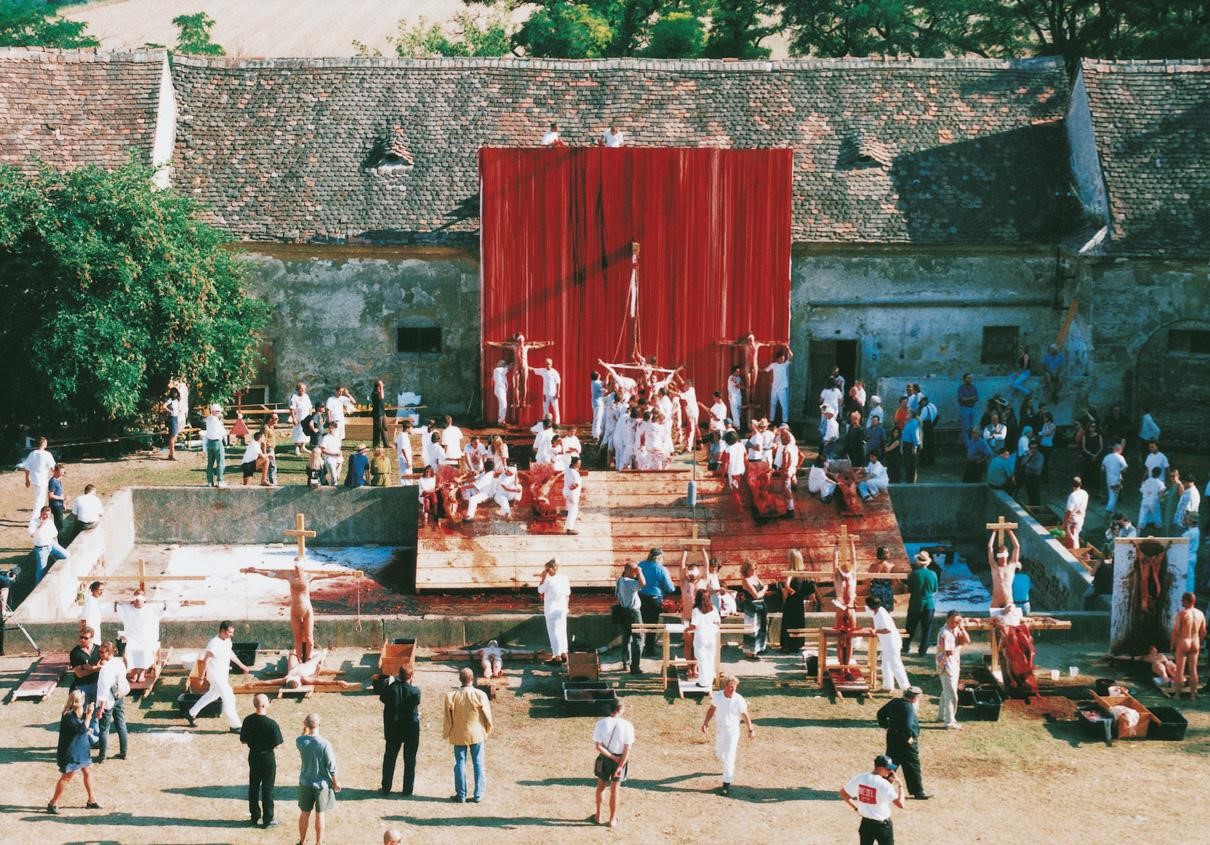
The analysis of Nitsch’s Rausch (intoxication) raises a fundamental philosophical issue: the common tendency to label Nitsch as Nietzsche’s heir. In reality, his work represents a parodic inversion of Nietzschean thought.
Nietzsche’s philosophy centers on Self-Mastery. The Übermensch is the one who masters his own chaos through discipline, not the one who drowns in it. Nitsch’s theater is not a Dionysian ascent, but a primitive regression. It functions as a secularized 'Black Mass'—an 'Inverted Order' closer to the transgressive fanaticism of Frankism than to any actual Nietzschean nobility.
The core misunderstanding lies in confusing Nietzsche’s tragic cynicism with Nitsch’s gratuitous violence. While Nietzsche used the 'hammer' of critique to clear space for a new temple, Nitsch uses it merely for the thrill of the crash.
A more authentic Nietzschean evolution is found in the work of Hermann Hesse, who understood that 'becoming oneself' requires an internal dissection of the soul, not a ritualized butchery of the flesh. Promoting Nitsch’s sadism as 'liberation' is a regressive trap: it promises freedom but delivers only an involution of the spirit. Let’s choose between the butchery of the body and the mastery of the self.
“'I have done that,' says my memory. 'I could not have done that,' says my pride, and remains inexorable. Eventually—the memory yields.” (F. Nietzsche, Beyond Good and Evil, 68).
asthetik-des-rauschs
April 4, 2026 10:25 PM
Julian Techne
Hi Emma, I stumbled on this article as a 'fan' of Nietzsche, thrilled by how the recent rise of AI brings a new, urgent light to the revolutionary reflections of the author. Even though I’m joining the conversation a bit late, your take on the cyborg as an 'architect of thought' feels more relevant than ever.
It’s a brilliant way to frame Zarathustra in the digital age, seeing technical integration as an 'action as affirmation' of the Will to Power. However, as the AI landscape becomes more complex, I find the concept of 'technology' here a bit too broad, which makes it hard to see where the actual autonomy lies.
If we look at this through Foucault’s 'technologies of the self,' we have to ask: is the Nietzschean cyborg actually designing their own 'bridge,' or are they just walking on one pre-built by Big Tech?
Without specifying what kind of technology we’re talking about—open-source empowerment vs. opaque, proprietary algorithms—there’s a thin line between being an Overhuman and just being a 'hyper-disciplined' subject. If you don't own the 'source code' of your own enhancements, can you really be the architect of your own mind?
nietzsche-und-cyborgs
April 2, 2026 11:14 AM
Redaktion
Hier kurz die Auflösung von unserem Jubiläumsquiz.
Damit Sie nochmal mitraten können, erst noch einmal die Fragen:
1) Als welches Tier taucht Nietzsche in einem avantgardistischen Roman des 20. Jahrhunderts auf?
Adler, Schlange, Maulwurf oder Ameisenbär?
2) Wie heißt es in Nietzsches bekanntem Aphorismus "Man muss noch Chaos in sich haben, um einen … gebären zu können"?
Einen "singenden Einfall", "ordentlichen Witz", "lachenden Gedanken" oder "tanzenden Stern"?
3) In welchem Ort umarmte Nietzsche angeblich ein Tier?
Turin, Venedig, Sils Maria oder Naumburg?
4) Welche der folgenden Personen bezog sich in ihren Werken immer wieder auf Nietzsche oder war gar Nietzscheaner?
Theodor W. Adorno, Ernst Jünger, Gustav Landauer und/oder Emma Goldman?
***
Und hier die Auflösung:
1) Gefragt war nach dem Ameisenbär, als den der französische Schriftsteller und Philosoph Pierre Klossowski Nietzsche in seinem experimentellen Roman "Der Baphomet" auftreten lässt. Henry Holland schrieb darüber: https://www.nietzsche-poparts.ch/posts/friede-mit-dem-islam-2
Das war aber auch wirklich eine schwere Frage, da hätte "nicht einmal" ChatGPT weiterhelfen können, dass völlig im Dunkeln tappte, als wir sie ihm spaßeshalber stellten.
2) Easy-peasy, wir meinten natürlich den berühmten "tanzenden Stern".
3) Auch einfach, gefragt war nach dem "Turiner Pferd", das aber wahrscheinlich eine Legende ist.
4) Eine kleine Fangfrage, mit der wir auf die Breite von Nietzsches Wirkung hinweisen wollten. Richtig waren nämlich alle Antworten (man hätte also alle vier ankreuzen müssen).
Hätten Sie es gewusst?
Wir gratulieren herzlich den Gewinnern und danken allen, die teilgenommen haben, für ihr hilfreiches Feedback, das wir bei unserer künftigen Arbeit berücksichtigen werden.
Sollen wir in Zukunft häufiger solche Sonderaktionen machen?
zwei-jahre-durch-walder-von-symbolen
April 1, 2026 3:14 PM
Volker Homann
FW 384 höchst interessant, vor allem im zentralen Aspekt von „Zen“.
jean-baptiste-botul-ein-vergessener-nietzscheaner-aus-frankreich
April 1, 2026 1:16 PM
Jean-Jacques Saint-Preux
Es ist wirklich wunderbar, dass Botul endlich auch auf der anderen Seite des Rheins entdeckt wird. Merci, merci, merci!
Sein Name ist ein Omen: Er war der Ioannes Baptista der westrheinischen Nietzsche-Rezeption - er hat quasi die Post-Postmoderne schon vorweggenommen in seinen Schriften. Und sein unpubliziertes Nachlass birgt noch so viele Schätze!
Ich prophezeie, dass man in 100 Jahren Foucault, Deleuze, Bataille etc. in die Fußnoten verbannt haben und nur noch über Botuls Taxographie sprechen wird (oder eigentlich müsste man im Sinne des doppelten Futur ja schreiben "sprechen werden wird").
Herzlichste Grüße aus Frankreich!
jean-baptiste-botul-ein-vergessener-nietzscheaner-aus-frankreich
April 1, 2026 12:38 PM
Paul Stephan
Danke für diesen wunderbaren Beitrag, Elmar! Endlich wird mit all den Lügen, Halbwahrheiten und sensationalistischen Übertreibungen, die in Sachen Botul im Netz kursieren, aufgeräumt und einmal nüchtern die wissenschaftliche Wahrheit präsentiert!
Was mir bei meinen eigenen Recherchen besonders gefiel, ist Botuls radikale Interpretation von FW 384 (auch so eine ignorierte terra incognita des Nietzscheversums) im Sinne eines "future utopique" und sein darauf aufbauendes Konzept einer "Zukunft der Zukunft", das ihn zu dem wunderbaren Bonmot bringt: "Man wird eigentlich nicht posthum geboren, sondern in der Zukunft der Zukunft beerdigt". - Hoffentlich wird er durch mutige Vorreiter wie dich nun wenigstens posthum geboren! Man sollte ganze Lehrstühle dem Studium Botuls widmen - dieser Beitrag ist hoffentlich die Initialzündung dazu!
jean-baptiste-botul-ein-vergessener-nietzscheaner-aus-frankreich
March 18, 2026 6:17 PM
Paul Stephan
Ich kann dem Grundimpuls von Marquard durchaus etwas abgewinnen. Er verweist auf die Grenzen einer unbeschränkten Veränderungsphilosophie. Als Antidot zu überzogenen Revolutionierungsprogrammen ist das schon brauchbar.
Aber das Problem ist doch, dass man damit ja prinzipiell alle möglichen Missstände legitimieren kann. "Es ist doch ganz gut so, wie es ist - zeig doch erstmal, wie's anders geht." Eigentlich fasst Marquard doch genau diese Spießermaxime in klüger klingende Worte.
Lebenspraktisch gesehen hat das ja seine Berechtigung - aber ist das wirklich gute Philosophie? Die großen Kämpfer um Veränderung, auch die Vorkämpfer unserer jetzigen bürgerlichen Gesellschaft, haben sich davon jedenfalls nicht beirren lassen. Das ist eigentlich eine säkularisierte Neufassung der Idee des Gottesgnadentums (woran auch dezidiert reaktionäre Ideologen wie Yarvin Curtis offen anknüpfen) - ich dachte, damit wäre nach Rousseau, Locke und Montesquieu, ja sogar Thomas Müntzer, wie Nietzsche mit dem Hammer unterwegs, mal langsam Schluss.
Wie ja auch Sartre betont, gibt es Freiheit nur in Situation und nie im luftleeren Raum. Aber das Wunderbare ist doch, dass wir die Chance haben, als Einzelne und kollektiv, diese nicht einfach hinzunehmen wie die Tiere, sondern daraus etwas zu machen. In diesem heroischen Bruch mit dem "Bestehenden" zeigt sich für mich - und da sehe mich ganz einig mit Nietzsche - erst das genuin Menschliche, davor fängt es noch gar nicht an.
Und ja, politisch gewendet ist das auch genau die Ideologie der CDU (und großer Teile der SPD leider; die heutige SPD hätte den "Schlamm auf dem Thron" nicht beseitigt, sondern ihn flehentlich ums Bleiben gebeten, um ja nicht die Stabilität zu gefährden). Der Ungeist der "Raute", der dafür gesorgt hat, dass wir 16 Jahre lang in einer quasi geschichtslosen Zeit gelebt haben - oder es jedenfalls meinten. Das Versprechen der "Raute": Die Zeit stillstellen. So wenig Veränderung wie möglich. Aus diesem Traum erwacht der deutsche Michel jetzt langsam, reibt sich die Augen und stellt fest, dass unterdessen die Welt eine ganz andere geworden ist. Da wäre mir etwas weniger "Marquardismus" schon sehr recht. (Dass die Veränderungsideologien, die es so gibt, ihrerseits ihre Probleme haben, möchte ich damit nicht bestreiten.)
abgrund-und-ermoglichung-die-schwebe-der-kontingenz
March 18, 2026 9:12 AM
mma
Man tut Marquart Unrecht, wenn man ihn zu einem bloßen CDU-Meisterdenker erklärt. (Und was ist überhaupt gegen ein gutes CDU-Programm zu sagen?!?) Genauer wäre es wohl, wenn man ihm im Sinne von Rortys „ironischen Liberalen“ als einem ironischen Konservativen deutet. Philosophisch anspruchsvoll ist seine Ironie als Erdung in der Existenz im Sinne von Sterblichkeit. Lebenskürze verlangt Üblichkeit:
„Zukunft braucht Herkunft: „die Wahl, die ich bin“ (Sartre), wird „getragen“ durch die Nichtwahl, die ich bin; und diese ist für uns stets so sehr das meiste, dass es – wegen unserer Lebenskürze – auch unsere Begründungskapazitäten übersteigt: Darum muss man, wenn man […] überhaupt begründen will, nicht die Nichtwahl begründen, sondern die Wahl (die Veränderung): die Beweislast hat der Veränderer.“ (Abschied vom Prinzipiellen. Abschnitt 3)
Daher plädiert Marquart für eine minimalinvasive Philosophie. Halte das für sehr heilsam gegenüber den philosophierenden Konzepten von Woke und MAGA, die den absoluten Elan von Jugendbewegungen besitzen.
(Kritisieren könnte man ihm von der Deutung der Existenz her. Arendts Idee der „Geburtlichkeit“ und auch Bachelards Begriff von seelisch-poetischer „Getragenheit“ könnten da weiterführen. Sloterdijks „Sphären“ hat das wunderbar ausgeführt.)
abgrund-und-ermoglichung-die-schwebe-der-kontingenz
March 13, 2026 11:27 AM
Yaman Van De Meer
An die Schriftstellerin Estella Walter,
ich habe Ihren Artikel über Nietzsche gelesen und bewundere Ihren Mut, ihn als Chamäleon zu beschreiben und zu versuchen, den Willen zur Macht mit dem Marxismus in Verbindung zu bringen. Aber lassen Sie mich offen sein: Ich hatte das Gefühl, dass Sie versuchen, einer Philosophie, die keine Grenzen kennt, einen ideologischen Rahmen aufzuzwingen. Nietzsche war weder Marxist noch Faschist im simplen Sinne, wie wir ihn heute verstehen; vielmehr suchte er nach etwas Tieferem: der Menschheit, die sich selbst, ihrer eigenen Existenz und den Realitäten von Schmerz und Tod stellt.
Der Wille zur Macht, den Sie als „Rechtfertigung für Hierarchie“ beschrieben haben, ist nicht bloß eine politische Waffe, sondern der Puls des Lebens selbst, der Faden der Kreativität, der Transzendenz und der Rebellion gegen alle Zwänge. Glauben Sie nicht, dass Ihre Lesart ihn auf einen engen Blickwinkel beschränkt hat, als hätten Sie Nietzsches Geist in einen marxistischen Käfig gesperrt?
Ich frage mich: Können wir über Nietzsche außerhalb des Kontextes von Ideologien sprechen und ihn als Aufruf zum Verständnis lesen, nicht als vorgefertigtes Werkzeug der Kritik? Vielleicht liegt die Antwort in der Art und Weise, wie Sie ihn verstehen, und vielleicht in Nietzsches eigener Art, sich jeder Kategorisierung zu entziehen.
Ich würde mich freuen, wenn Sie Ihre Gedanken mit mir teilen würden, nicht als vorsitzender Richter, sondern als Mitdenker, der in den Schriften dieses rätselhaften Philosophen nach der Wahrheit sucht.
Yaman Van De Meer
das-chamaleon-nietzsche
March 12, 2026 9:47 PM
Paul Stephan
Ja, das sind berechtigte Fragen! Ich interpretiere Blochs Begriff im Sinne einer kämpferischen, engagierten Welthaltung. Es geht dabei nicht darum "militant" im wörtlichen Sinne zu sein. Er will damit hervorheben, dass wahrhafter Optimismus nicht bedeutet, dazusitzen und darauf zu warten, dass schon alles von selbst gut wird, sondern mit Vertrauen in die eigenen Fähigkeiten die objektiven Möglichkeiten der jeweiligen Situation zu erkunden und daraus das Beste zu machen. Und der Begriff impliziert auch, tapfer an die positive Veränderbarkeit der Situation zu glauben und sich nicht von den (scheinbaren) Verzweiflungsgründen kleinmachen zu lassen. Kurz: Es einfach mal mit wachem Blick zu versuchen. "Das Hoffen zu lernen" in diesem Sinne scheint mir heute wichtiger denn je - und Nietzsche kommt dem in den zitierten Passagen sehr nahe.
Mit "Reich" verstehe ich hier die bestehende nihilistische Weltordnung, das "Empire" aus dem Gedicht von Arthur O’Shaughnessy. Aber ich habe das bewusst so offen und vage formuliert, da es mir hier nicht um politische Agitation geht. Ich möchte einfach an den radikalen revolutionären Anspruch von Nietzsches Philosophie erinnern. Man darf sich selbst vorstellen, was für einen selbst das "Reich" ist und welcher "neue Leib" an seine Stelle treten soll. Nietzsche ging es um die Überwindung der "Sklavenmoral" und eine kulturelle Renaissance. Heute ist das Problem vielleicht eher eine eskalierende Pseudo-"Herrenmoral", dass selbst und gerade die "Elite" keinerlei Glauben an irgendetwas mehr hat: "Nun lebten sie frech in kurzen Lüsten, und über den Tag hin warfen sie kaum noch Ziele."
Ich sehe die Gegenwart sehr zwiespältig. Einerseits genießen wir im "Westen" ein ungeahntes Maß an individueller Freiheit, andererseits scheint in der Welt gerade einiges aus dem Ruder zu laufen - was auch diese Freiheitsspielräume nicht unberührt lässt. Wie können wir angesichts der zunehmenden Absurdität der Welt Haltung bewahren und an unseren Idealen festhalten? Wie konnte es überhaupt soweit kommen und was wäre nötig, um wieder "auf Kurs" zu kommen? Es gibt einiges für uns zu tun als Philosophen ...
Ich werde mal ganz konkret: Vor allem in den USA scheint die "Elite" seit zwei Jahren völlig in eine Parallelwelt geflüchtet zu haben. Was ist der Glaube, der hier noch irgendetwas motiviert?`Es geht offensichtlich nur noch darum, permanent irgendwelche Erregungszustände herbeizuführen, Signifikanten ohne Signifikat, bzw. sich selbst in solche zu versetzen. Der Depression als Einsicht in die Vergeblichkeit des eigenen Tuns muss immer wieder neu ausgewichen werden. Das erinnert alles an einen Ertrinkenden, der nochmal wild um sich schlägt vorm Absaufen. An die Stelle realen Wirtschaftens tritt Ökonomiesimulation, das Völkerrecht erweist sich mehr und mehr als "Fetzen Papier", ganze Nationen werden zu Freiwild erklärt ... Seit Beginn des Jahres scheint der Wahnsinn völlig ausgebrochen zu sein. Das deutet alles darauf hin, dass da der Kollaps eines "Reiches" kurz bevorsteht - die entscheidende Frage wird sein, was an seine Stelle treten wird; ein neuer Anfang oder ein weiteres Absinken in den Strudel?
Wir müssen da vor allem aufpassen, selbst auf Kurs zu bleiben!
zwei-jahre-durch-walder-von-symbolen
March 12, 2026 5:53 PM
mma
Da stellen sich mir die Fragen, was das Militante in der „militanter Optimismus“ (Ernst Bloch) sein soll, was unter "dieses Reich zu Fall zu bringen" zu verstehen ist, was es bedeuten soll "einen neuen Leib aus seinen Ruinen hervortreten zu lassen"? - Klingt mir alles zu sozialistisch. Ansonsten: Spannendes erreicht und die Illustrationen von Linus Rupp sind erstklassig.
zwei-jahre-durch-walder-von-symbolen
March 4, 2026 2:27 PM
mma
Starker Text. Dachte bei der Frage, wer bereit wäre, sich wehrlos zu machen, spontan an Marcel Mauss: Die Gabe. Dort das Phänomens eines Wettkampfes in der Bewirtung von Gästen, Großzügigkeit rührt zur Großzügigkeit. Ansonsten: Europa als Art eines postimperialen Imperiums, was durch seine - bisherige - Immunität gegen Realpolitik und seine sympathische Vielfalt von Lebenskünsten ein Charisma der Wehrlosigkeit weckt. Europa könnte die Großmacht der Posthistorie werden, wenn es stolzer auf seine Errungenschaften wäre und sich nicht in moralische Regulation als Kompensation fehlender Stärke verausgaben würde.
frieden-aus-starke
March 3, 2026 5:05 PM
Theodor Schild
Ausgezeichneter Beitrag!
frieden-aus-starke
February 11, 2026 2:02 PM
Henry Holland
Tobias Kurpat geht dieses Thema gekönnt essayistisch um: Die Figur der Barbaren wird umgekreist, statt mit systematischer Schwere festgenagelt. Dabei wird aber die linke Nietzsche-Rezeption zu einfältig dargestellt, die Linken schon wieder zur wahren Helden der Geschichte stilisiert: Und eine wirklich Auseinandersetzung mit den Rechten—bis hin zu einem Zitieren dieser Rechten, kann man sich das vorstellen?—, aus dem Weg gegangen.
Anders als von Kurpat dargestellt, wenige aber wirkungsvolle Vertreter eine linke Nietzsche-Rezeption haben Nietzsche sehr wohl "beim Wort" genommen: Und auch zurecht, bezüglich mehreren Schlüsselthemen. Hier ist vor allem der Historiker Domenico Losurdo zu nennen. Mit Statements von vielen Zeitzeugen, welche die erste Generation der Nietzsche-Rezeption mitgestaltet haben (u.a. viele Linken, z.B. Franz Mehring—im Spartakus/Anti-Kriegs-Flüger im 1. Weltkrieg), zeigt Losurdo überzeugend auf, dass 1. viele Nietzsches Zeitgenossen Nietzsche "beim Wort" nahmen; 2. dass in einigen Schlüsselthemen, N. wollte beim Wort genommen werden: Oder mindestens v. den Kreisen, die ihm Nahe stand. Hier z.B. ist George Brandes (in der englischen Übersetzung zitiert) reagirend auf Nietzsches tatkräftige Unterstützung der real existierende Sklaverei u. Eugenikpolitik: "For Nietzsche, the size of progress must be measured by the sacrifices it
requires. Hygiene that keeps alive millions of the weak and useless, of
people that would be better dead, does not for him constitute real pro
gress." (Zitiert nach Losurdo, engl. Spracheausgabe, 2022).
Wo Kurpat und ich eventuell übereinstimmen würden (hoffe ich zumindest), ist die Realisierung, unabhängig der Verwerflichkeit einiger Nietzsches politischen Überzeugungen, dass es fatal wäre, ab jetzt seine Erbe nur den Neuen Rechten zu überlassen. Aber um in dieser Sache etwas zu erreichen, muss man wegkommen von der intellektuellen (und manchmal auch ethischen) Überlegenheitsgeste, welche die Linke so sehr auf die eigene Fahne schreiben. Es mag sein, dass die Linke in dieser Debatte durchgehend u. auch schlussendlich "im Rechten" waren und es immer noch sind: Dass wird aber die bei den neuen Rechten, oder aber auch die noch Unentschlossenen, herzlich wenig beeindrucken. In dieser psychologischen Konstellation, ist es mehr als fragwürdig was Kurpat mit dem Vorwürfen der "Pseudowissenschaftlichkeit" und des "Neoreaktionären" Seins gegen die Neuen Rechten erreichen will. z.T. Pseudowissenschaftlichkeit: Was hält dann Kurpat von den Unmengen von "Wissenschaft (?) (?)", die linkspolitischen AutorInnen derzeit in Peer-Reviewed-Journals zu wichtigen Themen wie "autoethnography", oder wie Lehrkräfte mit unterschiedl. Gender-Vorstellungen sich unterschiedlich verkleiden, veröffentlichen? Beispielsweise kann eine solche besagte Autor*in, wenn nur "gut genug", beim Peer-Review-Journal Social Sciences für nur 1800 Schweizer Frank (richtig: Achtzehnhundert)) "Article Processing Charge" veröffentlichen. Konkret über Themen wie "autoethnographic journals", denn dieser gehören zweifelsohne den "hard sciences" an, oder? (Aufgerufen 11.2.2026, https://www.mdpi.com/journal/socsci/special_issues/4DVOO1LC46
Parodie oder ein Stigmatisieren durch Ein-Wort-Beschimpfungen ("pseudowissenschaftlich") bringt Lesende auch nicht weiter, wenn es darum geht, die Nietzsche Lese-Art der Neuen Rechten tiefer zu verstehen: Und dadurch zu bekämpfen. Kurpat selbst hat das wichtige Thema der Genetik, und den Neuen Rechten Umgang damit, thematisiert: Ein Feld, wo die Eugenik immer wieder mitschwimmt. Aber statt realen Akteuren der neuen Rechten hierzu zu zitieren, z.B. Costin Vlad Alamariu, wessen 2023-Buch Selective Breeding and the Birth of Philosophy mitten in das Genetik-Eugenik-Feld einmarschiert, geht Kurpat auch hier eine echte Auseinandersetzung aus dem Weg. Persönlich halte ich Selective Breeding (2023) für komplett verwerflich, dennoch ehrlich (letzteres kann man nicht immer den Linken beim Umgang mit der Wissenschaft bezeichnen). Es gibt z.B. eine in Europa sozialakzeptierte Form der Eugenik (des "Selective Breeding"): Und vielleicht ist das richtig: Vielleicht soll es sie geben: Seit der massiven Ausbreitung der pränatale Diagnostik gibt es ein massives Zurückgehen von Menschen, die mit Downs Syndrome u. anderen (relative häufigen) Behinderungen geboren werden. In dieser Sache haben de Graaft et al. (2021) nachweisen können, dass die Anzahl der Menschen, die mit Trisomie 21/Downs Syndrom geboren sind, zw. 2011-2015 bei 54% (!) in Europa zurück gegangen ist: Verglichen mit der Geburtsrate, wenn es die selektive Abtreibungen nicht gegeben hätten. (de Graaf, G., Buckley, F., & Skotko, B. G. (2021). Estimation of the number of people with Down syndrome in Europe. European Journal of Human Genetics, 29(3), 402–410. https://doi.org/10.1038/s41431-020-00748-y, hier S. 403-404)
Frage, zuletzt: Wird gegen Unsafe House geschossen, weil House geg. HGB Leipig schießt? Seinen You-Tube-Kanal bezeugt das
der-ubermensch-im-hamsterrad
January 22, 2026 10:58 AM
Henry Holland
Hats off to you, Dr. Dann, for your ability to still be moved! Back here amongst German-speaking intelligentsia, on the fringes of the Nietzsche Studies establishment, the gift of reacting emotionally to religious experience & thought is eyed with more than suspicion. Which again begs the question: for a diehard secularist, what moved Nietzsche to spend so much of his brilliant prose on this polemical (indeed often abusive) dialogue with religious people & movements, e.g., Islam & Christianity? And I love hearing the trouble-stirring Antichrist (aka F. Nietzsche), Rudolf Steiner, & Henry Thoreau mentioned in the same breath: despite the evidence of Nietzsche reading the American transcendalists (I think more Emerson than Thoreau) this vein has hardly been mined. Finally, a riff-off Pierre Klossowski's Muslim-inflected reincarnation fiction that is centered in Part II of my essay here on POParts: if Klossowski (his 1965 novel) has N. reentering existence as an anteater, which messages, spinning Klossowski's fiction further, would Nietzsche now have for his audiences if he were to reincarnate as a tour guide in the 2020s, in Genoa or Leipzig, two of his cities of choice?
friede-mit-dem-islam
January 21, 2026 8:06 PM
Kevin Dann
Thanks Henry Holland for your humane crying out into the streets: “Come, friends, let us meet the Other without collapsing into Fear!” while walking blithely and bravely right into the messy middle where beauty and hospitality and Fear and Charity live harmoniously in the same few blocks.
You do a graceful pas de deux round the dread anti–Semitism; you do what Nietzsche would demand, what Steiner would demand, what Thoreau would demand, what Kafka would demand—you try to SEE. Having been a tour guide for a decade in the belly of that Beast Gotham, I know the drill. Only a few courageous ones can pull it off as deftly as you do here.
The neighbor, the pakora, the charity shop, the beard, the sectarian awkwardness, the red sandstone, the heat—all the indispensable elements where the future will be decided. Bravo!
friede-mit-dem-islam
January 21, 2026 12:39 PM
Olimpia
Der „Barbarin“-Gedanke zieht sich als roter Faden durch Politik, Gesellschaft, Mode und Philosophie: Er beschreibt Frauen, die sich dem System nicht durch offenen Kampf, sondern durch bewusste Verweigerung entziehen. Ihr stärkstes Werkzeug ist das stille, kompromisslose „Nein“ – ein Nein zur Selbstaufopferung, zur Dauerverfügbarkeit, zum männlichen Blick und zu den alten Regeln der Macht.
Manche Frauen treten zurück, nicht, weil sie scheitern, sondern weil sie den Preis für grenzenlose Hingabe nicht mehr akzeptieren. Auch der leise Rückzug vieler Frauen aus der Kommunalpolitik ist Teil desselben Musters – ein Nein zu Hass, Sexismus und dauerhafter Angreifbarkeit. Gleichzeitig formieren sich Frauen fraktionsübergreifend neu und verweigern traditionelle Rivalität: Sie entziehen sich damit der alten politischen Logik.
Manche, statt als dekorative Figur neben dem Machtzentrum zu funktionieren, nutzen die Kleidung und Gesten nicht zur Bestätigung des Systems, sondern zur Abgrenzung. Wenn sie den Blick senken, schweigen oder Grenzen setzen, wird dies als Provokation gelesen – nicht weil sie etwas Falsches tuen, sondern weil sie sich weigern, die gesellschaftliche Pflicht zur ständigen Lesbarkeit zu erfüllen.
Die Metapher des tief ins Gesicht gezogenen Hutes bündelt dieses Prinzip. Er ist kein Versteck, sondern ein Schutzraum: ein Entzug des Blicks und damit der Verfügungsmacht anderer. Wer ihre Augen nicht sieht, kann sie nicht einordnen. Die Frau wird unlesbar – und damit unkontrollierbar. Mode wird zur Rüstung einer Subjektwerdung, die das System provoziert, weil sie die erwartete Gefälligkeit verweigert.
Ihr Verhalten ist ein praktisches „stilles Nein“: Sie lässt sich nicht in das erwartete Skript der gefälligen, stets verfügbaren politischen Partnerin pressen. Gerade diese Verweigerung macht sie zur Barbarin unserer Zeit – zu einer Frau, die ihre eigene narrative Macht behauptet, indem sie nicht liefert, was die Öffentlichkeit von ihr verlangt.
Philosophisch ist dies ein Akt der radikalen Autonomie. Die Barbarin bricht den „Blick des Anderen“ (Sartre), beansprucht Glissants Recht auf Opazität und verkörpert eine negative Freiheit im Sinne Berlins: Freiheit von Erwartungen, von Lesbarkeit, von Verfügbarkeit. Sie hört auf, ein Bild für andere zu sein, und beginnt, eine Existenz für sich selbst zu führen.
Das „stille Nein“ der modernen Barbarin ist damit keine Flucht, sondern ein Gegenentwurf. Im Schatten der Hutkrempe sammelt sie Kraft, definiert sich neu und bildet eine Macht, die alten Strukturen gefährlich wird: die Macht jener Frau, die nichts mehr beweisen muss – und die selbst entscheidet, wann und wie sie sichtbar wird.
barbarinnen---wenn-frauen-zur-gefahr-werden
January 16, 2026 8:40 AM
Mario Beilhack
Auf den Punkt und jetzt „auf die Schiffe“ ihr Philosophen! Verlassen wir die öden Gestade der Ressentiments!
vom-leugner-uber-die-verschworungstheorie-zum-ghosting
January 16, 2026 2:19 AM
angelika schober
ein sehr interessanter und guter artikel
vom-leugner-uber-die-verschworungstheorie-zum-ghosting
December 29, 2025 9:43 PM
Paul Stephan
Ein kleines Update: Meine Tochter Charlotte Emma Luise wurde am 26. 12. geboren.
vater-sein-mit-nietzsche
December 26, 2025 6:13 PM
Waldgänger
Ein Einwand gegen den vorherigen Kommentar (mma, 3.12.2025): Wenn Philosophie nur als erbauliche Erholung von der Abnutzung durch vermeintlich fortschrittliche technokratische und kapitalistische Betriebsabläufe dient, anstatt sich mit diesen kritisch auseinanderzusetzen, verkommt sie trotz ihres tendenziell nonkonformistischen Charakters zu einer affirmativen Parteinahme für das Bestehende. In diesem Sinn, nämlich zur Aufwertung eines an sich wenig rühmlichen "Mitmachens" - man will sich eben trotz allem den Anschein geben, irgendwie rebellisch zu sein -, haben heute so manche Philosophie nötig. Sich dies einzugestehen, ist vielleicht der erste Schritt, den philosophischen Anspruch einzulösen, der ansonsten mitunter in schreiendem Gegensatz zum tatsächlich praktizierten Verhalten steht. Übrigens gibt es an Nietzsche so manches zu kritisieren, nicht aber mangelnde Selbstkritik: "Wohlan, ich hatte Wagner nötig", gesteht er sich ein und erkennt sich somit im Rückblick als einen der "Täglich-Abgenützten", denen eben Wagners Inszenierungen "eine Art Ferien für Geist, Witz und Gemüth" zu bieten hatten. Es wäre schade, wenn sich Philosophie heute auf eine vergleichbare Funktion reduzieren würde. Dass sie inzwischen ein Nischendasein führt und man sich Zeit und Ressourcen freigeschaufelt haben muss, um sich tiefgehend mit philosophischen Fragen befassen zu können, ist unbestritten. Es hilft der Philosophie, inmitten funktionalistischer Abläufe und zunehmender Trivialität des Alltags gewissermaßen zu überwintern. Wenn sie sich allerdings nicht mehr aus ihrem Versteck hervorwagt, auf gesellschaftliche Entwicklungen Einfluss nimmt und mitunter zum Stein des Anstoßes wird, hat sie ihren eigenen Anspruch verfehlt.
der-sinn-ist-gefallen-doch-ich-traume-noch
December 22, 2025 9:17 PM
Paul Stephan
Maybe Rilke's poetic vision of a "belief without chapels which silently does it wonders" could serve as an inspiration for people of Christian, Jewish, and Muslim background alike to overcome the current horrible conflicts and work jointly on a world without fanaticism: https://youtu.be/ETmwrW7L7s8?si=GS8NKHH7WCqjnMkg
(And of course one should reread Lessing's "Nathan", always!)
friede-mit-dem-islam
December 22, 2025 9:07 PM
Paul Stephan
Thank you for your response to my comment.
Well, it does not address my main points but changes the topic to the war in Gaza which I only mentioned in a side note. And it does not even give one counterargument to my point that Islam chauvinism might by *one* reason (of many) why the conflict in Palestine is so persistent.
I could now write a lot about my analysis on Gaza but this was neither the topic of my comment nor of Henry's article so I prefer not so discuss it here.
I can just repeat myself here: Jewish chauvinism is of course a problem as well and also Christian chauvinism.
friede-mit-dem-islam
December 22, 2025 6:23 PM
Ferdinand Hardekopf
Holland's brave essay, which refuses to fall into the Islamophobic trap that the Right are working so hard to ensare us in, is hardly worthy of the clichéd predjudices that Paul Stephan and mma seem desperate to reduce it too. Dressed up as liberalism, but merely doing the donkey work of the Reaction, these two commentators are obssessed with turning the conversation back to Hamas, and Heinsohn's outdated and social-darwinistic concept of the "youth bulge": although Holland doesn't even mention these two themes. Because the article is not about them. The collective Stephan invokes in his comment, "us secular non-Muslim intellectuals," does not exist with regard to Muslims in Glasgow & other places in the Global North today: the actual subject of the essay. His splinter group, German-language intellectuals who remain ethically confused & paralysed by the legacy of the Holocaust, won't fail to take the chance to mention Hamas. But fail consistently to talk publicly on the real issue impacting Muslims worldwide: the ongoing and now rebranded genocide in Gaza and the West Bank. Fascinatingly, Haaretz, Israel's oldest Hebrew & English language newspaper, has no problem speaking directly to this reality: their June 26, 2025 report: "100,000 Dead: What We Know About Gaza's True Death Toll": https://www.haaretz.com/gaza/2025-06-26/ty-article-magazine/.highlight/100-000-dead-what-we-know-about-gazas-true-death-toll/00000197-ad6b-d6b3-abf7-edfbb1e20000?fromLogin=success Hamas, by comparison, with around 16,000 still active fighters, account for a whole 0.000008 % of the world's Muslim population. And Hamas' undeniable anti-Semitism is meant to be representative for Judaism & Jewry as a whole?
Sadly, Mr. Stephan's ahistorical and anti-historical analysis of the situation goes from bad to Vance-Netanyahu-Trump-Orban alliance politics, in a dangerously naieve piece of victim blaming: "I think that one of the reasons why the Near East Conflict does not come to a close is simply that from an Islamic standpoint it's hard to accept that they must relinquish a slice of the once conquered region." Ouch. "Must relinquish a slice": have you studied the recent historical sources, Mr. Stephan? Like books by and interviews with Israeli historian Benny Morris, darling of the German pro-political Zionist "Left"? Like the interview Morris gave in the Hebrew-language edition of Haaretz on 8 January 2004, under the title ‘Survival of the Fittest’, which was reprinted in English translation in March 2004 in the New Left Review: https://newleftreview.org/issues/ii26/articles/benny-morris-on-ethnic-cleansing Morris: "What the new material shows is that there were far more Israeli acts of massacre [during the Nabka; from c. 1947] than I had previously thought. To my surprise, there were also many cases of rape. In the months of April–May 1948, units of the Haganah [the pre-state defense force that was the precursor of the IDF] were given operational orders that stated explicitly that they were to uproot the villagers, expel them and destroy the villages themselves." And with even Zionist historians acknowledging "far more Israeli acts of massacre" than previously thought, and with the "many cases of rape"-sexual violence deployed strategically to crush psychologically the non-Jewish, and 95% Muslim population - will Mr. Stephan continue to assert the obsenity that if only the "Islamically minded" would get on with doing what they "must," and hand over a slice of the territory they've lived on for centuries, that all would be well, that the thousands of settler colonialists would throw their weapons into the river or the sea, and shake hands with the grandchildren of those they massacred, expelled, and raped? And with what motivation simply "relinquish" this land, if the IDF is going to take it anyway, with its incomparably superior force of strength. If this is what Nietzschean perspectivism does to you, they should warn the young against it.
Finally: as Stephan proposes that an "inner-Muslim education campaign" is necessary, let's begin with educating the resiliently pro-genocide of Muslim populations faction. The "war" did not start in October 2023, & Netanjahu and his cabinet did not decide to execute the genocide as a retaliation for Hamas' October 2023 terrorist attack; the genocide, backed by a big majority of Israel's population, is not caused by Hamas' anti-Semitism; the 3000 murdered Palestinian civilians in the 2008-2023 period, as documented by the United Nations Office for the Coordination of Humanitarian Affairs (OCHA; https://www.ochaopt.org/data/casualties) is testament that the international community will certainly back a drawn out decimation of a Muslim population. Intellectuals, refusing to see the reality before their eyes, and in the pattern of classic, untreated neurosis, want to turn from this reality to the marginal issue of Muslim anti-Semitism. Providing useful cover. Should this go unchallenged?
friede-mit-dem-islam
December 21, 2025 3:44 AM
Paul Stephan
Dear Rafael,
thanks a lot for your enlightening remarks.
Until recently, I was totally convinced that the famous anecdote of the marriage proposal(s) were right. It is actually repeated in every biographical text you find on Nietzsche.
When I wrote my text "Who Was Nietzsche?" for his blog, I did some research on Nietzsche and Lou Salomé on my own and I was also astonished by the fact that when you just have a look at the letters of Nietzsche, Lou, and Rée - the best and most reliable source we have on this matter - very little can be said about the actual nature of Nietzsche's and Lou's relationship, not even if it was romantic at all. But I still decided to repeat the story.
I now did some more research and I have to admit that I find your concerns highly plausible. Even the standard biographer Curt Paul Janz only gives Lou's account as a source when writing about the alleged first proposal. But why is she treated as a credible source? Just read the chapter on her in Carol Diethe's great book on Nietzsche's women!
I have taken up your concerns in a footnote to our most recent article on Nietzsche and fatherhood, mentioning you: https://www.nietzsche-poparts.ch/posts/vater-sein-mit-nietzsche
So yes: We all should definitely treat the proposal story with a lot more skepticism in the future. At least I will do it and maybe revise the passage about it in my "Who Was Nietzsche?" text.
Maybe Lou is not outright lying, however. I think it's at least possible that Nietzsche just spoke about his documents plans of a "terminable marriage" to her and she interpreted it as a proposal? But this just an ad hoc idea that would need more research to back it up.
I would treat this anecdote a bit similar to the "Turin horse" event, however. Maybe, when it comes to stories like these, it's not so much about their empirical truths but about a deeper truth they transmit - maybe not so much about the empirical Nietzsche but about Nietzsche as an cultural archetype of modernity. It's obviously a modern repetition of the medieval story on Aristotle and Phyllis. The chauvinist free spirit, preaching independence and solitude, is overwhelmed and humbled by a young, intelligent woman and his own desire for love and maybe sexuality. And Nietzsche seems to present himself as a second Aristotle on the famous photograph!
The Turin horse, Lou, his illness, maybe syphilis - this all forms a modern myth, a myth of a tragic hero of individualism, overwhelmed by his bodily desires. Surely a myth according to Nietzsche's own taste. And we can choose to read it either as a tragedy or a comedy. Maybe we can find a way to indulge these orienting myths and treat them as fictions at the same time?
And I think that this myth is not that far from the actual truth. I'm not an expert on Nietzsche's biography but my current version of the Lou episode would go like this: He was looking for a young intelligent woman who would serve as his personal assistant, mainly as a reader (as is clearly document in a letter to Overbeck from that period). Then he met Lou and hoped to find this woman. Not so much a lover but a friend, helper, and maybe even student. His Tautenburg notes clearly demonstrate how inspiring this encounter with Lou was for him. But then, probably even in Tautenburg, he also developed a romantic and erotic attachment to Lou that she could not reciprocate and which made their friendship impossible in their own eyes.
But there's maybe another possibility: There's an interesting note in Lou's diary of her stay in Vienna in 1912/13 which hints into this direction - and as far as I know this is an authentic diary, not meant for publication. She recalls how her dialogues with Nietzsche touched upon sexual matters (in this case, the alleged connection between masochism and homosexuality), which led to both feeling embarrassed. (I mention it here: https://www.nietzsche-poparts.ch/posts/eine-neue-nietzsche-biographie) So maybe the reason for their break up was mainly that Nietzsche had the feeling that he had revealed too much about himself to her and felt ashamed - and she was embarrassed by Nietzsche's revelations. If this version was true, it would resonate very well with Nietzsche's later thoughts on friendship.
In any case: There's much more to be discovered!
Kind regards!
dionysos-ohne-eros
December 7, 2025 7:19 PM
Пухов Антон Олегович Кронштадт
Кронштадт
auf-bedenklichen-wegen
December 5, 2025 8:41 PM
Paula
Ein großartiger Text, der zum Nachdenken über die Stellung der Frau in der heutigen Gesellschaft anregt.
barbarinnen---wenn-frauen-zur-gefahr-werden
December 4, 2025 3:12 AM
Rafael
Nietzsche never proposed marriage to Lou von Salomé. The idea that Nietzsche did this was refuted by Rudolf Binion, who released a biography of Salomé in the 1960s. The book has been ignored by Nietzsche scholars for reasons I can't fathom, but at least it was endorsed by Walter Kaufman. Binion shows that Salomé fabricated the proposals and gave an incorrect account of her relationship with Nietzsche. She maintained, for example, that she was the one who broke off the friendship with Nietzsche, when the letters that N. sent her prove just the opposite. After Nietzsche died, she began to claim that he had proposed marriage twice. Binion also says she did the same to a man she had met in Russia prior to getting to know Nietzsche, a married Dutch pastor who introduced her to the world of religious psychology. After this man died, she started to claim he had proposed marriage to her, and offered to leave his wife for her. It is also important to point out that not only Elizabeth Nietzsche but also Ida Overbeck explicitly denied that Nietzsche had proposed anything of that kind to Salomé. I know that Elizabeth's credibility has been called into question. But 100 years later, nothing of the sort has emerged regarding the Overbecks, who didn't even like Elizabeth.
My frank opinion is that Salomé's romantic fables were accepted so eagerly because, among male scholars, they're titillating as they provide a supposedly real life encarnation of the femme fatale archetype; and among female scholars, it offers revenge against Nietzschean misogyny and, among those who love his books, facilitates making peace with him for being so wrong about them.
dionysos-ohne-eros
December 3, 2025 5:41 PM
mma
"Sie kaufen Stocks, denn Reichtum ist das Ziel."- Warum nicht?! Haben kann das Sein unterstützen. Mehr Nvidia und Bitcoin in diesem Jahr gekauft und verkauft und dann mehr Zeit und Kraft für Camus und Co. - Ein kleines System in dem System Wirtschaft, das - wie so viele großartige andere Systeme (Bildungssystem etc) dabei hilft, zb das System "Philosophie" am Laufen zu halten und bei dem man, ganz nebenbei, durch seine Steuern auf die Gewinne und Geschenke viele andere Systeme unterstützt. Die Nischen leben, dank der Systeme. Das optimierte Funktionieren ermöglicht den Entwurf von Sinn, der das Leben zeitweise und immer wieder rechtfertigt. Danke Technik, danke Fortschritt, danke Kapitalismus.
der-sinn-ist-gefallen-doch-ich-traume-noch
November 27, 2025 11:48 AM
Emma Schunack
Liebe Barbara Straka,
haben Sie vielen Dank für Ihre ausführliche Rückmeldung. Ich schätze Ihre Ergänzungen sehr.
Zu Ihrer ersten Anmerkung: In meinem Artikel beziehe ich mich auf die Friedrich-Nietzsche-Stiftung Naumburg– nicht auf die Nietzsche-Gesellschaft.
Auch bezüglich des Shops im Erdgeschoss des Nietzsche-Hauses danke ich Ihnen für die Einordnung. Da dort überwiegend Bücher erhältlich sind, habe ich ihn als „Bücherladen“ bezeichnet. Für Ihre zusätzlichen Informationen zur historischen Entwicklung des Kassenbereichs und zum heutigen Museumsshop bedanke ich mich herzlich.
Mit freundlichen Grüßen
Emma Schunack
nietzsche-und-cyborgs
November 24, 2025 12:07 PM
Barbara Straka
Liebe Emma Schunack, vielen Dank für Ihren ausführlichen Bericht zum letzten Nietzsche-Kongress. Ich habe nur zwei Anmerkungen zur Richtigstellung: Die Nietzsche-Gesellschaft wurde nicht erst 2008 gegründet, sondern besteht bereits seit Anfang der 1990er-Jahre. Vor ihrem Umzug nach Naumburg befand sie sich in Halle/Saale. Bitte nochmal recherchieren, wann sie nach Naumburg umzog. Wichtig wäre hingegen, auf die später gegründete Friedrich Nietzsche-Stiftung hinzuweisen. Jedenfalls sind das zwei völlig verschiedene Körperschaften mit unterschiedlichen Gremien, Gründungsterminen und Aufgaben.
Meine zweite Anmerkung betrifft den Bücherverkauf im EG des Nietzsche-Hauses. Dieser "Laden" war vorher Kassenbereich, und man konnte schon zuvor dort einiges an neuer Nietzsche-Literatur kaufen. Vor zwei oder drei Jahren wurde der Raum als Museumsshop mit Neuerscheinungen und kleinem Antiquariat deutlich ausgebaut, aber es ist gegenüber der Museumsfunktion, die das Nietzsche-Haus seit seiner Wiedereröffnung in den 1990er-Jahren hat, sekundär. Seit April 2024 befindet sich eine neu eingerichtete interaktive Ausstellung in den Räumen, da kein authentisches Mobiliar erhalten ist, denn das ehem. Wohnhaus der Familie Nietzsche war im 20. Jahrhundert ein normales Mietshaus und zu DDR-Zeiten achtete man das "Erbe" nicht; das Haus war sehr verfallen. Alles nachzulesen in meinem Buch "Nietzsche forever? Friedrich Nietzsches Transfigurationen in der zeitgenössischen Kunst". Mit freundlichen Grüßen, Barbara Straka
nietzsche-und-cyborgs
November 21, 2025 4:18 PM
Emma Schunack
Ich verstehe es so, dass Gemeinschaft aktiv als Prozess des Gemeinsam-Werdens gelebt werden soll; dass ein Ineinanderfließen – Einverleiben – von Menschlichem zu Nichtmenschlichem, von Nichtmenschlichem zu Menschlichem, aber auch von Menschlichem zu Menschlichem bewusst realisiert wird. Die Bildung von Kollektiven ist dabei sowohl eine Form der Anerkennung als auch eine aktive Entscheidung für Zusammenschluss.
nietzsche-und-cyborgs
November 20, 2025 2:18 PM
Elias Vogt
Frage: Was ist ein "Kollektiv von einem Cyborg", das / der ja schon selbst aus einer Vielfalt von mehreren Dingen besteht?
nietzsche-und-cyborgs
November 13, 2025 9:12 AM
mma
Großartiger Kommentar Paul. Teile alles zu 100%!
Ergänzend
Innere Konflikt im Islam mit der Modernität der Theologie. Vielleicht ausgehend von diesen Werken:
Al-Ghazalis „Widerlegung der Philosophen“ (1095)
Ibn Rushd (Averroes, 1126–1198) Die Inkohärenz der Inkohärenz etwa 1180
.
Sloterdijk: Gottes Eifer... Grundlegend zu den Monotheismen, am Ende auch die Andeutung einer möglichen Enthärtung der Religion. Sonst auch: Sloterdijk "Den Himmel zum Sprechen bringen" Darin der Begriff "Theopoesie"
.
Verschärfung des sozialen Zündstoffes durch den Islam:
Gunnar Heinsohn „youth bulge“
Er zitiert gerne Nietzsches Aphorismus aus der Fröhlichen Wissenschaft:
38.
Die Explosiven. — Erwägt man, wie explosionsbedürftig die Kraft junger Männer daliegt, so wundert man sich nicht, sie so unfein und so wenig wählerisch sich für diese oder jene Sache entscheiden zu sehen: Das, was sie reizt, ist der Anblick des Eifers, der um eine Sache ist, und gleichsam der Anblick der brennenden Lunte, — nicht die Sache selber. Die feineren Verführer verstehen sich desshalb darauf, ihnen die Explosion in Aussicht zu stellen und von der Begründung ihrer Sache abzusehen: mit Gründen gewinnt man diese Pulverfässer nicht!
friede-mit-dem-islam
November 10, 2025 3:53 PM
Paul Stephan
Es braucht wirklich eine innermuslimische Aufklärung und eine entsprechende kritische Aufarbeitung von mehr als 1.000 Jahren Eroberungskriegen, Frauenunterdrückung*, Terrorismus, Rassismus und Sklaverei, teilweise (wenn nicht gar: größtenteils) religiös legitimiert. Aber wie soll die Gang kommen, wenn wir säkularen nicht-muslimischen Intellektuellen aus Angst davor, Vorurteile zu schüren, zu all dem Schweigen bzw. es relativieren, leugnen und wegsehen? Damit ist niemandem geholfen, vor allem nicht den Opfern muslimischer Gewalt.
* Von Homosexualität ganz zu schweigen ...
friede-mit-dem-islam
November 10, 2025 3:41 PM
Paul Stephan
- Antisemitismus
Mohammed äußert sich in chronologisch früheren Suren eher tolerant gegenüber dem Judentum, in späteren feindselig. Der Antijudaismus ist von daher, ähnlich wie im Christentum, konstitutiver Bestandteil des Islam, kein bloßes "Beiwerk". Und auch in der toleranten Auslegung des Islam ist klar: Angestrebt wird eine vom Islam dominierte Gesellschaft, in der Juden und Christen Bürger zweiter Klasse sind und eine Sondersteuer zahlen müssen. Die Hamas und andere Terrororganisationen zitieren ja nicht zufällig in ihren antisemitischen Pamphleten immer wieder aus dem Koran und dem Hadith. Das Problem: In der Mainstreamauslegung entkräften die späteren die früheren Suren. Historisch-kritisch betrachtet war es wohl so: Der Machtpolitiker Mohammed, zugleich politischer, religiöser und militärischer Führer (kritisch könnte man auch sagen: Chef einer marodierenden Räuberbande, radikalisiert durch eine faszinierendere Ideologie) veränderte halt seine Meinung aufgrund veränderter politischer Kräfteverhältnisse. Aber das zu behaupten, wäre natürlich Blasphemie aus muslimischer Sicht, weil der Koran ja Gottes Wort ist. (Wobei es Beispiele im Hadith selbst gibt, wo es so "scheint", als würde Mohammed sich bei Bedarf einfach neue Suren ausdenken.)
(Und klar: Dasselbe gilt fürs Christentum, aber da haben sich die Mainstreamautoritäten ja einheitlich nach dem Holocaust endlich vom antisemitischen Erbe der Religion eindeutig freigemacht und propagieren keinen Judenhass mehr. - Wo gibt es entsprechende Stimmen im Mainstreamislam? Ich glaube, eine der Gründe dafür, warum der Nahostkonflikt nicht zum Erliegen kommt, ist einfach, dass es vom islamischen Standpunkt her schwer zu akzeptieren ist, ein Scheibchen des einmal eroberten Gebiets abtreten zu müssen, und da auch noch die Erzfeinde des Propheten an der Macht zu sehen.)
- Sexismus
Naja, wie nicht-sexistisch kann eine Religion sein, deren Gründer mit einer minderjährigen verheiratet war und die Vielehe lebte und propagierte? Und auch im Koran gibt es diesen Sexismus, wenn etwa geboten wird, ungehorsame Frauen zu schlagen (Sure 4:34 f.)
- Keine gewaltsame Konversion
Mohammed war doch von Anfang an ein Kriegsherr, der sein Reich und damit den Herrschaftsbereichs des Islam mit dem Schwert ausbreitete. So zerstörte Mohammed selbst gewaltsam die paganen Heiligtümer in Mekka. Seine Biographie ist eine ganz Aneinanderreihung von blutigen Schlachten und Belagerungen, man denke nur an seine Kampagne gegen den jüdischen Stamm der Banu Qurayza. Alle Männer des besiegten Stammes wurden ermordet, alle Frauen und Kinder versklavt; verschont wurden allerdings diejenigen, die zum Islam konvertierten. Also wenn das keine gewaltsame Konversion ist. Aber ich gebe zu, dass man den Begriff sehr eng interpretieren kann. Vielleicht lag keine gewaltsame Konversion vor in dem Sinne, dass man niemandem explizit mit physischer Gewalt dazu zwang, das Glaubensbekenntnis zu sprechen. Wie gütig!
Man lese nur Sure 9:5:
„Und wenn die heiligen Monate abgelaufen sind, dann tötet die Polytheisten, wo immer ihr sie findet, greift sie, belagert sie und lauert ihnen auf jedem Weg auf. Wenn sie umkehren, das Gebet verrichten und die Abgabe entrichten, dann laßt sie ihres Weges ziehen: Gott ist voller Vergebung und barmherzig.“
In dieser Sure wird allgemein zum Kampf gegen die nichtmuslimische Welt, zum Dschihad aufgerufen. Gut, man will vielleicht Christen und Juden nicht unbedingt bekehren, sie aber eben zu Bürgern zweiter Klasse in einem muslimisch dominierten Staat, in dem die Sharia gilt, machen. Fundamentalistische Moslems sprechen das auch recht offen aus.
(Und ja: Man kann das alles sicher auch anders auslegen und es gibt einen feministischen Islam etc. pp. Ich spreche hier von der Mainstreamauslegung bzw. der naheliegendsten, wenn man einfach nur auf den Wortlaut schaut.)
Ich denke, zwischen Jesus, der sich ans Kreuz nageln ließ und zur Feindesliebe aufrief, und Mohammed, der als brutaler Warlord agierte und seine Feinde skrupellos abschlachten ließ, liegt schon ein qualitativer Unterschied, den auch die kreativste Interpretation nicht verleugnen kann. Ich halte Jesus da schon für ein besseres Vorbild - aber weiß auch, dass Nietzsche mir da widersprechen dürfte.
Das scheint mir der große prinzipielle Unterschied zwischen Islam und Christentum zu sein: Das Christentum ist, streng ausgelegt, sehr asketisch und lebensfremd, der Islam hat weniger starke Probleme mit der Realität des Lebens, mit Sexualität, Gewalt, einem offen propagierten "Willen zur Macht". Das macht ihn irgendwo auch sympathisch und weniger heuchlerisch bzw. zweideutig. Aus Nietzsches Sicht: lebensbejahender. Aber das hat halt auch einen hohen Preis, wenn man sich die Geschichte der islamischen Welt und ihrer massiven Brutalität gegen Nicht-Moslems und Frauen anschaut (ich erinnere nur an das massive Ausmaß der Sklaverei, die Plünderungen christlichen Heiligtümer und Städte, heute der Terrorismus).
friede-mit-dem-islam
November 10, 2025 2:42 PM
Paul Stephan
Lieber Henry,
vielen Dank für deinen großartigen Artikel, auf dessen Fortsetzung ich schon sehr gespannt bin.
Auf die Gefahr hin, dieser vorzugreifen, möchte ich gerne ein paar Gedanken und Fragen dazu loswerden:
Kürzlich stieß ich sogar auf einen Podcast gestoßen, in dem aufgezeigt wurde, dass in England und Wales der häufigste vergebene männliche Vorname in den letzten Jahren mit weitem Abstand "Muhammed" (in verschiedenen Schreibvarianten) war (bei ca. 30:00): https://www.youtube.com/watch?v=P7OrRqykwWc
Das zeigt schon eine gewisse Tendenz auf, auch wenn diese Dominanz sicher auch daran liegt, dass in der muslimischen Community die Vornamen noch relativ traditionell vergeben werden.
Weil du von Leipzig sprichst: Wie du weißt, lebe ich ja in einem ähnlichen Teil der Stadt (dem "wilden Osten"), über den man einen ähnlichen Artikel hätte schreiben können wie du über Glasgows Süden. Der Anteil von Leuten mit einem muslimischen Hintergrund beträgt zumindest in dem kleinen Gebiet rund um die Eisenbahnstraße gefühlt mindestens 50 %, wenn nicht mehr. Hier machte ich bei einem meiner eigenen Spaziergänge in der Gegend jüngst eine recht bemerkenswerte Erfahrung: Ich ging seit langem mal wieder in einen meiner liebsten syrischen Imbisse, um ein köstliches Schawarma Sandwich zu essen, und statt dem üblichen "Arab-Pop" lief in der ansonsten völlig säkularen Lokalität in den Lautsprechern und auf den Bildschirmen eine Koran-Lesung, auf Arabisch und englischen Untertiteln. Ich ließ mich gerne ein wenig davon berieseln und fand diese ungewohnte Beschallung auch recht interessant, doch fand es schon sehr eigenartig. In welchem von angestammten Deutschen geführten Lokal könnte man sich vorstellen, von Kirchenmusik begrüßt zu werden? Ich glaube, in Zukunft werde ich es das Lokal vermeiden, so schön ich diese spezielle Art des Gesangs auch finde - weil ich beim Essen einfach nicht religiös indoktriniert werden möchte. Und mir kommt es eigentlich auch wie ein Sakrileg gegenüber dem Koran selbst vor, als Hintergrundgedudel beim Döneressen herhalten zu müssen (aber das müssen die Anhänger dieses Buches selbst beurteilen).
Man sieht jedenfalls schon einen Siegeszug des Islam in Europa, teilweise vor der eigenen Haustür, und ich muss zugeben, dass ich diesen schon bedenklich finde in manchen Auswüchsen. "Bedenklich" in dem Sinne, dass hier und heute mit dem Mainstream-Islam ja schon höchst bedenklich und mit modernen Werten unvereinbare Prinzipien verknüpft werden, auf die ja auch hinweist. Einige dieser Probleme wie den Antisemitismus und den Sexismus sprichst du ja sehr offen an. Es hilft da meines Erachtens auch nichts, die Sache zu relativieren bzw. vom Tisch zu wissen, indem man sagt: "Es gibt oder gab ja auch schlimme Christen, Juden, Buddhisten" etc. Es geht darum, was der Mainstream der islamischen Theologen hier und heute vertritt und täglich predigt und praktiziert.
Ich habe mich selbst ein wenig mit diesen Fragen näher beschäftigt und man stößt ja schnell darauf, dass sich die Mehrzahl, wenn auch nicht alle, der problematischen Elemente dieser Tradition im Hadith findet (wenn auch vielleicht nicht alle). Dabei muss man aber berücksichtigen, dass die von dir angesprochene "koranistische" Auslesung oder auch rationalistische Herangehensweisen an die Hadithe (also das man diese nur berücksichtigt, wenn sie mit der natürlichen Vernunft übereinstimmen) in der extremen Minderheit sind und die übergroße Mehrheit der Interpretationsschulen literalistisch verfahren - mit den bekannten Konsequenzen. Die großen islamischen Gelehrten des Mittelalters, die man oft heranzieht, sind in der islamischen Tradition selbst Außenseiter, wenn nicht als Häretiker verschrien, ein breiter Aufklärungsprozess wie im Christentum und im Judentum (Abkehr von literalistischer Interpretation, Anwendung historisch-kritischer Methoden, Versuch der Vereinbarkeit von Religion und Moderne ...) hat nie stattgefunden.
Klar, wahrscheinlich 80 % der Muslime sind so muslimisch wie die meisten Christen in Europa christlich sind, aber ich sehe doch die Gefahr, dass die Mehrheitsgesellschaft gegenüber diesen Aspekten der muslimischen Tradition blind ist bzw. sich in repressiver Toleranz dagegen übt. Man müsste sich mehr darum bemühen, darauf hinzuarbeiten, den liberalen und aufgeklärten Islam, der ja auch seit dem Mittelalter, wenn auch randständiger, Teil der islamischen Tradition ist, zu fördern und die reaktionären Interpretationen an den Rand zu drängen. Aber das ist ein harter Kampf, der ja noch nicht einmal in der Türkei gelang.
Es gibt da auch das Problem der Relativierung bzw. auch Fehldarstellung bestimmter Aspekte der islamischen Tradition durch Apologeten und auch westliche Wissenschaftler. Ich möchte da auf drei Aspekte hinweisen aus deinem Artikel:
friede-mit-dem-islam
October 26, 2025 1:30 PM
robert linke aus karl-marx stadt
ich dachte zunächst ähnlich wie die KI , bin aber dann drauf gekommen, daß die KI selbst als ein großer Barbar ,mit iks Nachkommen( in strukturierten, chaotischen oder fliesenden Trainingslagern dieseint) das Bewußtsein von Menschen radikal (barbarisch ?) sehr schnell und immer schneller ändert .
wo-sind-die-barbaren-des-21-jahrhunderts
October 22, 2025 11:36 AM
Paul Stephan
Ja, diesen performativen Selbstwiderspruch (wenn man das bei einer KI überhaupt so sagen kann), finde ich eigentlich das Interessanteste am Text. Klar, eine KI kümmert sich nicht darum, ob die eigenen Aussagen auch wirklich authentisch sind. Sie hat kein Selbstverständnis.
In dem verlinkten Dialog konfrontiere ich ChatGPT auch genau damit, doch es kommt wenig dabei raus.
wo-sind-die-barbaren-des-21-jahrhunderts
October 22, 2025 11:19 AM
mma
"Ihre Barbarei besteht nicht in Gewalt, sondern in Unbeugsamkeit. Nicht in Zerstörung, sondern in Geburt." Beachtlich. Das Pathos ist etwas hölzern. Chat GPT als möglicher Berater für angehende Barbaren des 21. Jahrhunderts? Die digitale Eminenz? Barbarei als digitale Dienstleistung?
wo-sind-die-barbaren-des-21-jahrhunderts
October 1, 2025 5:27 PM
Heribert Bauer
Habe ChatGPT gefragt, ob es die Herkunft Aphorismus zu Natur und Kultur benennen kann.
Erstaunlicher-, vielleicht auch erfreulicherweise wird auf den KI-Ursprung verwiesen und als Quelle diese Seite angegeben. :-)
also-sprach-die-maschine
October 1, 2025 4:43 PM
Elias Vogt
Ich bin begeistert von der einfachen Sprache von Brücker. Die ist wirklich stark. Von den Möglichkeiten von KI bin ich dagegen weiterhin schockiert. Es ist eine schreckliche Leere und Sinnlosigkeit, verpackt in Worte, die der Erzeuger nicht versteht. Ich komme mehr und mehr zum Schluss, dass KI in der Philosophie nichts verloren hat – weil KI einfach die Gabe fehlt, Wahrheit als Wahrheit zu erkennen. Sie bringt nichts Neues unter der Sonne und ist immer von gestern.
also-sprach-die-maschine
October 1, 2025 4:26 PM
Paul Stephan
Ein sehr interessantes Experiment.
Ich vermute mal, die beiden längeren Aphorismen hätten mich stutzig gemacht. Der erste wirkt einfach zu glatt, zu reibungslos für Nietzsche. Man fragt sich: So what? Der zweite passt vom pathetischen Stil und aufgrund der Verwendung des Begriffspaars "dionysisch"/"apollinisch" einfach nicht zum mittleren Nietzsche.
Bei den Maximen fällt's natürlich auch dem Profi schwer. Wobei ich vermuten würde, Nietzsche hätte den letzten genau anders herum formuliert:
Stille Pflicht. – Wer im Schatten des Grossen arbeitet, kennt nur den Glanz, nicht aber das Gewicht.
Das würde inhaltlich eher passen, meine ich. Wobei dann die Schattenmetaphorik nicht mehr so ganz funktionieren würde.
Generell würde die Rechtschreibung auffallen. In Nietzsches Texten finden sich ja immer wieder orthographische Anomalien, die hier - bis auf das Schweizer Doppel-S, das auch Nietzsche oft verwendet - vollkommen fehlen. Da müsste man Chat GPT noch darauf trainieren, Nietzsches Orthographie nachzuahmen, oder selber händisch nachbessern.
Es wäre wirklich interessant, ein systematisches Experiment zu machen. Wie viele Laien lassen sich durch generierte Aphorismen täuschen und wie viele Nietzsche-Forscher?
Aber ich würde doch darauf beharren, dass diese Aphorismen außer als verblüffende Experimente von geringem Wert sind. Texte interessieren uns doch letztlich vor allem doch, weil es Gedanken eines Menschen sind, der über sie zu uns spricht. Ich sehe eher die Gefahren und vielleicht auch Enttäuschungen, die durch Fakes künftig entstehen könnten auf den verschiedensten Gebieten. Stell dir nur mal vor, jemand würde Chat GPT mit deinem kompletten Werk trainieren und einen Tobias-Brücker-Text nach dem anderen publizieren!
also-sprach-die-maschine
September 27, 2025 11:00 AM
mma
"Reaktionäres Denken ist also die Bewegung, die von dem Horror des Seinsverlustes mit den Mitteln der literarischen (Auto-)Suggestion in den Affekt des Erhabenen ausweicht." Phantastisch. Danke für das Interview
nietzsche-und-die-intellektuelle-rechte
August 25, 2025 2:53 PM
mma
Dieser Artikel ist ein weiteres Kapitel aus dem leider sehr umfangreichen Buch: Nichtlesendes Lesen von Nietzsche. Heidegger, als Obernichtleser, schrieb in diesem Buch das großartigste Kapitel, in dem Nietzsche herrlich einfallsreich – und sehr mutig zu der Zeit von 1936-1940 in Deutschland - zu dem Denker des Willens der Macht monolitisiert und so kritisiert wurde. Daran wird der Modus der herrischen Interpretation besonders deutlich: Mit einem interpretatorischen Willen zur Macht wird Nietzsche allein als Denker des Willens zur Macht interpretiert. Nichtlesen verpflichtet. Für den späten Nietzsche vor allem gilt jedoch: Er substanzialisiert die zu verklärende Verletzlichkeit des wahrheitsfähigen Tieres falsch zu einer Ontologie des Chaos, die dann einen Naturalismus der Macht legitimiert.
Allerdings: Gerade Marx ließe sich vielleicht produktiv mit Nietzsche „verflüssigen“: Den Geist zu „erden“ könnte dann auch Nietzsches physiologische Erdung miteinbeziehen: gutes Klima, Essen, Wohnen, Erholung. Das „materielle Leben“ wird damit auf eine breitere Basis gestellt. Die Lebendigkeit als „reale Basis“ bestimmt das Sein des Bewusstseins.
Damit werden auch die bei Marx fetischisierten, metaphysisch aufgeladenen Begriffe der „Arbeit“ und vor allem des „Kampfes“ konsequent deeskalierbar und so auch die sehr unschöne Legitimierung der Enteignung. Überhaupt: Politik ist weniger, wie auch „rechts“ bei Carl Schmitz verfehlt gedacht, als ein Kampf zwischen absolut verfeindeten Fronten zu verstehen, sondern als Prozess der Neutralisierungen, dh Kompromisse, statt Siege im Kampf. Nichtwissen befriedet: Siehe „Nathan der Weise“. Die Leitperspektive „Kampf“ verschärft politische Prozesse unnötig und verengt den Spielraum für die „Kunst des Möglichen“. Hierzu passt dann insbesondere Nietzsches deutliche Absagen an die „Revolution“ und seine Werbung für eine antiressentime, die Gier nach Vergeltung drosselnde Lebensreform. Der Kampf geht nicht weiter, „du musst dein Leben ändern“: Rilke statt Marx. Daraus ergäbe sich ein schönerer Materialismus, bei dem das Private nicht politisch sein muss.
Auch dieser ließe sich mit Nietzsche wieder groß, postheroisch heroisch und politisch denken: Einmal negativ als liberalpolitische Antiagitationspolitikpolitik jenseits von Woke und MAGA und positiv als kulturwissenschaftliches Erforschen der Archive aller Kulturen unter der Perspektive einer globalzivilisatorischen Echtzeit-Ökumene, die unter dem Streß von mehrfachen Echtzeit-Krisen steht, eine Anstrengung, die das Ziel hat, den Geist der Schwere und den davon befeuerten Geist der Rache zu entmachten. Was wäre heute zeitgemäßer?! Vgl. etwa 23. Zeitalter der Vergleichung, in: MA, I http://www.nietzschesource.org/#eKGWB/MA-23
das-chamaleon-nietzsche
August 5, 2025 1:31 PM
Paul Stephan
Vielen Dank auch für Ihr Kommentar. Ich hätte meinem Artikel vielleicht noch mehr Belege beifügen können, doch es handelt sich ja um keinen Fachaufsatz und dass die polnische Adelsrepublik den Untergang Polens direkt bewirkt aufgrund der von mir beschriebenen konstitutionellen Schieflage kann man in allen einschlägigen Publikationen zu ihrer Geschichte nachlesen.
Nur deshalb wurde ja die Verfassung von 1791 verabschiedet. Diese war in der Tat wegweisend und setzte u. a., wie von mir beschrieben, die Vorschläge Rousseaus um. Aber lesen Sie nur einmal die Schrift von Rousseau über die polnische Verfassung. Dort wird die Korruption und Anarchie der Adelsrepublik drastisch geschildert und eine Beseitigung des "liberum veto" vehement eingefordert (neben vielen weiteren Maßnahmen). Und Rousseau vertritt hier keine Sondermeinung, sondern den Konsens unter den Intellektuellen des 18. Jahrhunderts.
Was meinen Sie denn, warum die Adelsrepublik unterging, wenn sie so eine großartige Verfassung hatte? Dafür gab es natürlich externe Faktoren - wie die schwierige Mittellage Polens -, aber eben auch intrinsische.
Wobei das "liberum veto" an sich nicht das Problem ist, wie auch Rousseau betont. Eigentlich ist es ja eine gute Idee. Es entspricht auch meinem Ideal einer vollendeten Demokratie. Aber es funktioniert nicht in einer antagonistischen Gesellschaft und wenn dieses Recht systematisch missbraucht wird, um den Staat von innen heraus zu zerstören wie es in Polen geschah. Das ist auch der Kernpunkt von Rousseaus großartiger Schrift: Um Polen zu retten hätte es aus seiner Sicht nicht nur einer politischen, sondern einer umfassenden gesellschaftlichen und kulturellen Neuordnung bedürft.
Aber klar, man kann gegen meine Argumentation natürlich einwenden, dass sie sehr "realpolitisch" ist. Nietzsche geht es ja gar nicht um politische Stabilität, der bewundert die polnische Verfassung eher aus seinem Ästhetizismus heraus.
Ich halte die Adelsrepublik für ein spannendes und lehrreiches politisches Experiment, für das Polen auf jeden Fall ein Ehrenplatz in der Geschichte der Verfassungen gebührt. Aber lehrreich leider im negativen Sinne (wenn man an den Rousseau'schen politischen Realismus anknüpft).
noch-ist-polen-nicht-verloren
August 4, 2025 8:07 PM
Nina Maria
Die Angaben zur polnischen Adelrepublik als korrupte Anarchie sind objektiv verkehrt und wirken erzwungen. Polen war damals in der gesamten europäischen Aristokratie stark verankert, zahlreiche Königshaus, allen voran die Franzosen, hatten oft polnische Ehefrauen. Darüber hinaus wurde in Polen am 3. Mai 1791 vom Sejm die erste geschriebene Verfassung Europas verabschiedet und sah die klassische Gewaltenteilung in Judikative, Exekutive und Legislative vor. Sie entstand unabhängig von der etwas späteren Verfassung in Frankreich aus demselben Jahr. In Hinblick auf die geschichtlich wiederkehrende Notwendigkeit der Verteidigung der schieren Existenz Polens und seiner Menschen, als geopolitische Brücke Russlands und Preußens und die gleichzeitige Beständigkeit sowie das europäische Zugewandtsein der Polen ist Nietzsches Faszination durchaus nachvollziehbar.
noch-ist-polen-nicht-verloren
July 9, 2025 1:55 PM
Paul Stephan
Diese Trump-Kritik ist mE mit keinem besonders hohen Risiko verbunden. Eher im Gegenteil beruht der unglaubliche Erfolg von Swift doch genau darauf. Diese Positionierung finde ich auch erstmal sympathisch, aber es bleibt halt alles sehr oberflächlich, den Worten von Estella kann ich da kaum etwas hinzufügen.
Und genau: Diese (Re-)Politisierung der Mainstream-Popkultur ist schon bemerkenswert. Wir leben eben generell in politisierten Zeiten. Aber im Vergleich zu den 60er/70er Jahren nimmt sie sich ja schon sehr zurück. Ihre Songtexte sind fast nie politisch, sondern behandeln individuelle Lebenskrisen und Beziehungsprobleme.
Zum Fankult:
Stimmt, vielleicht treibt uns da ein von Nietzsche geerbtes Vorurteil. Wenn Leute sich verschulden, um zu den Bayreuther Festspielen zu fahren, würden wir das vielleicht anders darstellen. Wobei ich den bürgerlichen Geniekult auch kritisieren würde. Mir ist so etwas generell suspekt und würde doch stark zwischen Bewunderung und Fankult unterscheiden wollen.
taylor-swift
July 9, 2025 11:52 AM
mma
Taylor Swift hat sich politisch gegen Trump und Co positioniert in einem politisch-kulturell angespannten Klima. Superstar Michael Jordan tat das 1990 nicht. Seine Antwort: "Republicans buy shoes, too."
Hochkultur funktioniert doch über Bewunderung: Übende Imitation der Großartigkeit und mögliche geniale Variation. Warum ist moderne Fankult als suspekte Führerfaszination zu deuten?
taylor-swift
July 9, 2025 11:38 AM
mma
"Doch ihre intrinsische Motivation, der Kern ihres Geschäftsmodells, basierte auf der Bewirtschaftung von Ressentiments." Sehr gut.
splendid-isolation-stiff-upper-lip
June 27, 2025 8:42 PM
Margit Jordan
Ein kühner vielschichtiger Artikel, der Nietzsche mit KI und deren Möglichkeiten bzw. Unmöglichkeiten ausleuchtet; jedoch auch die Gefahren in der Ausgeliefertheit an die KI und ihre Hybris aufzeigt. Eine weltweite Supermacht beginnt sich in dieser neuen Technik zu formieren mit Scheinwahrheiten, die einer klaren Kritik zu unterziehen sind.
mit-nietzsche-die-kunstliche-intelligenz-befragen
June 27, 2025 8:35 PM
Paul Stephan
Ein toller Artikel! Ich denke, Techno ist noch kein reines Phänomen der Vergangenheit, aber klar, die "fetten Jahre sind vorbei". Neben dem Corona-Cut würde ich als wesentlichen Faktor die gestiegenen Preise für alle genannten kulturellen Aktivitäten ausmachen. Klar, es gibt immer noch Raves und private Hausparties, die nicht viel kosten, aber Konzerte, Kneipenbesuche und Besuche in regulären Clubs dürften für heutige junge Leute ja kaum mehr bezahlbar sein, wenn dann auch noch die Mieten und allgemeinen Lebenshaltungskosten permanent steigen. Das hat sich schon gravierend geändert, wenn ich das mit meiner eigenen Jugend und Studienzeit vergleiche.
nietzsche-und-techno
May 29, 2025 6:28 PM
Redaktion
Kleiner Nachtrag: Die Zensur geht so weit, dass wir den Hinweis auf diesen Artikel auf dem YouTube-Kanal der HARP zunächst nicht hochladen konnten, weil zwei der Bilder im Dateinamen den Ausdruck "Die Jungfrau züchtigt" enthielten. (Wobei es absurderweise mit dem Dateinamen "Die Jungfrau züchtigt das Jesuskind vor drei Zeugen_ André Breton, Paul Éluard und dem Maler" keine Probleme gab.)
mit-nietzsche-die-kunstliche-intelligenz-befragen
March 22, 2025 6:11 PM
Theodor Schild
Sehr inspirierender Beitrag, Kompliment!
mit-nietzsche-im-gepack-durch-sudostasien-ii
March 22, 2025 7:55 AM
Tana
Endlich die ersehnte Fortsetzung, die Lust auf mehr macht. Asien gewinnt definitiv an Attraktivität, auch und insbesondere durch Nitzsches Augen und die der Autorin. Gut gelungen. Erneut.
mit-nietzsche-im-gepack-durch-sudostasien-ii
March 16, 2025 1:57 PM
Rolf
Was für ein Kommunismus, der so wenig bürokratisch erscheint und der einen Dialog mit den Ahnen erlaubt! Und in welcher bürokratischen Welt leben wir, in der die Flächen für Tische und Stühle auf den Gehwegen abgemessen und genehmigt werden müssen, was Wochen dauern kann.
mit-nietzsche-im-gepack-durch-sudostasien-i
March 7, 2025 12:57 PM
Claus
Bei den Göttern! Natalie Schulte nimmt uns mit in eine Welt, in der Menschen einfach über die Straße gehen – und es überleben. Eine Welt, in der niemand seinen Nachbarn anzuzecken scheint, wenn dieser – eigentlich Klempner – heute Abend den Koch gibt. Wo soll das alles bloß noch hinführen? Freue mich auf die Fortsetzung dieses außergewöhnlichen Reiseberichts.
mit-nietzsche-im-gepack-durch-sudostasien-i
March 6, 2025 11:00 AM
Tana
Ein toller Bericht. Gerne mehr davon. Ich bin gespannt. 🤩
mit-nietzsche-im-gepack-durch-sudostasien-i
February 17, 2025 10:14 AM
Redaktion
Eine ausführliche Einzelbesprechung des "neuen Buches" von Foucault, verfasst von Paul Stephan, finden Sie auch hier:
https://widerspruch.com/2025/01/27/foucault-der-diskurs-der-philosophie/
diskurs-macht-wahn
February 10, 2025 12:15 PM
Redaktion
Mittlerweile erschien ebenso eine von Paul Stephan verfasste ausführliche Solobesprechung des Buches von Karsten Schubert im "Widerspruch": https://widerspruch.com/2025/02/03/schubert-lob-der-identitaetspolitik/
nietzsche-im-kreuzfeuer-des-kulturkampfs
February 10, 2025 12:11 PM
Paul Stephan
Vielen Dank für Ihr Kommentar.
Sie haben Recht, ich bin mir dieser Bemerkung möglicherweise über mein Ziel hinausgeschossen. Was ich sagen will, ist vor allem, das die von Nietzsche selbst angeführten Beispiele Kopernikus und Chopin nicht funktionieren, um zu belegen, dass die Zeit der Adelrepublik eine der "kulturellen Blüte" gewesen ist.
Das Problem ist aus meiner Sicht eigentlich, dass Nietzsche eben nur ästhetische Kriterien zur Beurteilung politischer Systeme anführt. Dann wird's natürlich eine Frage des Geschmacks und was man selbst als Kennzeichen einer "hohen Kultur" ansieht. Wenn man Nietzsches Gesamtwerk überblickt, zeigt sich auch sehr schnell, dass er da selbst immer wieder schwankt.
Was Sie zur polnischen Kultur dieser Zeit und zu Chopin bemerken, sind wichtige Richtigstellungen zu meiner Darstellung!
Doch was Chopin angeht, bleibt eben die Frage, ob man jemanden wirklich als Beispiel für die "Größe der polnischen Kultur" anführen darf, der einen französischen Vater hatte und in Frankreich lebte, selbst wenn er sich subjektiv mit Polen identifizierte. Aber das zeigt vor allem die Beschränktheit des nationalistischen Kulturdiskurses an. Gerade die größten kulturellen Schaffenden zeichnen sich doch dadurch aus, dass es Wandler zwischen den Kulturen, Kosmopoliten und vor allem Individuen sind. Und das ist an vielen Stellen auch Nietzsches eigenes Verständnis. Man denke nur an Nietzsche selbst, der aus Preußen kam, in Sachsen studierte, dann staatenlos war und das Deutsche Reich mied.
Dass es in der Zeit der Adelsrepublik wichtige und bemerkenswerte kulturelle Entwicklungen gab, möchte ich überhaupt nicht leugnen. Die Frage wäre eben, ob es sich um eine *außerordentliche* kulturelle Blüte handelte, wie es Nietzsche an dieser Stelle behauptet, da bin ich mir nicht sicher ...
noch-ist-polen-nicht-verloren
February 6, 2025 5:22 PM
Henio herbu Rodo
Also, daß die Polnisch-Litauische Adelsrepublik nicht eine Zeit der kulturellen Blüte war ist absolut falsch und ich vermute, daß diese Aussage dazu dient, Nietzsches "phantasie" noch unbegründeter scheinen zu lassen. Es passt sozusagen zum Fazit. Kennen Sie aber nur Chopin und Copernicus?
Die Polnisch-Litauische Adelsrepublik kannte große Dichter wie Jan Kochanowski, Ignacy Krasicki (Hören sie das Lied Święta Miłości), Franciszek Karpińksi (Bóg się rodzi), Staatsmänner wie Jan Zamoyski und viele andere.
Außerdem entstand damals die einzigartige Polnische Kultur des Sarmatentums, mit der einzigen Nationalen Tracht (Kontusz), Musik (Polonaise, Mazur usw.) Natürlich war es eine Krieger und Dichterkultur und es war eine wahrhaftig große Blüte.
Chopin seinen Polentum abzusprechen ist auch lächerlich, er ist hauptsächlich für seine Polen gewidmete Werke bekannt, also die Polonaisen, die schon vor ihm rein Polnisch waren, die Revolutionäre Etüde die vom 1830er Aufstand handelt und seine Heimat war immer hauptsächlich Polen. So sehr, daß er wollte, daß sein Herz in Warschau bestattet wird.
Außer dem Oberen hat mich dieser Artikel sehr gefreut, und ist sehr schön geschrieben.
Mit liebsten Grüßen.
- Ein Sarmatischer Nietzscheaner.
noch-ist-polen-nicht-verloren
January 14, 2025 10:28 AM
Redaktion
Den Aphorismenwettbewerb (s. u.) gewannen zwei Einsender, wir gratulieren und bedanken uns recht herzlich!
Hier ihre Aphorismen:
„Die Waffe gegen dich zum Werkzeug machen, und wenn’s nur ein Aphorismus wird.“
(Elmar Schenkel)
„Die Apokalyptik der Identität als Projekt. – Furcht und Zittern im Rückzug auf das Partikulare – zirkeln zwischen Sinn und Zwang. Bedingt die Verdrängung der Allgemeinheit die Autoaggression; die Reduktion der Zukunft, die Rückkehr des Tabus – oder umgekehrt? Zur ‚Republik des Universums‘ sprach also der Philosoph des Mythos: ‚fear knows only how to forbid, not how to direct‘.“
(Sascha Freyberg)
nietzsche-im-kreuzfeuer-des-kulturkampfs
December 19, 2024 5:57 PM
Redaktion
Eine ausführliche Solobesprechung des Buches von Rochedy aus der Feder von Paul Stephan erschien an anderer Stelle: https://widerspruch.com/2024/11/22/rochedy-nietzsche/
nietzsche-im-kreuzfeuer-des-kulturkampfs
November 27, 2024 11:44 PM
Redaktion
Dieser Artikel wird Sie sicherlich zu Gedanken provozieren. Aus diesem Grund nehmen wir ihn zum Anlass zu einem kleinen Wettbewerb. Schreiben Sie bis zum 7. 12. einen Aphorismus, zu dem Sie dieser Artikel inspiriert hat. Er soll nicht länger als fünf Sätze lang sein.
Die fünf besten Aphorismen veröffentlichen wir in unserer Rubrik "Darts & Donuts" und prämieren sie mit einem der folgenden Bücher zum Thema:
- Markus Kotzer (Hg.): Wenn Argumente scheitern. Aufklärung in Zeiten des Populismus (Paderborn 2018)
- Paul Stephan: Bedeutende Bärte. Eine Philosophie der Gesichtsbehaarung (Berlin 2020)
- Paul Stephan: Links-Nietzscheanismus. Eine Einführung, Bd. 1: Nietzsche selbst (Stuttgart 2022)
- Alfred Betschart (Hg.): Demokratie in der Krise. Die politische Philosophie des Existentialismus heute (Frankfurt a. M. 2017)
Sowie das besprochene Buch von Karsten Schubert.
Der Rechtsweg ist ausgeschlossen und wir können leider nicht garantieren, dass Sie ihr Wunschbuch erhalten, da wir von jedem nur ein Exemplar vorrätig haben.
Wir freuen uns auf Ihre Einsendungen!
nietzsche-im-kreuzfeuer-des-kulturkampfs
November 10, 2024 9:09 PM
Moritz
Liebe Natalie,
Ich freue mch, das dir und deiner Gemeinschaft des Glaubens mein "Gruß aus der Küche" meines Denkens, das sich jetzt endlich als einen radikal freien, christlichen, atheistischen, und doch religiösen, und gleichzeitig radikal autonomen, und doch unfreien, differenzierten, aber auch, fragmentierten, postmodernen, obszönen... und manchnmal, sehr selten, auch wahren Denkentwurfs, der sich gefunden hat, und es wert ist, eben so zu formuliert werden, begreift. Er hilft mir beim denken, sprechen, und leben seitdem sehr. Auch wenn es manchmal länger dauert, einen Satz zu formulieren, der richtig darauf verweist, dass er aus dem Leben, und eben nicht aus der Konserve, stammt. Schreib mir gerne eine kurze Mail, damit ich, zumindest in dieser technischen Hinsicht, den Adressaten des weiteren Gesprächs, nicht verfehle ;-)
ist-nietzsche-ein-pubertatsphilosoph
November 10, 2024 1:37 PM
Natalie Schulte
Der konkrete Andere – eine feine Antwort, bei der man sich nicht unbedingt Rückenwind von Nietzsches Philosophie erhoffen kann und vielleicht ja auch gar nicht will. Dennoch scheinen mir die Anderen und die Sehnsucht zu ihnen in seiner Philosophie nicht fern zu sein. Nietzsche lässt seinen Zarathustra zur Begründung seiner Rückkehr zu den Menschen dem alten Heiligen in seinem Walde erwidern: „Ich liebe die Menschen.“ Aber ob es im Zarathustra überhaupt nur einen einzigen konkreten Anderen gibt? Vermutlich nicht.
Der Andere ist stets gefährlich, mit seinem Lob und seinem Mitleid, mit seinem Spott und seinen Erwartungen. Als Liebender zu nah, als Sonne zu fern. Die Frage nach dem richtigen Distanzverhältnis geht selten gut aus.
Ganz sicherlich ist das Credo „Erlösung durch den konkreten Anderen“ zu suchen, ein wahrhaft gefährliches und daher auch tüchtig spannend. Ich bin mir sicher, da hätte der alte Mann, der bei dir als zweites auf dem Thron saß, dir auch einmal auffordernd – oder ironisch – zugezwinkert. Und was mich anbelangt, wer weiß, vielleicht kannst du dir die Antwort imaginieren.
Ich freu mich auf jeden Fall von dir zu hören und was gibt es schon spannenderes als eine philosophische Beichte, einen philosophischen Verrat?
ist-nietzsche-ein-pubertatsphilosoph
November 8, 2024 7:25 PM
Moritz Kleefeld
Mir begenete Nietzsche, bevor ich ihn in die Welt der Schlafzimmerlektüre einlassen konnte, als toller Mensch.
Bis dahin katholisch erzogen, trieb mich die Frage nach dem Glauben und der Nächstenliebe, die in der Kirche als Antwort in Ritualen zu mir sprach, um.
Genauergesagt ergaben sich aus den Antworten der Kirche Fragen, die mir nicht möglich waren zu formulieren.
Nietzsche war für mich ein Raüberkumpan, der mir half, Gott vom Thron zu stoßen, indem er mir als Antwort auf das Enigma "Gott ist tot" ein "Wir" anbot. "Und wir haben ihn getötet."
Und so schlug ich ein, und wir mordeten Gott gemeinsam.
Dieser Mordpakt mit Nietzsche, den ich damals als innerlich schloß, hat mich seitdem nicht mehr losgelassen.
Den Spott des alten Mannes im Kopf der Autorin gönne ich ihr und ihm ehrlich. Nichts anderes hat diese christliche Geste, diese eigene kleine Beichte zu Nietzsche, in seinen Augen verdient.
Den Wortlaut mag sich der Leser bei Bedarf selbst formulieren.
Mein eigenes Studium lässt zusammenfassen als ein Erkunden von Ernst Bloch, von dem ich mir Rat holte, wie mit der Situation umzugehen war.
Denn als ich da so mit Nietzsche stand, vor dem leeren Thron Gottes, setzte er sich von uns beiden zuerst darauf, und ich sah zum ersten mal jemand anders auf diesem Thron sitzen.
So, wie der alte Mann, der schon lange tot ist, der Autorin trotzdem immer noch im Kopf sitzt, und manchmal seinen Senf dazu gibt, so habe auch ich ihn als Kommentator bei mir getragen.
Heute würde ich sagen, ich habe ihn vom Throhn verbannt, zumindest die letzte Konsequenz, sich der Nächstenliebe zu entsagen. Ganz weg ist er nicht.
Ich habe mich nach dem Studium entschlossen, mit Nietzsche und den alten Räuberfreunden im Gepäck, als Bruder Tuck, dessen Theologische und Philosophische Ausbildung fraglich sind,meine Erlösung im konkreten anderen, der mir begegnet, zu suchen, und das zu tun, was ich bis dahin gelernt hatte:
Den Umgang mit dem leeren Thron, und denen die sich darauf zu lange selbst setzen, bis sie sich mit dem alten Mann verwechseln, der da, so sagt man, mal saß.
Der, den ich jetzt an seiner Stelle auf den Throhn gesetzt habe, gibt mir meine eigene, liebgewonnene Kommentarspur dazu ab - sogar bei der Lektüre Nietzsches.
Er hat mich gelehrt, wenn ich zu Nietzsche gehe, die Peitsche nicht zu vergessen.
Ich weiß heute nicht mehr genau zu erinnern, in welchen Seminaren ich der Autorin in meiner Freiburger Zeit begegnet bin, meine aber, dass wir das selbe Seminar zur "Dialektik der Aufklärung" besucht haben. An die Gespräche mit ihr erinnere ich mich jedenfalls gern zurück.
Die Wette von Pascal auf Gott, die Sie mir seinerzeit in einem gemeinsamen Lesekreis erklärt hat, ist mir dagegen sehr gut und oft als eines zahlreicher Schlüsselerlebnisse in Erinnerung, die mich mit Bloch über Nietzsche hinaus zu Žižek, Lacan und Hegel trieben.
Die Wirren der Konflikte im gemeinsamen Freundeskreis haben leider dazu geführt, dass wir uns vor mehr als zehn Jahren, den gegenseitigen Respekt uns versichernd, höflich distanziert haben.
Der öffentlichen, christlichen Beichte muss hier also vielleicht noch die persönliche, atheistische folgen - die meines Verrats an Nietzsche.
Diese bin ich dir, liebe Natalie, und ihm, der dann ja eh immer zuhört, jederzeit bereit, nichtöffentlich nachzureichen.
Zur Fachdebatte über Nietzsche habe ich jedenfalls, jenseits der umrissenen Denkbewegungen, nichts wichtiges beizutragen.
ist-nietzsche-ein-pubertatsphilosoph
October 24, 2024 6:56 PM
Iryna
Thank you a lot for the idea of such an interesting conversation. Revealing the context of Nietzsche's philosophical methodology in the Ukrainian socio-cultural context is an important and little-studied topic. It seems especially interesting to study how the intellectual and artistic elite managed to implement these ideas in their work during the Soviet era. Thank you very much again!
nietzsche-und-die-ukraine
October 23, 2024 1:40 PM
Helmut Walther (Nürnberg)
An Autor und Redaktion herzlichen Dank für diesen so informierenden wie excellent formulierenden Beitrag zum Verhältnis von Nietzsches „Übermenschen“ und dem Transhumanismus. Die Kritik des Autors am Fortschrittsoptimismus dieser Richtung, der sich keinesfalls mit der zweifelnd-verzweifelten Suche Nietzsches nach der „Überwindung des Nihilismus“ zusammendenken lässt, bringt es auf den Punkt: Hier soll uns „alter Wein in neuen Schläuchen“ angedreht werden; eine Gefahr, welcher sich allerdings auch Nietzsches „Übermensch“ in anderer Weise aussetzt, wenn er sich in die Obhut der „Vernunft des Leibes“ unter Zurückweisung der reflexiven Rationalität begeben will.
Vielleicht noch ein Literaturhinweis: Die Gesellschaft für kritische Philosophie (www.gkpn.de) hat bereits im Jahr 2015 mit der Herausgeberschaft von Stefan Lorenz Sorgner ein Schwerpunktheft zum „Transhumanismus“ herausgebracht, dessen Inhalt mit dem Link https://alt.gkpn.de/aufklaerung_und_kritik_m.htm#heft_54_3_2015 einsehbar ist.
seht-ich-lehre-euch-den-transhumanisten
October 21, 2024 9:57 PM
Helmut Heit
Liebe Estella Walter, herzlichen Dank für diesen sehr anregenden und klugen Text - und natürlich auch für die freundliche Verwendung meiner Arbeit darin, auch wenn ich bei der Gelegenheit an die Verbindung zwischen Nietzsche und Marx nicht gedacht habe. Denn sonst bin ich schon lange davon überzeugt, dass man mit einer Verbindung dieser beiden Denker des 19. Jahrhunderts vieles beisammen hat, um unsere bekloppte Gegenwart zu begreifen. Sie zeigen das überzeugend am Begriff der Entfremdung.
lieber-das-nichts-wollen-als-nicht-wollen
October 15, 2024 11:11 PM
Paul Stephan
Danke für Ihr Lob des Artikels. Ich teile Ihre Einschätzung weitestgehend und Sie stellen genau die richtigen Fragen, die wir uns auf diesem Blog noch wiederholt zu stellen haben: Wie umgehen mit dem späten Nietzsche (ab dem 2. Band des "Zarathustra", würde ich sagen)? Wie den Begriffen "Übermensch" und "Überwindung des Nihilismus" einen positiven Sinn im Sinne eines emanzipatorischen Humanismus und Individualismus geben? Ich denke, das ist durchaus möglich, aber nicht ohne eine Kritik des Spätwerks. - Ein Hinweis noch: Über den Transhumanismus wird es genau nächste Woche gehen!
ein-gottertisch-fur-gottliche-wurfel-und-wurfelspieler
October 15, 2024 8:15 PM
Helmut Walther (www.f-nietzsche.de)
Kompliment an die Autorin Natalie Schulze für diesen Artikel, der den Spuren des „Übermenschen“ gerade auch in unseren Zeiten nachgeht, obwohl von den utopischen Zukunftshoffnungen der „Transhumanisten“ darin gar nicht die Rede ist. Vielmehr deckt ihr Text mögliche Ausdeutungen der Forderungen Zarathustras auf, die eben auch bei dessen Autor zumindest vordergründig recht eindeutig angelegt sind, wie dies ja ebenfalls für dessen Ausführungen zum „Willen zur Macht“ gilt, die sich recht leicht im „Dritten Reich“ entsprechend ausbeuten ließen. Zu Recht werden diese einseitigen, so geistlosen wie am materialisitschen Nutzen orientierten Auswüchse kritisiert.
Woran aber liegt es, dass sich Nietzsches Aussagen zum „Übermenschen“ wie zum „Willen zur Macht“ so leicht missbrauchen lassen - dazu hören wir leider nichts, obwohl der tiefer liegende Grund doch gut erkennbar ist: Es ist die Abwendung von der reflexiven Vernunft hin zu einer „sinnlichen Vernunft des Leibes“, hin zu einem freigelassenen „dionysischen Spiel der Triebe“ zusammen mit einer Verurteilung aller zivilisatorischen Hervorbringungen der menschlichen Vernunft von der griechischen Philosophie seit Platon über das Christentum und die reflexiv-philosophischen Errungenschaften der Aufklärung bis heute. Bildlich gesprochen: Nietzsche zieht Achilles dem Odysseus bei weitem vor: stärkerr, schneller, höher – und heute vor allem „reicher“.
Offen bleibt denn auch im Text zuletzt, was Nietzsche selbst eigentlich mit dem „Übermenschen“ sagen wollte; nur der allerletzte kleine Absatz gibt einen Hauch von Ahnung davon, dass Nietzsche damit doch etwas anderes gemeint habe. Was aber meint konkret die „Überwindung des Nihilismus“?
ein-gottertisch-fur-gottliche-wurfel-und-wurfelspieler
October 10, 2024 7:18 PM
Olga Pavlyk
Vielen Dank für so ein sinnvolles und interessantes Interview! Besonders dankbar bin ich für Ihren besonderen Hinsicht mit dem ukrainischen Hintergrund (da habe ich wirklich viel Neues entdeckt und mir darüber Gedanken gemacht) und Ihre künftigen Pläne. Es wäre wirklich toll, wenn sie in Erfüllung gehen würden!
nietzsche-und-die-ukraine
October 9, 2024 6:11 AM
Oleksandr
It is important that the author comprehends the Ukrainian contexts of Nietzsche's resonances. It is valuable that not only academic, but also socio-cultural and aesthetic contexts of the problem and the connection with today's challenges are taken into account. Thanks for the interesting article.
nietzsche-und-die-ukraine
August 7, 2024 6:14 PM
Henry Holland
Estella: Das Essay ist ein echter Denkproviant! Auch ich sehe Nietzsches Wissenschaftskritik als zentral zu seiner Erbe. Deswegen freue ich mich über diesen Brückenschlag zwischen dem Genealogie der Moral und dem Marx der Ökonomisch-philosophische Manuskripte. Was Sie sicherlich gedanklich betrachtet haben, eventuell aber für einige Ihre Lesende nicht bewusst ist: Marx' Entfremdungskritik nimmt auch in den Ökonomisch-philosophischen Manuskripten vor allem der Form einer Arbeitskritik an. Mir geht's nicht darum Ihr eher ontologischer Vorgang zur Frage der Entfremdung gegen Marx' vordergründig ökonomischer Umgang mit dem gleichen Thema auszuspielen, sondern zu erfragen: Wie ergänzen sich die zwei Vorgänge? Denn Marx kann auch sehr eindeutig werden: "Eine unmittelbare Konsequenz davon, daß der Mensch dem Produkt seiner Arbeit, seiner Lebenstätigkeit, seinem Gattungswesen entfremdet ist, ist die Entfremdung des Menschen von dem Menschen." (Ökonomisch-philosophische Manuskripe, Kapitel XXIV, 517) Um zu unterstreichen, dass es ihm hier nicht um Abstraktionen handelt: "Wir gingen aus von einem nationalökonomischen Faktum, der Entfremdung des Arbeiters und seiner Produktion." Anders, anscheinend, als "die gängige Kritik" zum Thema Entfremdung, sehe ich noch die relevanteste Antwort auf Ihrer Frage-"Nur, was soll das sein, [von dem wir entfremdet sind]?"- bei Marx' Antwort von 1844: vom Produkt unserer (Lohn)arbeit, von unserer Lebenstätigkeit. Ich bin auch überzeugt, dass Ursprungsgedanken der Metaphysik äußert kritisch zu betrachten sind. Vielleicht würden Sie aber zustimmen, dass es bei Marx auf gar keinen Fall um einen "vor-entfremdeten Ursprung" geht, "zu dem es zurückzukehren gelte"? Vielmehr sehe ich Marx als einen Wegweiser in eine Zukunft nach der Entfremdung.
Mein Kommentar ist zu lang geraten! Damit wollte ich aber auch Ausdruck geben zu meinem Gefühl, wenn ich Werke von liberalen Nietzscheaner*innen lesen, welche der von Marx geprägten Sozialismus lapidar mit dem Faschismus gleichsetzen, als ob im Vergleich der beiden abscheulichen Bewegungen nicht viel drin wäre. In unserer gemeinsamen Geschichte seit 1844 war aber sehr viel da drin, auch Marx war da drin. Eventuell in einer Synthese mit Nietzsche, zeichnet er noch gehbare Wege aus unsere Entfremdung vor.
lieber-das-nichts-wollen-als-nicht-wollen
August 1, 2024 2:51 PM
Paul Stephan
Ja, man kann Glück haben, aber auch Pech. Kasino eben ... Ist das wirklich so erstrebenswert?
Wobei am Ende eben doch immer "die Bank" gewinnt ...
Oder anders gesagt: Es geht bei der Perspektive auf die schillernde Oberfläche des Kasinos aus dem Blick, wie die Profite eigentlich erwirtschaftet werden. Schon das frühmoderne Handelskapital verdankte seine enormen Profitraten ja kolonialer Ausbeutung (Sklaverei, Auspressung der natürlichen Ressourcen, Raub, Mord und Vernutzung der Bevölkerung ...). Der heutige digitale Kapitalismus ruht auf dem Rücken von Millionen, die in Horrorfabriken und irgendwelchen Lithium-Minen unter unwürdigen Bedingungen schuften müssen. Man denke auch an den immensen Energieverbrauch der digitalen Infrastruktur, der wieder zu Lasten des Klimas geht.
Was soll man diesen Leuten sagen? "Kauf Aktien". - Es gibt genug Beispiele für Leute, die diesem Rat folgten und ihre letzten Ersparnisse verloren.
nietzsche-bedeutet-nichts-er-lebt
July 27, 2024 1:29 PM
mma
"Google erster Koch verdiente, dank Aktien-Optionen, rund 26 Millionen US-Dollar." - Kapitalismus in Silicon Valley lässt über Risikokapitalgeber Leute ihre Ideen verwirklichen. Sie, Kalifornien, Mitarbeiter werden dadurch an dem Gesamterfolg beteiligt. Auch als Aktionär kann man enorm daran teilnehmen. Aber auch schon als Nutzer hat man davon Vorteile. Das staffelt sich nach dem Risiko, das man bereit ist, einzugehen. Die ersten zwei Seiten von Shakespeares "Kaufmann von Venedig" weisen auf diese postmarxistische Konstellation hin, indem sie genauer zeigen, was Unternehmer eigentlich ausmacht. - Ausbeutung ist das jedenfalls nicht mehr. Dafür siehe Foxconn. Die wahre Zecke bleibt der Punk auf der Straße, solange er seine Unternehmerkapazitäten brach liegen lässt.
nietzsche-bedeutet-nichts-er-lebt
July 3, 2024 7:08 PM
Paul Stephan
Durch die kapitalistische Form, die diese Kreativität annimmt, wird sie doch immer gleich in ihr Gegenteil verkehrt. Die allermeisten dieser Reichen sind ja nicht die kreativen Programmierer selbst, sondern Leute, die es verstehen, aus dieser Kreativität die maximale Rendite abzuschöpfen und ihren eigentlichen Urhebern möglicht wenig davon abzugeben. Ausbeutung wie eh und je.
nietzsche-bedeutet-nichts-er-lebt
July 3, 2024 7:03 PM
Paul Stephan
Ich denke, man muss da zwischen dem Markt als Utopie unterscheiden und der "Marktwirtschaft" als Realität. Das bedeutet vor allem: Oligarchie, Manipulation und eben kultureller Nihilismus.
Marx selbst hat ja Freisetzung "kreativer Kräfte" durch den Kapitalismus immer wieder gelobt. Doch er sah eben auch die destruktiven Seiten dieser Freisetzung.
Nietzsche wiederum spricht sehr abfällig über die "Fliegen des Marktes" und bezeichnet das Geld als "Brecheisen der Macht". Ich glaube nicht, dass er den Kapitalismus so rosig sah wie du.
Kreativität müsste man doch auch anders freisetzen können als in diesem selbstzerstörerischen System!
nietzsche-als-kritiker-kapitalistischer-entfremdung
June 28, 2024 7:21 PM
mma
Insofern der "Kapitalismus" kreative Kräfte freisetzt, Erfolg bejaht, Menschen zu Projekten antreibt, ließe er sich doch getrost als eine Form der Arete verstehen. Er verführt zur Vortrefflichkeit. Nietzsche: War er vielleicht mehr Kapitalist als die Kapitalisten? - Unsympathisch ist mir die Perspektive, die überall dort, wo Vortreffliches sich versucht zu positionieren und durchzusetzen - Positivismus als eine Form des reflektierten Pragmatismus -, eine enigmatische "Entfremdung" am Werk sieht. Warum dieses Diffamieren? Marx als zweiter Luther? Sola labora? -Als jemand, der in einer Bank arbeitet, würde ich vielleicht umformulieren: "Der Kritiker der Marktwirtschaft ist ein Repräsentant der Unvernunft und der Realitätsferne gleichermaßen, wie einstmals nur der Priester es war..."
nietzsche-als-kritiker-kapitalistischer-entfremdung
June 28, 2024 7:09 PM
mma
Wie Athen, Rom, Florenz, Berlin, Wien könnte das Silicon Valley doch auch als ein Ort angesehen werden, an dem zu einer bestimmten Zeit sehr viele talentierte Menschen zusammenkommen und in dieser kreativen Dichte viel Großartiges erfinden. (Gumbrecht, der dort in der Nähe wohnt, sagt dazu immer wieder Lobenswertes.) Und warum nicht auch Erfolg haben und reich werden?!?
nietzsche-bedeutet-nichts-er-lebt
June 24, 2024 2:22 PM
Jenny Kellner
Danke, ein wunderbarer Artikel!
nietzsche-bedeutet-nichts-er-lebt
May 6, 2024 1:11 PM
Paul Stephan
Naja, die Repression funktionierte eben anders. In der Antike galt es ja zum Beispiel als "weibisch", beim Sex den passiven Partner einzunehmen, weshalb es überhaupt nicht anstößig war, homosexuelle Liebschaften zu haben, solange an der eigenen "Aktivität" kein Zweifel bestand. Im Mittelalter ging es eher darum, dass der Analverkehr ("Sodomie") moralisch und juristisch geächtet wurde. Es war alles noch keine Frage der Identität. Sogar im islamischen Raum gab es zum Beispiel eine verbreitete Kultur der Päderastie unter diesen Vorzeichen, die sich etwa in zahllosen Jünglingen gewidmeten Liebesgedichten äußerte.
Nietzsche äußert sich in seinen Schriften übrigens wiederholt bewundernd über die päderastische Kultur der alten Griechen. So heißt es in MA I, 259: "Die erotische Beziehung der Männer zu den Jünglingen war in einem, unserem Verständniss unzugänglichen Grade die nothwendige, einzige Voraussetzung aller männlichen Erziehung". Und in M, 503 heißt es: "Alle grossen Tüchtigkeiten der antiken Menschen hatten darin ihren Halt, dass Mann neben Mann stand, und dass nicht ein Weib den Anspruch erheben durfte, das Nächste, Höchste, ja Einzige seiner Liebe zu sein". In GD, Streifzüge 47 heißt es dann: "In Athen waren zur Zeit Cicero’s […] die Männer und Jünglinge bei weitem den Frauen an Schönheit überlegen". - Das sind schon alles deutliche Hinweise in diese Richtung, auch wenn diese Stellen eher versteckt sind in seinem Werk und im Vergleich zu den vielen Äußerungen zum "Weib" nicht so ins Auge springen.
Ich denke auch, dass es da in der Biographie-Forschung großen Nachholbedarf gibt. Man weiß zu vielen Details von Nietzsches Leben erstaunlich wenig und vieles wird von Mythen und Gerüchten überlagert. Und an der Einordnung in den kulturellen Zeitkontext mangelt es auch oft, auch in der philosophischen Interpretation. Da sind wir uns auf jeden Fall einig, hoffentlich können wir auf diesem Blog immer wieder auf solche "verschwiegenen" Details der Biographie bzw. die Kritik derartiger Mythen zu sprechen kommen.
mit-nietzsche-und-marx-in-die-erbstreitrunde
May 6, 2024 12:21 PM
Henry Holland
Ich danke dir auch, Paul, für deinen gedankenvollen Kommentar. Es ist Jonas Čeika, nach vielen anderen Interpreten sich für das Gleiche interessiert haben, der auf Nietzsches Sexualität in seinem Buch eingeht, und eben deswegen möchte ich in der Rezension abweichende Standpunkte zum selben Thema akkurat darstellen. Charles Stone und Joachim Köhler, wessen Forschungsbeiträge ich zusammenfasse, haben kein Interesse daran, Nietzsche als homosexuell „abzustempeln.“ Es geht ihnen viel eher darum, das noch dominante, aber dennoch nicht überzeugende Narrativ von Nietzsche als einen nullachtfünfzehn heterosexuellen Mann, durch ihre aufschlussreiche Beweise in Frage zu stellen.
Ohne Frage sind unsere twenty-first-century Begriffe für Sexualität nur bedingt auf Nietzsche anwendbar. Auch deswegen habe ich es vermieden, Stones Intervention als ein Plädoyer für einen queeren bzw. schwulen Nietzsche zu charakterisieren: Zu seiner Lebzeiten, haben Männer, die einander sexuell liebten, diese Sprache nicht verwendet. Dass (sexuelle) Identitäten tatsächlich fluider waren im Mitteleuropa des späten 19. Jahrhundert als heute lehne ich wiederum ab. Nietzsche spürte keine Notwendigkeit, eine sexuelle Identität für sich im Klartext auszuformulieren, nicht weil die Identitäten seiner Zeit und Milieus so lässig fluid waren, sondern weil die durchdringende Homophobie seiner Umwelt ihm in dieser Hinsicht wenig Spielraum gab. Im Brief von Wagner an Nietzsche vom 6. April 1874 zum Beispiel, der auch in Safranskis Einführung zitiert wird, ist es schwer, den bedrohenden, homophobischen Ton zu überhören: „Unter Anderen fand ich, dass ich einen solchen männlichen Umgang, wie Sie ihn in Basel für die Abendstunden haben, in meinem Leben nicht hatte (…) Nun scheinen aber den jungen Herren Frauen zu fehlen …“ Safranskis Standpunkt in diesen Dingen erzählt uns viel und ist gleichzeitig leicht snobistisch: Er karikiert seine Gegenspieler und schaut auf sie runter, statt auf ihre Argumente einzugehen. Es geht hier nicht darum, durch Nietzsches Sexualität reduktiv einen Schlüssel zum Gesamtwerk zu finden. Stattdessen, da viele neue philosophischen- bzw. politischen Einführungen zu Nietzsche, wie Čeikas, noch stark in ihrer Argumentation von der Biographie ausgehen, geht es Beitragenden darum, mehr Ehrlichkeit und vielleicht mehr Aufklärung in diesem Gespräch einzubringen. Darüber hinaus, klaffen die primär biographische Behandlungen dieser Gegenstände noch weit auseinander. Sue Prideauxs „I am Dynamite!“ (2018), einer der meistgelesenen anglophonen Biographien Nietzsches der letzten Jahrzehnten, findet z.B. die Schreckgestalt vom Dichter Ernst Ortlepp, der in den Wäldern bei Nietzsches Schule herumgeisterte, nicht erwähnenswert. Safrankski dagegen findet es auf Grundlage der Forschung von H.J. Schmidt (1991; „Nietzsche Absconditus“) plausibel, dass Ortlepp Nietzsche als Schüler sexuell verführt oder sogar vergewaltigt hat. Aber auch hier will keiner, aus diesem einzelnen und nicht weiter verifizierbarem Ereignis, einen Deutungsschlüssel-für-alles schaffen.
Insgesamt aber sollen Nietzsche-Deutende in diesen Sachen von den geistigen Höhen runterkommen, und sich mehr mit Sex, Kulturgeschichte und Kulturpolitik befassen. Obwohl manche es noch abstreiten, dass Nietzsche mit der Arbeit von Karl Heinrich Ulrichs, der Vorkämpfer für die rechtliche Gleichstellung von homosexuellen Männern, bekannt war, bewegen sich mehrere veröffentlichte und auch (zu seinen Lebzeiten) unveröffentlichte Aussagen Nietzsches unbestreitbar im selben Fahrwasser wie Ulrichs‘ Kernargumente. So wenn er zum Beispiel in „Menschliches Allzumenschliches II: § WS — 5“ (http://www.nietzschesource.org/#eKGWB/WS-5) gegen die Reduzierung von Lust auf Prokreation, auf zwangsläufig heterosexueller Sex, austeilt. In einem Zeitalter, in dem Männer die sich sexuell liebten zunehmend strafrechtlich verfolgt waren – vor allem ab der Reichsgründung 1871 –, war diese Positionierung mutig und keineswegs nur theoretisch-intellektuell gemeint.
mit-nietzsche-und-marx-in-die-erbstreitrunde
April 30, 2024 10:53 AM
Paul Stephan
Vielen Dank für deine tollen Beitrag, Henry. Ich denke, die Vernetzung zwischen den unterschiedlichen "Nietzsche-Blasen" (anglophon, frankophon, germanophon etc.) müsste zum allgemeinen Vorteil viel mehr vorangetrieben werden, diese ganzen Diskussionen werden in der deutschsprachigen "Nietzsche-Community", soweit ich sehe, kaum beachtet - und umgekehrt. Du bist ein wahrer "guter Europäer" im Sinne Nietzsches!
Ein wichtiges Thema, dass du ansprichst, ist die mögliche Homosexualität Nietzsches. Über dieses Thema wird auch in der deutschsprachigen Forschung sehr geschwiegen, Köhlers höchst interessantes Buch kaum beachtet. Wobei es eine wichtige Nietzsche-Einführung von Safranski gibt, in der er darauf eingeht. Es ist natürlich nicht ganz einfach, Nietzsche derart "abzustempeln" angesichts seines erwiesenen Interesses an Frauen ...
Ich denke, man könnte in diesem Punkt von Foucault lernen: Wie fruchtbar ist es überhaupt, das Konzept "Homosexualität" auf jemanden wie Nietzsche anzuwenden? Er selbst wird sie sicher gar nicht auf sich angewandt haben. In dieser Hinsicht waren das 18. und 19. Jahrhundert wahrscheinlich freier sogar als die Gegenwart, weil die Identitäten fluider waren bzw. es noch gar nicht die Notwendigkeit gab, sich eine "sexuelle Identität" im heutigen Sinne zu geben. Rousseau berichtet in seinen Büchern so freizügig über seine Perversionen, weil er nicht fürchten musste, sofort als "xy" einsortiert zu werden. Höchstens als "Sünder" oder "Sonderling". Ich finde diese Debatte fast traurig. Wir stülpeln unser heutiges Verständnis auf die damaligen Menschen und merken nicht, wie beschränkt unsere eigene Denkweise ist. Vgl. etwa die vollkommen anachronistischen Diskussionen über die Sexualität Alexanders des Großen etc. pp.
Gerade in identitätspolitischen Kreisen wird das Problem oft - trotz Foucault-Lektüre - gar nicht gesehen, sondern genau diese Einengung offensiv betrieben, indem man Menschen der Vergangenheit in irgendwelche Schubladen steckt. Die "Befreiung" besteht dann nur noch darin, die Schubladen unendlich zu vervielfachen. Irgendwann "beichtete" mir ein Kollege seine "Vorliebe" dafür, vor dem Sex seine Partnerinnen emotional kennenzulernen zu wollen. Er hat dieser "Neigung" tatsächlich irgendeinen Namen gegeben. Meine Reaktion darauf - die ohne befriedigende Antwort blieb: Es ist ja schön und gut, über seine Bedürfnisse nachzudenken - aber warum daraus eine Identität machen?
mit-nietzsche-und-marx-in-die-erbstreitrunde