#
biology
Wille zum Wald
Nietzsche’s Discovery of Forest Bathing
Wille zum Wald
Nietzsche’s Discovery of Forest Bathing
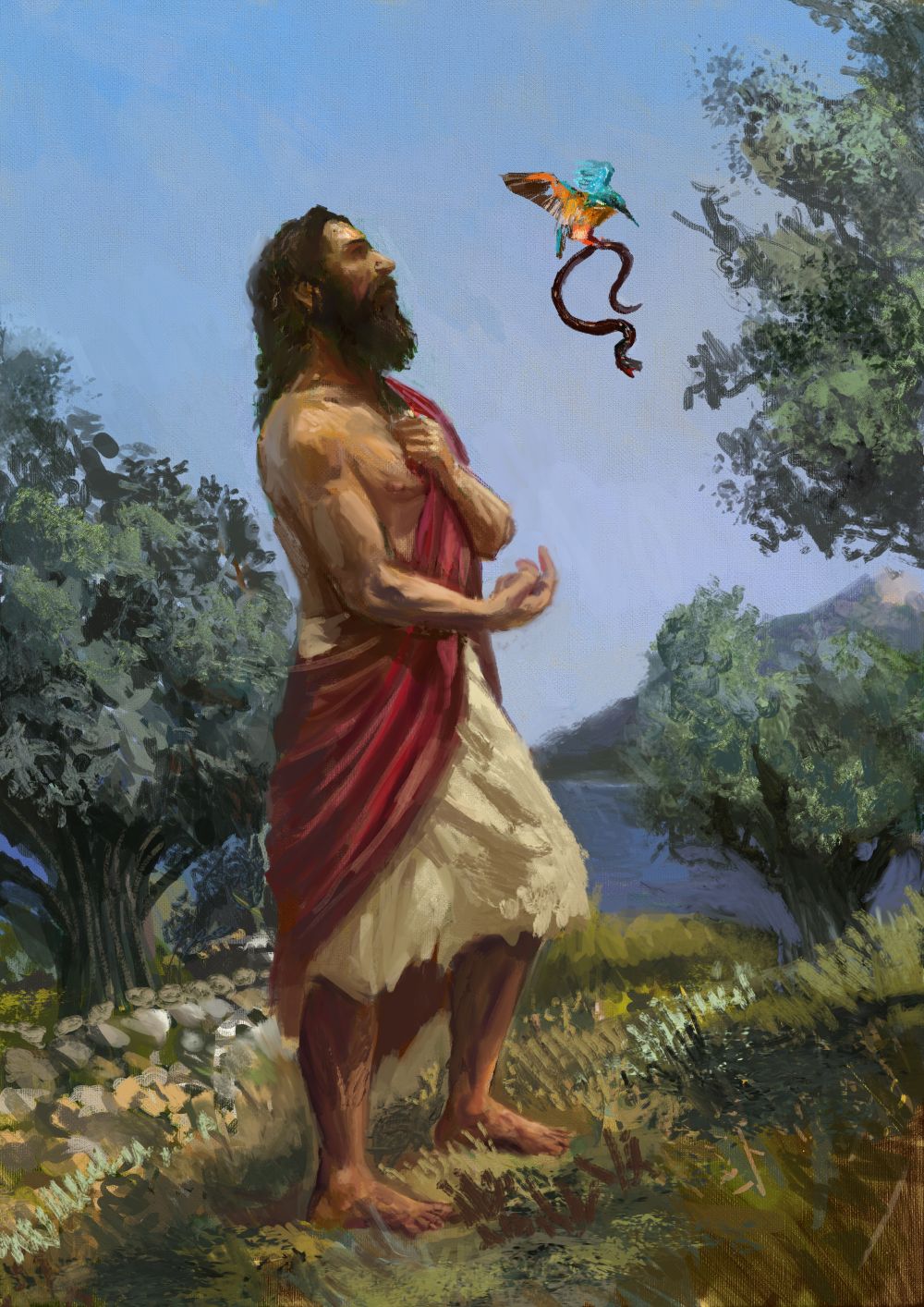
In the fourth part of our “The Forest as a Living Foundation” series, the distinguished American Nietzsche scholar Gary Shapiro investigates new angles on Nietzsche’s bonds to the woods: the philosopher’s personal enthusiasm for what is increasingly called “forest bathing,” the science behind how this practice benefits body, mind, and spirit, and the sheer pleasure of breathing fresh air, in woodland and wherever else we can find it. Shapiro’s essay showcases why this particular Lebensraum matters, not just for our individual well-being, but for the health of the entire planet.
The Postmodern Forest
How the Forest Subverts Modernity's Totalizing Claim
The Postmodern Forest
How the Forest Subverts Modernity's Totalizing Claim

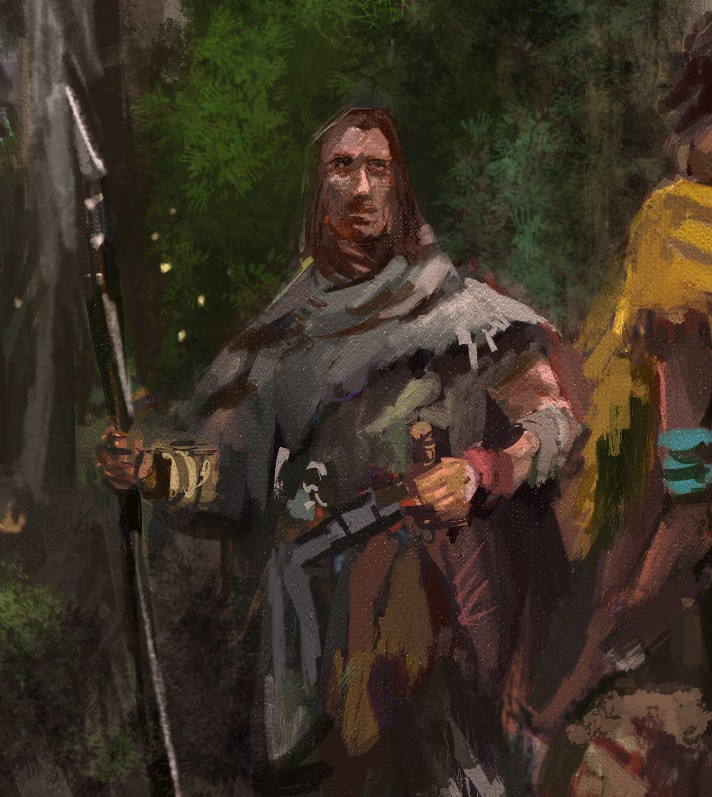
Forests are trending. And this is by no means contradictory to another, even larger trend of our time: digitalization. In this article, Mandus Craiss demonstrates that the forest is a network. Digitalization also occurs in a network-like manner; both phenomena are therefore characteristic of postmodernism.
In the first part of the article, the forest is characterized as a non-centralized and thus typically postmodern natural phenomenon. The second part defines "postmodernity" and discusses the extent to which this epochal concept is still, or once again, relevant – a discourse whose very early roots can be traced back to Nietzsche. Finally, the third part explains how the network aspect of postmodernity manifests itself and how the human-forest relationship has evolved recently.
This article is part of our special series this year "the forest as a livelihood".
"There are no facts, only interpretations."
From Nietzsche's Critique of Knowledge to Radical Constructivism
"There are no facts, only interpretations."
From Nietzsche's Critique of Knowledge to Radical Constructivism


Nietzsche questions truth as an adequate understanding of the world. This implies there is no longer a true world, as modern sciences assume. Radical constructivism, emerging in biology, which posits that living beings perceive their environment only as their internal structures allow, confirms Nietzsche's analyses and, consequently, postmodern philosophy, where truth is also considered merely a construction and not an objective grasp of something. From this, it follows not only that the world can be interpreted in various ways, but also that there is no single, uniquely correct truth and, therefore, no single correct way of life.
If you prefer to watch or listen to this article, read by the author himself in German, you can also find it on YouTube and Soundcloud.
On Life in Freedom
A Conversation with Jens Bonnemann about Sartre and Nietzsche
On Life in Freedom
A Conversation with Jens Bonnemann about Sartre and Nietzsche

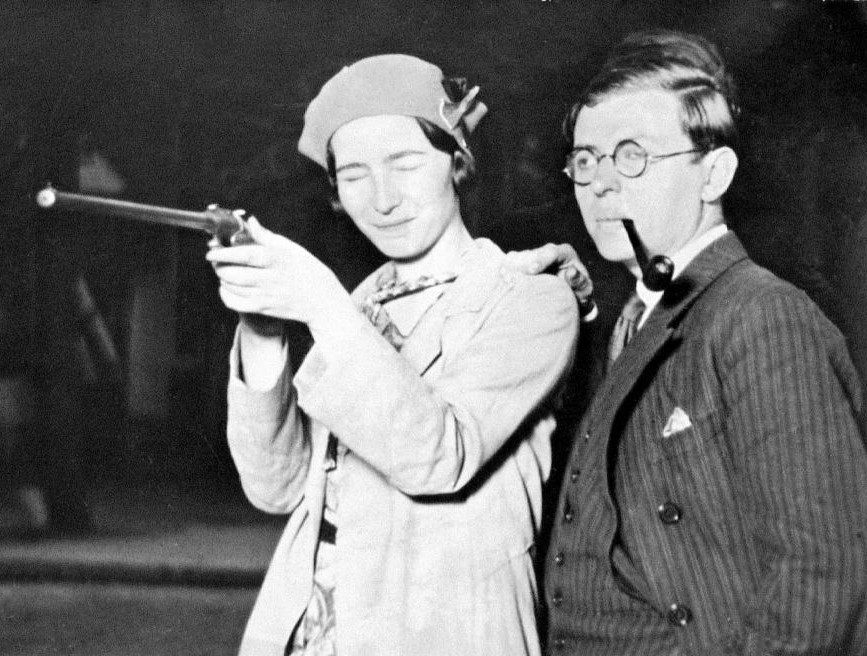
On April 15, 1980, one of the most important philosophers of the 20th century, Jean-Paul Sartre, died at the age of 74. Paul Stephan spoke with Jens Bonnemann, chairman of the German-speaking Sartre-Gesellschaft, about his basic ideas, his relationship with Nietzsche and his significance for our time. What does it mean to live in freedom after the “death of God”? What are the limits of individual freedom? What are the differences and similarities between Sartre and Nietzsche?
You can also view the unedited version of the conversation, in German, on YouTube and listen to it on Soundcloud.
Being a Father with Nietzsche
A Conversation between Henry Holland and Paul Stephan
Being a Father with Nietzsche
A Conversation between Henry Holland and Paul Stephan
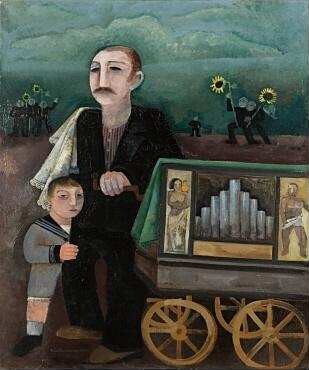
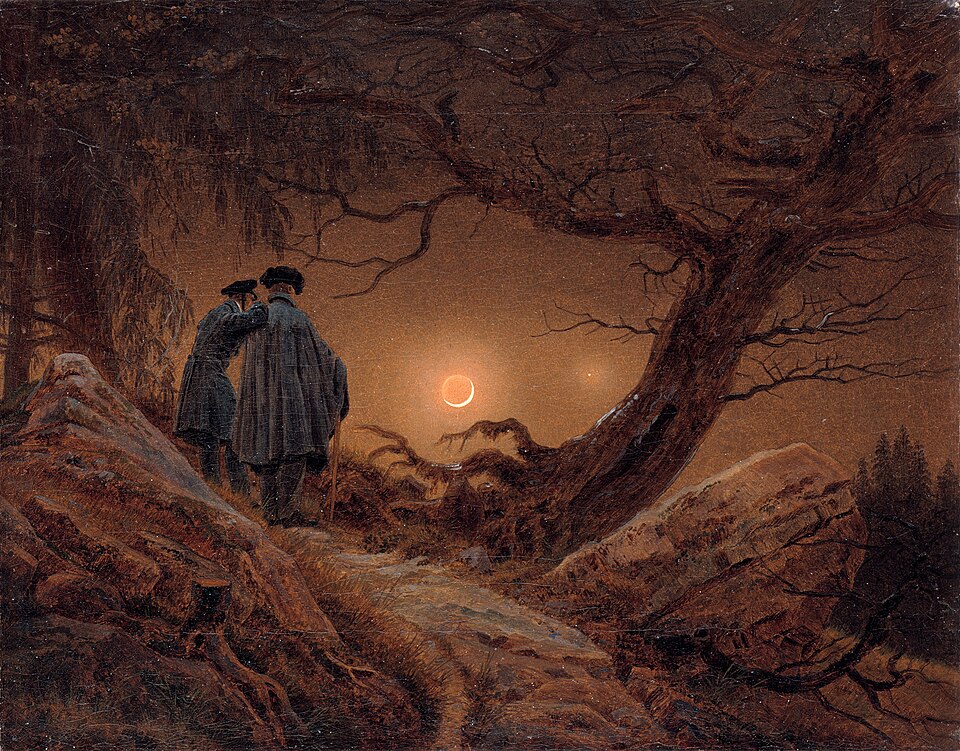
Nietzsche certainly did not have any children and is also not particularly friendly about the subject of fatherhood in his work. For him, the free spirit is a childless man; raising children is the task of women. At the same time, he repeatedly uses the child as a metaphor for the liberated spirit, as an anticipation of the Übermensch. Is he perhaps able to inspire today's fathers after all? And can you be a father and a Nietzschean at the same time? Henry Holland and Paul Stephan, both fathers, discussed this question.
We also published the complete, unabridged discussion on the Halcyonic Association for Radical Philosophy YouTube channel (Part 1, part 2).
“Peace with Islam?”
Hiking with Nietzsche Through Glasgow’s Muslim Southside: Part II
“Peace with Islam?”
Wanderungen mit Nietzsche durch Glasgows muslimischen Süden: Teil 2

In the second part of his article on hiking through Glasgow’s Muslim-esque Southside, our staff writer Henry Holland delves into Nietzsche’s impassioned yet scattergun engagement with the youngest Abrahamic religion. He investigates how the experimental novel The Baphomet by French artist and theoretician Pierre Klossowski – which got him hooked on the Islam-Nietzsche intersection in the first place – blends Islam-inspired mysticism, sexual transgression and Nietzscheanism itself into an inimitable potion. With insights on Muslim-esque readings of Nietzsche in tow, Holland returns with Fatima and Ishmael to Scotland’s largest city, thus wrapping up his travelogue whence it began.
Nietzsche and the Philosophy of Orientation
A Conversation with Werner Stegmaier
Nietzsche and the Philosophy of Orientation
In Conversation with Werner Stegmaier
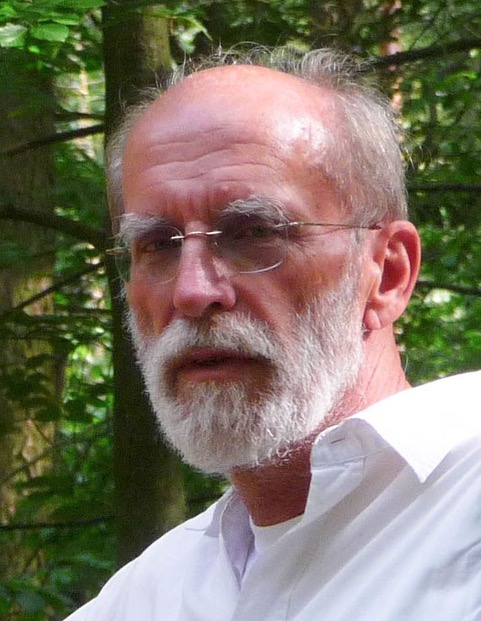
On the occasion of the 125th anniversary of Friedrich Nietzsche’s death on August 25, we spoke with two of the most internationally renowned Nietzsche scholars, Andreas Urs Sommer and Werner Stegmaier. While the conversation with Sommer focused primarily on Nietzsche’s life, our discussion with Stegmaier centered on Nietzsche’s thinking, its relevance today, and Stegmaier’s own philosophy of orientation. What are Nietzsche’s central insights – and to what extent can they help us find our way in the present? What does his concept of “nihilism” mean? And what are the political implications of his philosophy?
Translated by Reinhard Müller.
Dionysus Without Eros
Was Nietzsche an Incel?
Dionysus Without Eros
Was Nietzsche an Incel?
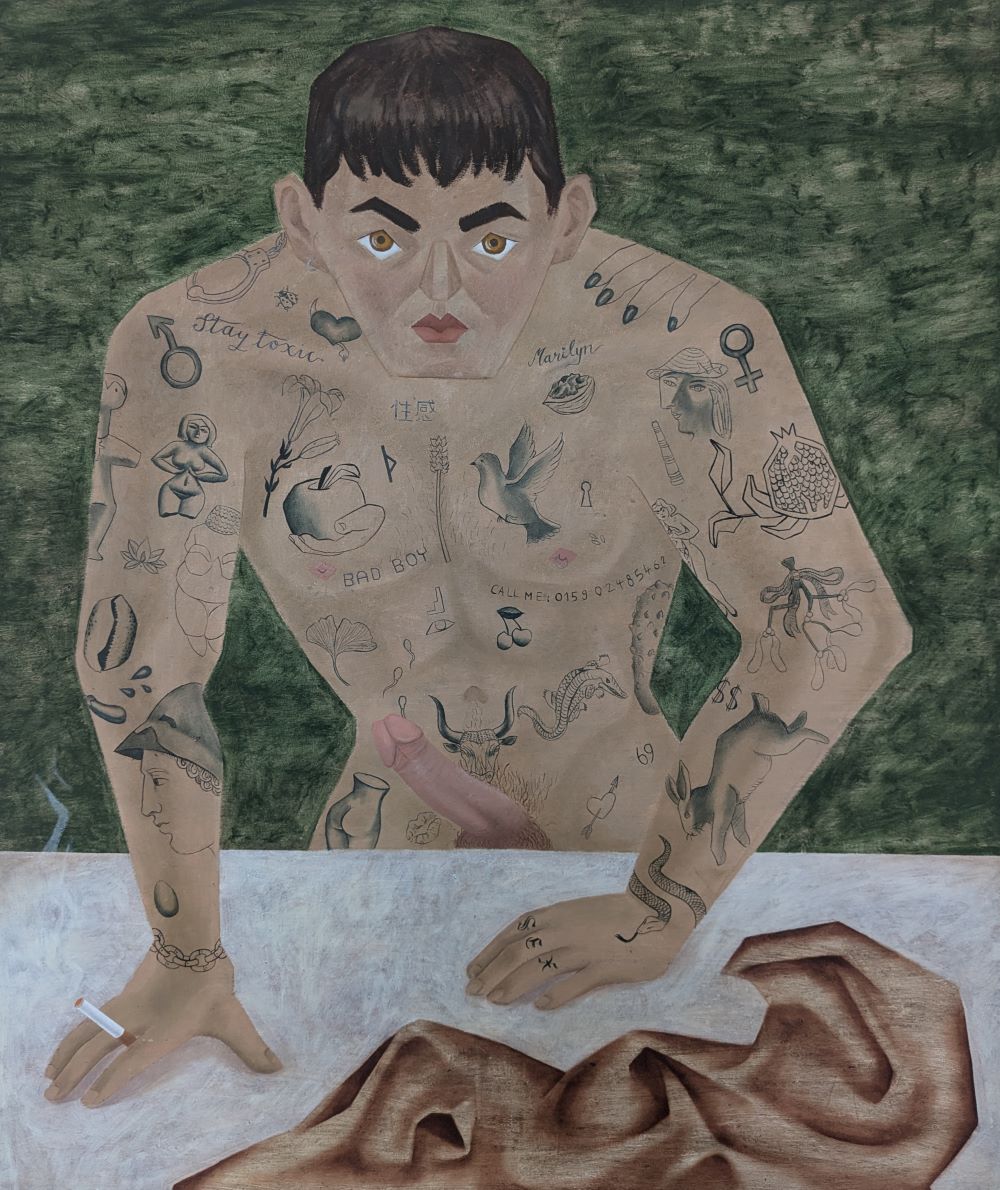

It is well known that Nietzsche had a hard time with women. His sexual orientation and activity are still riddled with mystery and speculation today. Time and again, this question inspired artists of both genders to create provocatively mocking representations. Can he possibly be described as an “incel”? As an involuntary bachelor, in the spirit of today's debate about the misogynistic “incel movement”? Christian Saehrendt explores this question and tries to shed light on Nietzsche's complicated relationship with the “second sex.”
Splendidly Isolated with a Stiff Upper Lip
Nietzsche and the Tragedy of Academic Outsiderhood
Splendidly Isolated with a Stiff Upper Lip
Nietzsche and the Tragedy of Academic Outsiderhood

“Keep a stiff upper lip,” they say in England when you want to call on your interlocutor to persevere in the face of danger and to maintain an upright posture. Advice that is certainly often helpful. Such a stoic position must be sought all the more as an academic outsider who, on the one hand, sets himself apart from the scientific mainstream, but on the other hand is also dependent on his recognition. Nietzsche himself, but also many of his admirers, found himself in such a delicate situation. Based on several such outsider figures (in addition to Nietzsche himself, such as Julius Langbehn and Paul de Lagarde), Christian Saehrendt develops a typology of the (perhaps not always quite so) “brilliant isolation” of academic nonconformism.
Caught in the Crossfire of the Culture Wars, There Stands Nietzsche
Comparing Two Current Perspectives
Caught in the Crossfire of the Culture Wars, There Stands Nietzsche
Comparing Two Current Perspectives


It is well known that Nietzsche's history of influence has been read and absorbed across all political camps. But what about our present tense? Paul Stephan examines the writings of two authors who are about the same age as himself, in their mid/late 30s, and whose perspectives on Nietzsche could hardly be more different: While French journalist and YouTuber Julien Rochedy declares Nietzsche a pioneer of a right-wing cultural struggle, the German philosopher and political scientist Karsten Schubert attacks him for a left-wing identity politics. Both positions do not really convince our authors; rather, they are entirely within the framework of the prevailing simulation of politics as a cultural struggle, which would need to be countered by focusing on the really pressing life problems of contemporary humanity.
Nietzsche and Music
Nietzsche and Music

For hardly any other philosopher, music was as important as it was for Nietzsche. “Without music, life would be a mistake”1, he wrote. Christian Saehrendt goes for Nietzsche PopArts The question of how this high appreciation of sound art was manifested in his life and work. He talks about Nietzsche's own compositions as well as one of the most iconic aspects of his life: his friendship with Richard Wagner. He shows that the music for Nietzsche is almost erotic It was important — and in this respect he was not so “out of date” at all, but a typical child of his time.
Deciding to Serve Life
An Essay on the Meaning of Nietzsche's Philosophy
Deciding to Serve Life
An Essay on the Meaning of Nietzsche's Philosophy


Nietzsche is generally regarded as a literary philosopher whose aphoristic nihilisms not only conjure up the death of God, but who also reinforced the dark sides of German history as a posthumous master thinker. In contrast, the following text would like to be part of the series What does Nietzsche mean to me? invite you to learn to read Nietzsche anew as the discoverer of the all-too-unknown philosophical continent of Mediterranean existentialism.