#
Mathieu Laca
Nietzsche on a Bike
A Declaration of Love
Nietzsche on a Bike
A Declaration of Love
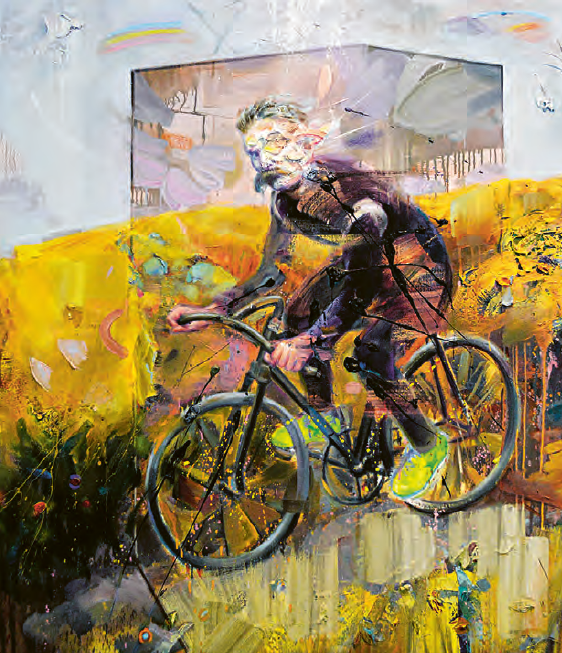

What does the most radical thinker of modernity have to do with cycling? Officially nothing: Nietzsche was a passionate hiker, and bicycles were conspicuously absent from his biography. Yet, his philosophy brilliantly anticipated the bicycle.
From the Buddhist Kala-Chakra up to Zarathustra's vision of the "self-rolling wheel," this essay embarks on a fascinating quest. It shows why the bicycle is far more than a mere means of transport: It is a philosophical instrument that teaches us the dynamic balance of life and makes the "Eternal Recurrence of the Same" palpable in the wind. An invitation to set thought in motion.
Monumentality Issues. Nietzsche in Art After 1945
Thoughts on the Book Nietzsche Forever? by Barbara Straka II
Monumentality Issues. Nietzsche in Art After 1945
Thoughts on the Book Nietzsche Forever? by Barbara Straka II
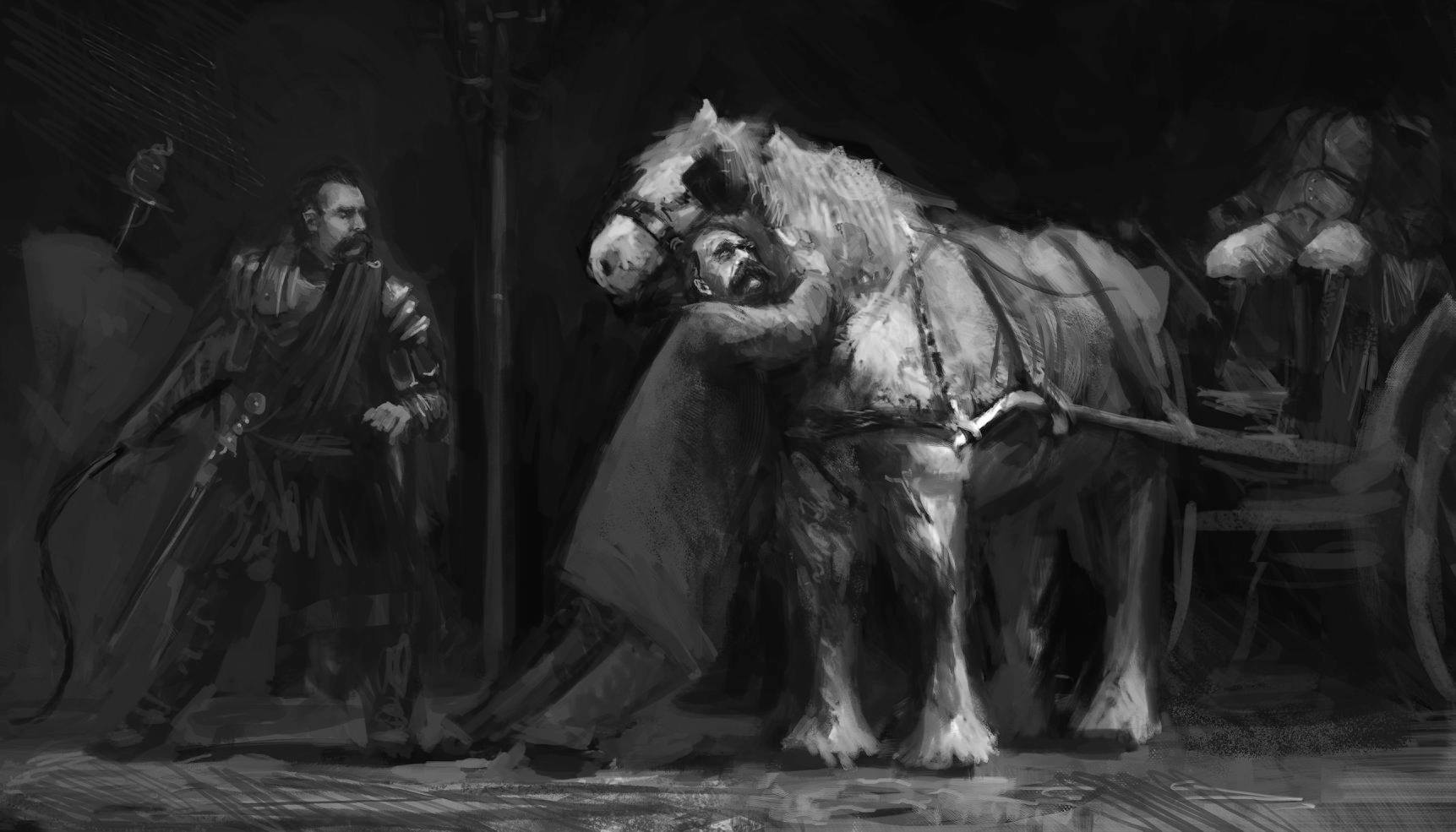

Barbara Straka's newly published book Nietzsche Forever? explores the question of how Nietzsche is received in 20th century art, in particular that after 1945. But the reception of Nietzsche's reception raises the question of whether the philosopher's monumentality is lost sight of. Does this reveal a fundamental problem of our age with monumentality? In any case, starting from Nietzsche, Michael Meyer-Albert argues against Straka for a “post-monumental monumentality” as an alternative to aesthetic postmodernism. In the first part of the two-part series, he dedicated himself to her book, and now he is accentuating his opposite position.