#
Simone de Beauvoir
The Artificial Nietzsche
How A"I" Distorts Our Perception of Nietzsche and How We Can Counter This
The Artificial Nietzsche
How A"I" Distorts Our Perception of Nietzsche and How We Can Counter This
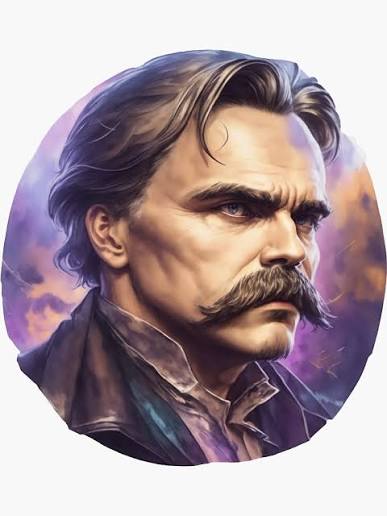
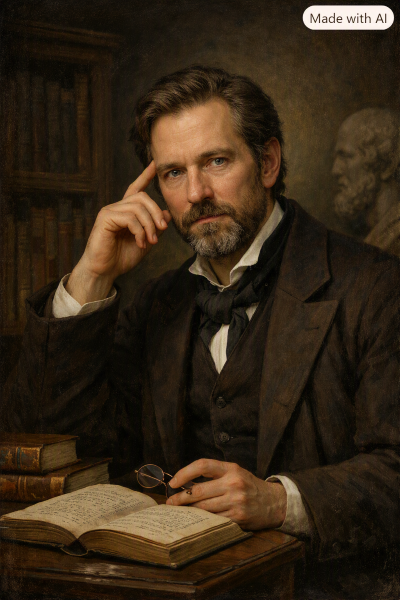
Our author Paul Stephan has finally had enough. The internet is being flooded with cheap A"I" content, often called "AI slop," which is just plain annoying—and is even being rewarded with countless likes and followers. Often, this content is about philosophy, too—specifically Nietzsche. How much damage is being done when this artificial Nietzsche increasingly displaces the real one, as A"I" outputs that repeat the same half-truths and falsehoods replace nuanced human interpretations? When machine-generated caricatures literally push out genuine photographs and artistic portraits? Paul Stephan embarked on an often frustrating search for answers and presents you with a few "highlights." Although he still believes that A"I" opens up positive possibilities—and occasionally makes use of them himself—in his third piece on the subject (feel free to read the first and second commentaries here and there), he feels it is time to take off the kid gloves and bring out the hammer. Stop the slop!
Nietzsche and North America
An Interview with Willow Verkerk
Nietzsche and North America
An Interview with Willow Verkerk
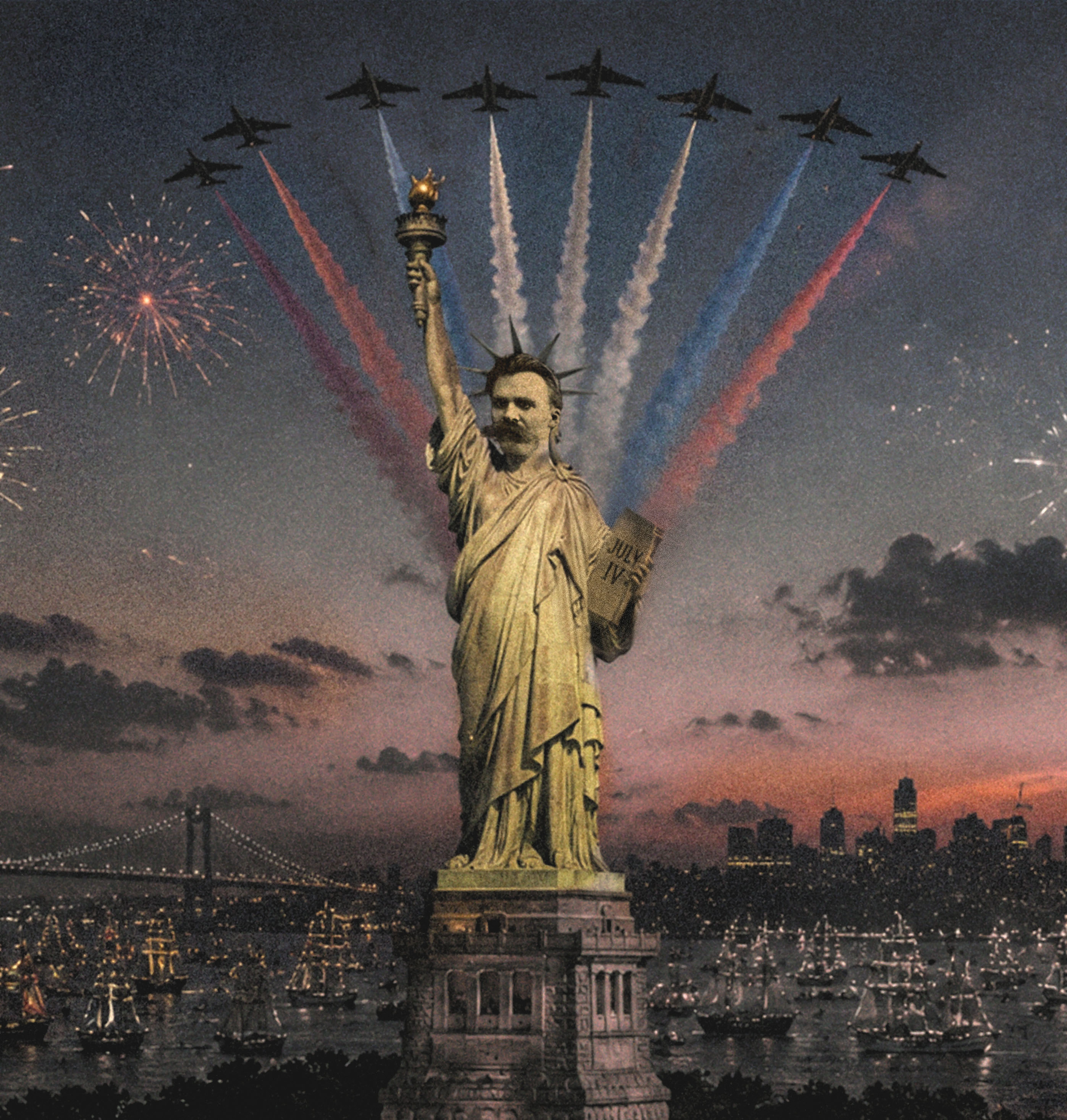
Exactly 250 years ago, on the 4th of July 1776, thirteen North American British colonies declared their independence from the mother country, soon thereafter forming one of the first modern democratic republics of the world, the United States of America. We took this anniversary as an occasion to speak with the Canadian Nietzsche scholar Willow Verkerk about the different approaches to Nietzsche in Europe and North America. To what extent is this thinker, so deeply embedded in European culture, read differently “here” to “there”? What does this tell about general cultural differences between Europe and its erstwhile colonies on the other side of the ocean? And what did Nietzsche himself think about the “New World”?
On Life in Freedom
A Conversation with Jens Bonnemann about Sartre and Nietzsche
On Life in Freedom
A Conversation with Jens Bonnemann about Sartre and Nietzsche

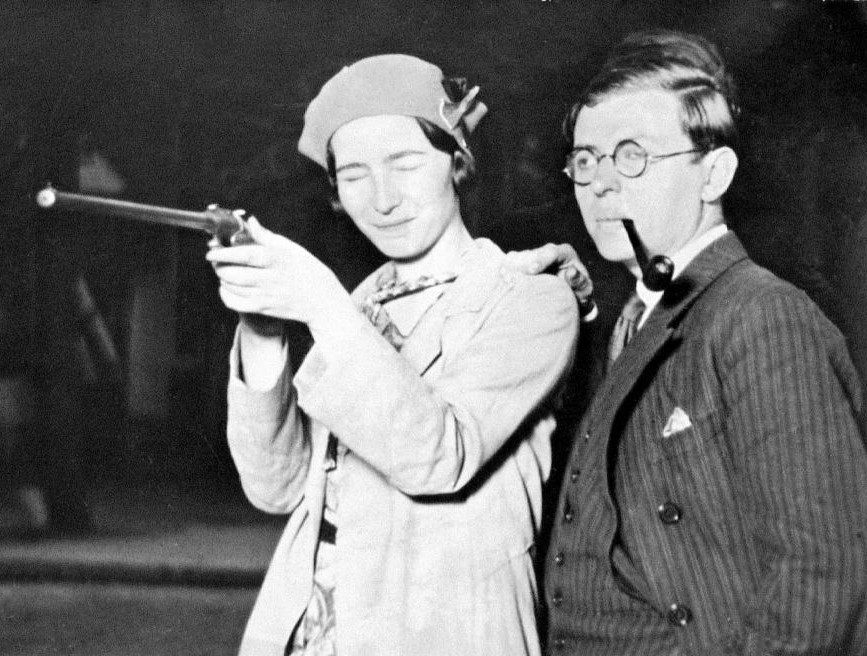
On April 15, 1980, one of the most important philosophers of the 20th century, Jean-Paul Sartre, died at the age of 74. Paul Stephan spoke with Jens Bonnemann, chairman of the German-speaking Sartre-Gesellschaft, about his basic ideas, his relationship with Nietzsche and his significance for our time. What does it mean to live in freedom after the “death of God”? What are the limits of individual freedom? What are the differences and similarities between Sartre and Nietzsche?
You can also view the unedited version of the conversation, in German, on YouTube and listen to it on Soundcloud.
Jean-Baptiste Botul, a Forgotten Nietzschean from France
Jean-Baptiste Botul, a Forgotten Nietzschean from France
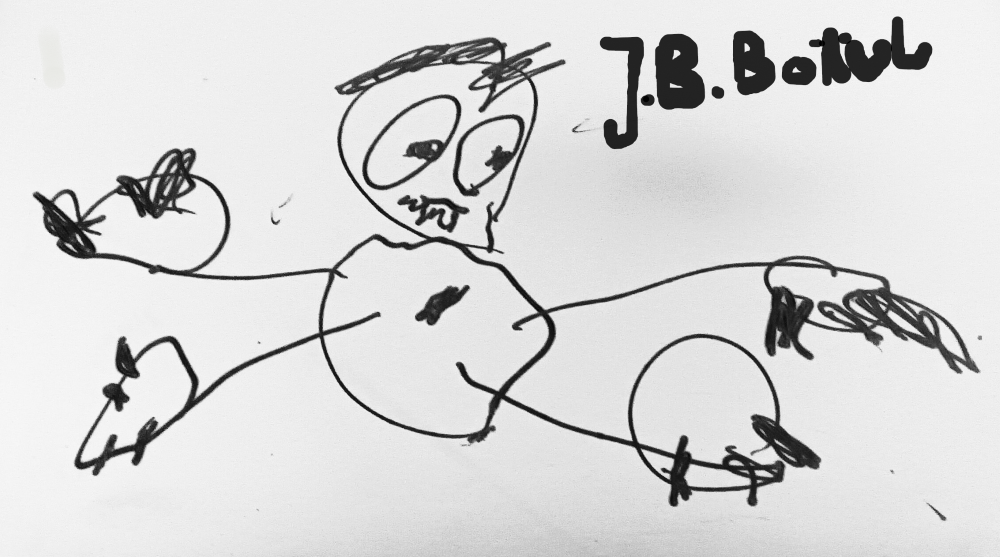
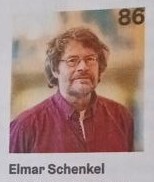
Time and again, our blog is dedicated to overlooked figures from the Nietzscheverse. The Leipzig Anglist Elmar Schenkel went deep into the archives for us in order to introduce you to an almost unknown figure of French-language Nietzsche reception: the “taxi philosopher” Jean-Baptiste Botul, who lived from 1896 to 1947 and not only came into contact with numerous prominent figures of his time on his trips through Paris, but developed also, in conversations with them, his very own Nietzsche interpretation, which, due to its subversive explosive power, has been stored in the poison cabinet by the mainstream of Nietzsche research to the present day. If Nietzsche was, in his own words, “dynamite,” then Botul is a rocket of the Force de frappe, still awaiting detonation — a stroke of luck?
Being a Father with Nietzsche
A Conversation between Henry Holland and Paul Stephan
Being a Father with Nietzsche
A Conversation between Henry Holland and Paul Stephan
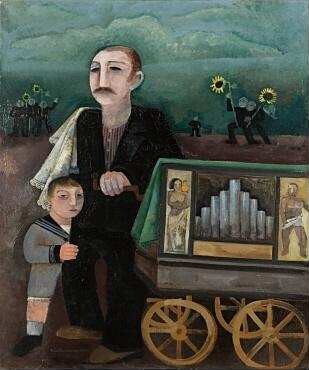
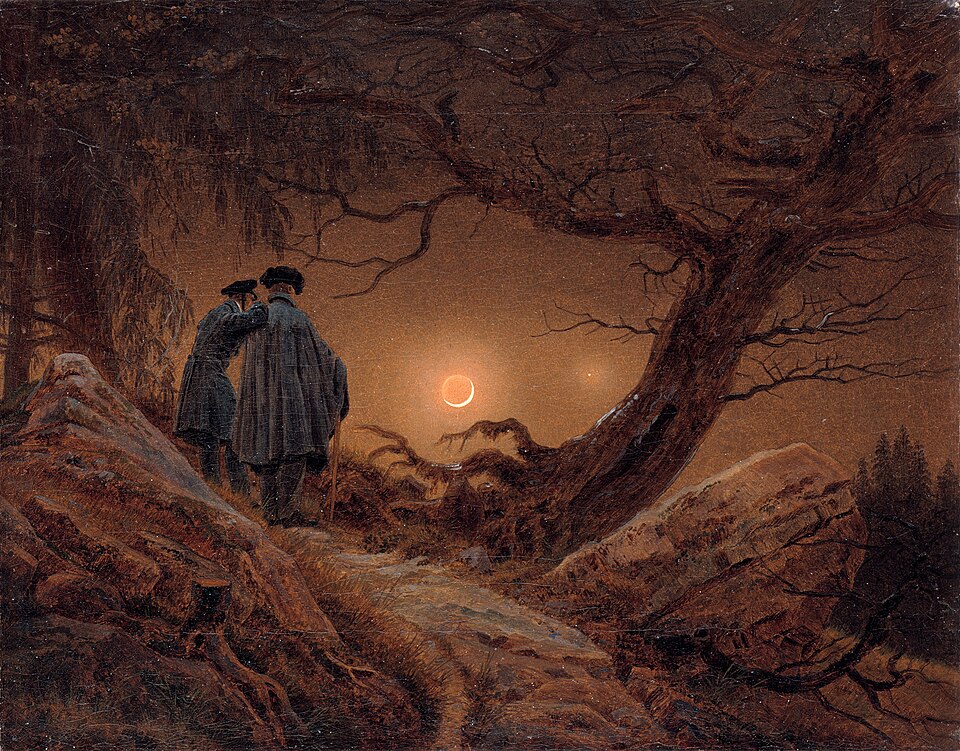
Nietzsche certainly did not have any children and is also not particularly friendly about the subject of fatherhood in his work. For him, the free spirit is a childless man; raising children is the task of women. At the same time, he repeatedly uses the child as a metaphor for the liberated spirit, as an anticipation of the Übermensch. Is he perhaps able to inspire today's fathers after all? And can you be a father and a Nietzschean at the same time? Henry Holland and Paul Stephan, both fathers, discussed this question.
We also published the complete, unabridged discussion on the Halcyonic Association for Radical Philosophy YouTube channel (Part 1, part 2).
“Je suis Nietzsche!”
A Dialogue about Bataille, Freedom, the Economy of waste, Ecology and War
“Je suis Nietzsche!”
A Dialogue about Bataille, Freedom, the Economy of waste, Ecology and War


Paul Stephan talked to Jenny Kellner and Hans-Martin Schönherr-Mann about the interpretation of one of the most important Nietzsche interpreters of the 20th century: Georges Bataille (1897—1962). The French writer, sociologist and philosopher defended the ambiguity of Nietzsche's philosophy against its National Socialist appropriation and thus became a central source of postmodernism. Based on Dionysian mythology, he wanted to develop a new concept of sovereignty that transcends the traditional understanding of responsible subjectivity, and criticized modern capitalist rationality in the name of an “economy of waste.” With all this, he provides important impulses for a better understanding of our present tense.