#
weather
Wille zum Wald
Nietzsche’s Discovery of Forest Bathing
Wille zum Wald
Nietzsche’s Discovery of Forest Bathing
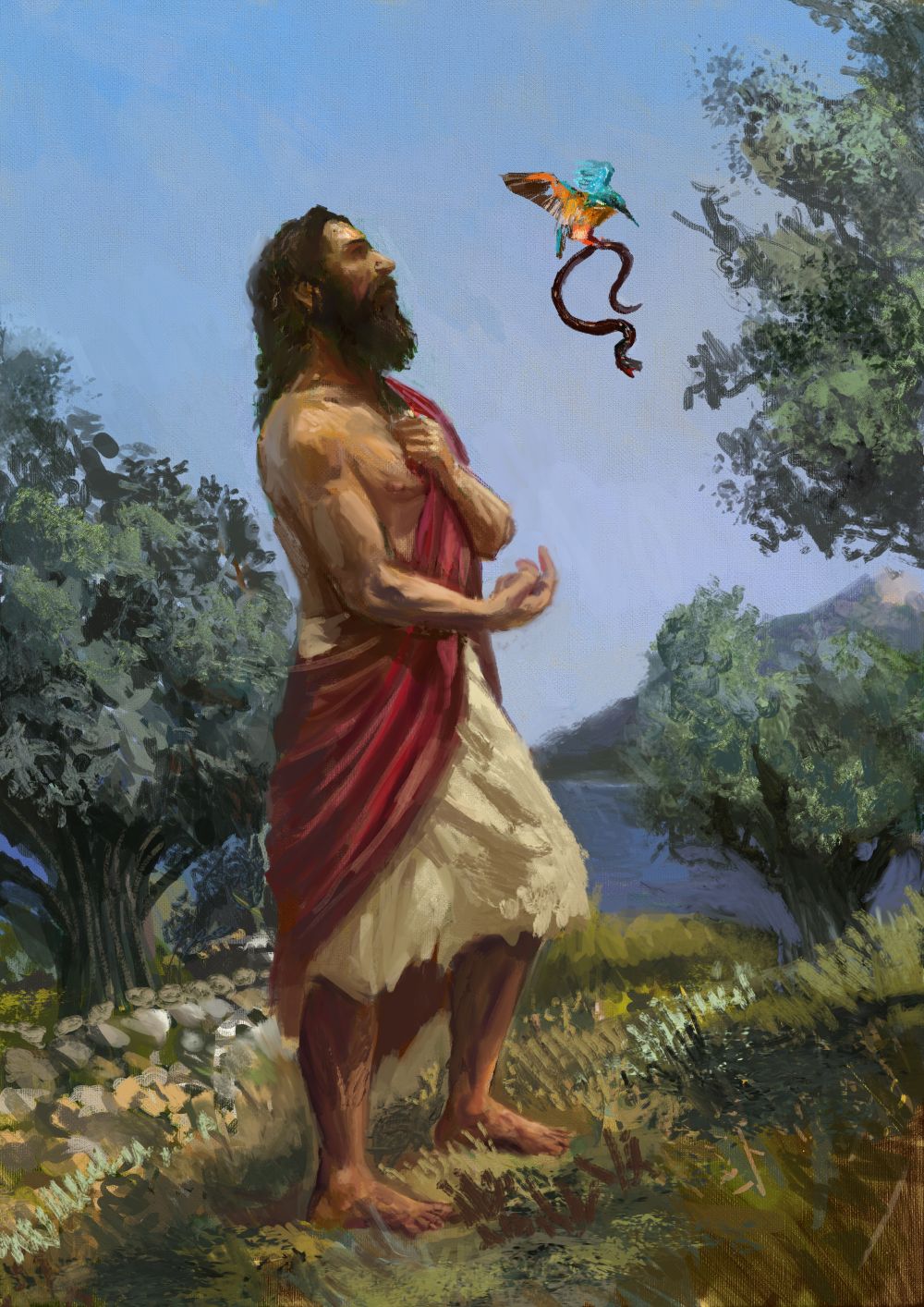
In the fourth part of our “The Forest as a Living Foundation” series, the distinguished American Nietzsche scholar Gary Shapiro investigates new angles on Nietzsche’s bonds to the woods: the philosopher’s personal enthusiasm for what is increasingly called “forest bathing,” the science behind how this practice benefits body, mind, and spirit, and the sheer pleasure of breathing fresh air, in woodland and wherever else we can find it. Shapiro’s essay showcases why this particular Lebensraum matters, not just for our individual well-being, but for the health of the entire planet.
Musing in a Southerly
Visiting Nietzsche's Summer House in Engadin
Musing in a Southerly
Visiting Nietzsche's Summer House in Engadin


The Inn River rises at an altitude of just under 2,500 m in southeastern Switzerland, in the canton of Graubünden. Over a distance of 80 km, it first flows through a high-mountain valley called the Engadin. Here, not far from the sophisticated spa town of St. Moritz, it crosses two small lakes, Lake Sils and Lake Silvaplana, between which lies the idyllic mountain village of Sils Maria. The philosopher Friedrich Nietzsche spent several summers in this exquisite landscape and was inspired by it to write some of his most important works. Christian Saehrendt set out to search for clues at what is perhaps the most important “pilgrimage site” on the Nietzsche scene.