#
Erwin Rohde
Wille zum Wald
Nietzsche’s Discovery of Forest Bathing
Wille zum Wald
Nietzsche’s Discovery of Forest Bathing
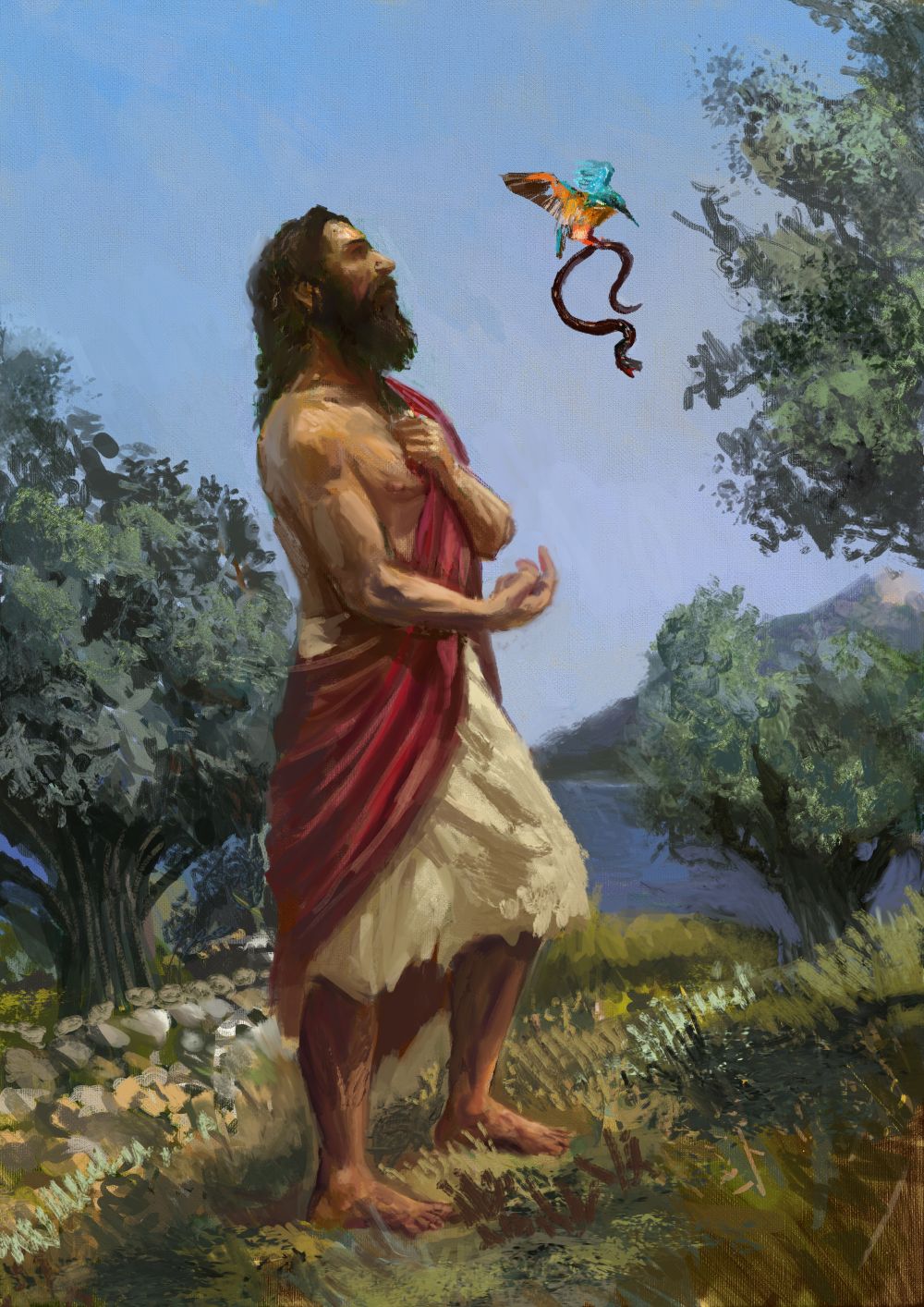
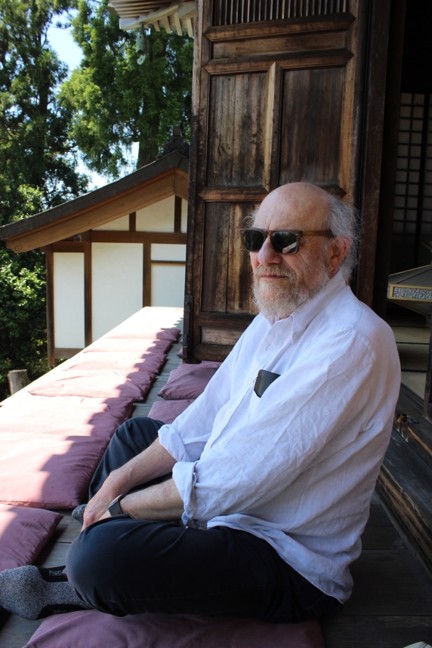
In the fourth part of our “The Forest as a Living Foundation” series, the distinguished American Nietzsche scholar Gary Shapiro investigates new angles on Nietzsche’s bonds to the woods: the philosopher’s personal enthusiasm for what is increasingly called “forest bathing,” the science behind how this practice benefits body, mind, and spirit, and the sheer pleasure of breathing fresh air, in woodland and wherever else we can find it. Shapiro’s essay showcases why this particular Lebensraum matters, not just for our individual well-being, but for the health of the entire planet.
“Revolt, Slaves, Revolt!”
Hiking with Nietzsche Through Evangelical Christian London: Part I
“Revolt, Slaves, Revolt!”
Hiking with Nietzsche Through Evangelical Christian London: Part I


From the hedge-fund billions that bankroll Nigel Farage, and tie that funding to evangelical expansionism, to Nietzsche’s fulminating assault on Christianity as a “slave revolt”: this essay tracks the troubling way religion has reappeared at the heart of British public life. Arriving in London with walking boots, a rucksack, and a philosopher’s skepticism, the author follows the money, theology, and street culture surrounding charismatic Christianity and its seemingly unappeasable growth. At the centre stands Sir Paul Marshall: billionaire financier, Christian media mogul, and embodiment of a faith that feels entitled to reach for elite power.
But this is more than merely an unveiling of the knot that binds together wealth and religion. It is also a confrontation with Nietzsche’s deepest historical claim: that Christianity triumphed because the so-called weak learned to moralize against the strong. Wandering through churches, cafés, and city streets, the essay asks whether contemporary evangelical London represents a new form of that revolt—or its complete inversion.
Part I explores the rise of influential evangelical networks in modern Britain and their uneasy alliance with finance capitalism. Part II, which will appear shortly, returns to the first Christians themselves.
This article is a follow-up to Henry Holland’s account of hiking through Glasgow’s Muslim Southside (part I, part II).
‘She’s called Fränzschen! She’s called Fränzschen!’
On the Early Life, and Embattled Demise, of Franziska Nietzsche
‘She’s called Fränzschen! She’s called Fränzschen!’
On the Early Life, and Embattled Demise, of Franziska Nietzsche
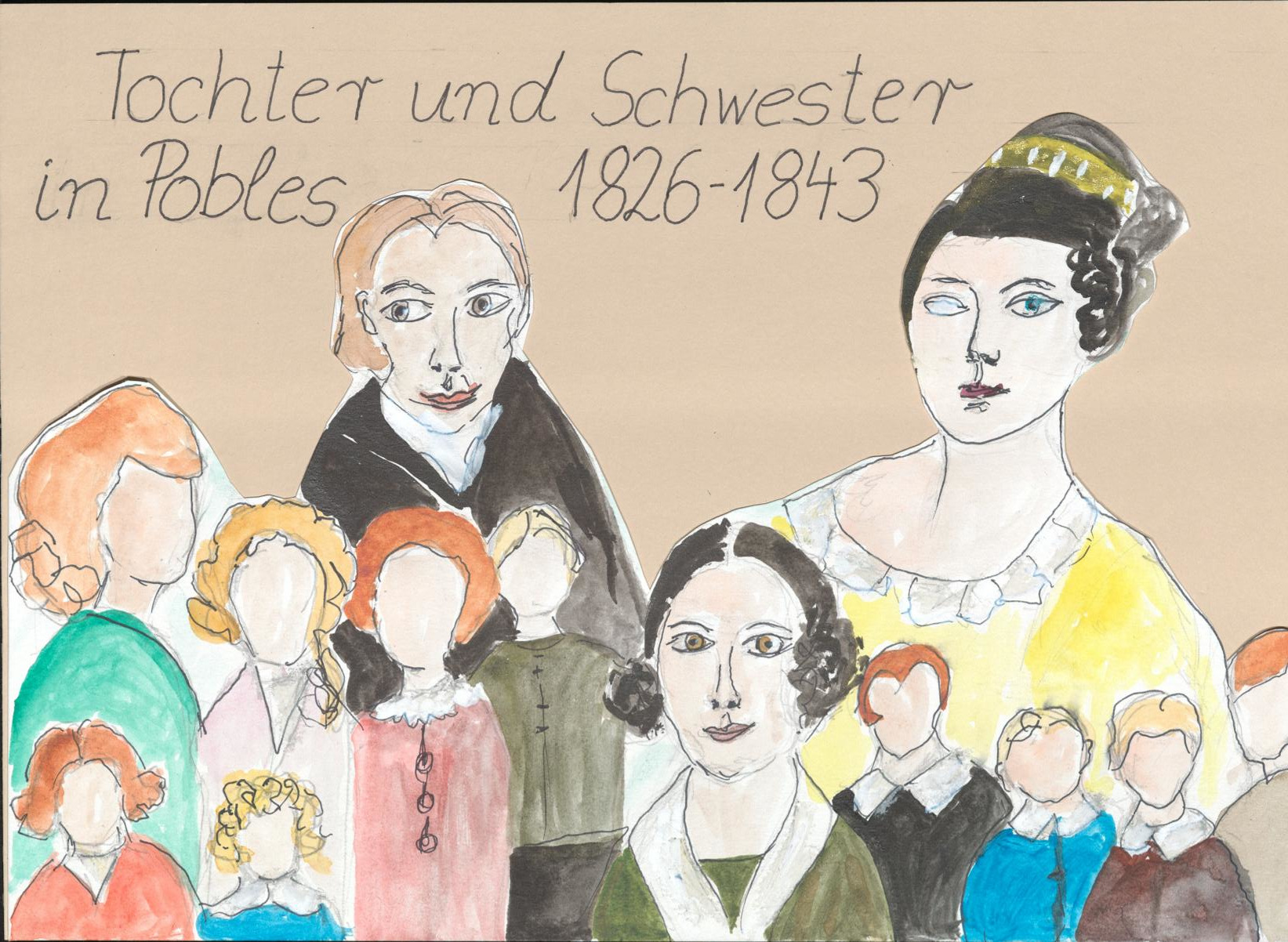
For Mother’s Day this year, two of our regular contributors are dedicating articles to an often-forgotten figure from the Nietzscheverse, without whom the philosopher would not have existed: his mother, Franziska Ernestine Rosaura Nietzsche, née Oehler. The pastor's daughter was born on February 2, 1826, and died on April 20, 1897, just a few years before her son, whose mental illness was by that stage so developed that he probably didn’t notice his mum’s death. Who was this woman? How did she shape and influence Friedrich Nietzsche?
In this first part of our small series, Henry Holland reports on her life and origins, while, in part two, Natalie Schulte will delve deeper into her relationship with her son, and the question of how it coloured his writing and thinking about women.
What were the decisive factors that shaped Franziska Nietzsche's life? How could she, a woman in a world thoroughly defined by patriarchal structures, who never pursued paid employment, achieve a certain degree of self-determination? How did she cope with the traumatic early death of her husband? How religious was she? An often-neglected autobiographical fragment, written shortly before her death, sheds new light on her life.
Inside the Magic Forest
Nietzsche and the Sorcerous Power of Trees
Inside the Magic Forest
Nietzsche and the Sorcerous Power of Trees


In cultural perception, the forest is much more than a mere supplier of raw materials or a local recreation area, but, especially in German culture, a magical place of encounter with the supernatural. In the second part of our series ”the forest as a livelihood“ Christian Saehrendt explores this romantic fascination for the forest and to what extent it is also reflected in Nietzsche's works. Because Nietzsche was not only a passionate forest walker, he also writes again and again about this gateway to the “otherworld” and, last but not least, places his Zarathustra in sylvan sceneries.
The Enduringly Contested Friedrich Nietzsche
Report on the Annual Meeting of the Nietzsche Society 2023
The Enduringly Contested Friedrich Nietzsche
Report on the Annual Meeting of the Nietzsche Society 2023


From October 12 to 15, the annual meeting of the Friedrich-Nietzsche Society took place in Naumburg. Numerous experts from all over the world came together to explore the various causes of Nietzsche's impact in the first decades following his mental collapse. The spiritual struggles over Nietzsche repeatedly referred to the real struggles of the past — and those of our present.