#
Diogenes
Nietzsche, Comedy, and the Art of the Edge
A Conversation with Sandra Schmidt
Nietzsche, Comedy, and the Art of the Edge
A Conversation with Sandra Schmidt
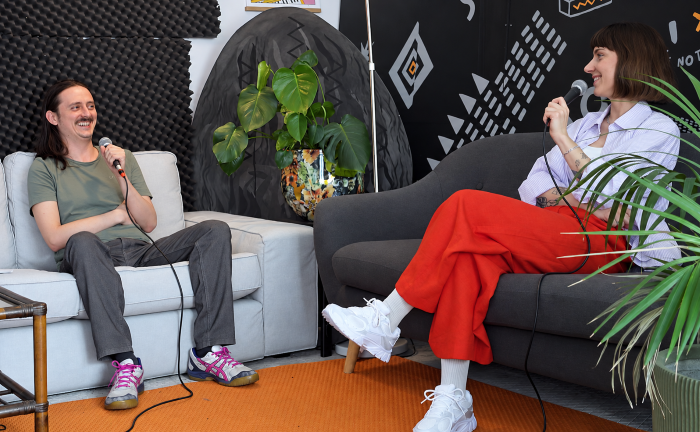

Nietzsche is a master of provocation and the punchline. In the court jester, he identifies a figure who cannot conform and therefore tells the powerful truths they would otherwise rarely hear—while simultaneously making them laugh. Can we draw a parallel here to modern stand-up comedy? How do stance and craft come together in this context? What influence do the stage, the audience, and social media have on what is perceived as funny, and when and where that happens? And who are the powerful of today, anyway: political leaders, societal majorities, or algorithms?
Our author Bernhard Ostheimer met with comedian and PhD philosopher Sandra Schmidt to talk about Nietzsche, the craft of comedy, and the art of pushing boundaries without losing touch with the audience.
You can also watch a longer, unedited version of the conversation on YouTube or listen to it on SoundCloud.
“How Well Disposed Would You Have to Become to Yourself and to Life”
Prolegomena to Any Future Philosophy That Will Be Able to Present Itself as an Enlightenment — Part I
"How Well Disposed Would You Have to Become to Yourself and to Life"
Prolegomena to any future philosophy that may arise as an Enlightenment — Part I
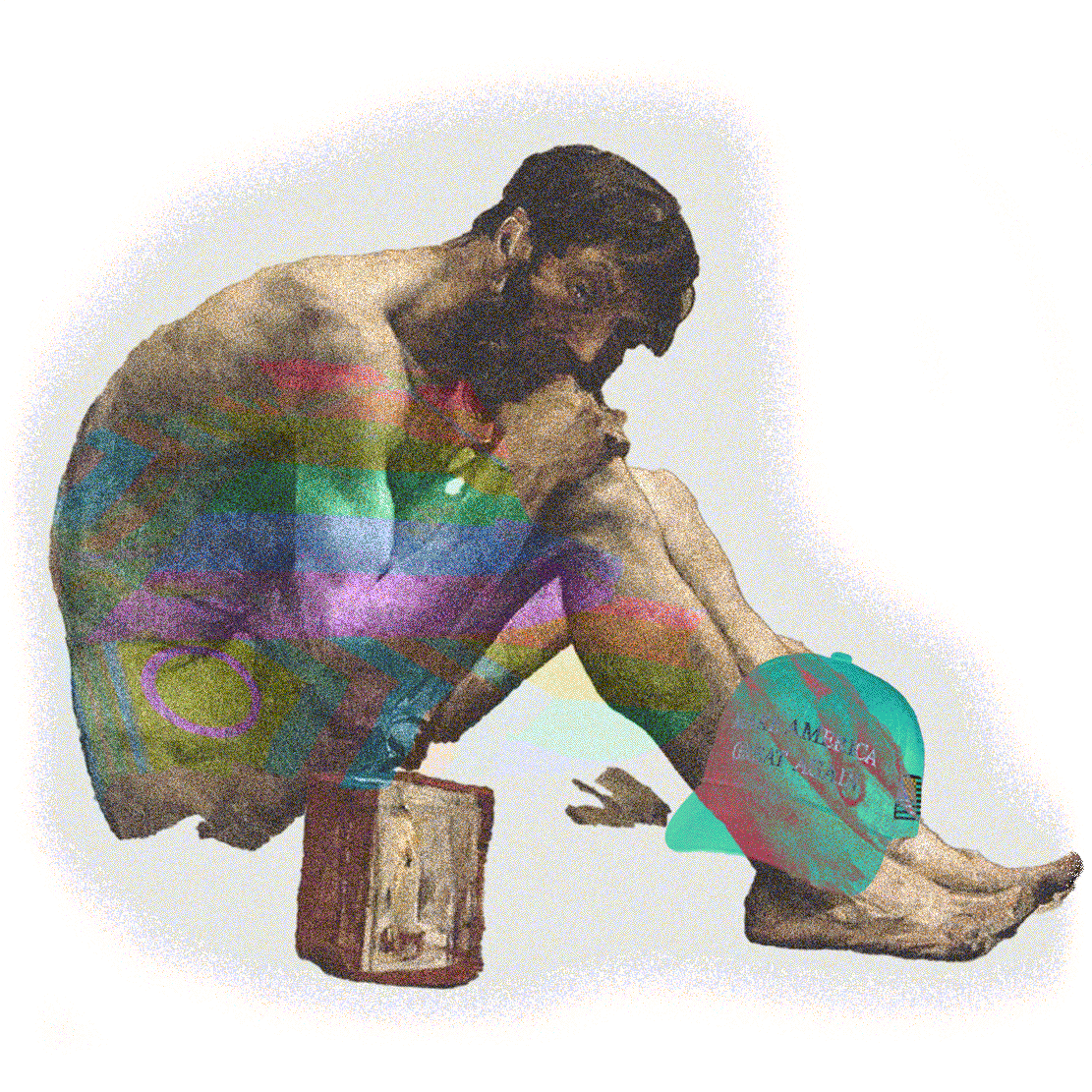
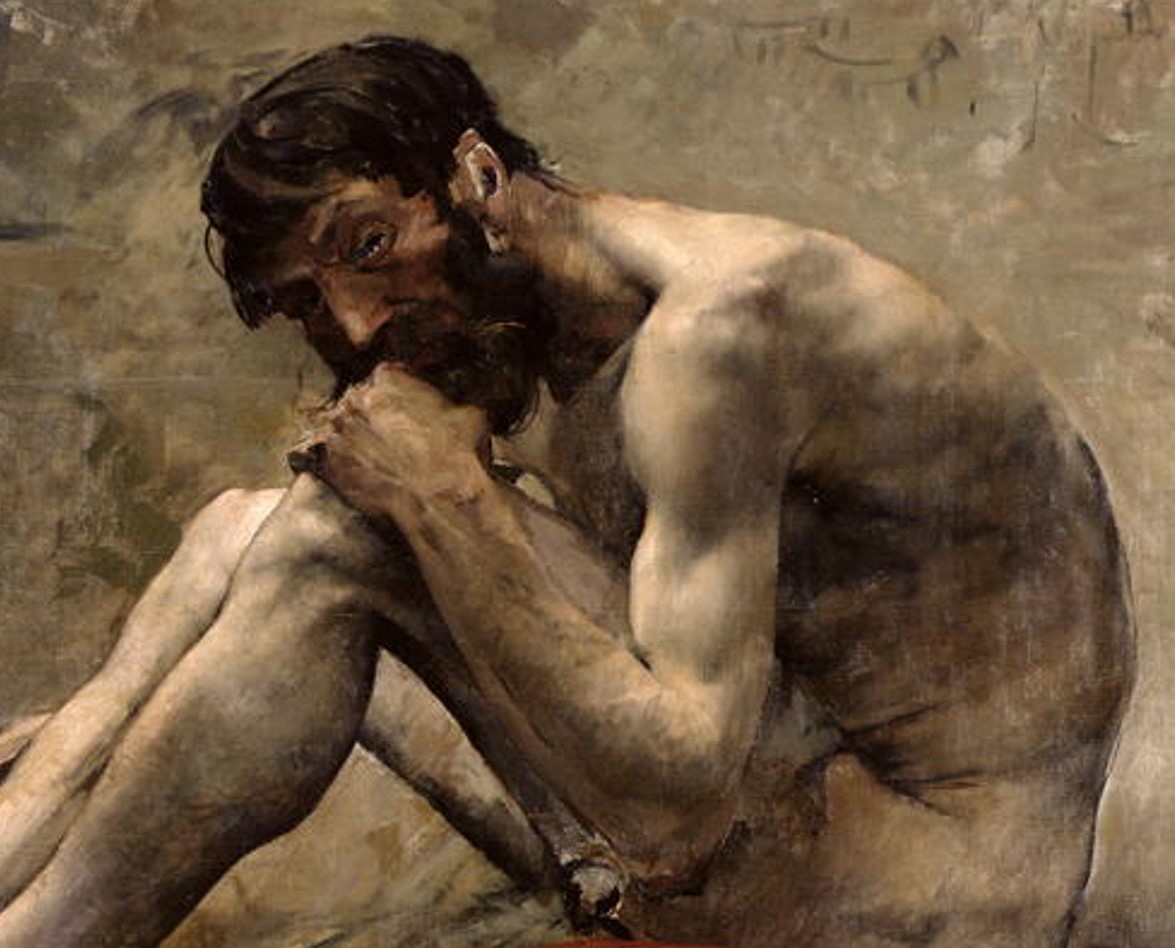
The following text explores the hypothesis that every philosophy of the zeitgeist finds its onset at something that bothers it: in the beginning, there was disgruntlement. This something is interpreted here as an illiberally disgruntled enlightenment, which is embodied in the current “polarization.” With Francis Fukuyama's help, this trail is explored and the drama of the recognition of modern Enlightenment is described.
The philosopher Fukuyama, born in Chicago in 1952, is primarily known for his essay The End of History? from 19891. There, he held that the “end of history” assumed by Hegel had finally arrived with the looming collapse of the Soviet Union. He saw the triumphant liberal Western democracies as the final stage of the process of historical progress. In 1992, Fukuyama published his main work based on this essay: The End of History and the Last Man, in which he combines Hegel's thesis with Nietzsche's diagnosis of the “last man.” Our author is also referring to this book. It caused controversial debates worldwide and continues to provoke today. — Do we really live after the “end of history”? Our author agrees with Fukuyama: While with the form of liberal democracy a final embodiment of the course of history has been achieved, history has been continuing as a conflict within this embodiment. World history has become history of liberalism.