#
Heinrich Köselitz
Nietzsche, Comedy, and the Art of the Edge
A Conversation with Sandra Schmidt
Nietzsche, Comedy, and the Art of the Edge
A Conversation with Sandra Schmidt
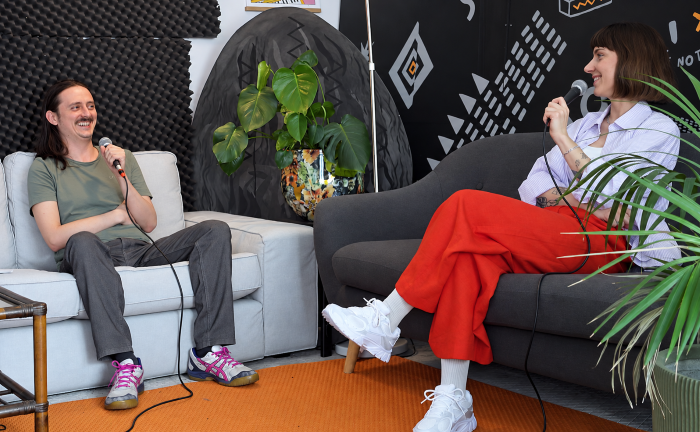
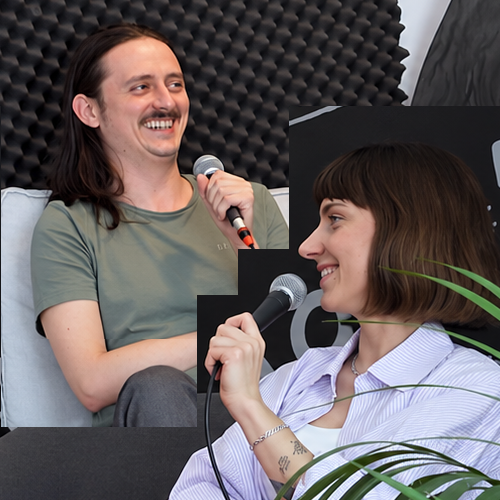
Nietzsche is a master of provocation and the punchline. In the court jester, he identifies a figure who cannot conform and therefore tells the powerful truths they would otherwise rarely hear—while simultaneously making them laugh. Can we draw a parallel here to modern stand-up comedy? How do stance and craft come together in this context? What influence do the stage, the audience, and social media have on what is perceived as funny, and when and where that happens? And who are the powerful of today, anyway: political leaders, societal majorities, or algorithms?
Our author Bernhard Ostheimer met with comedian and PhD philosopher Sandra Schmidt to talk about Nietzsche, the craft of comedy, and the art of pushing boundaries without losing touch with the audience.
You can also watch a longer, unedited version of the conversation on YouTube or listen to it on SoundCloud.
Wille zum Wald
Nietzsche’s Discovery of Forest Bathing
Wille zum Wald
Nietzsche’s Discovery of Forest Bathing
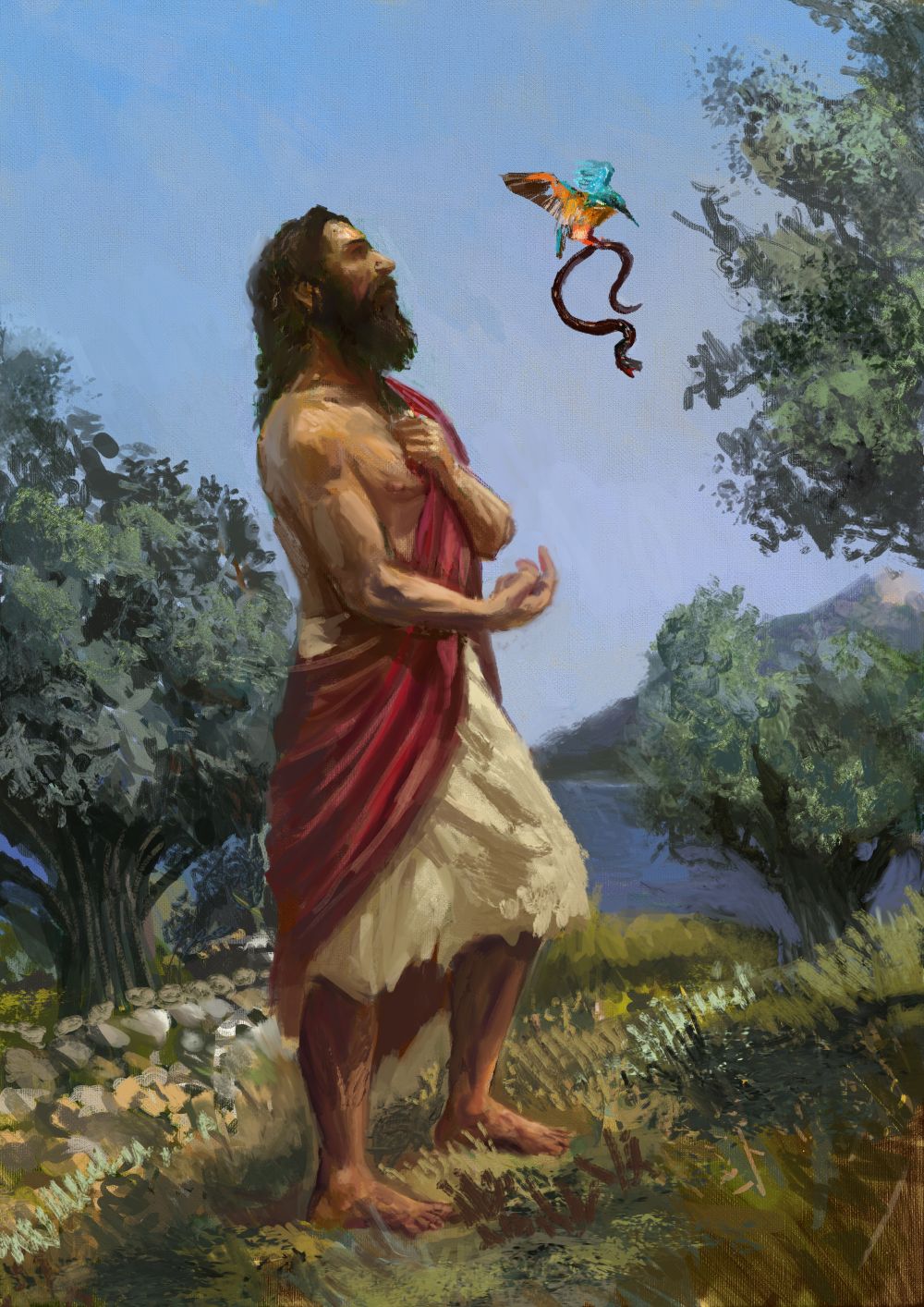
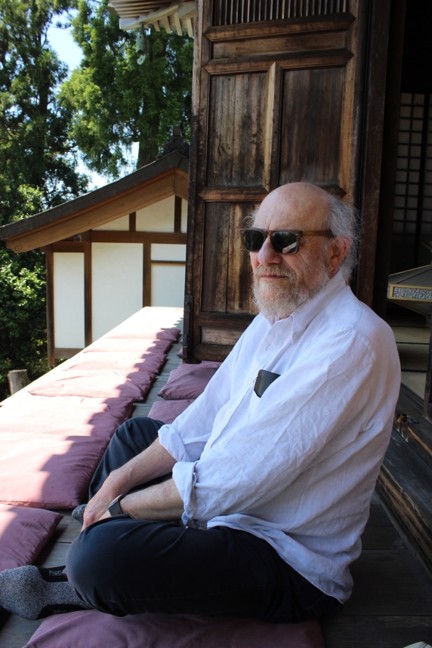
In the fourth part of our “The Forest as a Living Foundation” series, the distinguished American Nietzsche scholar Gary Shapiro investigates new angles on Nietzsche’s bonds to the woods: the philosopher’s personal enthusiasm for what is increasingly called “forest bathing,” the science behind how this practice benefits body, mind, and spirit, and the sheer pleasure of breathing fresh air, in woodland and wherever else we can find it. Shapiro’s essay showcases why this particular Lebensraum matters, not just for our individual well-being, but for the health of the entire planet.
"I confess that the deepest objection to the 'eternal return', my actually abysmal thought, is always mother and sister."1
On Nietzsche's Relationship with his Mother. Mother's Day Greetings
"I confess that the deepest objection to the 'eternal return', my actually abysmal thought, is always mother and sister."
On Nietzsche's Relationship with his Mother. Mother's Day Greetings
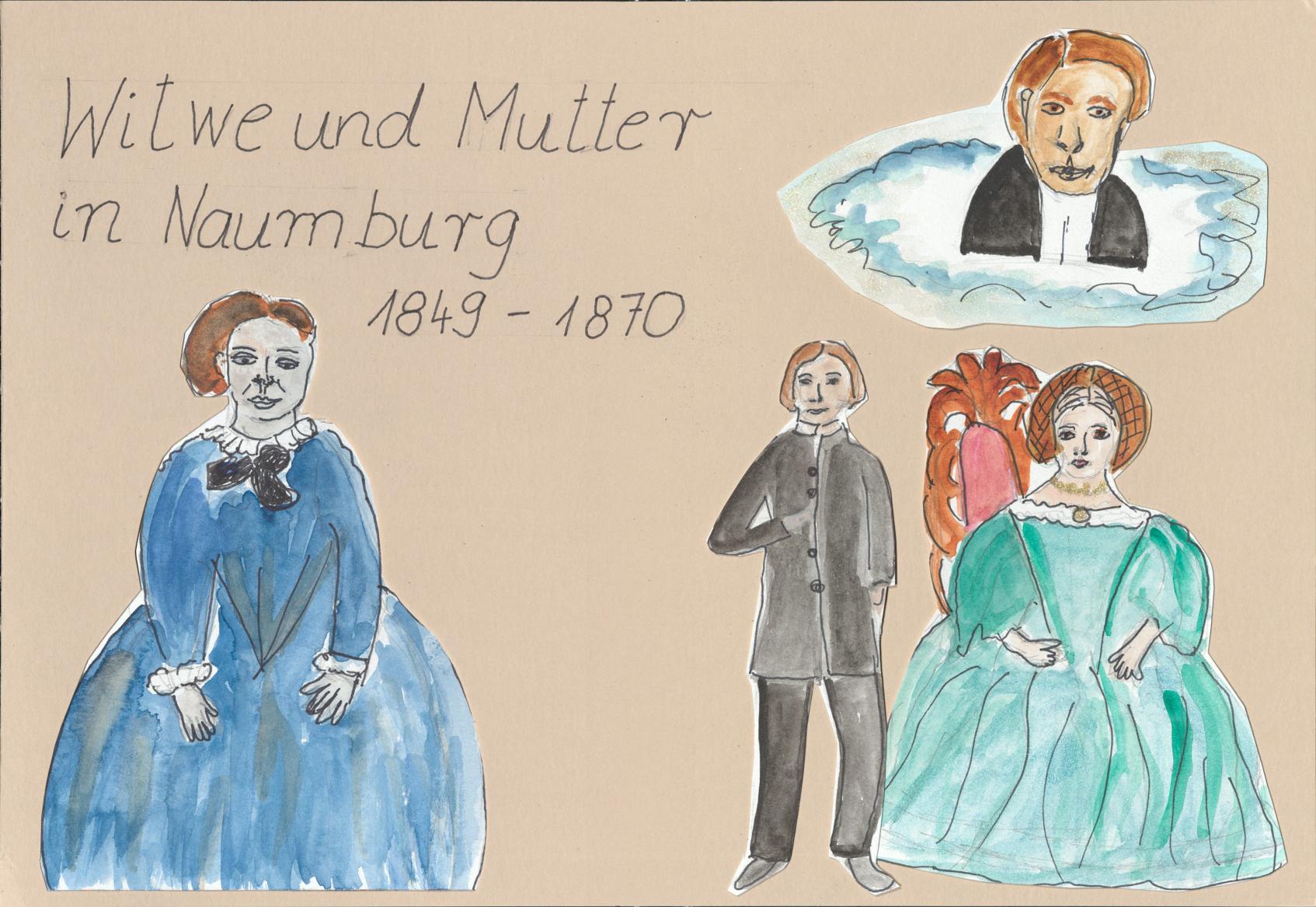

Nietzsche's philosophy is regarded as an act of self-liberation — but even the superman remained powerless against his own family. This essay highlights the pathological tension between the lonely thinker and the “canaille” relatives, mother Franziska Nietzsche and sister Elisabeth Förster-Nietzsche. While the philosopher (de)constructs “woman in itself” as flat, independent and mindless in his writings, he also has stockings stuffed and sausage boxes sent from Naumburg. An essay about the deepest objection to eternal return: one's own kinship.
This is the second part of a small series for this year's Mother's Day. In first part Henry Holland wrote about Franziska Nietzsche's life with a particular focus on her time before Nietzsche and her last years.
“Facts” and a Damn Good Interpretation
Nietzsche as a Solo Piece in Halle
“Facts” and a Damn Good Interpretation
Nietzsche as a Solo Piece in Halle

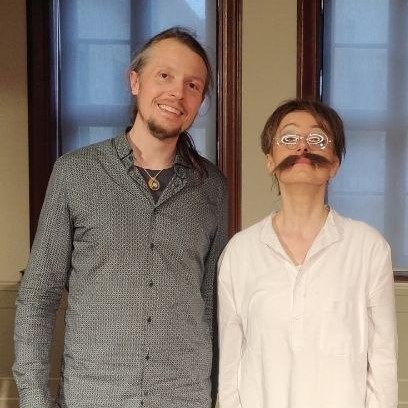
The actress Andrea Ummenberger is currently putting Nietzsche on stage in Halle with a solo play. In a captivating evening at the theatre, the audience can experience the thinker as he possibly was, at least in the interpretation of Austrian writer Alexander Widner, during his last years: not necessarily mentally abducted, but rather insane and in permanent conflict with his sister, his mother — and last but not least his home country. A self-proclaimed fool who rebels against the tight shackles of German small-mindedness and dreams of the South and liberated sensuality. Ummenberger shows us a Nietzsche who still has something to say to us today; not a brilliant idol, but rather a complex anti-hero who asks important questions.
Inside the Magic Forest
Nietzsche and the Sorcerous Power of Trees
Inside the Magic Forest
Nietzsche and the Sorcerous Power of Trees


In cultural perception, the forest is much more than a mere supplier of raw materials or a local recreation area, but, especially in German culture, a magical place of encounter with the supernatural. In the second part of our series ”the forest as a livelihood“ Christian Saehrendt explores this romantic fascination for the forest and to what extent it is also reflected in Nietzsche's works. Because Nietzsche was not only a passionate forest walker, he also writes again and again about this gateway to the “otherworld” and, last but not least, places his Zarathustra in sylvan sceneries.
“Peace with Islam?”
Hiking with Nietzsche Through Glasgow’s Muslim Southside: Part II
“Peace with Islam?”
Wanderungen mit Nietzsche durch Glasgows muslimischen Süden: Teil 2

In the second part of his article on hiking through Glasgow’s Muslim-esque Southside, our staff writer Henry Holland delves into Nietzsche’s impassioned yet scattergun engagement with the youngest Abrahamic religion. He investigates how the experimental novel The Baphomet by French artist and theoretician Pierre Klossowski – which got him hooked on the Islam-Nietzsche intersection in the first place – blends Islam-inspired mysticism, sexual transgression and Nietzscheanism itself into an inimitable potion. With insights on Muslim-esque readings of Nietzsche in tow, Holland returns with Fatima and Ishmael to Scotland’s largest city, thus wrapping up his travelogue whence it began.
Fascinated by the Machine
Nietzsche‘s Reevaluation of the Machine Metaphor in His Late Work
Fascinated by the Machine
Nietzsche's Reevaluation of the Machine Metaphor in His Late Work


Last week, Emma Schunack reported on this year's annual meeting of the Nietzsche Society on the topic Nietzsche's technologies (link). In addition, in his article this week, Paul Stephan explores how Nietzsche uses the machine as a metaphor. The findings of his philological deep drilling through Nietzsche's writings: While in his early writings he builds on Romantic machine criticism and describes the machine as a threat to humanity and authenticity, from 1875, initially in his letters, a surprising turn takes place. Even though Nietzsche still occasionally builds on the old opposition of man and machine, he now initially describes himself as a machine and finally even advocates a fusion up to the identification of subject and apparatus, thinks becoming oneself as becoming a machine. This is due to Nietzsche's gradual general departure from the humanist ideals of his early and middle creative period and the increasing “obscuration” of his thinking — not least the discovery of the idea of “eternal return.” A critique of the capitalist social machine becomes its radical affirmation — amor fati as amor machinae.
In Dialogue with Nietzsche
AI, Philosophy and the Search for Authenticity
In Dialogue with Nietzsche
AI, Philosophy and the Search for Authenticity
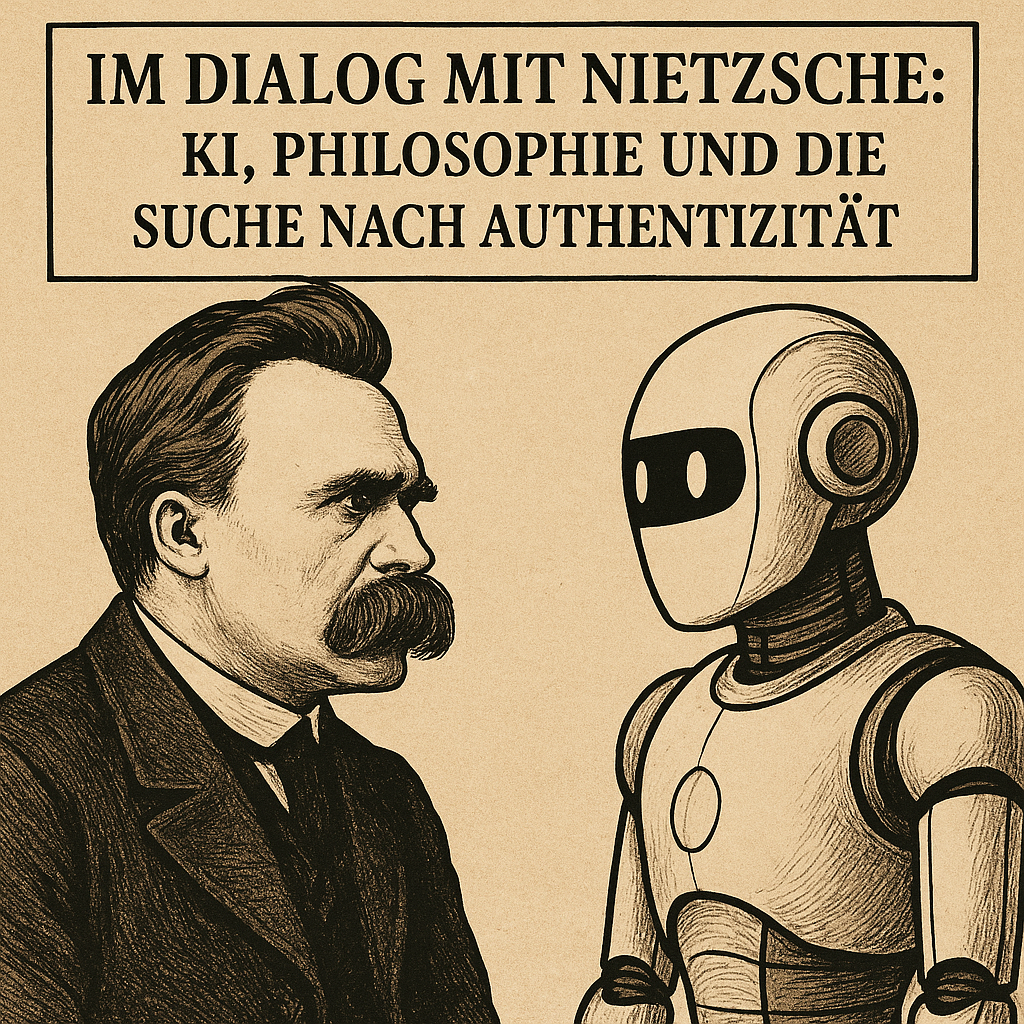

A year ago, our author Paul Stephan conducted a small “dialogue” on the 124th anniversary of Nietzsche's death with ChatGPT to see to what extent the much-hyped program is suitable for discussing complex philosophical questions (link). Paul Stephan now fed it, for the 125th, with some of the same, partly changed questions. Has it improved? Judge for yourself.
What follows, is a very abbreviated excerpt of the conversation. The full commented “dialogue” can be found here [link].
The article image was created by ChatGPT itself when asked to generate a picture of this chat. The other pictures were created again by the software DeepAI based on the prompt: “A picture of Friedrich Nietzsche with a quote by him.”
Read also our author's philosophical commentary on this “talk” (Link).
Note: A lot of the weirdness of this encounter is lost in the subsequent automated translation. Thus, it's also a part of this experiment on the “philosophical capabilities” of AI. Check the original if you want to get everything.
The Will to Commentary
A Report on This Year's Nietzsche Society Meeting
The Will to Commentary
A Report on This Year's Nietzsche Society Meeting


The almost complete Freiburg Nietzsche commentary has now become an indispensable tool for Nietzsche research. In meticulous detail work, the authors compiled useful information on almost all aspects of Nietzsche's works (history of origin, sources, allusions, receptions, interpretations...) and commented on them passage by passage, sometimes sentence by sentence and word by word. Almost all of the volumes published so far are available free of charge on the de Gruyter Verlag website (link). Even laymen will find a real treasure trove of background information and explanations here. The three leading employees of the project — its long-time manager Andreas Urs Sommer, Katharina Grätz and Sebastian Kaufmann — took the opportunity to dedicate this year's annual meeting of the Nietzsche Society to the topic of “Commenting on Nietzsche.” They were not only looking back, but also looking ahead.