#
90s
The Postmodern Forest
How the Forest Subverts Modernity's Totalizing Claim
The Postmodern Forest
How the Forest Subverts Modernity's Totalizing Claim

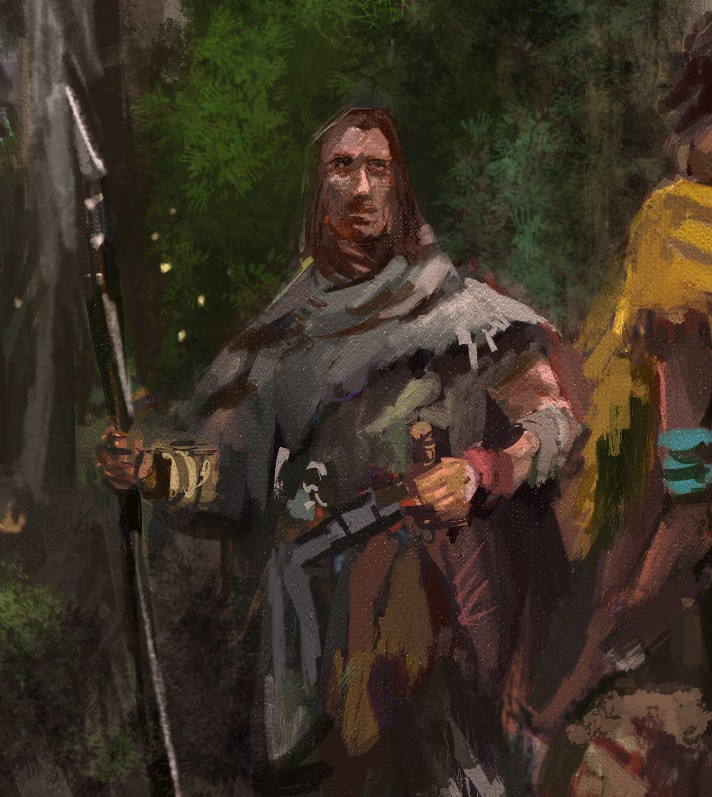
Forests are trending. And this is by no means contradictory to another, even larger trend of our time: digitalization. In this article, Mandus Craiss demonstrates that the forest is a network. Digitalization also occurs in a network-like manner; both phenomena are therefore characteristic of postmodernism.
In the first part of the article, the forest is characterized as a non-centralized and thus typically postmodern natural phenomenon. The second part defines "postmodernity" and discusses the extent to which this epochal concept is still, or once again, relevant – a discourse whose very early roots can be traced back to Nietzsche. Finally, the third part explains how the network aspect of postmodernity manifests itself and how the human-forest relationship has evolved recently.
This article is part of our special series this year "the forest as a livelihood".
“It is no longer about monumentalization! Artists today want to make Nietzsche human so that one can deal with him in a new way.”
Interview with Barbara Straka about Her Book Nietzsche Forever?
Discussion with Barbara Straka
Interview with Barbara Straka about Her Book Nietzsche Forever?
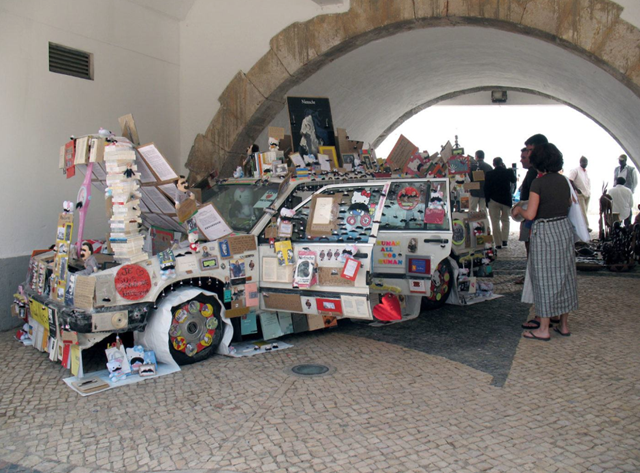
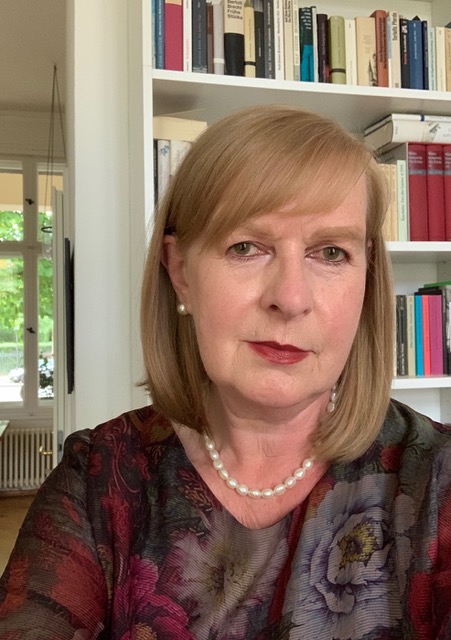
Last year, curator and art historian Barbara Straka published a two-volume monograph entitled Nietzsche forever? Friedrich Nietzsches Transfigurationen in der zeitgenössischen Kunst (Nietzsche Forever? Friedrich Nietzsche's Transfigurations in Contemporary Art), in which she explains Nietzsche's significance for the visual arts of the present day. After Michael Meyer-Albert dedicated a two-part review to her work in recent weeks (part 1, part 2), here follows an interview conducted by our author Jonas Pohler with the author in Potsdam. He discussed her book with her, but also about the not always easy relationship between philosophy and contemporary art.
Being a Father with Nietzsche
A Conversation between Henry Holland and Paul Stephan
Being a Father with Nietzsche
A Conversation between Henry Holland and Paul Stephan
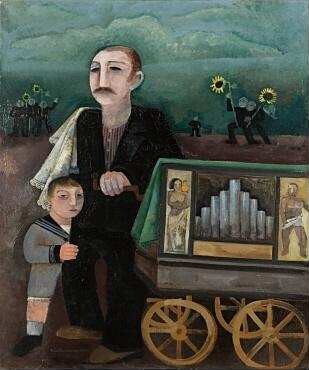
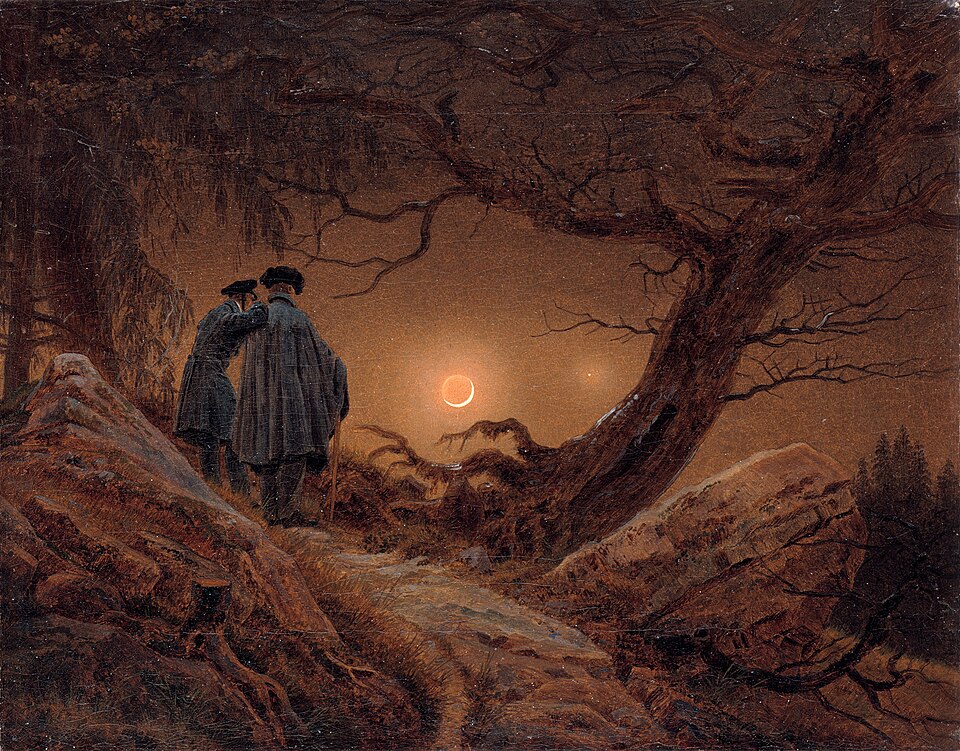
Nietzsche certainly did not have any children and is also not particularly friendly about the subject of fatherhood in his work. For him, the free spirit is a childless man; raising children is the task of women. At the same time, he repeatedly uses the child as a metaphor for the liberated spirit, as an anticipation of the Übermensch. Is he perhaps able to inspire today's fathers after all? And can you be a father and a Nietzschean at the same time? Henry Holland and Paul Stephan, both fathers, discussed this question.
We also published the complete, unabridged discussion on the Halcyonic Association for Radical Philosophy YouTube channel (Part 1, part 2).
“Smooth ice.
A paradise.
For the
who knows how to dance well!”1
Nietzsche and Techno
Nietzsche and Techno
Nietzsche and Techno


“Techno” — the show of the same name at the Swiss National Museum in Zurich, with traveling exhibitions by the Goethe-Institut and publications in German-speaking countries is currently honoring a once-subcultural movement that became a mass phenomenon in the 1990s with the Berlin Love Parade and continues to live on in Zurich's Street Parade today. Did techno offer (or offer) the Dionysian cultural experience that Nietzsche celebrated in his writings? Would Nietzsche have been a raver?