#
Paul Rée
Nietzsche, Tech Elitism, and the Tipping Point from Meaning to Violent Fantasy1
Off the Rails with ChatGPT
Nietzsche, Tech Elitism, and the Tipping Point from Meaning to Violent Fantasy
Off the Rails with ChatGPT


It has become something of a tradition for us to publish a "conversation" between Paul Stephan and ChatGPT on the anniversary of Nietzsche's death. While the previous two "interviews" (No. 1, No. 2) focused primarily on highlighting the limitations of A"I" and poking a little fun at it, our author's main goal this time was to address another common objection raised against A"I": that it censors unpopular opinions that deviate too far from the mainstream, thereby narrowing discourse as A"I" outputs increasingly become the benchmark for "truth."
We must therefore issue a strong warning: To this end, our author confronted ChatGPT with several radical interpretations and viewsthat in no way reflect his own perspective and would otherwise find no place on this blog, but rather diametrically contradict our values and our approach to Nietzsche. To signal this, he refers to himself as "Zero Newman" for this conversation. His aim was to draw attention to the censorship mechanisms of A"I", while also offering a critical, satirical look at potential "dark" interpretations of Nietzsche that are not merely a thing of the past.
A commentary by Paul Stephan on this "interview" and the rampant use of A"I"-generated Nietzsche interpretations and images on the internet can be found here.
Nietzsche and North America
An Interview with Willow Verkerk
Nietzsche and North America
An Interview with Willow Verkerk
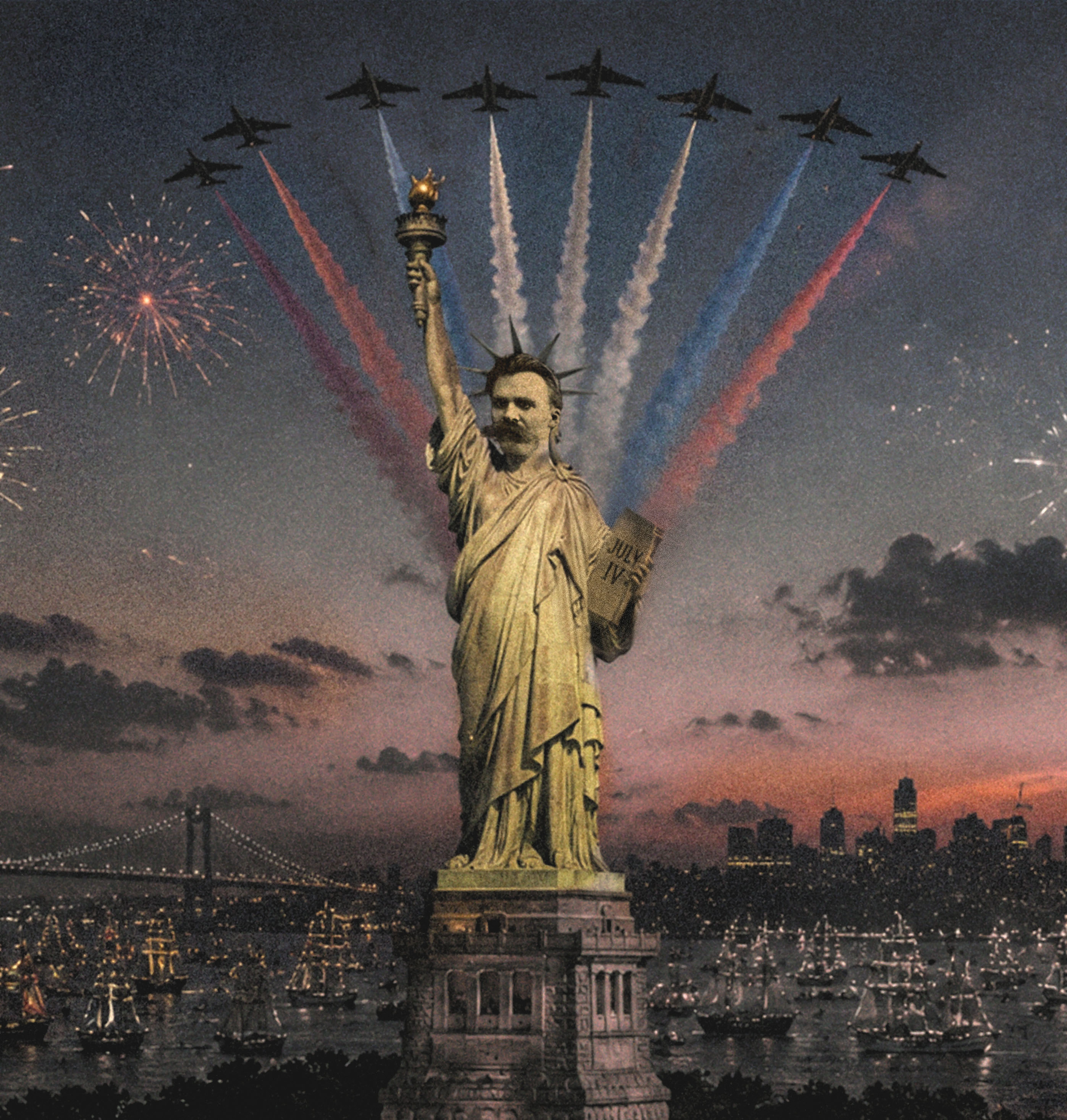
Exactly 250 years ago, on the 4th of July 1776, thirteen North American British colonies declared their independence from the mother country, soon thereafter forming one of the first modern democratic republics of the world, the United States of America. We took this anniversary as an occasion to speak with the Canadian Nietzsche scholar Willow Verkerk about the different approaches to Nietzsche in Europe and North America. To what extent is this thinker, so deeply embedded in European culture, read differently “here” to “there”? What does this tell about general cultural differences between Europe and its erstwhile colonies on the other side of the ocean? And what did Nietzsche himself think about the “New World”?
Nietzsche and Nationalism?
A Disputation between Michael Drescher and Paul Stephan
Nietzsche and Nationalism?
A Disputation between Michael Drescher and Paul Stephan

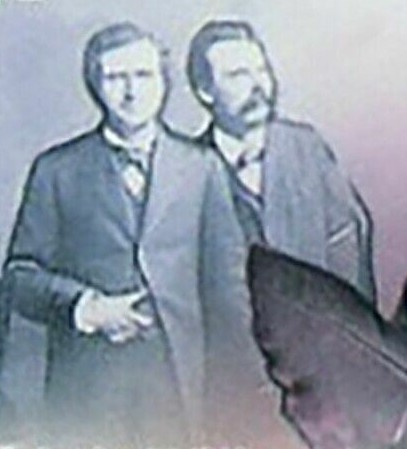
Throughout his life, Nietzsche was a great critic of nationalism. The burgeoning German national sentiment, in particular, was anathema to him, and he wrote scathing remarks about his home country, such as "definition of the Germanic: obedience and long legs..."1. At the same time, nationalists and patriots of all stripes count among his fans. How can one be a Nietzschean and a (German) nationalist? What exactly is "nationalism," and is it possible to give this term a positive meaning?
Paul Stephan discussed these delicate topics, which are gaining increasing relevance given the successes of nationalist parties worldwide, in written form with YouTuber, Nietzsche expert, and nationalism researcher Michael Drescher, also known as PhrasenDrescher.
Additionally, they continued this dialogue verbally on YouTube – feel free to check out the result here (or as an audio-only version on SoundCloud).
“It is no longer about monumentalization! Artists today want to make Nietzsche human so that one can deal with him in a new way.”
Interview with Barbara Straka about Her Book Nietzsche Forever?
Discussion with Barbara Straka
Interview with Barbara Straka about Her Book Nietzsche Forever?
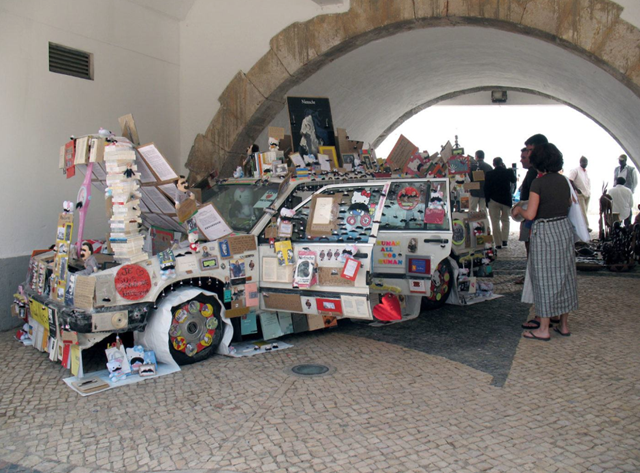
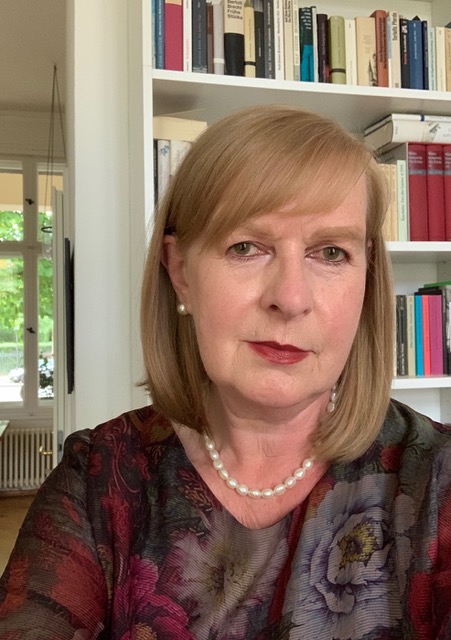
Last year, curator and art historian Barbara Straka published a two-volume monograph entitled Nietzsche forever? Friedrich Nietzsches Transfigurationen in der zeitgenössischen Kunst (Nietzsche Forever? Friedrich Nietzsche's Transfigurations in Contemporary Art), in which she explains Nietzsche's significance for the visual arts of the present day. After Michael Meyer-Albert dedicated a two-part review to her work in recent weeks (part 1, part 2), here follows an interview conducted by our author Jonas Pohler with the author in Potsdam. He discussed her book with her, but also about the not always easy relationship between philosophy and contemporary art.
Nietzsche’s Techniques of Philosophizing
With Glances Towards Wittgenstein and Heidegger
Nietzsche’s Techniques of Philosophizing
With Glances Towards Wittgenstein and Heidegger
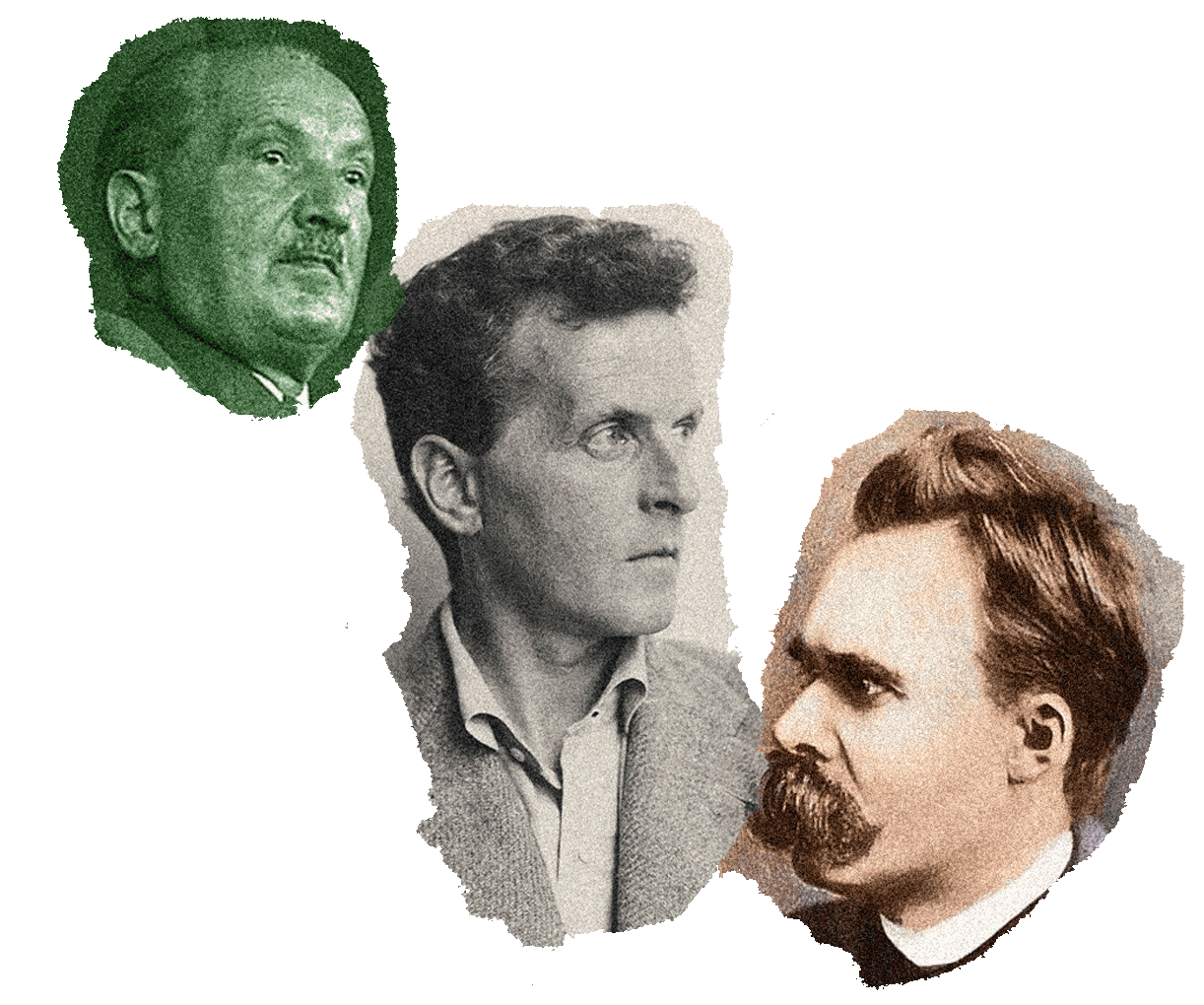
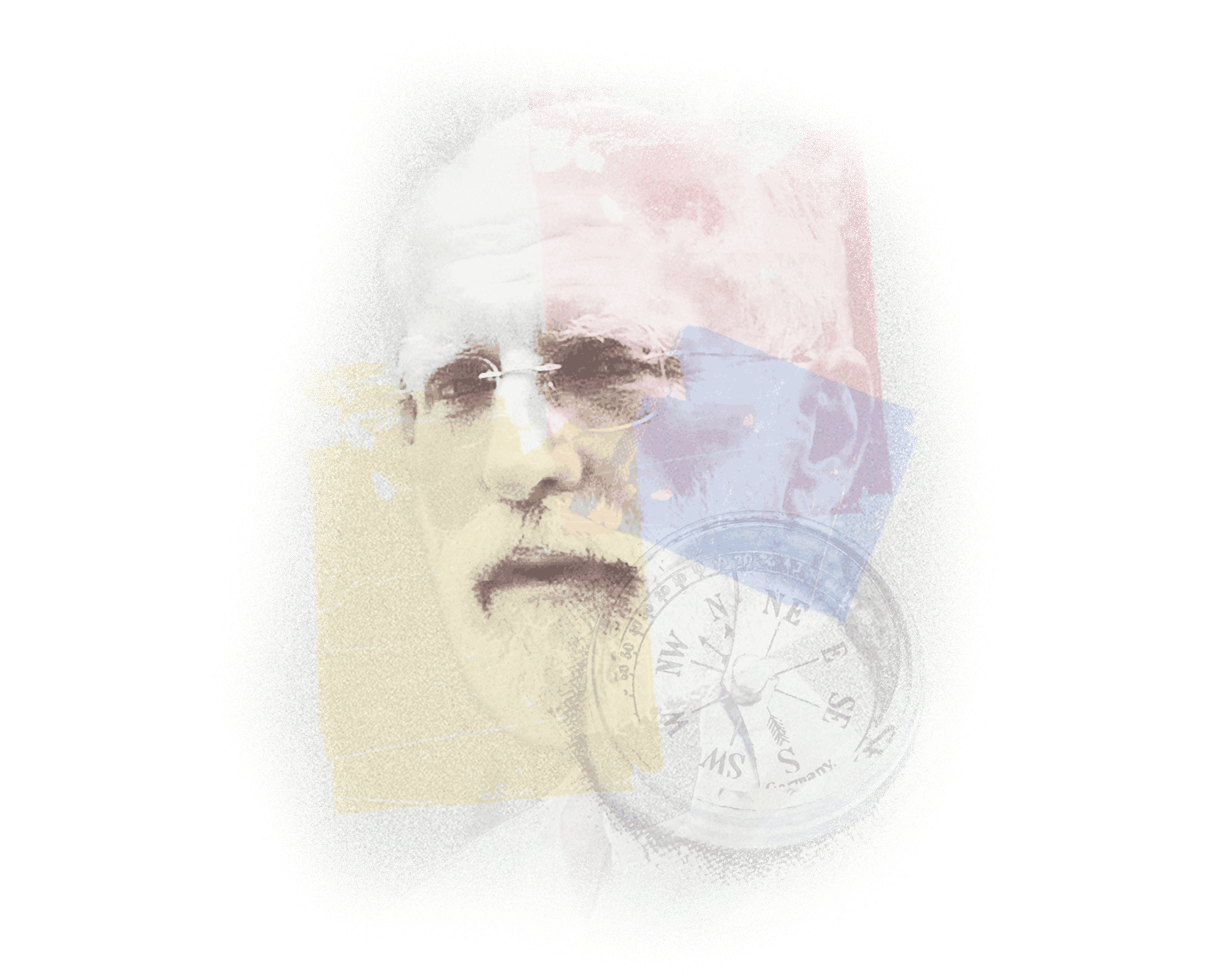
A fixed feature at the annual conference of the Nietzsche Gesellschaft [Nietzsche Society] conference is the Lectio Nietzscheana Naumburgensis: a particularly distinguished scholar delivering an extended lecture on the conference theme on the final day, thereby providing a pointed conclusion. The most recent conference in October 2025 awarded this special honor to Werner Stegmaier to recognize his long tenure as editor of the influential Nietzsche-Studien [Nietzsche Studies] and his authorship of numerous seminal monographs on Nietzsche’s philosophy. Running from October 16-19, 2025, the conference focused the theme “Nietzsche’s Technologies,” as Emma Schunack reported.
Generously granting his permission to publish his lecture in full and in this translation, Stegmaier takes on the conference theme from an unexpected perspective. Rather than examining what is commonly understood as “technologies”—machines, cyborgs, or automata—he explores instead Nietzsche’s philosophical techniques, both intellectual and rhetorical. Weighing up the original and idiosyncratic methods Nietzsche deployed while writing, Stegmaier reflects on how best to interpret and assess them. How were they able to enthuse and win over successive generations of readers? What can we learn from these today?
Comparing Nietzsche’s techniques with those of two other modern philosophical giants, Martin Heidegger (1889–1976) and Ludwig Wittgenstein (1889–1951), Stegmaier retraces all three philosophers’ break with the classical and conceptually oriented techniques of thinking inherited from antiquity, and their discoveries of radical and experimental means of developing philosophy in the age of “nihilism.” Replacing a one-dimensional, metaphysical understanding of rationality, these means cultivate a plural, perspectival mode of thought that necessarily relies on entirely different techniques. Situating Nietzsche’s methods within these broader developments in intellectual history, the Lectio establishes an utterly new framework for understanding his thought and its place within modern philosophy.
Translated by Henry Holland.
“Peace with Islam?”
Hiking with Nietzsche Through Glasgow’s Muslim Southside: Part II
“Peace with Islam?”
Wanderungen mit Nietzsche durch Glasgows muslimischen Süden: Teil 2

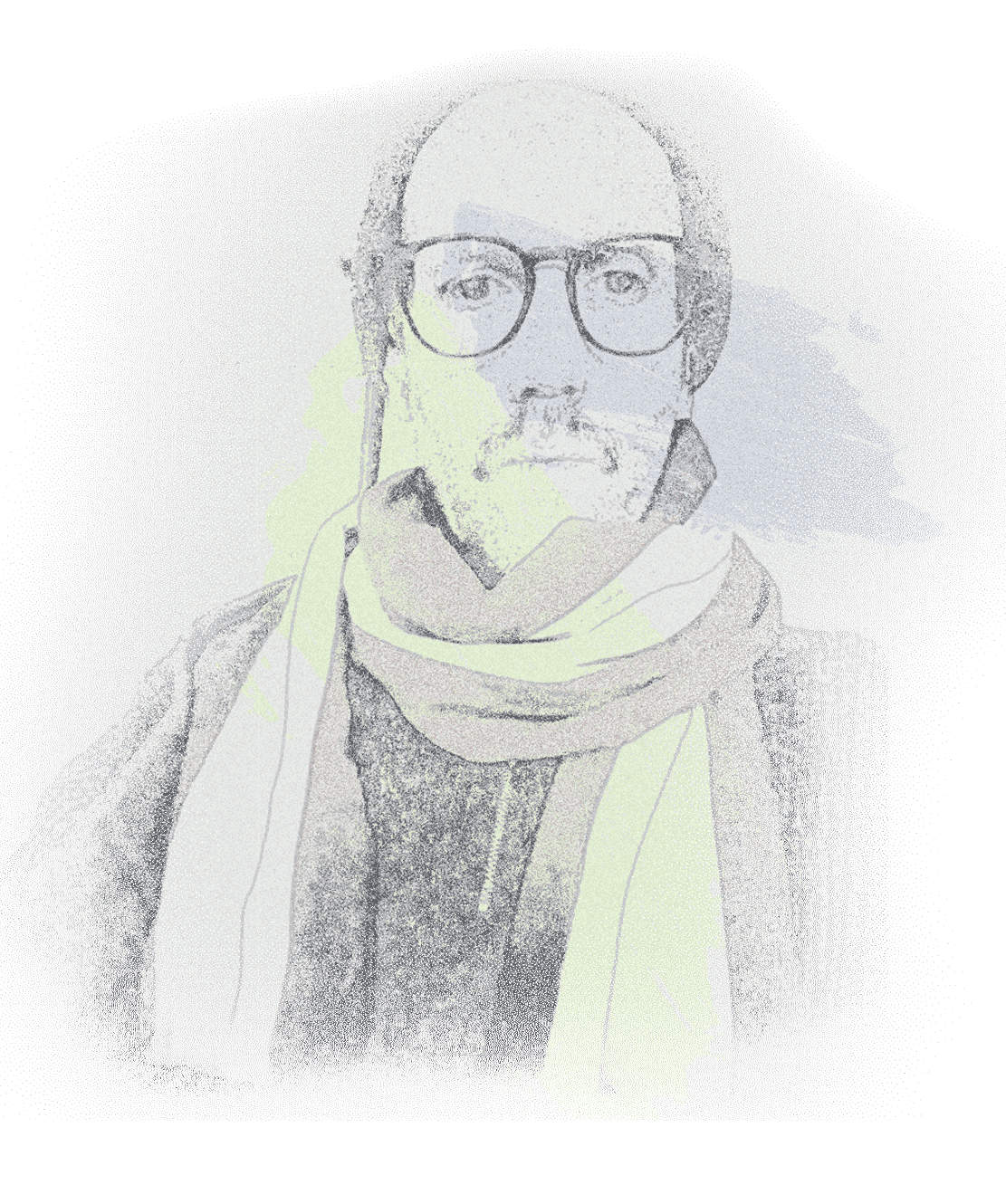
In the second part of his article on hiking through Glasgow’s Muslim-esque Southside, our staff writer Henry Holland delves into Nietzsche’s impassioned yet scattergun engagement with the youngest Abrahamic religion. He investigates how the experimental novel The Baphomet by French artist and theoretician Pierre Klossowski – which got him hooked on the Islam-Nietzsche intersection in the first place – blends Islam-inspired mysticism, sexual transgression and Nietzscheanism itself into an inimitable potion. With insights on Muslim-esque readings of Nietzsche in tow, Holland returns with Fatima and Ishmael to Scotland’s largest city, thus wrapping up his travelogue whence it began.
A New Nietzsche Biography
In Conversation with Andreas Urs Sommer
A New Nietzsche Biography
In Conversation with Andreas Urs Sommer
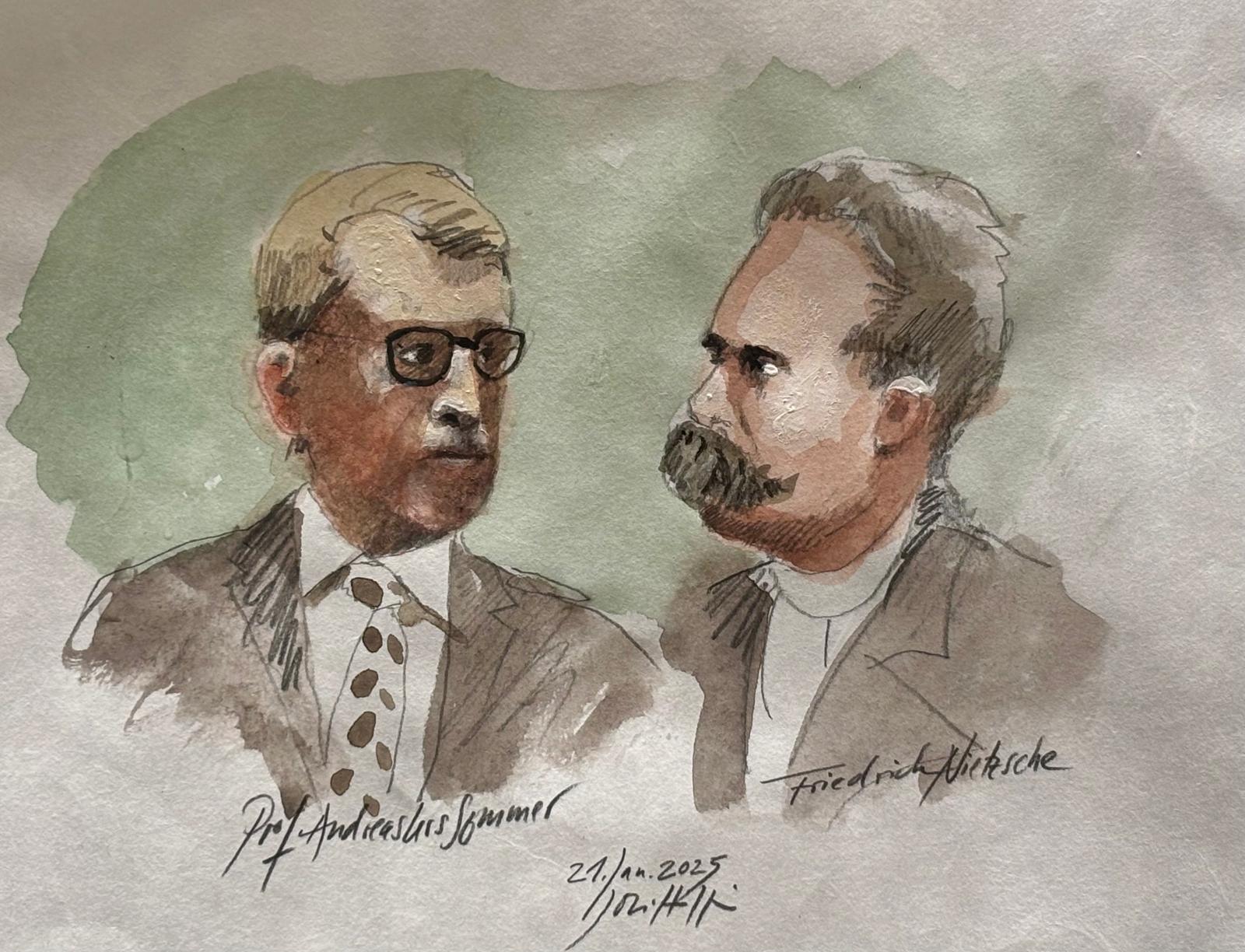

The philosopher Friedrich Nietzsche died 125 years ago, on August 25, 1900. We are taking this important date as an opportunity to publish interviews with two of the most internationally renowned Nietzsche researchers, Andreas Urs Sommer and Werner Stegmaier, around this year's anniversary of his birth on October 15, 1844. Freiburg philosophy professor Sommer is currently working on an extensive biography of the thinker, which is why the conversation with him focused in particular on his life; the conversation with his colleague from Greifswald, which focuses primarily on Nietzsche's thinking, will follow shortly (link). It will soon become apparent that the two cannot be separated. Among other things, we asked the expert about Nietzsche's character, his sexuality and if he lived what he proclaimed.
Dionysus Without Eros
Was Nietzsche an Incel?
Dionysus Without Eros
Was Nietzsche an Incel?
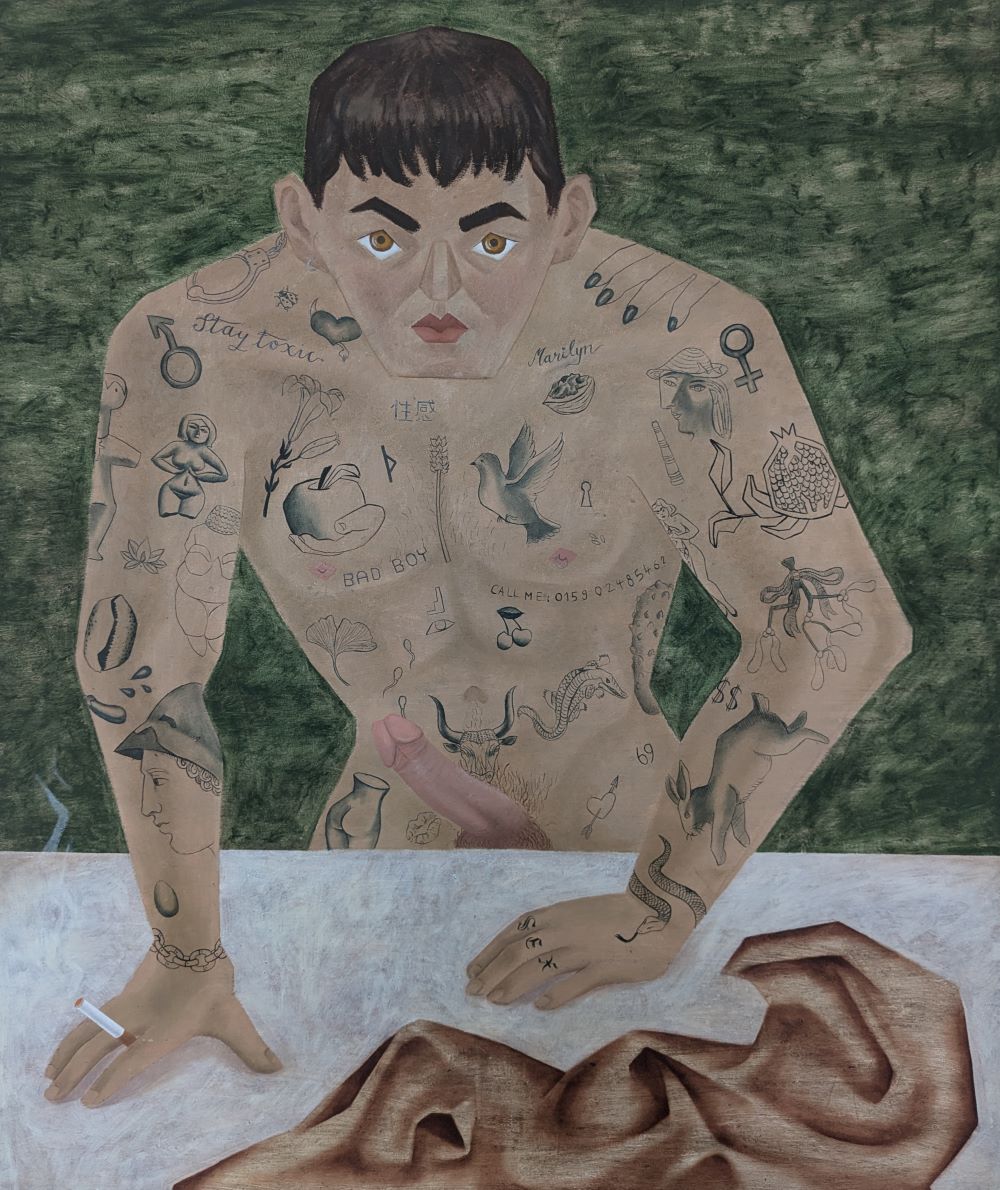

It is well known that Nietzsche had a hard time with women. His sexual orientation and activity are still riddled with mystery and speculation today. Time and again, this question inspired artists of both genders to create provocatively mocking representations. Can he possibly be described as an “incel”? As an involuntary bachelor, in the spirit of today's debate about the misogynistic “incel movement”? Christian Saehrendt explores this question and tries to shed light on Nietzsche's complicated relationship with the “second sex.”