September 30, 2026 11:16 AM
September 30, 2026 5:23 AM
September 29, 2026 8:33 PM
September 28, 2026 6:43 PM
Eduardo Patiño
Splendid reading
nietzsche-und-die-musik
September 28, 2026 1:03 PM
September 27, 2026 6:21 AM
September 26, 2026 12:05 PM
September 25, 2026 10:44 PM
September 24, 2026 12:26 PM
September 22, 2026 5:37 PM
September 22, 2026 4:42 PM
September 22, 2026 4:24 PM
September 22, 2026 12:03 PM
September 22, 2026 2:38 AM
September 20, 2026 4:25 AM
September 17, 2026 9:54 PM
September 17, 2026 5:11 AM
September 17, 2026 2:19 AM
September 16, 2026 3:14 PM
August 25, 2026 8:13 PM
Paul Stephan
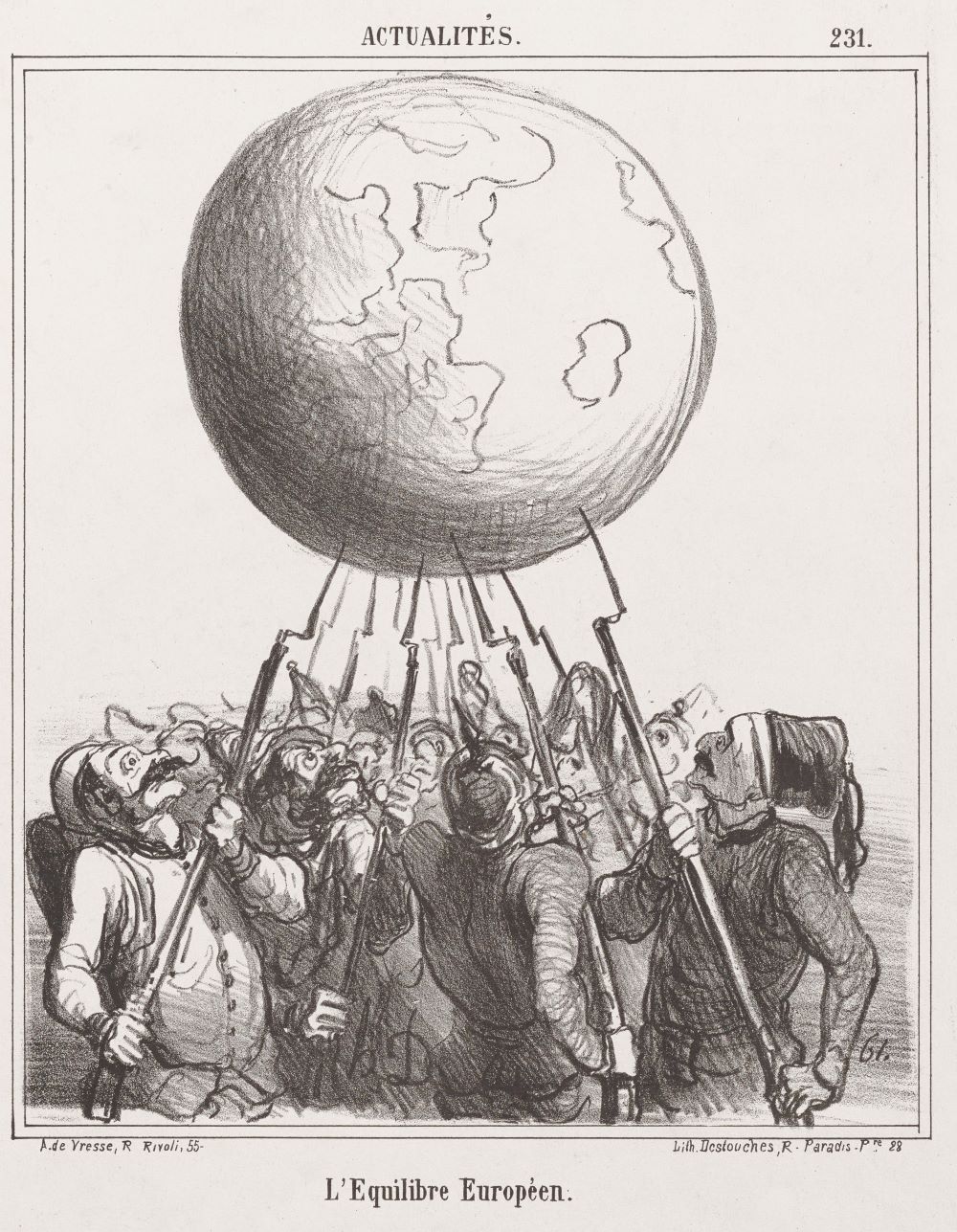
Weder Deutschland noch gar Europa insgesamt kann sich ja realistisch nach dem Zweiten Weltkrieg offen gegen die USA stellen. Aber würdest du in der Ostpolitik von Brandt bis Schröder nicht wesentlich den Versuch sehen, sich unabhängiger von den USA zu machen - was logischerweise eine Annäherung an die SU bzw. Russland impliziert?
Zu 1:
Ja, FW 356 hatte ich im Blick bei meiner Paraphrase von Nietzsches Grundposition zu Nordamerika. Wobei man schon den gesamten Aphorismus lesen muss. Wenn man den einen Satz rausnimmt, erscheint er ja wie ein Lob des totalen Schauspielertums, doch eigentlich will Nietzsche davor ja genau warnen: https://www.nietzschesource.org/eKGWB/FW-356
(Der Satz irritiert aber, weil er so lobend klingt ... Offensichtlich will sich Nietzsche da nicht so genau festlegen.)
Zu 2:
Ja, so kann man's sehen.
Zu 3:
Ein individualistischer Nietzsche à la Walter Kaufmann scheint auch mir sehr gut zu den USA zu passen und erfreut sich dort ja auch großer Beliebtheit!
nietzsche-und-nordamerika
August 21, 2026 11:16 PM
Zoppy
Here to dive into discussions, share thoughts, and learn something new throughout the journey.
I'm interested in learning from different perspectives and contributing whenever I can. Happy to hear different experiences and connecting with others.
That's my website-<a href="https://casino-minimum-deposit.ca">casino-minimum-deposit</a>
https://casino-minimum-deposit.ca
July 28, 2026 3:35 PM
mma
Einer der spannensten Beiträge. Besten Dank. Ein paar Gedanken dazu: Zunächst: "Die Vorstellung von einem vereinten Europa, das sich mit Russland oder sogar China gegen die USA verbündet, lag etwa dem Ansatz der deutschen Sozialdemokratie von Willy Brandt bis Gerhard Schröder zu Grunde, die Beziehung zum ‚Osten‘ zu normalisieren..." Das ist Quatsch. Die Behauptung, die SPD habe ein europäisch-russisch-chinesisches Bündnis gegen die USA angestrebt, ist eine ahistorische Fehlinterpretation. Richtig ist: Die SPD setzte über Jahrzehnte hinweg auf die Idee “Wandel durch Handel” und wirtschaftliche Verflechtung mit Autokratien, um Frieden zu sichern. Dies geschah jedoch immer unter dem Schutzschirm des transatlantischen Bündnisses und der NATO, niemals als Versuch, ein Gegenbündnis zu den USA zu schmieden.
1. Die Stelle “FW 356 Inwiefern es in Europa immer „künstlerischer“ zugehn wird.” Beschreibt die USA auch anders als nur als Ort eines hektischen Betriebs.
“Aber es giebt umgekehrte Zeitalter, die eigentlich demokratischen, wo man diesen Glauben mehr und mehr verlernt und ein gewisser kecker Glaube und Gesichtspunkt des Gegentheils in den Vordergrund tritt, jener Athener-Glaube, der in der Epoche des Perikles zuerst bemerkt wird, jener Amerikaner-Glaube von heute, der immer mehr auch Europäer-Glaube werden will: wo der Einzelne überzeugt ist, ungefähr Alles zu können, ungefähr jeder Rolle gewachsen zu sein, wo Jeder mit sich versucht, improvisirt, neu versucht, mit Lust versucht, wo alle Natur aufhört und Kunst wird...”
2. Im Vergleich zu den mörderischen totalitären Ideologien Europa sim 20 Jahrhundert wirkte der von Nietzsche kritisierte „Amerikanismus“ (Konsum, ruhelose Erwerbsarbeit, Demokratie) plötzlich unschuldiger und bewahrenswerter.
Nietzsches Ideal des „freien Geistes“, der sich gegen jede staatliche Gleichschaltung wehrt, passte perfekt zum amerikanischen Konzept der individuellen Freiheit. Nietzsches schärfste Angriffe gelten der kollektiven „Herdenmentalität“ – die sich im europäischen Faschismus und Stalinismus grausam entladen hatte.
3. Sein Ethos des freien Geistes hätte den Liberalismus der USA im 20. und 21. Jahrhundert hochgehalten. Er hätte das US-amerikanische System für seine Fähigkeit bewundert, radikale Ausnahmetalente und Pioniere (seine freien Geister) zu ermöglichen. Gleichzeitig hätte er den „Amerikanismus“ kritisiert, wenn diese Vortrefflichkeit nur in wirtschaftlichem Reichtum und nicht in geistiger, philosophischer Tiefe mündet.
nietzsche-und-nordamerika
July 27, 2026 7:36 PM
Strong163
[url=https://gzzbmepc.com]Apuisezek[/url] <a href='https://nzqntjnili.com'>Iasusem</a> https://aaqxidivhs.com
July 27, 2026 7:56 AM
Health4295
[url=https://gzzbmepc.com]Ogutagk[/url] <a href='https://nzqntjnili.com'>Evreeisid</a> https://aaqxidivhs.com
July 14, 2026 3:49 PM
Rickyamamn
Долой надоевшие блокировки РКН — реально появился инструмент !
Встречайте Xray VPN — реально не просто очередной впн , а высокотехнологичный многослойный щит, созданный специально для российских реалий .
В его основе зашит алгоритм фрагментации , который вводит в заблуждение любой «умный» фильтр РКН — и провайдер видит лишь обычный HTTPS-трафик .
Что это даёт на практике?
✅ Игнорирование всех видов региональных запретов .
✅ Снятие лимитов — стримьте без потерь .
✅ Работа там, где разрешены только «одобренные» сайты — госучреждения перестают быть преградой .
✅ Доступ к любому контенту из любой точки — YouTube, Telegram, Netflix, Discord, Spotify — открывается мгновенно даже при замедлении от провайдера .
При этом — никто не узнает, что вы заходите — никаких логов .
Пинг — на высоте — прямым магистралям вы получаете минимальную задержку для игр.
Почему именно XrayNet, а не друг
June 23, 2026 1:30 AM
Anya179Ka
Hello folks!
I came across a 179 interesting platform that I think you should explore.
This site is packed with a lot of useful information that you might find helpful.
It has everything you could possibly need, so be sure to give it a visit!
[url=https://liveforbball.com/basketball-much-more-than-a-game]https://liveforbball.com/basketball-much-more-than-a-game[/url]
And don't forget, everyone, — one at all times can inside this publication locate responses to your most tangled inquiries. We made an effort — present all of the information in the most very accessible manner.
June 20, 2026 7:04 PM
Redaktion
Ihnen gefallen unsere Inhalte und Sie wünschen sich mehr professionelle Übersetzungen unserer Artikel ins Englische?
Dann unterstützen Sie unsere Crowdfundingkampagne! Bis zum 10. 7. 2026 sammeln wir Spenden zur Verbesserung unserer englischen Übersetzungen. Wir bieten Ihnen im Gegenzug einige phantastische Prämien. Und alle Spenden werden von der Aventis-Stiftung VERDOPPELT: www.startnext.com/nietzsche-poparts
***
You like our content and would like to see more professional translations of our articles into English?
Then please support our crowdfunding campaign! We are collecting donations until July 10, 2026, to improve our English translations. In return, we are offering a broad range of fantastic rewards. Moreover, all donations will be DOUBLED by the Aventis Foundation: https://www.startnext.com/en/nietzsche-poparts?lang=en
nietzsche-als-populist
June 20, 2026 6:03 PM
Redaktion
Ihnen gefallen unsere Inhalte und Sie wünschen sich mehr professionelle Übersetzungen unserer Artikel ins Englische?
Dann unterstützen Sie unsere Crowdfundingkampagne! Bis zum 10. 7. 2026 sammeln wir Spenden zur Verbesserung unserer englischen Übersetzungen. Wir bieten Ihnen im Gegenzug einige phantastische Prämien. Und alle Spenden werden von der Aventis-Stiftung VERDOPPELT: www.startnext.com/nietzsche-poparts
***
You like our content and would like to see more professional translations of our articles into English?
Then please support our crowdfunding campaign! We are collecting donations until July 10, 2026, to improve our English translations. In return, we are offering a broad range of fantastic rewards. Moreover, all donations will be DOUBLED by the Aventis Foundation: https://www.startnext.com/en/nietzsche-poparts?lang=en
nietzsche-als-populist
June 20, 2026 6:03 PM
Redaktion
Ihnen gefallen unsere Inhalte und Sie wünschen sich mehr professionelle Übersetzungen unserer Artikel ins Englische?
Dann unterstützen Sie unsere Crowdfundingkampagne! Bis zum 10. 7. 2026 sammeln wir Spenden zur Verbesserung unserer englischen Übersetzungen. Wir bieten Ihnen im Gegenzug einige phantastische Prämien. Und alle Spenden werden von der Aventis-Stiftung VERDOPPELT: www.startnext.com/nietzsche-poparts
***
You like our content and would like to see more professional translations of our articles into English?
Then please support our crowdfunding campaign! We are collecting donations until July 10, 2026, to improve our English translations. In return, we are offering a broad range of fantastic rewards. Moreover, all donations will be DOUBLED by the Aventis Foundation: https://www.startnext.com/en/nietzsche-poparts?lang=en
thatsachen-und-eine-verdammt-gute-interpretation
June 20, 2026 5:45 PM
Redaktion
Ihnen gefallen unsere Inhalte und Sie wünschen sich mehr professionelle Übersetzungen unserer Artikel ins Englische?
Dann unterstützen Sie unsere Crowdfundingkampagne! Bis zum 10. 7. 2026 sammeln wir Spenden zur Verbesserung unserer englischen Übersetzungen. Wir bieten Ihnen im Gegenzug einige phantastische Prämien. Und alle Spenden werden von der Aventis-Stiftung VERDOPPELT: www.startnext.com/nietzsche-poparts
***
You like our content and would like to see more professional translations of our articles into English?
Then please support our crowdfunding campaign! We are collecting donations until July 10, 2026, to improve our English translations. In return, we are offering a broad range of fantastic rewards. Moreover, all donations will be DOUBLED by the Aventis Foundation: https://www.startnext.com/en/nietzsche-poparts?lang=en
nietzsche-als-populist
June 20, 2026 5:45 PM
Redaktion
Ihnen gefallen unsere Inhalte und Sie wünschen sich mehr professionelle Übersetzungen unserer Artikel ins Englische?
Dann unterstützen Sie unsere Crowdfundingkampagne! Bis zum 10. 7. 2026 sammeln wir Spenden zur Verbesserung unserer englischen Übersetzungen. Wir bieten Ihnen im Gegenzug einige phantastische Prämien. Und alle Spenden werden von der Aventis-Stiftung VERDOPPELT: www.startnext.com/nietzsche-poparts
***
You like our content and would like to see more professional translations of our articles into English?
Then please support our crowdfunding campaign! We are collecting donations until July 10, 2026, to improve our English translations. In return, we are offering a broad range of fantastic rewards. Moreover, all donations will be DOUBLED by the Aventis Foundation: https://www.startnext.com/en/nietzsche-poparts?lang=en
thatsachen-und-eine-verdammt-gute-interpretation
June 20, 2026 5:45 PM
Redaktion
Ihnen gefallen unsere Inhalte und Sie wünschen sich mehr professionelle Übersetzungen unserer Artikel ins Englische?
Dann unterstützen Sie unsere Crowdfundingkampagne! Bis zum 10. 7. 2026 sammeln wir Spenden zur Verbesserung unserer englischen Übersetzungen. Wir bieten Ihnen im Gegenzug einige phantastische Prämien. Und alle Spenden werden von der Aventis-Stiftung VERDOPPELT: www.startnext.com/nietzsche-poparts
***
You like our content and would like to see more professional translations of our articles into English?
Then please support our crowdfunding campaign! We are collecting donations until July 10, 2026, to improve our English translations. In return, we are offering a broad range of fantastic rewards. Moreover, all donations will be DOUBLED by the Aventis Foundation: https://www.startnext.com/en/nietzsche-poparts?lang=en
franzchen-heisst-sie-franzchen-heisst-sie
June 20, 2026 5:45 PM
Redaktion
Ihnen gefallen unsere Inhalte und Sie wünschen sich mehr professionelle Übersetzungen unserer Artikel ins Englische?
Dann unterstützen Sie unsere Crowdfundingkampagne! Bis zum 10. 7. 2026 sammeln wir Spenden zur Verbesserung unserer englischen Übersetzungen. Wir bieten Ihnen im Gegenzug einige phantastische Prämien. Und alle Spenden werden von der Aventis-Stiftung VERDOPPELT: www.startnext.com/nietzsche-poparts
***
You like our content and would like to see more professional translations of our articles into English?
Then please support our crowdfunding campaign! We are collecting donations until July 10, 2026, to improve our English translations. In return, we are offering a broad range of fantastic rewards. Moreover, all donations will be DOUBLED by the Aventis Foundation: https://www.startnext.com/en/nietzsche-poparts?lang=en
natalie-schulte-nietzsches-mutter
June 20, 2026 5:45 PM
Redaktion
Ihnen gefallen unsere Inhalte und Sie wünschen sich mehr professionelle Übersetzungen unserer Artikel ins Englische?
Dann unterstützen Sie unsere Crowdfundingkampagne! Bis zum 10. 7. 2026 sammeln wir Spenden zur Verbesserung unserer englischen Übersetzungen. Wir bieten Ihnen im Gegenzug einige phantastische Prämien. Und alle Spenden werden von der Aventis-Stiftung VERDOPPELT: www.startnext.com/nietzsche-poparts
***
You like our content and would like to see more professional translations of our articles into English?
Then please support our crowdfunding campaign! We are collecting donations until July 10, 2026, to improve our English translations. In return, we are offering a broad range of fantastic rewards. Moreover, all donations will be DOUBLED by the Aventis Foundation: https://www.startnext.com/en/nietzsche-poparts?lang=en
tatsachen-gibt-es-nicht-nur-interpretationen
June 20, 2026 5:45 PM
Redaktion
Ihnen gefallen unsere Inhalte und Sie wünschen sich mehr professionelle Übersetzungen unserer Artikel ins Englische?
Dann unterstützen Sie unsere Crowdfundingkampagne! Bis zum 10. 7. 2026 sammeln wir Spenden zur Verbesserung unserer englischen Übersetzungen. Wir bieten Ihnen im Gegenzug einige phantastische Prämien. Und alle Spenden werden von der Aventis-Stiftung VERDOPPELT: www.startnext.com/nietzsche-poparts
***
You like our content and would like to see more professional translations of our articles into English?
Then please support our crowdfunding campaign! We are collecting donations until July 10, 2026, to improve our English translations. In return, we are offering a broad range of fantastic rewards. Moreover, all donations will be DOUBLED by the Aventis Foundation: https://www.startnext.com/en/nietzsche-poparts?lang=en
nietzsche-und-der-nationalismus
June 20, 2026 5:43 PM
Redaktion
Ihnen gefallen unsere Inhalte und Sie wünschen sich mehr professionelle Übersetzungen unserer Artikel ins Englische?
Dann unterstützen Sie unsere Crowdfundingkampagne! Bis zum 10. 7. 2026 sammeln wir Spenden zur Verbesserung unserer englischen Übersetzungen. Wir bieten Ihnen im Gegenzug einige phantastische Prämien. Und alle Spenden werden von der Aventis-Stiftung VERDOPPELT: www.startnext.com/nietzsche-poparts
***
You like our content and would like to see more professional translations of our articles into English?
Then please support our crowdfunding campaign! We are collecting donations until July 10, 2026, to improve our English translations. In return, we are offering a broad range of fantastic rewards. Moreover, all donations will be DOUBLED by the Aventis Foundation: https://www.startnext.com/en/nietzsche-poparts?lang=en
der-postmoderne-wald
June 20, 2026 5:42 PM
Redaktion
Ihnen gefallen unsere Inhalte und Sie wünschen sich mehr professionelle Übersetzungen unserer Artikel ins Englische?
Dann unterstützen Sie unsere Crowdfundingkampagne! Bis zum 10. 7. 2026 sammeln wir Spenden zur Verbesserung unserer englischen Übersetzungen. Wir bieten Ihnen im Gegenzug einige phantastische Prämien. Und alle Spenden werden von der Aventis-Stiftung VERDOPPELT: www.startnext.com/nietzsche-poparts
***
You like our content and would like to see more professional translations of our articles into English?
Then please support our crowdfunding campaign! We are collecting donations until July 10, 2026, to improve our English translations. In return, we are offering a broad range of fantastic rewards. Moreover, all donations will be DOUBLED by the Aventis Foundation: https://www.startnext.com/en/nietzsche-poparts?lang=en
revolt-slaves-revolt
June 19, 2026 1:32 PM
Zoppy
Just here to join conversations, share experiences, and learn something new along the way.
I like learning from different perspectives and sharing my input when it's helpful. Interested in hearing fresh thoughts and meeting like-minded people.
There's my website:<a href="https://automisto24.com.ua/">AutoMisto24</a>
https://automisto24.com.ua/
May 20, 2026 1:12 PM
mma
Dürfte ich diese Beschreibungen ergänzen um eine Kritik am linken Populismus? zb so
Linkspopulismus :
Die Haupt-Trennlinie: Unten / Oben Die arbeitende Basis kämpft gegen die mächtige Spitze.
Das primäre Feindbild: Die Wirtschaftselite Großkapital, Banken, Konzerne, Milliardäre und Lobbyisten.
Das Kernproblem: Ausbeutung & Ungerechtigkeit Ungerechte Vermögensverteilung, Armut und die unkontrollierte Macht der Märkte.
Nietzsche würde das als Ausdruck einer Herdenmoral verstehen, die sich in einer Neid-Moral ausdrückt, die sich selbst aber als sozialgerechte Betonung der Gleichheit verklärt. Gleichheit, Gleichheit über alles. Hinzukommt eine Diffamierung erfolgreicher Freiheit und eine Auslagerung für die Schuld an der eigenen Mittelmäßigkeit auf die Umstände. Diese Auslagerung funktioniert als Hyperempathie (vgl. Gehlens "Hypermoral"): Das Universelle wird mit den Maßstäben einer WG verstanden und das Private abstrus mit der Brille des Universellen betrachtet. Resultat: Empöre dich universell und lass so das Naheliegende liegen.
Weiter gedacht: Vielleicht liegt der wesentliche Unterschied in der Zukunft darin, dass sich die einen auf die populistischen Unterschiede stützen, um ihre fehlenden oder wilden Ambitionen zu verklären, während die anderen versuchen, ihre Ambitionen in ein Lernen zu kanalisieren, das sich um feinere, genauere Unterscheidungen bemüht, die offen sind für Optimierungen. Populismus wäre für diese noch eine Art des Sprachgebrauchs, der die Populisten populistisch aufs Kreuz legt, für eine gelegentliche Selbststimulation sorgt und mitunter pädagogische Erkenntnisgewinne in mundgerechte Stücke zerlegt.
nietzsche-als-populist
April 5, 2026 3:48 AM
Julian Techne
Clarification: “soul” and “spirit” were imprecise choices. Better framed as Selbstüberwindung vs Selbstauflösung. Nietzsche requires the mastery and transfiguration of chaos, not its dissolution. The rest stands.
asthetik-des-rauschs
April 5, 2026 2:55 AM
Julian Techne
Nitsch: Self-Mastery or Primitive Regression?
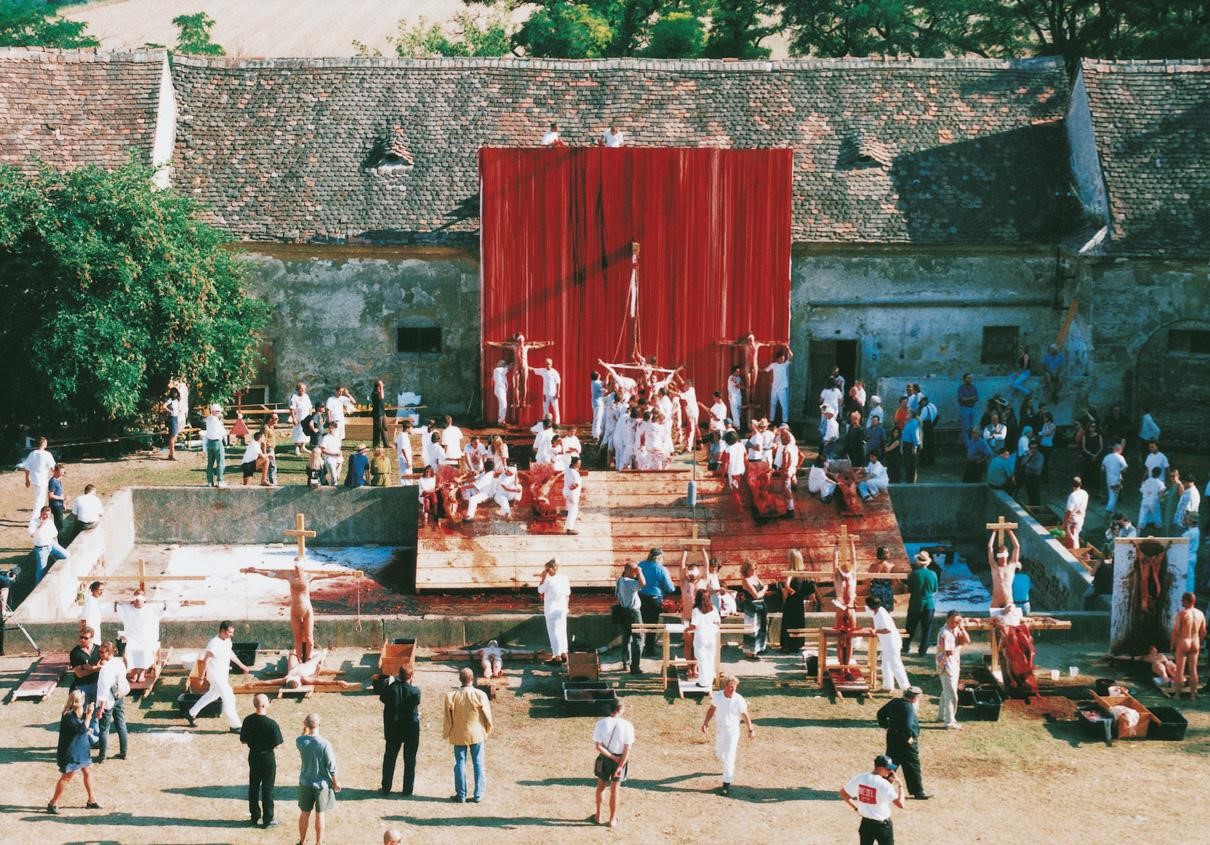
The analysis of Nitsch’s Rausch (intoxication) raises a fundamental philosophical issue: the common tendency to label Nitsch as Nietzsche’s heir. In reality, his work represents a parodic inversion of Nietzschean thought.
Nietzsche’s philosophy centers on Self-Mastery. The Übermensch is the one who masters his own chaos through discipline, not the one who drowns in it. Nitsch’s theater is not a Dionysian ascent, but a primitive regression. It functions as a secularized 'Black Mass'—an 'Inverted Order' closer to the transgressive fanaticism of Frankism than to any actual Nietzschean nobility.
The core misunderstanding lies in confusing Nietzsche’s tragic cynicism with Nitsch’s gratuitous violence. While Nietzsche used the 'hammer' of critique to clear space for a new temple, Nitsch uses it merely for the thrill of the crash.
A more authentic Nietzschean evolution is found in the work of Hermann Hesse, who understood that 'becoming oneself' requires an internal dissection of the soul, not a ritualized butchery of the flesh. Promoting Nitsch’s sadism as 'liberation' is a regressive trap: it promises freedom but delivers only an involution of the spirit. Let’s choose between the butchery of the body and the mastery of the self.
“'I have done that,' says my memory. 'I could not have done that,' says my pride, and remains inexorable. Eventually—the memory yields.” (F. Nietzsche, Beyond Good and Evil, 68).
asthetik-des-rauschs
April 4, 2026 10:25 PM
Julian Techne
Hi Emma, I stumbled on this article as a 'fan' of Nietzsche, thrilled by how the recent rise of AI brings a new, urgent light to the revolutionary reflections of the author. Even though I’m joining the conversation a bit late, your take on the cyborg as an 'architect of thought' feels more relevant than ever.
It’s a brilliant way to frame Zarathustra in the digital age, seeing technical integration as an 'action as affirmation' of the Will to Power. However, as the AI landscape becomes more complex, I find the concept of 'technology' here a bit too broad, which makes it hard to see where the actual autonomy lies.
If we look at this through Foucault’s 'technologies of the self,' we have to ask: is the Nietzschean cyborg actually designing their own 'bridge,' or are they just walking on one pre-built by Big Tech?
Without specifying what kind of technology we’re talking about—open-source empowerment vs. opaque, proprietary algorithms—there’s a thin line between being an Overhuman and just being a 'hyper-disciplined' subject. If you don't own the 'source code' of your own enhancements, can you really be the architect of your own mind?
nietzsche-und-cyborgs
April 2, 2026 11:14 AM
Redaktion
Hier kurz die Auflösung von unserem Jubiläumsquiz.
Damit Sie nochmal mitraten können, erst noch einmal die Fragen:
1) Als welches Tier taucht Nietzsche in einem avantgardistischen Roman des 20. Jahrhunderts auf?
Adler, Schlange, Maulwurf oder Ameisenbär?
2) Wie heißt es in Nietzsches bekanntem Aphorismus "Man muss noch Chaos in sich haben, um einen … gebären zu können"?
Einen "singenden Einfall", "ordentlichen Witz", "lachenden Gedanken" oder "tanzenden Stern"?
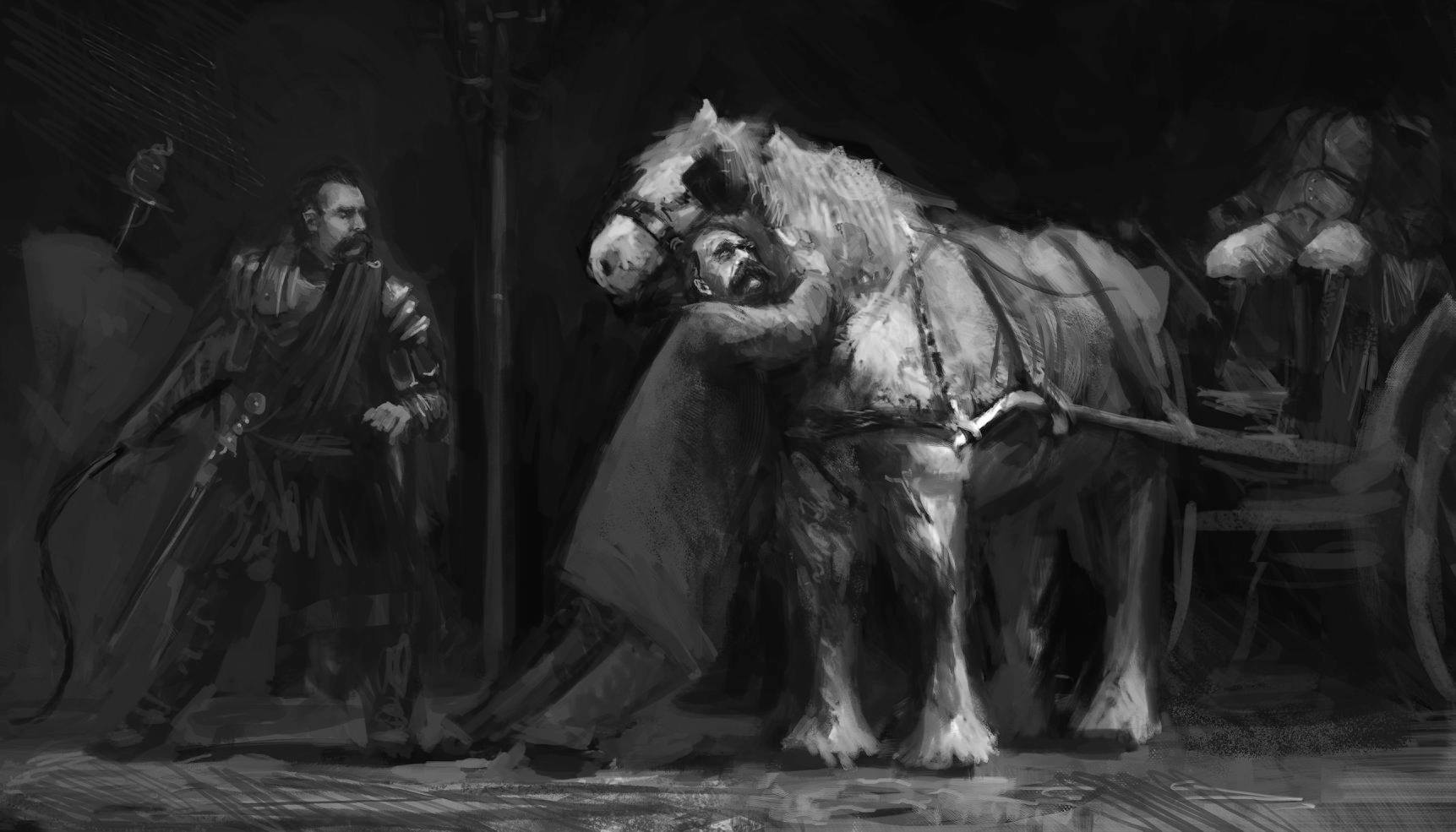
3) In welchem Ort umarmte Nietzsche angeblich ein Tier?
Turin, Venedig, Sils Maria oder Naumburg?
4) Welche der folgenden Personen bezog sich in ihren Werken immer wieder auf Nietzsche oder war gar Nietzscheaner?
Theodor W. Adorno, Ernst Jünger, Gustav Landauer und/oder Emma Goldman?
***
Und hier die Auflösung:
1) Gefragt war nach dem Ameisenbär, als den der französische Schriftsteller und Philosoph Pierre Klossowski Nietzsche in seinem experimentellen Roman "Der Baphomet" auftreten lässt. Henry Holland schrieb darüber: https://www.nietzsche-poparts.ch/posts/friede-mit-dem-islam-2
Das war aber auch wirklich eine schwere Frage, da hätte "nicht einmal" ChatGPT weiterhelfen können, dass völlig im Dunkeln tappte, als wir sie ihm spaßeshalber stellten.
2) Easy-peasy, wir meinten natürlich den berühmten "tanzenden Stern".
3) Auch einfach, gefragt war nach dem "Turiner Pferd", das aber wahrscheinlich eine Legende ist.
4) Eine kleine Fangfrage, mit der wir auf die Breite von Nietzsches Wirkung hinweisen wollten. Richtig waren nämlich alle Antworten (man hätte also alle vier ankreuzen müssen).
Hätten Sie es gewusst?
Wir gratulieren herzlich den Gewinnern und danken allen, die teilgenommen haben, für ihr hilfreiches Feedback, das wir bei unserer künftigen Arbeit berücksichtigen werden.
Sollen wir in Zukunft häufiger solche Sonderaktionen machen?
zwei-jahre-durch-walder-von-symbolen
April 1, 2026 3:14 PM
Volker Homann
FW 384 höchst interessant, vor allem im zentralen Aspekt von „Zen“.
jean-baptiste-botul-ein-vergessener-nietzscheaner-aus-frankreich
April 1, 2026 1:16 PM
Jean-Jacques Saint-Preux
Es ist wirklich wunderbar, dass Botul endlich auch auf der anderen Seite des Rheins entdeckt wird. Merci, merci, merci!
Sein Name ist ein Omen: Er war der Ioannes Baptista der westrheinischen Nietzsche-Rezeption - er hat quasi die Post-Postmoderne schon vorweggenommen in seinen Schriften. Und sein unpubliziertes Nachlass birgt noch so viele Schätze!
Ich prophezeie, dass man in 100 Jahren Foucault, Deleuze, Bataille etc. in die Fußnoten verbannt haben und nur noch über Botuls Taxographie sprechen wird (oder eigentlich müsste man im Sinne des doppelten Futur ja schreiben "sprechen werden wird").
Herzlichste Grüße aus Frankreich!
jean-baptiste-botul-ein-vergessener-nietzscheaner-aus-frankreich
April 1, 2026 12:38 PM
Paul Stephan
Danke für diesen wunderbaren Beitrag, Elmar! Endlich wird mit all den Lügen, Halbwahrheiten und sensationalistischen Übertreibungen, die in Sachen Botul im Netz kursieren, aufgeräumt und einmal nüchtern die wissenschaftliche Wahrheit präsentiert!
Was mir bei meinen eigenen Recherchen besonders gefiel, ist Botuls radikale Interpretation von FW 384 (auch so eine ignorierte terra incognita des Nietzscheversums) im Sinne eines "future utopique" und sein darauf aufbauendes Konzept einer "Zukunft der Zukunft", das ihn zu dem wunderbaren Bonmot bringt: "Man wird eigentlich nicht posthum geboren, sondern in der Zukunft der Zukunft beerdigt". - Hoffentlich wird er durch mutige Vorreiter wie dich nun wenigstens posthum geboren! Man sollte ganze Lehrstühle dem Studium Botuls widmen - dieser Beitrag ist hoffentlich die Initialzündung dazu!
jean-baptiste-botul-ein-vergessener-nietzscheaner-aus-frankreich
March 18, 2026 6:17 PM
Paul Stephan
Ich kann dem Grundimpuls von Marquard durchaus etwas abgewinnen. Er verweist auf die Grenzen einer unbeschränkten Veränderungsphilosophie. Als Antidot zu überzogenen Revolutionierungsprogrammen ist das schon brauchbar.
Aber das Problem ist doch, dass man damit ja prinzipiell alle möglichen Missstände legitimieren kann. "Es ist doch ganz gut so, wie es ist - zeig doch erstmal, wie's anders geht." Eigentlich fasst Marquard doch genau diese Spießermaxime in klüger klingende Worte.
Lebenspraktisch gesehen hat das ja seine Berechtigung - aber ist das wirklich gute Philosophie? Die großen Kämpfer um Veränderung, auch die Vorkämpfer unserer jetzigen bürgerlichen Gesellschaft, haben sich davon jedenfalls nicht beirren lassen. Das ist eigentlich eine säkularisierte Neufassung der Idee des Gottesgnadentums (woran auch dezidiert reaktionäre Ideologen wie Yarvin Curtis offen anknüpfen) - ich dachte, damit wäre nach Rousseau, Locke und Montesquieu, ja sogar Thomas Müntzer, wie Nietzsche mit dem Hammer unterwegs, mal langsam Schluss.
Wie ja auch Sartre betont, gibt es Freiheit nur in Situation und nie im luftleeren Raum. Aber das Wunderbare ist doch, dass wir die Chance haben, als Einzelne und kollektiv, diese nicht einfach hinzunehmen wie die Tiere, sondern daraus etwas zu machen. In diesem heroischen Bruch mit dem "Bestehenden" zeigt sich für mich - und da sehe mich ganz einig mit Nietzsche - erst das genuin Menschliche, davor fängt es noch gar nicht an.
Und ja, politisch gewendet ist das auch genau die Ideologie der CDU (und großer Teile der SPD leider; die heutige SPD hätte den "Schlamm auf dem Thron" nicht beseitigt, sondern ihn flehentlich ums Bleiben gebeten, um ja nicht die Stabilität zu gefährden). Der Ungeist der "Raute", der dafür gesorgt hat, dass wir 16 Jahre lang in einer quasi geschichtslosen Zeit gelebt haben - oder es jedenfalls meinten. Das Versprechen der "Raute": Die Zeit stillstellen. So wenig Veränderung wie möglich. Aus diesem Traum erwacht der deutsche Michel jetzt langsam, reibt sich die Augen und stellt fest, dass unterdessen die Welt eine ganz andere geworden ist. Da wäre mir etwas weniger "Marquardismus" schon sehr recht. (Dass die Veränderungsideologien, die es so gibt, ihrerseits ihre Probleme haben, möchte ich damit nicht bestreiten.)
abgrund-und-ermoglichung-die-schwebe-der-kontingenz
March 18, 2026 9:12 AM
mma
Man tut Marquart Unrecht, wenn man ihn zu einem bloßen CDU-Meisterdenker erklärt. (Und was ist überhaupt gegen ein gutes CDU-Programm zu sagen?!?) Genauer wäre es wohl, wenn man ihm im Sinne von Rortys „ironischen Liberalen“ als einem ironischen Konservativen deutet. Philosophisch anspruchsvoll ist seine Ironie als Erdung in der Existenz im Sinne von Sterblichkeit. Lebenskürze verlangt Üblichkeit:
„Zukunft braucht Herkunft: „die Wahl, die ich bin“ (Sartre), wird „getragen“ durch die Nichtwahl, die ich bin; und diese ist für uns stets so sehr das meiste, dass es – wegen unserer Lebenskürze – auch unsere Begründungskapazitäten übersteigt: Darum muss man, wenn man […] überhaupt begründen will, nicht die Nichtwahl begründen, sondern die Wahl (die Veränderung): die Beweislast hat der Veränderer.“ (Abschied vom Prinzipiellen. Abschnitt 3)
Daher plädiert Marquart für eine minimalinvasive Philosophie. Halte das für sehr heilsam gegenüber den philosophierenden Konzepten von Woke und MAGA, die den absoluten Elan von Jugendbewegungen besitzen.
(Kritisieren könnte man ihm von der Deutung der Existenz her. Arendts Idee der „Geburtlichkeit“ und auch Bachelards Begriff von seelisch-poetischer „Getragenheit“ könnten da weiterführen. Sloterdijks „Sphären“ hat das wunderbar ausgeführt.)
abgrund-und-ermoglichung-die-schwebe-der-kontingenz
March 13, 2026 11:27 AM
Yaman Van De Meer
An die Schriftstellerin Estella Walter,
ich habe Ihren Artikel über Nietzsche gelesen und bewundere Ihren Mut, ihn als Chamäleon zu beschreiben und zu versuchen, den Willen zur Macht mit dem Marxismus in Verbindung zu bringen. Aber lassen Sie mich offen sein: Ich hatte das Gefühl, dass Sie versuchen, einer Philosophie, die keine Grenzen kennt, einen ideologischen Rahmen aufzuzwingen. Nietzsche war weder Marxist noch Faschist im simplen Sinne, wie wir ihn heute verstehen; vielmehr suchte er nach etwas Tieferem: der Menschheit, die sich selbst, ihrer eigenen Existenz und den Realitäten von Schmerz und Tod stellt.
Der Wille zur Macht, den Sie als „Rechtfertigung für Hierarchie“ beschrieben haben, ist nicht bloß eine politische Waffe, sondern der Puls des Lebens selbst, der Faden der Kreativität, der Transzendenz und der Rebellion gegen alle Zwänge. Glauben Sie nicht, dass Ihre Lesart ihn auf einen engen Blickwinkel beschränkt hat, als hätten Sie Nietzsches Geist in einen marxistischen Käfig gesperrt?
Ich frage mich: Können wir über Nietzsche außerhalb des Kontextes von Ideologien sprechen und ihn als Aufruf zum Verständnis lesen, nicht als vorgefertigtes Werkzeug der Kritik? Vielleicht liegt die Antwort in der Art und Weise, wie Sie ihn verstehen, und vielleicht in Nietzsches eigener Art, sich jeder Kategorisierung zu entziehen.
Ich würde mich freuen, wenn Sie Ihre Gedanken mit mir teilen würden, nicht als vorsitzender Richter, sondern als Mitdenker, der in den Schriften dieses rätselhaften Philosophen nach der Wahrheit sucht.
Yaman Van De Meer
das-chamaleon-nietzsche