#
fear & anxiety
Nietzsche as a Populist?
Attempt at an Anachronistic Determination of Proportions
Nietzsche as a Populist?
Attempt at an Anachronistic Determination of Proportions
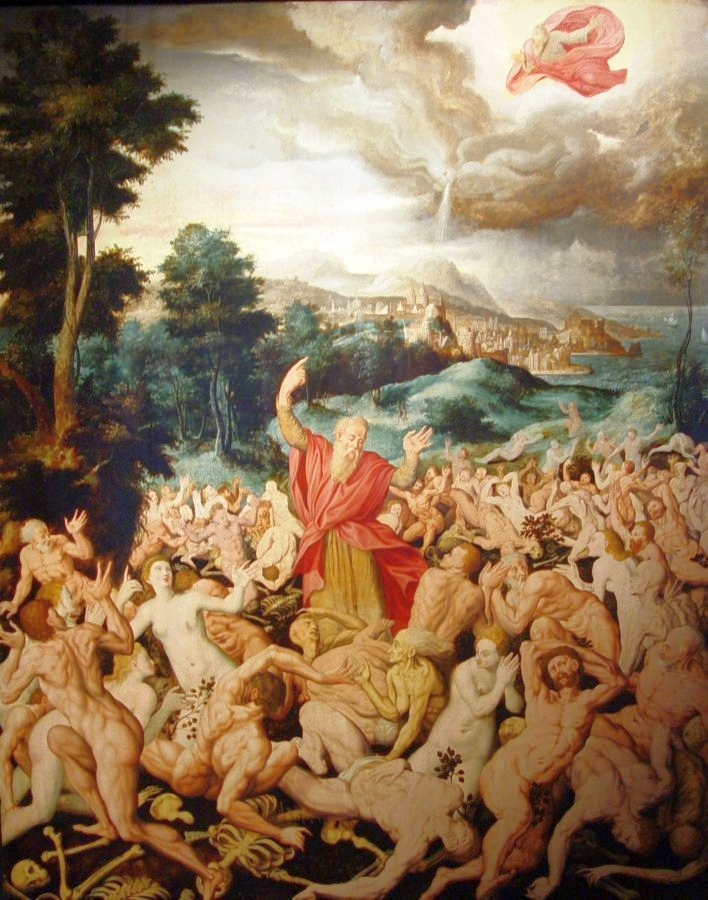
What would Nietzsche have said about the rampant populism of our time? Does his elitist attitude, his “aristocratic radicalism,” not make him an anti-populist par excellence? Or did he not himself dream of populist leaders inspiring the masses and the mass success of his books? — But what is “populism” anyway and what is the score of Nietzsche's stance on populist movements in his own time?
These are not entirely unimportant questions for our blog, which Jenny Kellner addresses in detail in the following article.
The Blond Beast and the “Hammertyp”
How Dieter Bohlen Finally Discovered a Titan of Equal Rank
The Blond Beast and the “Hammertyp”
How Dieter Bohlen Finally Discovered a Titan of Equal Rank


At first glance, Dieter Bohlen and Friedrich Nietzsche have as little connection as Marie Antoinette with Rosa Luxemburg or Napoleon with Angela Merkel — but a second reveals greater affinities than one might suspect. In any case, this unlike synopsis enables a new perspective — on Bohlen and on Nietzsche in equal measure. “Pairing the strangest and separating the next”1, in the following text, our regular author Christian Saehrendt undertakes a truly Nietzschean search for clues on the tracks of the “titan” of German pop, which to this day polarizes like only a few celebrities in the German-speaking world — this, too, a line of connection between philosopher and musician.
Aesthetics of Rausch
Reading Nitsch with Nietzsche
Aesthetics of Rausch
Reading Nitsch with Nietzsche
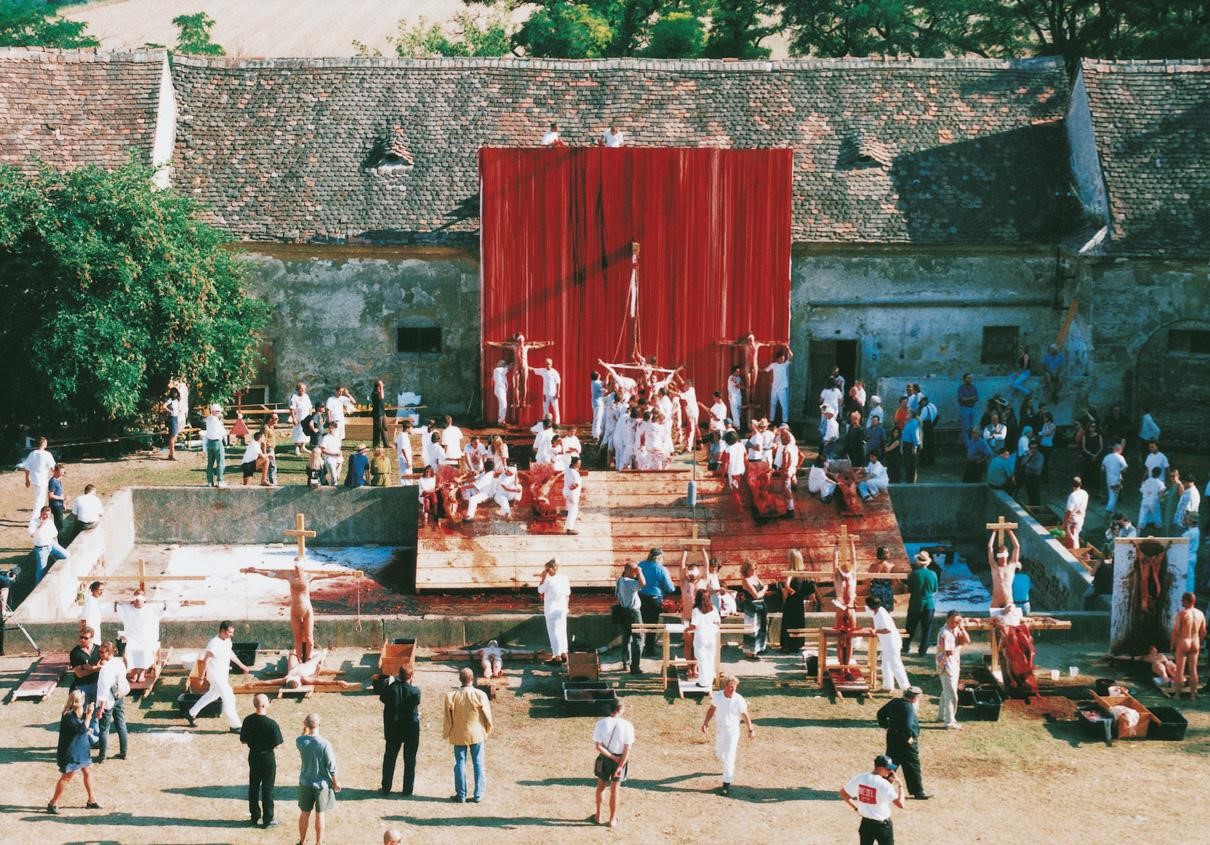

In its early publication The Birth of Tragedy (1872) Nietzsche formulated his basic theory of ancient tragedy. The moment of Rausch — a term which often translated as “intoxication” but refers not just to states of intoxication caused by the use of intoxicating drugs — is just as fundamental here as it is for Nietzsche's understanding of art in general. Emma Schunack investigates how the Dionysian intoxication of ancient tragedy is reflected in Hermann Nitsch's contemporary art. Between bloody animal pelts on purple, vermilion and lemon-yellow colored sheets + candied white violets.1 To what extent can the concept of Dionysian Rausch in Nitsch's “Orgies Mystery Theatre” be understood as a contemporary continuation of Nietzsche's understanding of art? An attempt to read Nitsch with Nietzsche.
“A Question of Context”
Thoughts and Memories of Alexander Kluge
“A Question of Context”
Thoughts and Memories of Alexander Kluge


The filmmaker, writer, lawyer, and philosopher Alexander Kluge, born in 1932, died on March 25. Kluge, who became known to a large audience not least through his films and his artistic television interviews, was repeatedly inspired by Nietzsche. In his diverse work, he not only dedicated himself decisively to him, but also followed a profoundly Nietzschean, perspectivist approach throughout his life. That should be reason enough to dedicate an obituary to him on our blog, which art historian and curator Barbara Straka thankfully wrote for us.
“How Well Disposed Would You Have to Become to Yourself and to Life”
Prolegomena to Any Future Philosophy That Will Be Able to Present Itself as an Enlightenment — Part II
“How Well Disposed Would You Have to Become to Yourself and to Life”
Prolegomena to Any Future Philosophy That Will Be Able to Present Itself as an Enlightenment — Part II
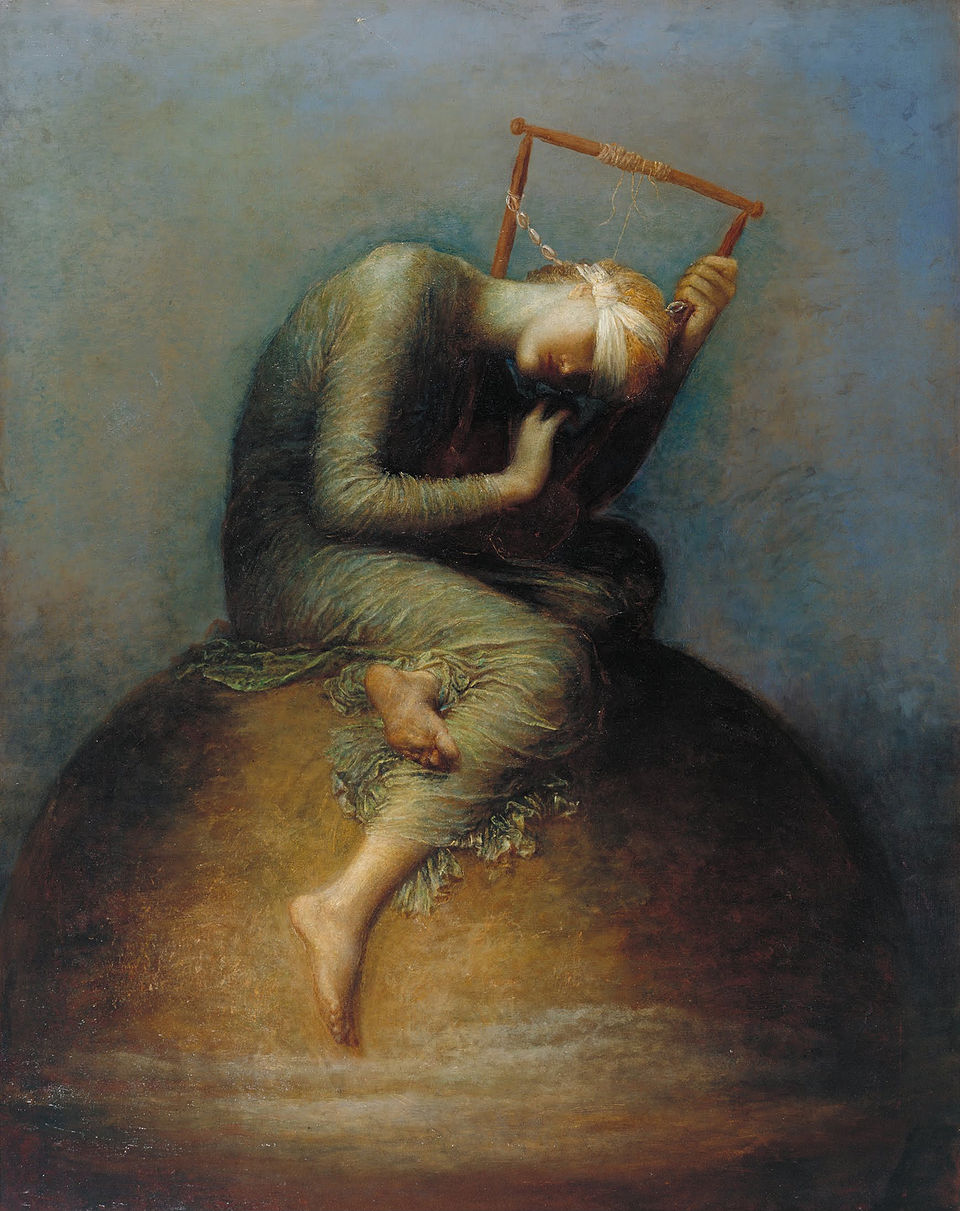
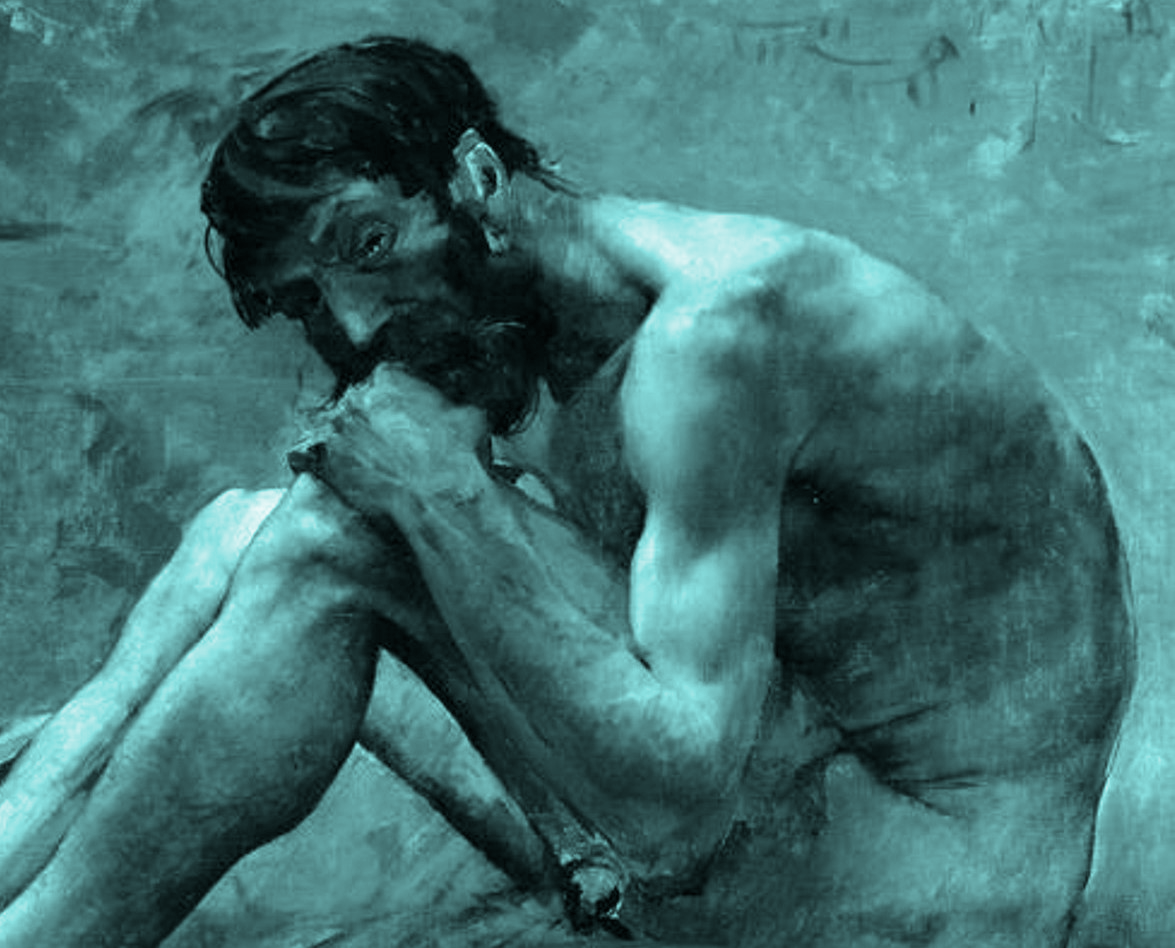
After our author, in the first part of this article, described the current political-cultural situation with reference to Fukuyama as an outgrowth of deep-seated boredom, which numbs itself in excesses of anger and indignation, he tries in the following second to suggest a possible turn for this zeitgeist, which could manifest itself in a new Enlightenment verve and a new positive self-image of the Enlightenment. Our author, with Nietzsche, opposes the “four despairs” that afflict the present tense, “four transfigurations” and “fields of research” resulting from them. An ironic view of the world and oneself should help to practice a transfigurative perspective on the world, which would be able to overcome the lethargy of postmodernism and revitalize the modernist project. The program of self-reliant future Enlightenment.
“How Well Disposed Would You Have to Become to Yourself and to Life”
Prolegomena to Any Future Philosophy That Will Be Able to Present Itself as an Enlightenment — Part I
"How Well Disposed Would You Have to Become to Yourself and to Life"
Prolegomena to any future philosophy that may arise as an Enlightenment — Part I

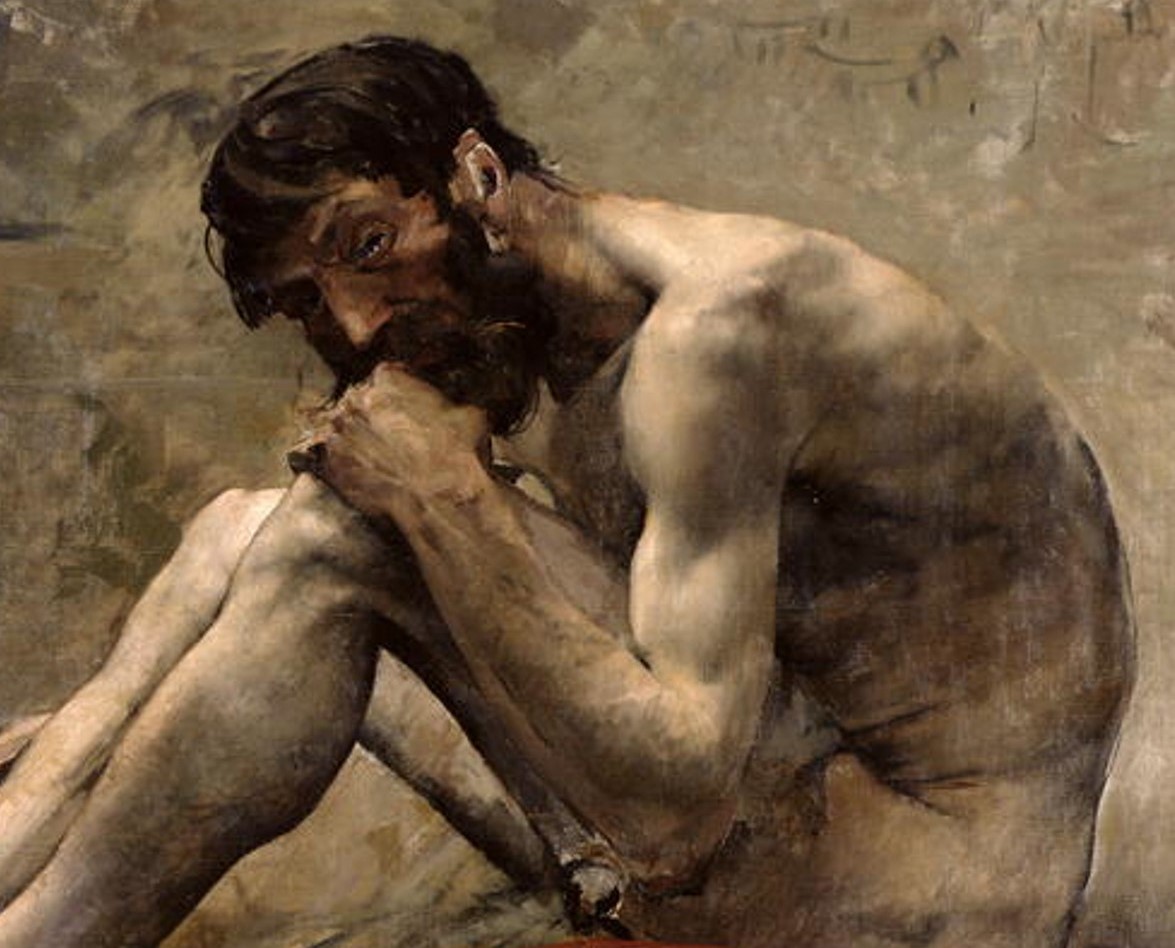
The following text explores the hypothesis that every philosophy of the zeitgeist finds its onset at something that bothers it: in the beginning, there was disgruntlement. This something is interpreted here as an illiberally disgruntled enlightenment, which is embodied in the current “polarization.” With Francis Fukuyama's help, this trail is explored and the drama of the recognition of modern Enlightenment is described.
The philosopher Fukuyama, born in Chicago in 1952, is primarily known for his essay The End of History? from 19891. There, he held that the “end of history” assumed by Hegel had finally arrived with the looming collapse of the Soviet Union. He saw the triumphant liberal Western democracies as the final stage of the process of historical progress. In 1992, Fukuyama published his main work based on this essay: The End of History and the Last Man, in which he combines Hegel's thesis with Nietzsche's diagnosis of the “last man.” Our author is also referring to this book. It caused controversial debates worldwide and continues to provoke today. — Do we really live after the “end of history”? Our author agrees with Fukuyama: While with the form of liberal democracy a final embodiment of the course of history has been achieved, history has been continuing as a conflict within this embodiment. World history has become history of liberalism.
Inside the Magic Forest
Nietzsche and the Sorcerous Power of Trees
Inside the Magic Forest
Nietzsche and the Sorcerous Power of Trees

In cultural perception, the forest is much more than a mere supplier of raw materials or a local recreation area, but, especially in German culture, a magical place of encounter with the supernatural. In the second part of our series ”the forest as a livelihood“ Christian Saehrendt explores this romantic fascination for the forest and to what extent it is also reflected in Nietzsche's works. Because Nietzsche was not only a passionate forest walker, he also writes again and again about this gateway to the “otherworld” and, last but not least, places his Zarathustra in sylvan sceneries.
The Eternal Oak
Where Everything Returns
The Eternal Oak
Where Everything Returns


With this literary contribution by Giulia Romina Itin, we are launching our main focus topic this year. Throughout the year, we will publish several articles dedicated to the topic of “forest” — the forest in its dual meaning as an almost mythological place of encounter with the, sometimes uncanny, sometimes encouraging, primal forces of life, but also, viewed more pragmatically, as the real basis of existence of our civilization that remains decisive but also threatened. We would like to explore this double face together with you this year in order to determine the contours of the forest as a living space in a new way — with Nietzsche and beyond him. We need to see and appreciate the forest in a different way again.
If you would rather listen to this article, you will also find it read by Caroline Will in German on the Halcyon Association for Radical Philosophy YouTube channel (link) or on Soundcloud (link).
Being a Father with Nietzsche
A Conversation between Henry Holland and Paul Stephan
Being a Father with Nietzsche
A Conversation between Henry Holland and Paul Stephan
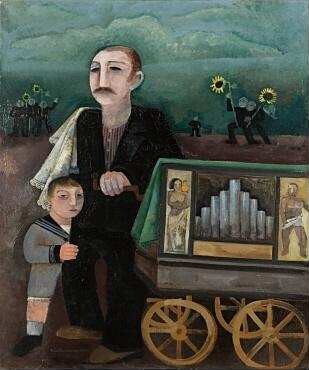
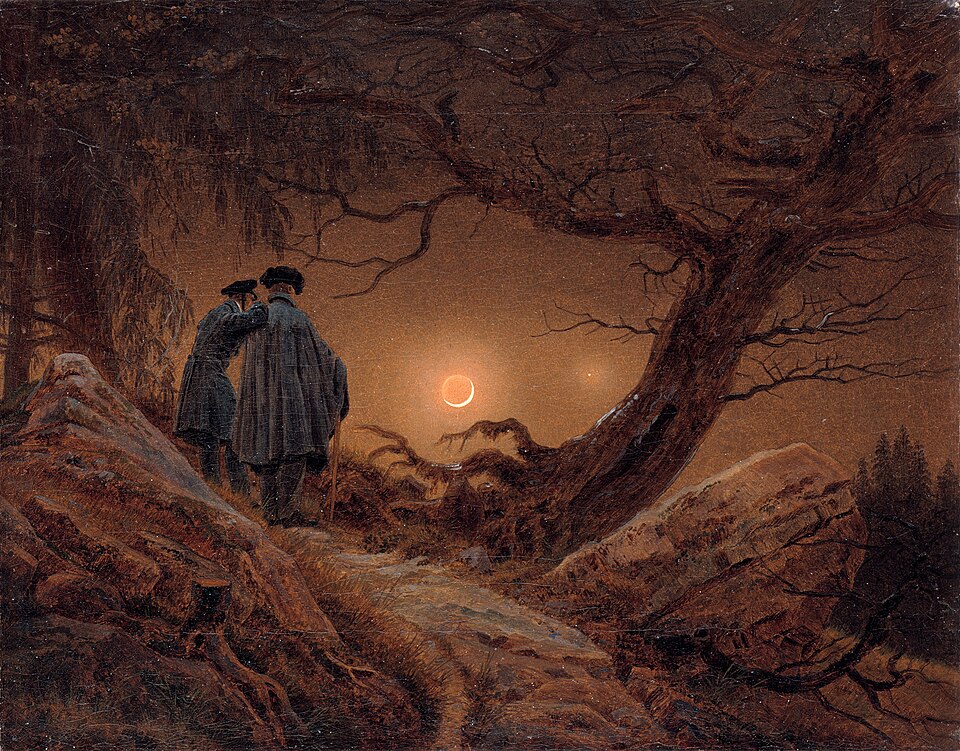
Nietzsche certainly did not have any children and is also not particularly friendly about the subject of fatherhood in his work. For him, the free spirit is a childless man; raising children is the task of women. At the same time, he repeatedly uses the child as a metaphor for the liberated spirit, as an anticipation of the Übermensch. Is he perhaps able to inspire today's fathers after all? And can you be a father and a Nietzschean at the same time? Henry Holland and Paul Stephan, both fathers, discussed this question.
We also published the complete, unabridged discussion on the Halcyonic Association for Radical Philosophy YouTube channel (Part 1, part 2).
Meaning Has Fallen, But I'm Still Dreaming
Meaning Has Fallen, But I'm Still Dreaming


This essay opposes the emptiness of a world that has lost its meaning in favor of function. With Nietzsche, Camus and the shadow of Sisyphos behind me, I search for the wild, for the dreamy, for those who do not submit and refuse to remain silent. I'm writing about modern barbarians: about people who see nothing and yet continue to breathe, keep screaming, keep dreaming. This text is my hymn to defiance, to the unformed, to the courage not to fear senselessness. Because even without meaning, I won't be silent. Not now, not in this world. And there is no other.
The essay was written as an answer to the price question of this year's Kingfisher Prize (link). We did not award him, but still publish it as an important contribution to the topic of the “new barbarians” due to its extraordinary literary quality. If you'd rather listen to it, you'll also find it read by Caroline Will on the Halcyonic Association for Radical Philosophy's YouTube channel (link) or on Soundcloud (link).
Fascinated by the Machine
Nietzsche‘s Reevaluation of the Machine Metaphor in His Late Work
Fascinated by the Machine
Nietzsche's Reevaluation of the Machine Metaphor in His Late Work


Last week, Emma Schunack reported on this year's annual meeting of the Nietzsche Society on the topic Nietzsche's technologies (link). In addition, in his article this week, Paul Stephan explores how Nietzsche uses the machine as a metaphor. The findings of his philological deep drilling through Nietzsche's writings: While in his early writings he builds on Romantic machine criticism and describes the machine as a threat to humanity and authenticity, from 1875, initially in his letters, a surprising turn takes place. Even though Nietzsche still occasionally builds on the old opposition of man and machine, he now initially describes himself as a machine and finally even advocates a fusion up to the identification of subject and apparatus, thinks becoming oneself as becoming a machine. This is due to Nietzsche's gradual general departure from the humanist ideals of his early and middle creative period and the increasing “obscuration” of his thinking — not least the discovery of the idea of “eternal return.” A critique of the capitalist social machine becomes its radical affirmation — amor fati as amor machinae.
Dionysus Without Eros
Was Nietzsche an Incel?
Dionysus Without Eros
Was Nietzsche an Incel?

It is well known that Nietzsche had a hard time with women. His sexual orientation and activity are still riddled with mystery and speculation today. Time and again, this question inspired artists of both genders to create provocatively mocking representations. Can he possibly be described as an “incel”? As an involuntary bachelor, in the spirit of today's debate about the misogynistic “incel movement”? Christian Saehrendt explores this question and tries to shed light on Nietzsche's complicated relationship with the “second sex.”
Mythomaniacs in Lean Years
About Klaus Kinski and Werner Herzog
Mythomaniacs in Lean Years
Über Klaus Kinski und Werner Herzog
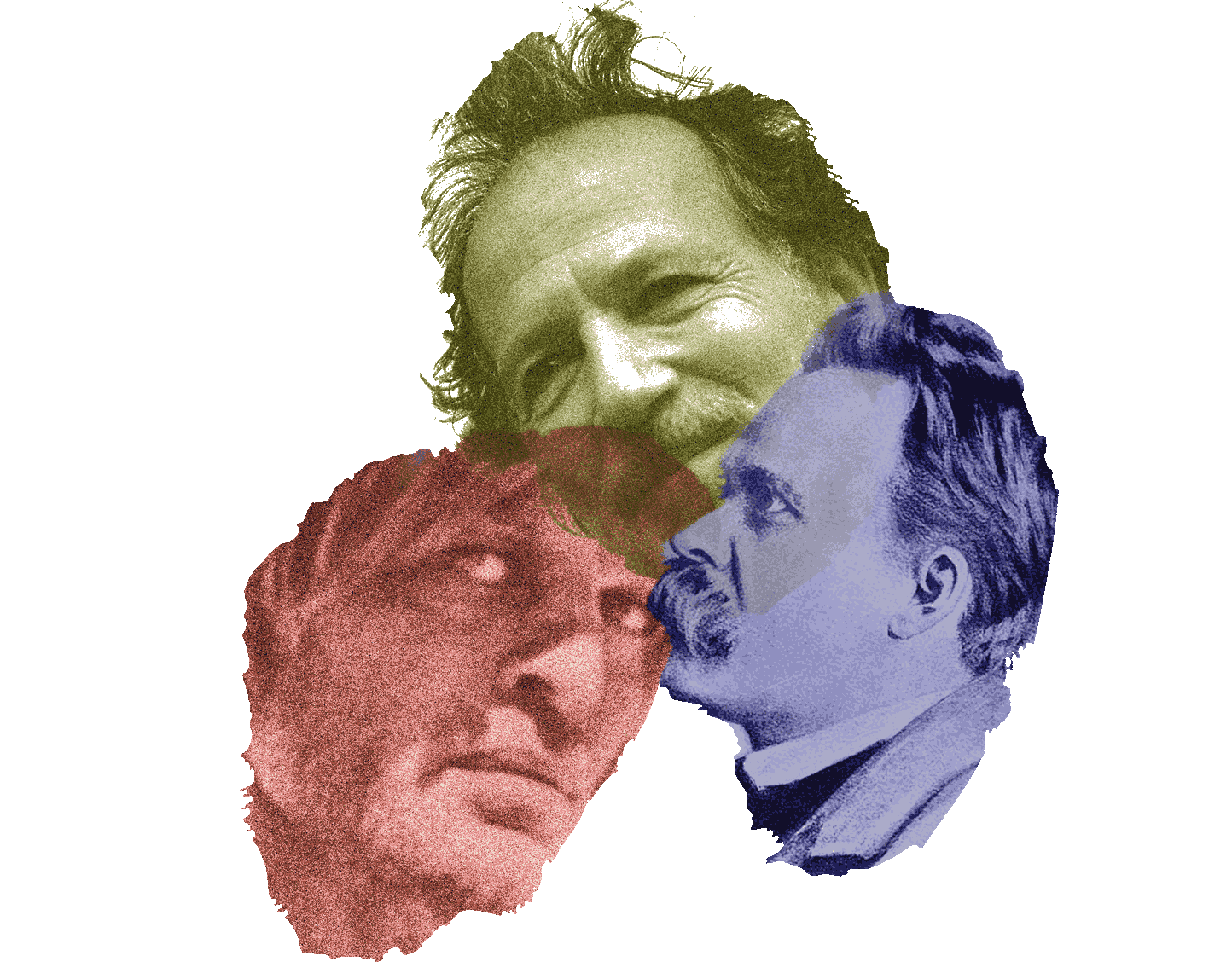

Werner Herzog (born 1942), described as a “mythomaniac” by Linus Wörffel, and Klaus Kinski (1926—1991) are among the leading figures of post-war German cinema. In the 70s and 80s, the filmmaker and the actor shot five feature films that are among the classics of the medium's history. They are hymns to tragic heroism, in which the spirit of Nietzsche can easily be recognized. From “Build Your Cities on Vesuvius! “will “Build opera houses in the rainforest! ”.
Turning Moral Weakness Into Power
Nietzsche and the Accusation of Resentment
Turning Moral Weakness Into Power
Nietzsche and the Accusation of Resentment


Strangers seem creepy to many. They immediately fear that these strangers will harm them. Many decent earners think that recipients of citizen benefits are lazy and therefore do not allow them to receive government support. To many educated people, illiterate people appear rude and simple-minded, with whom they therefore want as little as possible nothing to do with, whom they do not trust. Religious people are often afraid of atheists, who in turn are afraid of contact with religion. What you don't know often appears to be dangerous and you prematurely discount that. Such prejudices lead to rejection, which often solidifies to such an extent that counterarguments are no longer even heard. This is resentment that has existed for a long time, but which today makes consensus almost impossible in many political and social debates. This can degenerate into hate and contempt and then into violence whether between rich and poor, right and left, machos and feminists, abortion opponents and abortion advocates, vegetarians and meat-eaters. When one side prevails, it imposes its values on the other, and the resentment even becomes creative. In any case, it prevents you from making an effort to understand the other person. For Nietzsche, resentment has been driving the dispute over what is morally necessary for a long time.
“Resentment” is one of the key terms of Nietzsche's late work. The philosopher is referring to an internalized and solidified affect of revenge, which leads to the development of an overall negative approach to the world. Especially in On the genealogy of morality Nietzsche is trying to show that the entire European culture since the rise of Christianity has been based on this affect. Judaism and Christianity, in their hatred of aristocrats, propagated an ethics of the weak — in this act, resentment became creative. With a new creative ethic, Nietzsche now wants to contribute to a renewed revaluation of values in order to return to a life-affirming aristocratic ethic of the “strong.” In this article, Hans-Martin Schönherr-Mann introduces Nietzsche's reflections on resentment and works out what makes the accusation of mutual resentment so popular to this day.
Taylor Swift — Superwoman or Last Man?
A Nietzschean Critique of the Most Successful Pop Star of Our Time
Taylor Swift — Superwoman or Last Man?
A Nietzschean Critique of the Most Successful Pop Star of Our Time


Taylor Swift is one of the most important “idols” of our time. Reason enough for our regular authors Henry Holland, Paul Stephan and Estella Walter to pick up on the Nietzschean “hammer” and get to grips with the hype a bit: Does Swift deserve the cult around her that goes down to philosophy? Is it grossly overrated? And what explains the discrepancy between appearance and reality, spectacle and life?
You can watch the entire unabridged conversation on the Halcyonic Association for Radical Philosophy YouTube channel (link).
Traveling with Nietzsche through Southeast Asia IV
Malaysia
Traveling with Nietzsche through Southeast Asia IV
Malaysia


The last country that our author, Natalie Schulte, traveled by bike was Malaysia. After a good 5,000 km, she got the creeping feeling that the trip could still end poorly. With considerations as to whether cycling in Southeast Asia is a response to Nietzsche's appeal “live dangerously! “, she concludes her series of essays.
Stuck Between the Monsters and the Depths
Wanderings Through Modern Nihilism in the Footsteps of Nietzsche and Kierkegaard — Part 2
Stuck Between the Monsters and the Depths
Wanderings Through Modern Nihilism in the Footsteps of Nietzsche and Kierkegaard — Part 2


In this two-part essay, Paul Stephan examines how Nietzsche uses the wanderer as a personification of modern nihilism. After he is in the first part (link) focused on the general cultural significance of movement metaphors and the metaphor of wandering in Nietzsche's important brother in spirit, the Danish philosopher Søren Kierkegaard, it will now primarily be about Nietzsche himself.
“Choose the right time to die!”
Nietzsche's Ethics of “Free Death” in the Context of Current Debates About Suicide
A Conversation with Filmmaker Lou Wildemann
“Choose the right time to die!”
Nietzsche's Ethics of “Free Death” in the Context of Current Debates About Suicide. A Conversation with Filmmaker Lou Wildemann


Lou Wildemann is a cultural scientist and filmmaker from Leipzig. your current feature film project, MALA, deals with the suicide of a young resident of Nietzsche City. Paul Stephan discussed this provocative project and the topic of suicide in general with her: Why is it still taboo today? Should we talk more about this? What role can Nietzsche's reflections, who repeatedly thought about this topic, play in this? What does suicide mean in an increasingly violent neoliberal society?
Stuck Between the Monsters and the Depths
Wanderings Through Modern Nihilism in the Footsteps of Nietzsche and Kierkegaard — Part 1
Stuck Between the Monsters and the Depths
Wanderings Through Modern Nihilism in the Footsteps of Nietzsche and Kierkegaard — Part 1


As in our series of articles”Hikes with Nietzsche“It has already been made clear that the metaphor of wandering plays a fundamental role in Nietzsche's work. In this two-part essay, Paul Stephan explores how Nietzsche uses the wanderer as a personification of modern nihilism and thus diversifies a central theme of cultural modernity, which can also be found in the writings of the Danish philosopher Søren Kierkegaard, who was born on May 5, 1813 in Copenhagen, where he also died on November 11, 1855.
The Monkeys Dance Inexplicably. Nietzsche and Contemporary Dance Culture
Reflection, Movement, Misery
The monkeys dance inexplicably. Nietzsche and contemporary dance culture
reflection, movement, misery


In addition to hiking, dancing is one of the most prominent soldiers in Nietzsche's “moving [m] army of metaphors, metonymies, anthropomorphisms.” Based on Nietzsche's reflections on the art of movement, Jonas Pohler explores the paramount importance that it plays in our present day. Is the effect of dance primarily sexual? What does dance have to do with technology? What symbolism is the dancing gesture able to convey?
The Educator’s Mark
Schopenhauer's Omnipresence in Nietzsche's Philosophy II
The Educator’s Mark
Schopenhauer's Omnipresence in Nietzsche's Philosophy II


After explaining in the first part of this article (link) how Nietzsche transformed from an admirer of Schopenhauer to a critic in the course of the 1870s, Tom Bildstein now examines in more detail how the mature Nietzsche sought to overcome Schopenhauer‘s pessimism and counter it with a “life-affirming” philosophy. Schopenhauer‘s “will to life,” which the misanthrope would like to see ascetically denied, is to give way to the “will to power” as the fundamental principle of all life, which cannot be denied without contradiction.
Fleeing the State: Kafka and Nietzsche’s Human
Or: Becoming-woman after Deleuze & Guattari
Fleeing the State: Kafka and Nietzsche’s Human
Or: Becoming-woman after Deleuze & Guattari


Kafka and Nietzsche are united by their confrontation with the state and bureaucracy. Deleuze & Guattari, whose works are based on both, develop an apolitical response to the fatal political situation, namely transformations after Kafka, an expansion of themselves to Nietzsche, which can be understood as escape lines from a patronizing society.
A Day in the Life of Nietzsche's Future
Report on the Conference Nietzsche's Futures in Weimar
A Day in the Life of Nietzsche's Future
Report on the Conference Nietzsche's Futures in Weimar

From October 7 to 11, 2024, the event organized by the Klassik Stiftung Weimar took place in Weimar Nietzsche's futures. Global Conference on the Futures of Nietzsche instead of. Our regular author Paul Stephan was on site on the first day and gives an insight into the current state of academic discussions about Nietzsche. His question: What is the future of Nietzsche academic research when viewed from the perspective of Nietzsche's own radical understanding of the future?
What is ChatGPT Doing to Philosophy?
Attempt of a Critical Examination
What is ChatGPT Doing to Philosophy?
Attempt of a Critical Examination

On the anniversary of Nietzsche's death, Paul Stephan conducted a detailed interview with the ChatGPT program on this blog to test the program's performance when it comes to profound philosophical questions (link). This is followed by a critical reflection of this experiment.
The images for this interview were, unless otherwise marked, with the software DeePai created. The instructions for the article image were “Nietzsche and ChatGPT,” the instructions for the images in the article “ChatGPT talks about Nietzsche.”
Whistling in the Woods and Screaming for Love
Nietzsche's Echo in the Heavy Metal Music Scene
Whistling in the Woods and Screaming for Love
Nietzsche's Echo in the Heavy Metal Music Scene

Like hardly any other philosopher, Friedrich Nietzsche has left his mark on popular culture — less in the pleasing mainstream entertainment, but more in subcultures and in artistic positions that are considered “edgy” and “dark.” In this “underworld,” Nietzsche's aphorisms, catchphrases, slogans and invectives are widely used — for example in the musical genres of heavy metal, hardcore and punk focused on social and aesthetic provocation. What is the reason for that?
Menke Fascinates.
Is Liberation Fascination?
Menke Fascinates.
Is Liberation Fascination?


In his recently published study Theory of Liberation [Theorie der Befreiung]Frankfurt philosopher Christoph Menke describes liberation as “fascination,” as pleasurable desubjectization and dedication. He refers decisively to Nietzsche — but for him, “fascination” means bewitching, entanglement in lack of freedom and resentment. Can the mystical power of fascination really set us free — or is it not rather Nietzsche's right and liberation means above all self-empowerment and autonomy, whereas the fascinated sacrifice means submission, not least to a fascist leader?
The Desire for Waste
The Desire for Waste

What significance can a practice of waste have in today's advanced rationalization? Shouldn't we rather do everything we can to increase our efficiency and productivity if we want to meet the challenges of this crisis-ridden time? But when we turn to the thinking of Friedrich Nietzsche and his ardent admirer Georges Bataille, we are sometimes exposed to an emphasis of waste that shakes our moral principles and perhaps opens us up to a new and different kind of politics than the one that seems to impose itself on us today as having no alternative.