Wille zum Wald
Nietzsches Entdeckung des Waldbadens
Wille zum Wald
Nietzsches Entdeckung des Waldbadens
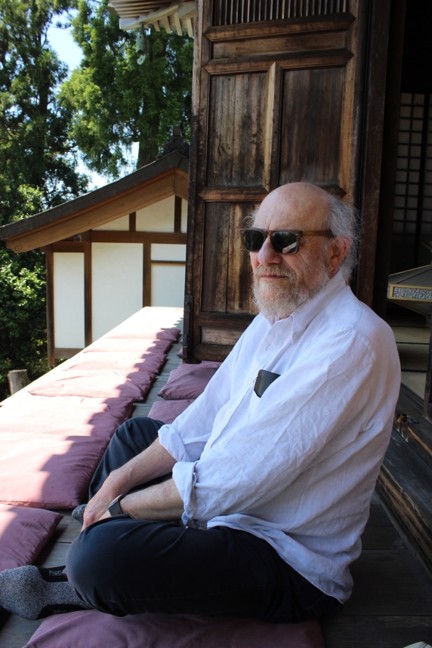
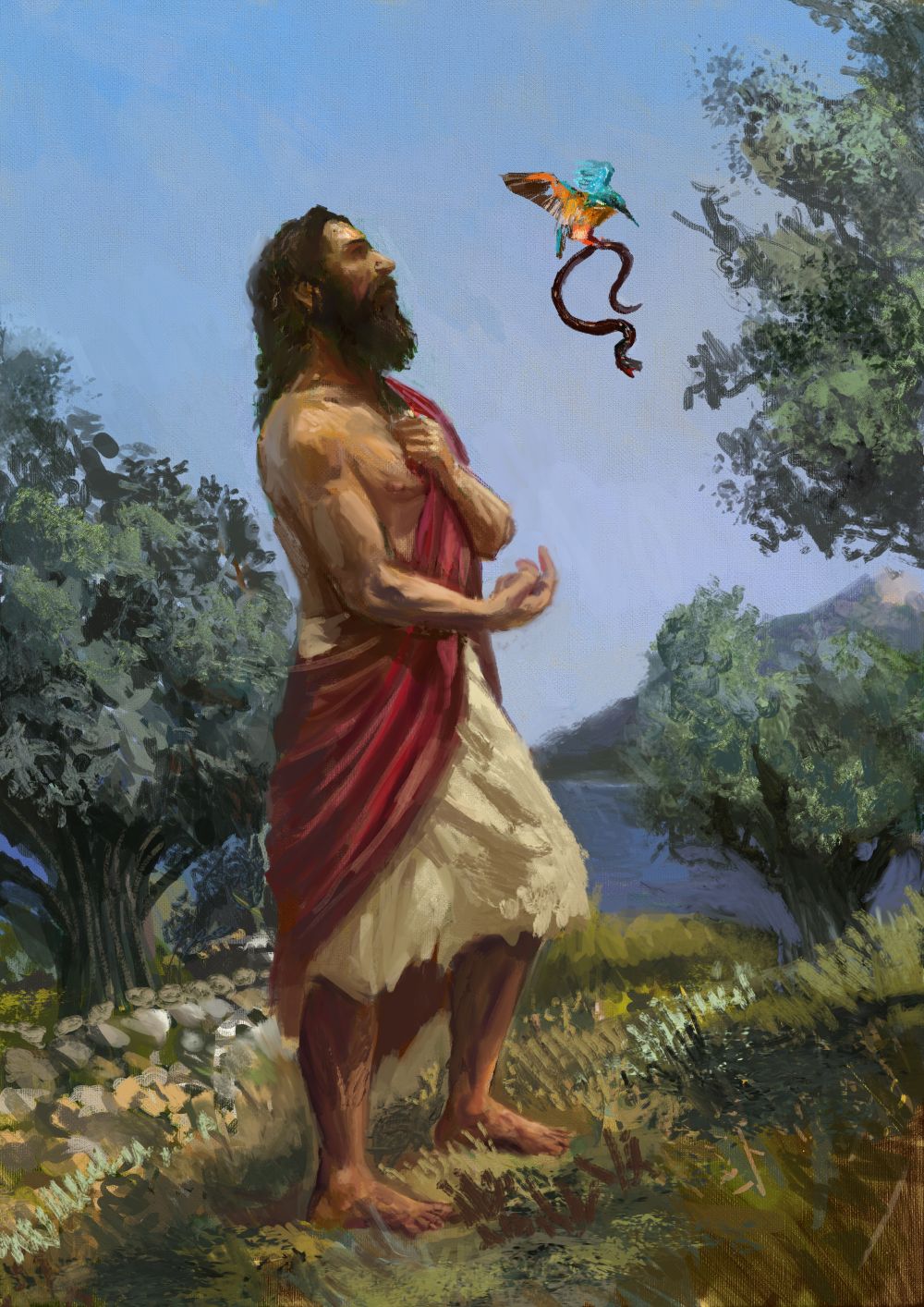
Im vierten Teil unserer Serie „Lebensgrundlage Wald“ untersucht der renommierte US-amerikanische Nietzsche-Forscher Gary Shapiro weitere Aspekte von Nietzsches Verbundenheit zu den Wäldern: die persönliche Begeisterung des Philosophen für das, was man heutzutage vermehrt als „Waldbaden“ bezeichnet, die naturwissenschaftliche Grundlage für den Nutzen dieser Praktik für Körper und Geist und die pure Freude am Atmen frischer Luft, ob im Wald oder wo auch immer man sie finden mag. Shapiros Essay unterstreicht, warum dieser besondere Lebensraum so wichtig ist – nicht nur für unser individuelles Wohlergehen, sondern für die Gesundheit des gesamten Planeten.
Aus dem Englischen übersetzt von Paul Stephan.
I. Nietzsches Begeisterung für den Wald
Am tiefsten Punkt seines wachen Lebens um 1877/78 entdeckte Nietzsche eine Form der Selbstmedikation, um mit seinen verschiedenen chronischen Leiden umzugehen. Sie beinhaltete lange Perioden täglichen Spazierens, bevorzugt in Wäldern, für bis zu zehn Stunden, wenn immer er in der Lage war aus dem Bett zu kommen. Im August 1877 berichtet er Erwin Rohde von seinem bewaldeten schweizerischen Gebirgsrückzugsort Rosenlauibad, dass er vor Sonnenaufgang zwei Stunden läuft und dann noch einmal einige Stunden am Nachmittag und am Abend.1 1880 erzählt er Peter Gast, dass er in der Nähe von Marienbad zehn Stunden am Tag spazieren geht.2 Wir wissen, dass er es vorzog, im tiefen Schatten zu gehen, Brillen mit blau getönten Gläsern trug, um seine empfindlichen Augen zu schonen und oft einen Schirm mit sich führte, um sich zusätzlich vor der Sonne zu schützen (war dies der berühmte „Regenschirm“, den er vergaß? 3).
Die Japaner haben mittlerweile einen Namen für eine solche Erfahrung der Wälder: shinrin-yoku, meist übersetzt als „Waldbaden“. Sie verstehen darunter eine Form der physischen und psychologischen Therapie. Gegenwärtige Lernende und Praktizierende beschreiben das Waldbaden als eine Praxis des bewussten Eintauchens in die Wälder, während alle Sinne auf Anblicke, Geräusche, Gerüche, Berührungen und (manchmal) Geschmackseindrücke achten. „Baden“ ist ein passender Ausdruck, um diese Praxis des völligen Aufgehens in die Atmosphäre und die Umgebung des Waldes zu beschreiben. Experimente haben gezeigt, dass das Einatmen von Waldluft die Menge an dem stressbewirkenden Hormon Cortisol im Blut verringert; regelmäßiges Spazieren im Wald (ungefähr vier Stunden am Tag) erhöht die Menge an krebstötenden Proteinen und Abwehrzellen im System. Einige Studien zeigen eine Verringerung des Blutdrucks (auch wenn einige andere bis jetzt daran scheiterten, das zu bestätigen) und es gibt eine breite Übereinstimmung, dass ein solches Spazieren im Wald Depressionen wirksam entgegenwirkt. Da Bäume Kohlendioxid aufnehmen und Sauerstoff ausstoßen (genau andersherum als Menschen) atmen Waldgänger mehr stark mit Sauerstoff angereicherte Luft ein als sie es in anderen Umgebungen tun würden, was die Anreicherung des Bluts mit Sauerstoff fördert und die Hirnfunktion stimuliert. Sowohl in seinen Briefen als auch in seinen veröffentlichten Schriften entsinnt sich Nietzsche häufig, dass fast all sein Schreiben nach 1877 auf Notizen und Ausarbeitungen basierte, die er während seiner Spaziergänge angefertigt hatte, und er spricht verächtlich über Gedanken, die einem beim Sitzen gekommen sind.4 Der Ton seiner mittleren und späteren Werke ist auffällig lebendiger und spritziger als derjenige seiner frühen Werke klassischer Gelehrsamkeit, die in der traditionellen Sitzfleisch*-Manier verfasst wurden, die einen Schreibtisch und einen Berg Bücher erheischt.
Nietzsche, bereits eine staatenlose Person, wurde der wohl erste philosophische Klimaflüchtling, als er 1879 seine Baseler Professur aufgab und die Stadt verließ. Er hatte sich bereits einen Großteil der Jahre 1877 und 1878 beurlauben lassen und suchte nach Linderung seiner zahlreichen Gebrechen in Sorrent und einer Reihe alpiner Kur- und Rückzugsorte. Der selbsternannte „Wetter-Prophet“5 begab sich auf eine nomadische, einzigartige Suche, um in „guter Luft“ frei atmen zu können, während der er sich zeitweilig in Sils Maria, Nizza, Genua und Sorrent niederließ, neben vielen unterbrochenen Reisen und kürzeren Aufenthalten in Kur- und Rückzugsorten. Nietzsches meteoropathischer Reiseplan ist verbunden mit all den Texten, in denen er Europas Gesundheit und Zukunftsaussichten diagnostiziert. Seine Suche nach heilsamen Lebensbedingungen verschmolz mit seinem Bemühen darum, einen gesünderen Weg nach vorne für Menschen und Übermenschen zu beschreiben. Nietzsche musste den Fesseln seiner Baseler Professur nicht nur entfliehen, um sich die nötige Freiheit zur Ausarbeitung seines wachsenden philosophischen Werks zu verschaffen, sondern auch, weil es sich um eine ökologische Abwassergrube handelte. Er erreichte 1869 eine Stadt, die gerade erst eine Typhusepidemie überstanden hatte und in der man sich noch gut an die Cholera von 1855 erinnerte. Kurz nachdem er Basel verlassen hatte, schrieb er seinem dauerhaften Freund Franz Overbeck, dessen Einladung zu einem Besuch er ablehnte: „Ja, lieber Freund, Du hast Recht, und ich würde sofort kommen, hätte ich nur nicht die Basileophobie, eine wahre Angst und Scheu vor dem schlechten Wasser, der schlechten Luft, dem ganzen gedrückten Wesen dieser unseligen Brütestätte meiner Leiden!“6 Lionel Gossman, der in seinem Buch Basel in der Zeit Jacob Burckhardts die Stadt als kulturelle Kapitale feiert, wo berühmte Persönlichkeiten wie der große Historiker gediehen, neben Nietzsche, dem Kirchenhistoriker Overbeck und dem Mythen- und Symbolforscher Johann Jakob Bachofen,7 verschweigt nicht die Überbevölkerung, Verschmutzung und die aufdringlichen Fabriken der Stadt. Er beschreibt einige der Fakten auf dem Boden – und in der Luft und im Wasser – wie folgt:
Die Kanalisation war in schlechtem Zustand. Niemand wusste, wer für den Unterhalt zuständig war, und es gab keine Vorsorge und regelmässige Reinigung. Die meisten Häuser, die einen Abort besassen (das waren bei weitem nicht alle), waren nicht an die Kanalisation angeschlossen. Der Abfall ging in schlecht unterhaltene Sickergruben und vergiftete schliesslich die städtischen Brunnen. Auch die neuen Färbereien und chemischen Betriebe müssen […] zur Trinkwasserverseuchung beigetragen haben.8
In Basels üblem Gestank kollidierte Nietzsches empfindliche Konstitution mit Europas aufkeimender und sich beschleunigender Industrialisierung, die in den 1870er einen Siedepunkt erreichte. Diese Erfahrung findet ihren Niederschlag später in Zarathustras Rede Vom Vorübergehen, in der der „Affe Zarathustras“, eine Parodie seiner zynischen Seite, ihn davor warnt, in die „grosse Stadt“ zu gehen:
Riechst du nicht schon die Schlachthäuser und Garküchen des Geistes? Dampft nicht diese Stadt vom Dunst geschlachteten Geistes?
Siehst du nicht die Seelen hängen wie schlaffe schmutzige Lumpen? – Und sie machen noch Zeitungen aus diesen Lumpen!
Nietzsche empfand Basels Luft so, als ob es diejenige des heutigen Delhi gewesen wäre, und sein Wasser als vergleichbar mit demjenigen Flints in Michigan während seiner zehn Jahre währenden Wasserkrise.9 Das Gegengift zu solch widrigen Lebensbedingungen fand er in den naturbelassenen Umgebungen von „Wald, Berg und See“, eine irdische Trinität, die er in seinen Schriften immer wieder aufruft.10
Im Juni und Juli 1877 schreibt er aus Rosenlauibad, einem Kurort in den Wäldern des Berner Oberlandes, an seine Schwester und Malwida von Meysenbug, dass er sich dort einer Wasserkur unterzieht, und merkt an, dass die Luftqualität im Laufe des Tages variiert und am Morgen am besten ist.11 Nietzsche fällt auf, dass die Höhe (4.000 Fuß bzw. ca. 1.300 m, fünf Mal so hoch wie Basel und ohne seine Verschmutzung) seiner Gesundheit guttut, und fragt sich, ob er noch höhere Höhen aufsuchen sollte. In Ecce homo wird er entsprechend später die Enthüllung des Gedankens der Ewigen Wiederkunft 1881 in Sils als „6000 Fuss jenseits von Mensch und Zeit“12 beschreiben. Das mag die höchste Höhe sein, die Nietzsche jemals erreicht hat; man fragt sich, was er in noch größeren Höhen gedacht und geschrieben haben mag. Während er fortwährend in die Höhen strebt – ein Thema, das in unterschiedlichen Richtungen von so scharfsinnigen Kommentatoren wie Gaston Bachelard, Luce Irigaray und Peter Sloterdijk weiterentwickelt worden ist –, kletterte er anscheinend niemals über die Baumgrenze. Das wirft die Frage auf: Inwieweit haben Nietzsches gesundheitliche Gewinne, die er mit seinen Spaziergängen erzielte, mit der dünneren Luft zu tun und inwieweit mit der besonderen Zusammensetzung der Luft in stark bewaldeten Gebieten?
II. Die Wissenschaft hinter dem Waldbaden
In den letzten fünfzig Jahren haben wir viel über die Biologie und Chemie des Waldes gelernt (Wald*: Es sei hier kurz angemerkt, dass es im Englischen keine Unterscheidung zwischen forest und woods gibt, die derjenigen im Deutschen zwischen Wald* und Forst* entsprechen würde, wobei letzteres eine bewusste Pflanzung oder Baumschule bezeichnet). Zentral für die menschliche therapeutische Begegnung mit dem Wald ist das Einatmen der Waldluft. Während wir uns auch an vielen anderen Aspekten eines Waldgangs erfreuen können, die womöglich genetische Erinnerungen an den ursprünglichen Lebensraum unserer Spezies wachrufen, ist unsere Atmung besonders entscheidend. Es dauerte freilich bis etwa sechzig Jahre vor Nietzsches Klimakrise bis man anfing, die Natur des Atems zu verstehen, und ungefähr dieselbe Zeitspanne nach seinem Tod bis die Forschung begann, die spezifischen leibliche Effekte der Waldluft systematisch zu beschreiben. Die frühmoderne Philosophie und Wissenschaft neigte, wenn sie sich um ein Verständnis des Atems bemühte, zu mechanischen Modellen. Descartes etwa war der Auffassung gewesen, dass die Atmung der Teil eines Prozesses sei, in dem das Herz als eine Wärmepumpe fungiere, die die eingeatmete Luft aufwärme, die dann in den Lungen abgekühlt und als Blut verflüssigt werde.13 Es dauerte eine Weile bis Antoine Lavoisier im späten 18. Jahrhundert entdeckte, dass die menschliche Atmung darin besteht, Sauerstoff einzuatmen und Kohlenstoffdioxid auszustoßen. Es dauerte noch länger, bis man herausfand, dass Bäume (vor allem tagsüber) das Gegenteil betreiben: Kohlenstoffdioxid aufzunehmen und Sauerstoff auszustoßen. Dieses Faktum hilft, Nietzsches Frohlocken in der kräftigenden Luft des Hochwaldes zu erklären. Angesichts der heutigen Klimakrise verstehen wir, dass Wälder geschützt werden müssen, weil sie als Kohlenstoffsenken fungieren, die Treibhausgase aus der Atmosphäre holen. Forste können jedoch in dieser Hinsicht nicht mit alten gewachsenen Wäldern konkurrieren, denn ihnen fehlt die volle, reiche Substanz des alten Waldbodens. Bäume verbessern die Luft für Menschen, indem sie Phytonzide (wörtlich: ‚pflanzliche Mörder‘) freisetzen, Chemikalien, die sie vor schädlichen Insekten, Parasiten und ähnlichem schützen. Phytonzide, ähnlich der üppigen Wurzeln der Bäume, und beeindruckend weitreichende Pilz- und Mykorrhizanetzwerke, die sie unter der Erde verbinden, sind zudem ein Kommunikationsmittel, mithilfe dessen Bäume derselben Art wichtige Informationen über günstige und ungünstige Bedingungen übertragen (man schätzt, dass 110 Billiarden Kilometer solcher unterirdischen Netzwerke die Bäume rund um den Erdball miteinander verbinden14). Beim Waldbaden atmet man nicht nur reinere Luft mit hohem Sauerstoffgehalt ein, sondern auch Phytonzide mit vielfältigen messbaren heilsamen körperlichen und psychologischen Effekten.
Doch nicht alle Bäume sind gleich geschaffen, not all trees are created equal. Nietzsche hätte es vielleicht so ausgedrückt, dass manche entschlossener nach den Höhen streben als andere. Es ist deshalb nicht uninteressant sich anzusehen, was wir heute über die Waldluft wissen, die Nietzsche in unterschiedlichen Umgebungen atmete, die Atmosphäre, in der er und sein „Sohn“ Zarathustra sich an „guter Luft“ erfreuten. Betrachten wir etwa den Schweizer Engadin, Geburtsort seines Meisterwerks und Schauplatz der Entdeckung der ewigen Wiederkunft „6000 Fuss jenseits von Mensch und Zeit“. Angesichts dessen, was wir über die örtliche Topographie wissen, und was Nietzsche in seinen Briefen über seine Gesundheit und seine Spaziergänge berichtete, scheint es so zu sein, dass sich die meisten seiner Engadiner Waldspaziergänge in Höhen von 4.000 bis 6.000 Fuß bzw. 1.300 bis 1.800 m abspielten. In der Gegend um Sils sind in diesen Höhen die vorherrschenden Baumarten immergrüne Nadelbäume wie etwa Zypressen, Pinien, Zedern, Eiben und Fichten. Ärzte und Baumpfleger wissen darum, dass, während alle Bäume gesundheitsschädliche Partikel aus der Luft filtern, Nadelbäume dies besonders gut machen. Peter Wohlleben schreibt: „Dabei unterscheiden sich die Wälder jedoch je nach Baumart erheblich voneinander. Nadelwälder senken die Keimbelastung in der Luft deutlich ab, was insbesondere für Allergiker gut zu spüren ist.“15 Qing Li ist Professor für Medizin an der renommierten Nippon Medical School in Tokyo und spezialisiert auf Waldmedizin und Waldbaden. In seinem umfassenden und schönen Buch Forest Bathing16 berichtet er über eine Vielzahl von Studien, die sich mit den Effekten von Phytonziden beschäftigt haben. Man fand in ihnen heraus, dass man durch die Inkubation von Phytonziden mit menschlichen „natürliche Killerzellen“ (NK-Zellen), die darauf spezialisiert sind, Krebszellen zu zerstören, die Aktivität der Abwehrzellen merklich steigern kann. Bei anderer Gelegenheit wurden Menschen systematisch in kontrollierten Experimenten über einen bestimmten Zeitraum Phytonziden ausgesetzt. Man beobachtete dabei unter anderem eine erhöhte Aktivität von NK-Zellen, eine Verminderung von Stresshormonen, eine Vermehrung der Schlafstunden und verminderte Werte von Ängstlichkeit, Feindseligkeit und Erschöpfung.17 Li berichtet des Weiteren über die wohltuenden Effekte von Mikroben (Mycobacterium vaccae), die in Wäldern und sogar in Privatgärten eingeatmet werden. Experimente sowohl an Mäusen als auch an Menschen zeigen, dass die Exposition an diese Mikroben das Abwehrsystem stärkt und antidepressive psychologische Effekte zeitigt.18 All diese Forschungsergebnisse legen nahe, dass es eine solide biologische Basis für die anekdotischen Beobachtungen und Empfehlungen der europäischen Wetterfühligkeit des 19. Jahrhundert gibt. Es mehren sich die Anzeichen, dass die Diffusion ätherischer Öle, die aus bestimmten Nadelbäumen gewonnen werden (insbesondere japanisches hinoki-Öl), den positiven gesundheitlichen Effekten des Waldbadens nahezukommen vermag.19
III. Die Kunst des Atmens
Um gesundheitsfördernde Umgebungen zu finden, las Nietzsche viel in unterschiedlichen zeitgenössischen Ratgeberbüchern, die sich mit medizinischer Geographie beschäftigten. Er befand sich wahrhaftig auf einer Suche nach den besten „Lüften und Orten“, von denen der antike Arzt Galen gesprochen hatte. Einige ihrer Empfehlungen auf seine individuelle Situation anwendend, ersann er eine Waldbadekur für sich, die lange Spaziergänge durch bewaldete Gebiete beinhaltete.
Ungefähr während seines ersten Jahrs als umherschweifender Reisender, vor seinem endgültigen Abschied von Basel – eine Zeit, in der er später seinen emotionalen und intellektuellen Tiefpunkt erkannte –, verfasste Nietzsche Der Wanderer und sein Schatten, eine ausgedehnte Konversation mit seinem Doppelgänger, in der es von sowohl wörtlichen als auch metaphorischen Verweisen auf die Bedeutung des freien Atmens und einer der Gesundheit zuträglichen Atmosphäre nur so wimmelt. Seine Betonung der Wichtigkeit des Atems wurde daraufhin anscheinend dadurch bestärkt, dass er begann dem populären Übungsregime zu folgen, das Moritz Schreber entwickelt hatte, in dem das tiefe Atmen eine große Rolle spielte.20 Im September 1878 berichtet er an seinen Verleger Ernst Schmeitzner, dass er Schrebers Trainingsplan eifrig folgt.21 In Morgenröthe verschreibt Nietzsche denjenigen, die an chronischen Lungenkrankheiten leiden, eine entsprechende regelmäßige Atemübung: „alle Viertelstunden des Tages Einmal stark und tief aufzuathmen (womöglich platt am Boden liegend[)]“ (Aph. 462). Das erinnert an zahlreiche antike und moderne Regime des Trainings und der Meditation, die den Schwerpunkt auf Atemarbeit legen.
Nietzsches Streben nach Gesundheit und ihren Bedingungen („well–ness“) führt ihn zu einer Art Erleuchtung in Aphorismen, die die Möglichkeit einer pluralistischen ökologischen Utopie entwerfen, eines „grossen Gesamt-Fruchtbaume[s] der Menschheit“22 in der sich die Einzelnen in Klimata und Umgebungen ansiedeln, die ihren jeweiligen Stoffwechseln und Konstitutionen entsprechen. Es ist notwendig, dass jeder diejenigen geographischen Gegebenheiten findet, die seinem sowohl geistigen als auch physischen Leben zuträglich sind23:
In der Gegenwart leben, innerhalb einer einzigen Kultur, genügt nicht als allgemeines Recept, dabei würden zu viele nützliche Arten von Menschen aussterben, die in ihr nicht gesund athmen[+] können. Mit der Historie muss man ihnen Luft machen und sie zu erhalten suchen; auch die Menschen zurückgebliebener Culturen haben ihren Werth. – Dieser Cur der Geister[+] steht zur Seite, dass die Menschheit in leiblicher Beziehung danach streben muss, durch eine medicinische Geographie dahinterzukommen, zu welchen Entartungen und Krankheiten jede Gegend der Erde Anlass giebt[.]24
Womöglich glaubte Nietzsche, dass seine Entdeckung des routinierten Waldgangs speziell auf seine einzigartigen Bedürfnisse zugeschnitten war.25 Wenn jedoch die heutigen Verfechter des Waldbadens recht haben, handelt es sich dabei um ein Regime, von dem so gut wie jeder profitieren könnte, und das besonders wertvoll für all diejenigen wäre, die gezwungen sind, den Tag in Büros und beengten Städten zu verbringen (daher die Explosion des Interesses daran im urbanen Japan). Manche wird es vielleicht überraschen, dass Nietzsche, wie so oft, vom Geist und geistigen Dingen spricht, doch es geht hier um nichts „Hinterweltlerisches“26: Nietzsches „Geist“* steht dem französischen esprit nahe. Im Englischen schwingt dieser Gedanke mit, wenn man eine Person oder ein Gespräch als spirited – „lebhaft“ oder auch „schwungvoll“ – bezeichnet. Bei den dualistischeren Geistesbegriffen, die man vom Mainstream der religiösen und philosophischen Traditionen her kennt, handelte es sich ihrerseits um Umdeutungen sehr viel geerdeterer Verständnisse, die sich auf Luft und Atmen beziehen (Hebräisch ruach, Altgriechisch pneuma).
Die Figur des Schattens, luftig doch weniger körperlich als Luft, kehrt im Zarathustra wieder, um ein Loblied auf die reinste, in–spirierendste Luft anzustimmen (Unter Töchtern der Wüste). Dieses Lied ist eine von mehreren Gelegenheiten, bei denen Nietzsche die postfreudianische psychoanalytische Entdeckung dessen vorwegnimmt, was ich als respiratorische Erotik bezeichne. Auch wenn dieses Lied in einer (wohl baumlosen) Wüste spielt, vergleicht der Schatten seine Freude über diese imaginierte Atmosphäre mit seiner augenblicklichen wundervollen Erfahrung des Einatmens reiner, dünner Luft in Zarathustras silvanischem Bergversteck. Der Atem ist die fundamentalste Konstante des menschlichen Lebens, die seine ersten und letzten Momente markiert. Nietzsche fand heraus und berichtet davon, vor allem im Zarathustra, dass es ein respiratorisches Spektrum von Freude und Leid gibt, das von Störungen wie dem Husten, Würgen und Niesen reicht bis hin zur überschwänglichen Freude daran, die reinste Bergluft zu atmen. Einige postfreudianische Psychoanalytiker argumentierten, dass die Priorität und das Primat des Atems, der angenehm oder schmerzhaft sein kann, nahelegt, zusätzlich zu den klassischen Freud’schen Stadien der oralen, analen und genitalen Erotik ein diesen vorhergehendes und niemals ganz überwundenes Stadium der respiratorischen Erotik anzunehmen.27 Nietzsche (seinerseits eine bedeutende uneingestandene Quelle für Freud) ist zu dieser Einsicht anscheinend durch das Waldbaden gekommen. Er begriff, dass man durch ausgedehnte Spaziergänge in bestimmten Wäldern seine Atmung verbessern kann – und das umgekehrt unvorteilhafte Umgebungen wie verschmutzte Städte erhebliche Beschwerden verursachen können. Heutzutage hilft uns unser Zugriff auf ausgefeilte Beschreibungen der dahinterstehenden biologischen und chemischen Mechanismen unsere subjektive Erfahrung dieses affektiven Spektrums zu erklären. Über das Atmen machen wir uns, ähnlich wie über die oralen, analen und genitalen Funktionen, in einem guten Teil unseres Lebens keine Gedanken und es wird selten zum Thema für uns – und dennoch begleitete es das menschliche Bewusstsein sogar noch kontinuierlicher als die drei freudianischen Modi der Erotik. Wir haben es in Also sprach Zarathustra mit einem Bericht einer phänomenologischen Erkundungsreise auf den verschlungenen Pfaden der respiratorischen Erotik zu tun, wenn Nietzsches Held zwischen Wald, See und Stadt hin- und herwandert.28
Ralph Waldo Emerson war eine konstante Autorität für Nietzsche, vor allem in den Jahren 1877 bis 1879, als er das Waldbaden entdeckte, eine originelle Stimme aus der Neuen Welt, die auf neue Art über die Natur sprach und dabei ein philosophisches Vokabular einsetzte, in welchem der Atem als Leitmetapher für menschliches Denken und Erfahren fungiert.29 Er schreibt etwa:
Es scheint, als ob das Gesetz des Verstandes dem Gesetz der Natur gliche, durch welches wir nun einathmen, nun wieder ausathmen; durch welches das Herz nun das Blut einzieht, und es dann wieder ausstößt, – dem Gesetz der Schwingung.30
In solchen Aussagen Emersons erblicken Gelehrte einen Widerhall der antiken Idee einer atmenden Weltseele in seinem Denken, ein Thema, das sich schon in Platons Timaios und den Schriften der Stoiker findet, und das bei ihm durch die Lektüre der Werke Schellings verstärkt und durch den englischen Schriftsteller und Literaturkritiker Taylor Coleridge (1772–1834) vermittelt wurde.
Der amerikanische Denker vereinigte eine große Empfindlichkeit für die befreiende Wirkung des Versenkens in den Wald mit einer kontinuierlichen Referenz auf die universalen Rhythmen des Atmens, Themen, die auch Nietzsches Werk von dieser Zeit an bestimmen. In Emersons Essays, die der deutsche Denker in jener Zeit ununterbrochen las, heißt es zum Beispiel:
Beim Eintritt in den Wald ist der erstaunte Weltling gezwungen, seine großen und kleinen, weisen und thörichten Dinge, auf die er Werth in der Stadt legte, dahinten zu lassen. Der Knappsack[31] der Gewohnheit fällt von seinem Rücken mit dem ersten Schritt, den er in dies [sic] Bereich hinein thut. Hier ist eine Gottesfurcht, die unsere Religion beschämt, und Realität, die unsere Helden in Mißkredit setzt. […] Das mildere Licht der Wälder ist wie ein immerwährender Morgen, und ist anspornend und heroisch. Der alte Zauber, der von ehedem auf dieser Stätte ruht, beschleicht uns. […] Diese Entzückungen sind heilsam, sie machen uns nüchtern, und tragen zu unserer Genesung bei. Dies sind reine Freuden, die wohlthätig für uns und uns verwandt sind.32
IV. „Wohl bin ich ein Wald“
Einen späteren Widerhall finden diese emersonianischen Waldtopoi in der Rede Das Tanzlied in Also sprach Zarathustra. In seinen Essays berichtet der amerikanische Autor nämlich Folgendes:
Eine Dame, mit der ich einmal im Walde ritt, sagte mir, daß ihr der Wald immer in der geheimnisvollen Stille der Erwartung zu liegen scheint, als ob die Genien, die ihn bewohnten, so lange mit ihrer Thätigkeit inne hielten, bis der Wanderer vorüber sei. Dies ist genau derselbe Gedanke, welche die Poesie in dem Elfentanz verherrlicht hat, der unterbrochen wird, sobald sich ein menschlicher Fuß nähert.33
Und in der Tat treffen im Tanzlied Zarathustra und ein paar seiner Jünger* bei einem Waldgang auf einen Schwarm nymphenartiger Mädchen. Um sie dazu zu bringen, ihren Tanz fortzusetzen, stimmt Zarathustra sein eigenes Lied an, während die Maiden mit Cupido, dem römischen Gott der Begierde, tanzen, den er aus dem Schlaf erweckte. Nietzsches alter ego geht nun sogar so weit, sich mit dem Wald zu identifizieren: „Wohl bin ich ein Wald und eine Nacht dunkler Bäume: doch wer sich vor meinem Dunkel nicht scheut, der findet auch Rosenhänge unter meinen Cypressen.“ Es fällt auf, dass die immergrünen Zypressen beim Waldbaden zu den heilsamsten Bäumen zählen; Rosen und Rosenäpfel wiederum tauchen im Zarathustra immer wieder auf, um einen von ihren Gerüchen erfrischten und erneuerten Atem anzuzeigen. Was heißt es aber, ein Wald zu sein? Die Versuchung liegt nahe, diese Erklärung im Lichte von aktuell vermehrt diskutierten Verständnissen des Walds als einer pluralistischen Gemeinschaft von Bäumen und mit ihnen verbundenen Pflanzen, Tieren und Mikroben zu lesen, die sowohl über ein unterirdisches rhizomatisches Netzwerk von Signalen und Kohlenstoffübertragungen (das „Dunkel“) als auch über die Verbreitung von Phytonziden über die Luft miteinander kommunizieren.34
Solch ein dezentriertes Gefüge kann mit gegenwärtigen Verständnissen des menschlichen Nervensystems verglichen werden, die an die Stelle früherer getreten sind, die unterschiedliche Funktionen eng umrissenen spezifischen Hirnarealen zuwiesen. Aus dieser Perspektive könnten wir Zarathustras Erklärung „Wohl bin ich ein Wald“ prosaisch so paraphrasieren: „Ich bin eine Vielheit, deren Verzweigungen durch ein riesiges Netzwerk unterschiedlicher Kommunikationskanäle miteinander verbunden werden.“ Vielleicht wird diese Sichtweise ins Werk gesetzt in dem verschlungenen Dreieckstanz der Ideen, die Zarathustra im weiteren Verlauf der Rede auf der Waldwiese mit den weiblichen Personifikationen des Lebens und der Weisheit aufführt, während die Mädchen mit Cupido tanzen. Er erkennt seine tiefe Zuneigung zu jeder von ihnen und ihre verwickelte Beziehung untereinander. Der Wald inspiriert diese Variation des traditionellen Topos der antiken Philosophenschulen, die auf je unterschiedliche Weise versuchten, die Vereinbarkeit von Leben und Weisheit zu zeigen oder das eine dem anderen unterzuordnen. Und es wird auch sein silvanischer Schlupfwinkel in seiner Berghöhle sein, wo Zarathustra eine Auflösung dieses Spiels in der Rede Der Genesende gelingt, wo ihn ein erfrischender Waldduft aus einer tiefen Krise erweckt und so ein Versprechen eingelöst wird, das er seinen Jüngern* zuvor gemacht hatte.35 Seinen körperlichen Herausforderungen zum Trotz gelang es Nietzsche bisweilen, einen solchen erneuerten, genesenden Atem beim Waldbaden zu erlangen und Zarathustras Weg durch die unterschiedlichen Landschaften dokumentiert auch die heilende, belebende Praxis der Versenkung unter diese „dunklen Bäume“, die die „gute Luft“, die er sucht, ermöglichen.
* = Deutsch im Original
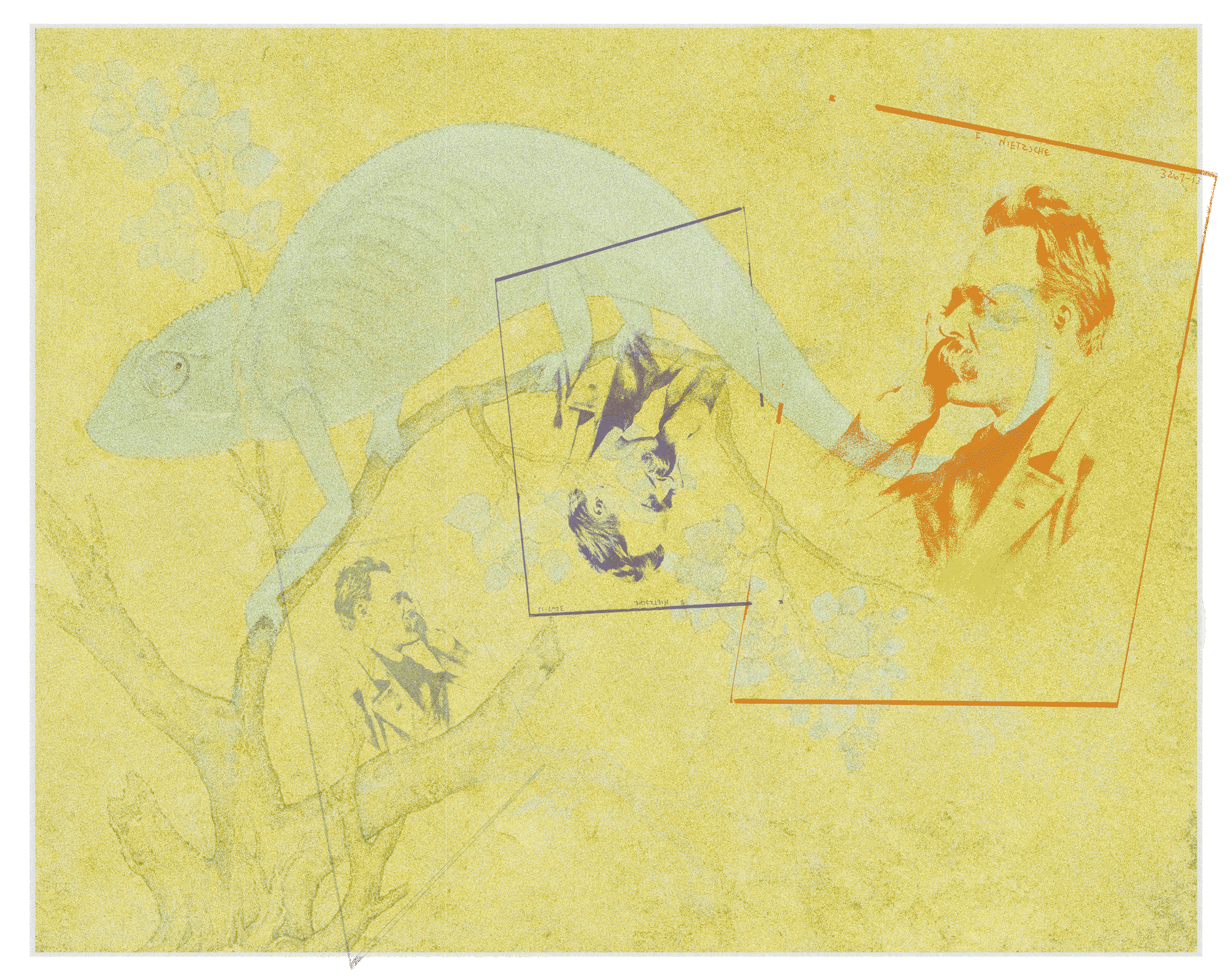
Das Artikelbild stammt von dem australischen Künstler Mitchell Nolte (Link), den wir damit beauftragt haben, unsere gesamte Waldserie zu illustrieren.
Gary Shapiro wurde 1941 in St. Paul, Minnesota, geboren. Er erwarb BA- und PhD-Abschlüsse an der Columbia University, wo er an den politischen und kulturellen Verwerfungen der 60er Jahre teilhatte. Er hat an der Columbia University, der Kansas University und an der University of Richmond gelehrt, wo er mittlerweile Professor Emeritus der Philosophie ist. Er lebt mit seiner Lebensgefährtin, der Künstlerin Tanja Softic, und zwei Katzen mit starken Persönlichkeiten in Richmond, Virgina. Shapiro erhielt Fellowships und Residenzstipendien der School of Criticism and Theory, des Wesleyan U. Humanities Center, des Rockefeller Bellagio Center und des National Humanities Center (US). Er publizierte die folgenden Bücher: Nietzschean Narratives (1989), Alcyone: Nietzsche on Gifts, Noise, and Women (1991), Earthwards: Robert Smithson and Art After Babel (1995), Archaeologies of Vision: Foucault and Nietzsche on Seeing and Saying (2003), Nietzsche’s Earth: Great Events, Great Politics (2016). 2027 soll Between the Nameless and the Named: Civil Wars and Ancient Quarrels in the Novel and Philosophy erscheinen. 2019 hielt er einen Vortrag bei einer Veranstaltung anlässlich des fünfjährigen Bestehens der Halkyonischen Assoziation für radikale Philosophie zum Thema Seeking Nietzsche’s Great Tree of Humanity: The Overhuman and Powers’s The Overstory, der später auf Deutsch in der Zeitschrift Narthex erschien und hier auch online verfügbar ist.
Literatur
Derrida, Jacques: Sporen. Die Stile Nietzsches. Übers. v. Richard Schwaderer. O. A.
Emerson, Ralph Waldo: Versuche. Übers. v. G. Fabricius. Hannover 1858.
Fenichel, Otto: Über respiratorische Introjektion. In: Internationale Zeitschrift für Psychoanalyse 17 (1931), S. 234–255.
Gossman, Lionel: Basel in der Zeit Jacob Burckhardts. Eine Stadt und vier unzeitgemässe Denker. Übers. v. Reinhard Brenneke & Barbara von Reibnitz. Basel 2005.
Li, Qing: Forest Bathing. New York 2018.
Shapiro, Gary: Breathing Nietzsche’s Atmospheres. In: Vanessa Lemm & Antonia Ulrich (Hg.): Nietzsches Naturen. Berlin 2024.
Webster, Jamieson: On Breathing. New York 2025.
Wohlleben, Peter: Das geheime Leben der Bäume. Was sie fühlen, wie sie kommunizieren – die Entdeckung einer verborgenen Welt. E-Book-Ausgabe. München 2015.
Fußnoten
1: Brief vom 28.08.1877, Nr. 656.
2: Brief vom 18.07.1880, Nr. 40.
3: Anm. d. Red.: In einem rätselhaften Eintrag des Jahres 1881 schreibt Nietzsche in sein Notizbuch: „‚ich habe meinen Regenschirm vergessen‘“ (Nr. 1881,12[62]). In seinem bedeutenden Essay Sporen. Die Stile Nietzsches von 1978 benutzt der französische Philosoph Jacques Derrida dieses Zitat, um die Unmöglichkeit zu beweisen, Nietzsches Texten eine einheitliche umfassende Deutung zu geben (und Texten im Allgemeinen).
4: Anm. d. Red.: Für eine detailliert Analyse von Nietzsche Verachtung des Sitzens und seiner Philosophie der Bewegung vgl. den Essay Auf bedenklichen Wegen … Eine Skizze zu Nietzsches Begriff des Wanderns von Michael Meyer-Albert auf diesem Blog.
5: Brief an Franz Overbeck vom 14.11.1881, Nr. 167.
6: Brief vom 03.04.1879, Nr. 832.
7: Anm. d. Red.: Nietzsche interessierte sich sehr für das Werk des Schweizer Historikers Jacob Burckhardt (1818–1897) und besuchte seine Vorlesungen. Er beeinflusste nicht zuletzt die hohe Wertschätzung, die der Philosoph der italienischen Renaissancekultur und ihrem aristokratischen Individualismus entgegenbrachte. Der Theologe Franz Overbeck (1837–1905) teilte mit Nietzsche in Basel ein Haus von 1870 bis 1875, wo sie eine enge Freundschaft entwickelten, die bis zu Nietzsches geistigem Zusammenbruch andauern sollte. Der Schweizer Jurist und Anthropologe Johann Jakob Bachofen (1815–1887) ist berühmte für seine Spekulationen über eine prähistorische matriarchale Gesellschaft. Sein Hauptwerk Das Mutterrecht (1861) beeinflusste nicht nur Nietzsches Sichtweise auf die Antike (vor allem das „Dionysische“ und seine Assoziation mit einer entfesselten weiblichen Sexualität), sondern auch Friedrich Engels and Sigmund Freud.
8: S. 114.
9: Anm. d. Übers.: Flint, Michigan, war in der Mitte des 20. Jahrhunderts eine Hauptstadt der US-amerikanischen Automobilindustrie. Seit den späten 60er Jahren vollzog sich dort eine katastrophale Deindustrialisierung und ein allmählicher Verfall der einst blühenden Stadt, der u. a. darin gipfelte, dass sie wiederholt einen finanziellen Notstand erklären musste. Als drastische Einsparmaßnahme entschied der vom Bundestaat eingesetzte Notstandsmanager 2014, dass die Stadt ihr Trinkwasser nicht mehr, über die Wasserwerke des nahen Detroit, vom Huronsee, sondern dem von der Automobilindustrie verseuchten Flint River beziehen solle. Dieses Wasser stank und enthielt erhöhte Konzentrationen an Blei und anderen Verunreinigungen. Bis heute sind die Folgen der Krise zu spüren. Sie zog in den USA weite Kreise und wurde zum Gegenstand mehrerer populärer Spielfilme, Dokumentarfilme, Bücher und Songs. Insbesondere widmete ihr der aus Flint stammende linke Filmemacher Michael Moore ein Kapitel seines Films Fahrenheit 11/9 (2018), um die Missstände des amerikanischen Kapitalismus zu illustrieren: Sowohl den Demokraten als auch den Republikanern seien ökonomische Profite wichtiger als die Gesundheit der Bewohner Flints gewesen, die zumal mehrheitlich Schwarze sind.
10: Vgl. z. B. einen Brief an Erwin Rohde vom 19.06.1869 (Nr. 8).
11: Vgl. Brief vom 06.06.1877 (Nr. 612) und Brief vom 01.07.1877 (Nr. 630).
12: Ecce homo, Álso sprach Zarathustra, Abs. 1.
13: Vgl. Abhandlung über den Menschen (1662).
14: Vgl. New York Times v. 11.06.2026.
15: Das geheime Leben der Bäume, S. 126.
16: Anm. d. Übers.: Forest Bathing (2018) wurde bis dato nicht ins Deutsche übersetzt, auf Deutsch liegt jedoch das Buch Die wertvolle Medizin des Waldes. Wie die Natur Körper und Geist stärkt (Reinbek b. Hamburg 2018) vor.
17: Vgl. Li, Forest Bathing, S. 97 f.
18: Vgl. ebd., S. 102 f.
19: Vgl. ebd., S. 231–239.
20: Anm. d. Red.: Der in Leipzig ansässige deutsche Arzt und Universitätdozent Moritz Schreber (1808–1861) veröffentlichte zahlreiche beliebte Selbsthilfebücher zu Fragen der persönlichen Gesundheit und erfand den Schrebergarten*. Mehr über Schrebers Einfluss auf Nietzsche können Sie auf diesem Blog in Tobias Brückers Essay Der Alltag arbeitet mit an den Gedanken. Nietzsche und die diätetische Populärkultur erfahren.
21: Vgl. Brief vom 10.09.1878 (Nr. 754).
22: Menschliches, Allzumenschliches II, Der Wanderer und sein Schatten, Aph. 189.
23: Vgl. Menschliches, Allzumenschliches II, Der Wanderer und sein Schatten, Aph. 188 & 189.
24: Menschliches, Allzumenschliches II, Der Wanderer und sein Schatten Menschliches, Aph. 188. + = meine Hervorhebung.
25: Vgl. auch seine Kritik einer einzigen Diät, die für alle gelten soll, in Götzen-Dämmerung (Die vier grossen Irrthümer, Aph. 1).
26: Vgl. Also sprach Zarathustra, Von den Hinterweltlern.
27: Vgl. Fenichel, Über respiratorische Introjektion und Webster, On Breathing.
28: Vgl. Shapiro, Breathing Nietzsche’s Atmospheres, S. 28–34.
29: Anm. d. Red.: Die Essays des US-amerikanische Philosoph Emerson (1803–1882) waren eine bedeutende Inspirationsquelle für Nietzsche. Für mehr über diesen wichtigen Teil von Nietzsches intellektuellem Nährboden vgl. das Interview mit Willow Verkerk über Nietzsche und Nordamerika auf diesem Blog.
30: Emerson, Verstand. In: Versuche, S. 243 f. Anm. d. Übers.: Ich zitiere hier bewusst aus der Übersetzung von G. Fabricius, die auch diejenige ist, die Nietzsche begeistert las.
31: Anm. d. Übers.: Veraltetes Wort für einen Rucksack oder Beutel, den ein Wanderer mit sich herumträgt. Fabricius übernimmt hier einfach das englische „knapsack“.
32: Emerson, Natur. In: Versuche, S. 392 f.
33: Emerson, Geschichte. In: Versuche, S. 13 f.
34: Anm. d. Red.: Für mehr über die rhizomatische Natur der Wälder vgl. auch den dritten Teil dieser Serie, Der postmoderne Wald, von Mandus Craiss.
35: Vgl. Von der schenkenden Tugend, Abs. 2.