#
machine
Der Materialismus und das Problem der Moral
Reflexionen mit Deleuze/Guattari, Clouscard und Levinas
TEIL 1: Moral ohne Ort: Deleuze/Guattari vs. Clouscard
Der Materialismus und das Problem der Moral
TEIL 1: Moral ohne Ort: Deleuze/Guattari vs. Clouscard
An vorgegebene Moralen hat sich Nietzsche bekanntlich nicht gebunden gefühlt. In einer Welt ohne Jenseits herrschen Kraft und der Wille zur Macht. Während Nietzsche bereit war, gegebenenfalls auch die brutalen Konsequenzen dieser Sichtweise zu akzeptieren, konnten sich einige seiner Nachfolger damit schon aus politischen Gründen nicht anfreunden. Der Text untersucht anhand von Gilles Deleuze und Félix Guattari die Schwierigkeiten, in die ein Materialismus gerät, der an seiner nietzscheanischen Inspiration festhalten und zugleich gewisse Werte nicht verraten will. Den Finger in die Wunde legt Michel Clouscard, der aber ebenfalls für seine moralischen Überzeugungen im Rahmen seines marxistischen Materialismus keine Rechtfertigung vorweisen kann. Ist der Materialismus etwa grundsätzlich blind für die Moralität?
The Artificial Nietzsche
How A"I" Distorts Our Perception of Nietzsche and How We Can Counter This
The Artificial Nietzsche
How A"I" Distorts Our Perception of Nietzsche and How We Can Counter This

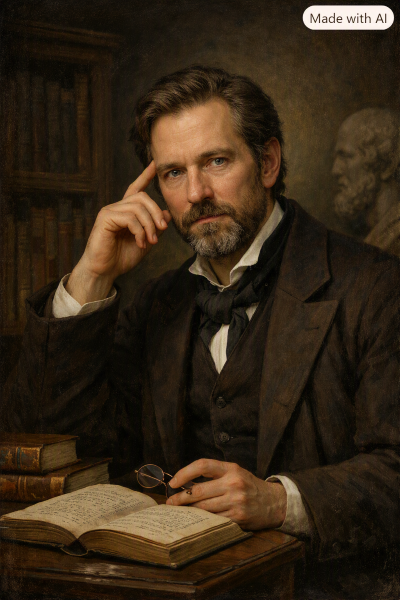
Our author Paul Stephan has finally had enough. The internet is being flooded with cheap A"I" content, often called "AI slop," which is just plain annoying—and is even being rewarded with countless likes and followers. Often, this content is about philosophy, too—specifically Nietzsche. How much damage is being done when this artificial Nietzsche increasingly displaces the real one, as A"I" outputs that repeat the same half-truths and falsehoods replace nuanced human interpretations? When machine-generated caricatures literally push out genuine photographs and artistic portraits? Paul Stephan embarked on an often frustrating search for answers and presents you with a few "highlights." Although he still believes that A"I" opens up positive possibilities—and occasionally makes use of them himself—in his third piece on the subject (feel free to read the first and second commentaries here and there), he feels it is time to take off the kid gloves and bring out the hammer. Stop the slop!
The Postmodern Forest
How the Forest Subverts Modernity's Totalizing Claim
The Postmodern Forest
How the Forest Subverts Modernity's Totalizing Claim

Forests are trending. And this is by no means contradictory to another, even larger trend of our time: digitalization. In this article, Mandus Craiss demonstrates that the forest is a network. Digitalization also occurs in a network-like manner; both phenomena are therefore characteristic of postmodernism.
In the first part of the article, the forest is characterized as a non-centralized and thus typically postmodern natural phenomenon. The second part defines "postmodernity" and discusses the extent to which this epochal concept is still, or once again, relevant – a discourse whose very early roots can be traced back to Nietzsche. Finally, the third part explains how the network aspect of postmodernity manifests itself and how the human-forest relationship has evolved recently.
This article is part of our special series this year "the forest as a livelihood".
"I confess that the deepest objection to the 'eternal return', my actually abysmal thought, is always mother and sister."1
On Nietzsche's Relationship with his Mother. Mother's Day Greetings
"I confess that the deepest objection to the 'eternal return', my actually abysmal thought, is always mother and sister."
On Nietzsche's Relationship with his Mother. Mother's Day Greetings
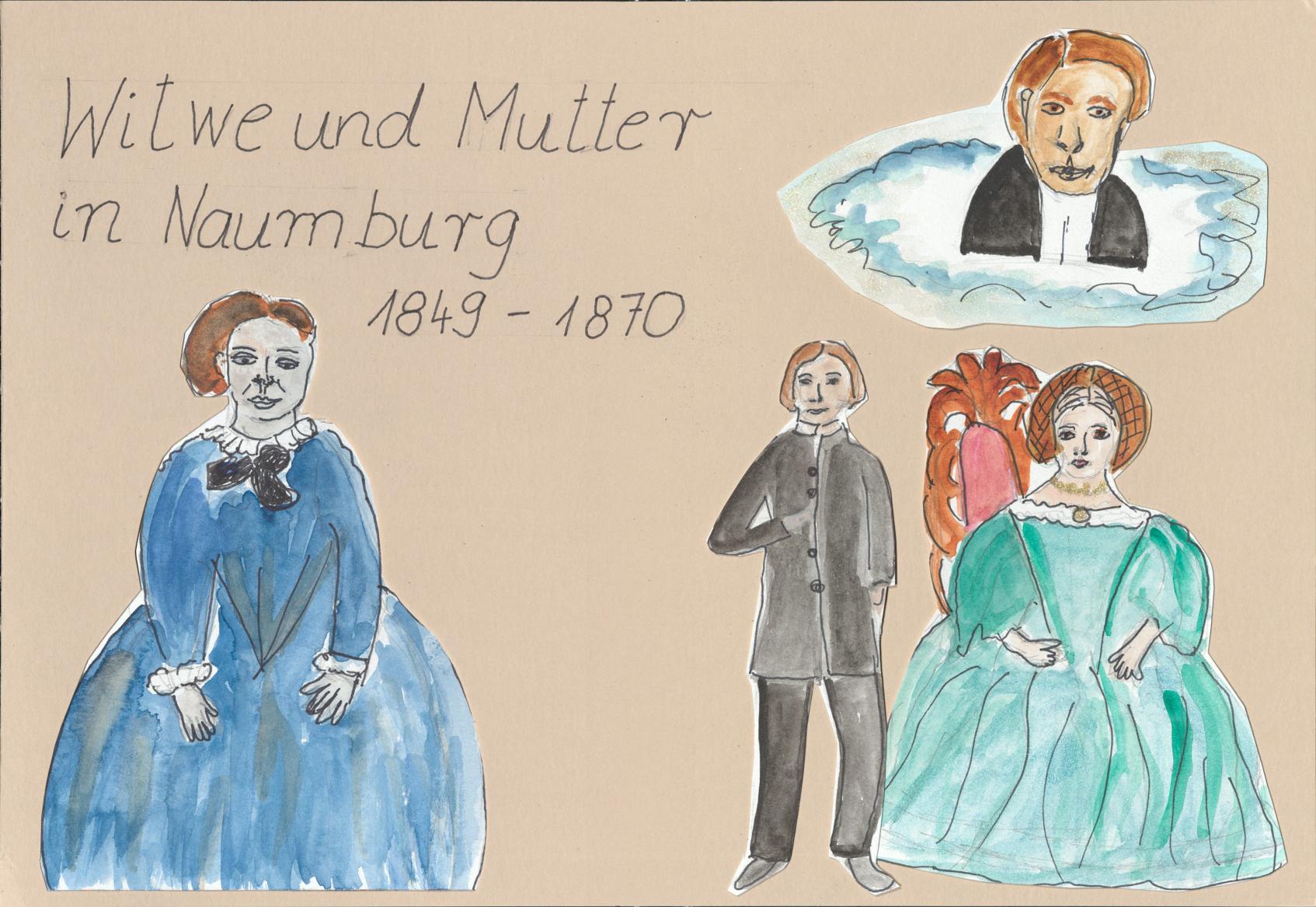

Nietzsche's philosophy is regarded as an act of self-liberation — but even the superman remained powerless against his own family. This essay highlights the pathological tension between the lonely thinker and the “canaille” relatives, mother Franziska Nietzsche and sister Elisabeth Förster-Nietzsche. While the philosopher (de)constructs “woman in itself” as flat, independent and mindless in his writings, he also has stockings stuffed and sausage boxes sent from Naumburg. An essay about the deepest objection to eternal return: one's own kinship.
This is the second part of a small series for this year's Mother's Day. In first part Henry Holland wrote about Franziska Nietzsche's life with a particular focus on her time before Nietzsche and her last years.
On Life in Freedom
A Conversation with Jens Bonnemann about Sartre and Nietzsche
On Life in Freedom
A Conversation with Jens Bonnemann about Sartre and Nietzsche

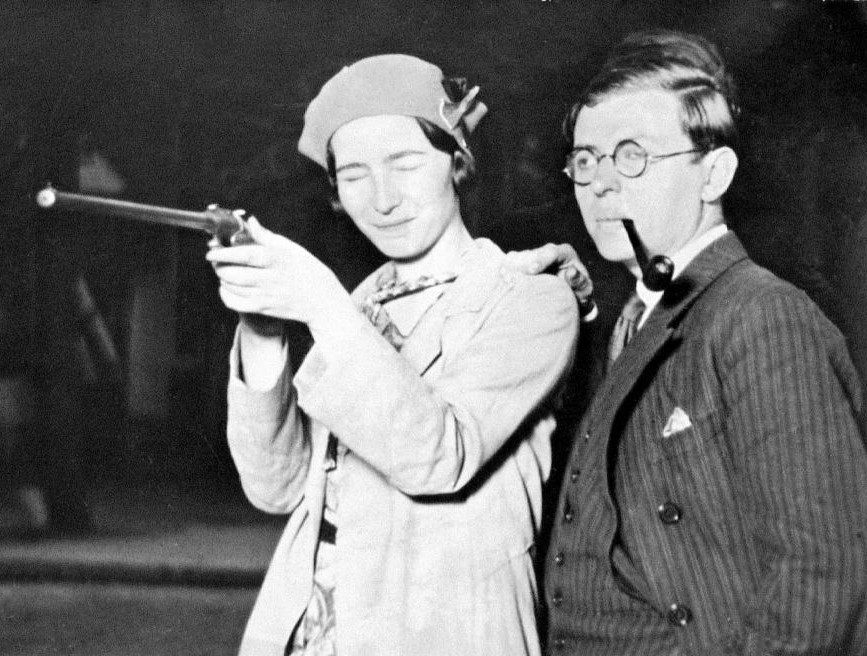
On April 15, 1980, one of the most important philosophers of the 20th century, Jean-Paul Sartre, died at the age of 74. Paul Stephan spoke with Jens Bonnemann, chairman of the German-speaking Sartre-Gesellschaft, about his basic ideas, his relationship with Nietzsche and his significance for our time. What does it mean to live in freedom after the “death of God”? What are the limits of individual freedom? What are the differences and similarities between Sartre and Nietzsche?
You can also view the unedited version of the conversation, in German, on YouTube and listen to it on Soundcloud.
Aesthetics of Rausch
Reading Nitsch with Nietzsche
Aesthetics of Rausch
Reading Nitsch with Nietzsche
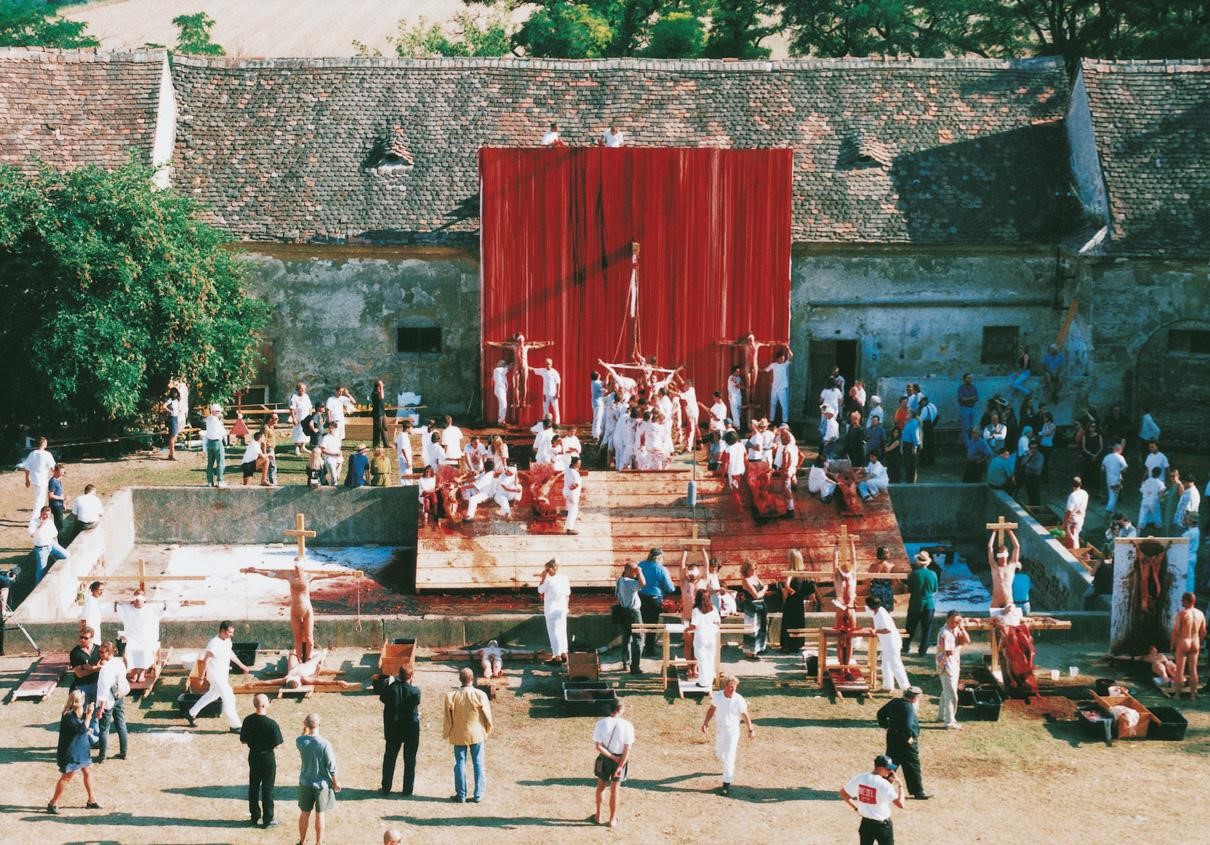

In its early publication The Birth of Tragedy (1872) Nietzsche formulated his basic theory of ancient tragedy. The moment of Rausch — a term which often translated as “intoxication” but refers not just to states of intoxication caused by the use of intoxicating drugs — is just as fundamental here as it is for Nietzsche's understanding of art in general. Emma Schunack investigates how the Dionysian intoxication of ancient tragedy is reflected in Hermann Nitsch's contemporary art. Between bloody animal pelts on purple, vermilion and lemon-yellow colored sheets + candied white violets.1 To what extent can the concept of Dionysian Rausch in Nitsch's “Orgies Mystery Theatre” be understood as a contemporary continuation of Nietzsche's understanding of art? An attempt to read Nitsch with Nietzsche.
“How Well Disposed Would You Have to Become to Yourself and to Life”
Prolegomena to Any Future Philosophy That Will Be Able to Present Itself as an Enlightenment — Part II
“How Well Disposed Would You Have to Become to Yourself and to Life”
Prolegomena to Any Future Philosophy That Will Be Able to Present Itself as an Enlightenment — Part II
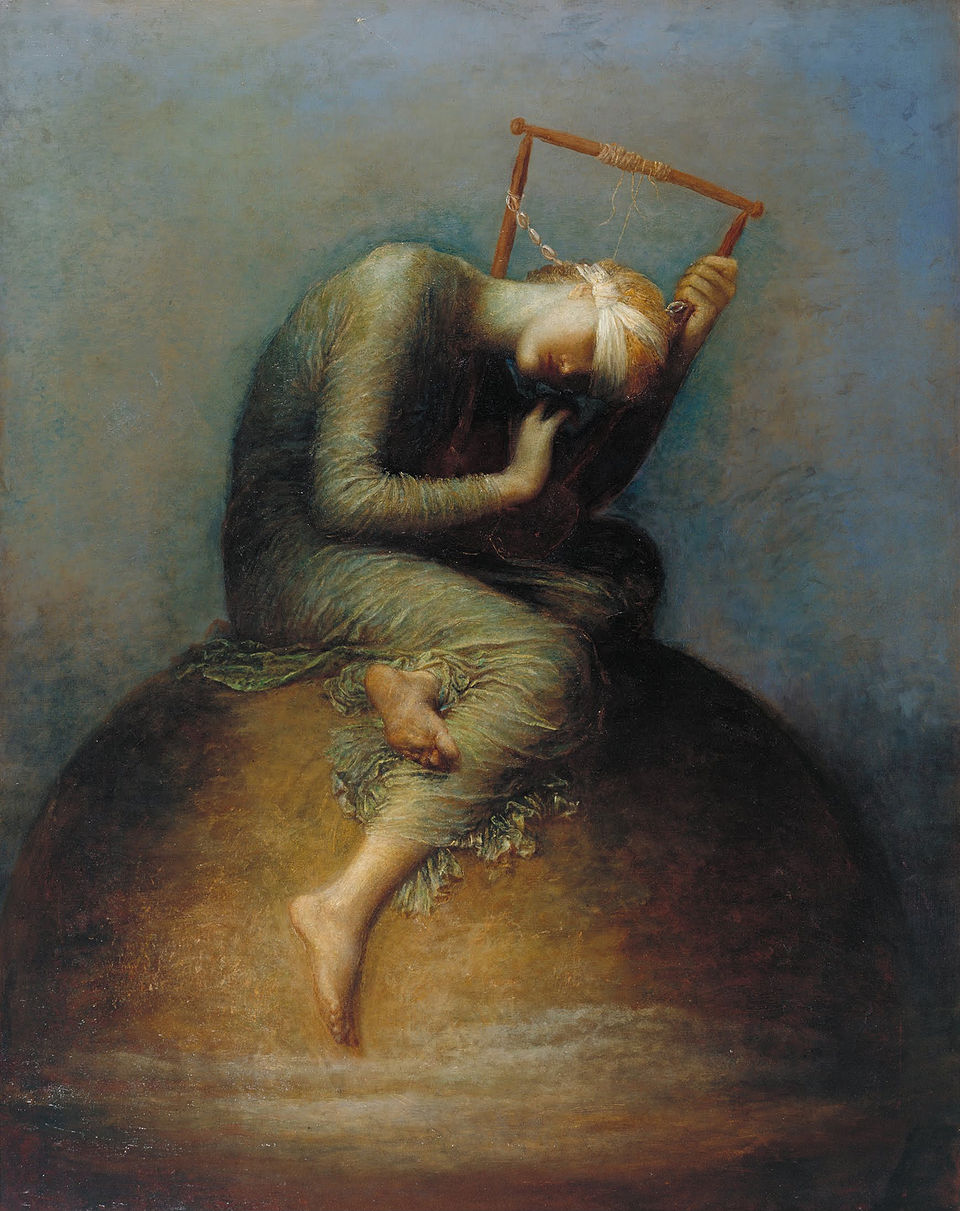
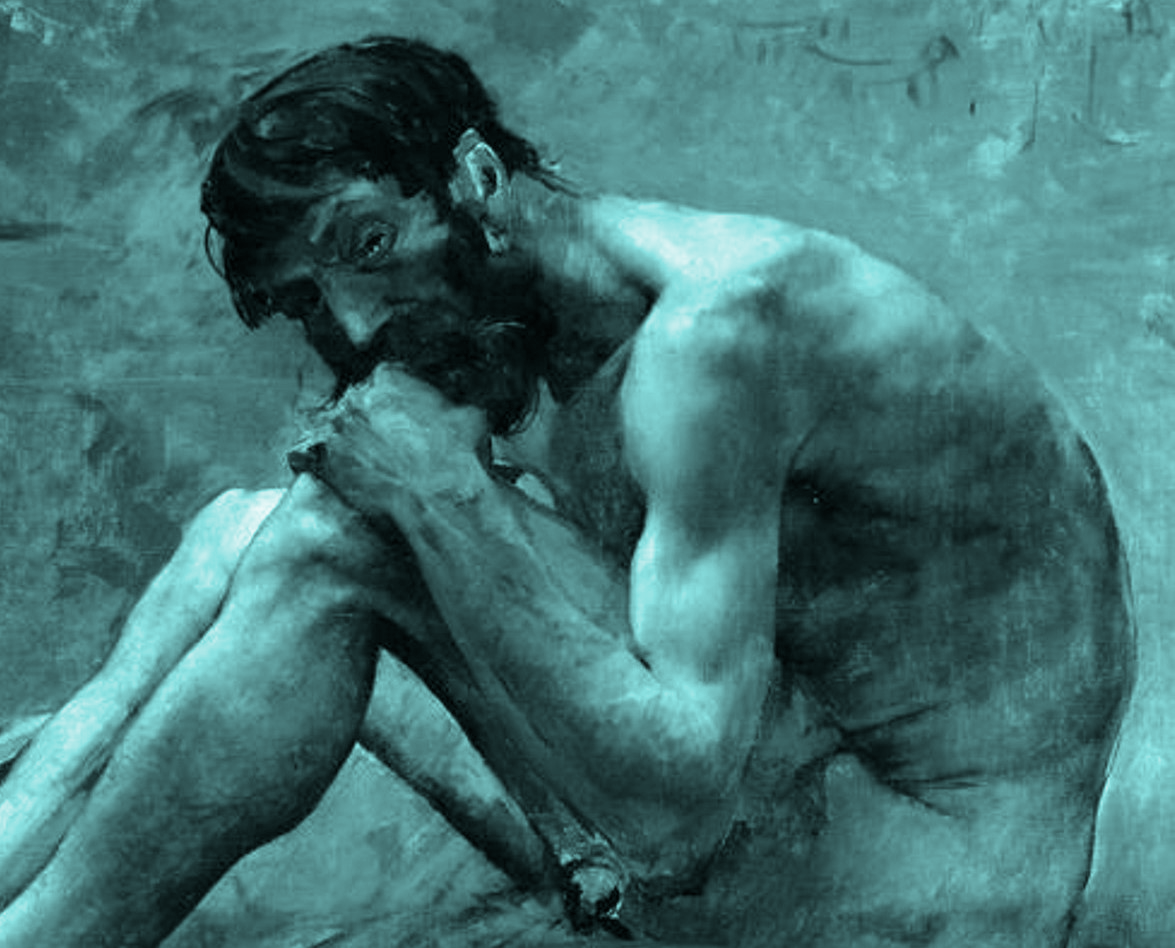
After our author, in the first part of this article, described the current political-cultural situation with reference to Fukuyama as an outgrowth of deep-seated boredom, which numbs itself in excesses of anger and indignation, he tries in the following second to suggest a possible turn for this zeitgeist, which could manifest itself in a new Enlightenment verve and a new positive self-image of the Enlightenment. Our author, with Nietzsche, opposes the “four despairs” that afflict the present tense, “four transfigurations” and “fields of research” resulting from them. An ironic view of the world and oneself should help to practice a transfigurative perspective on the world, which would be able to overcome the lethargy of postmodernism and revitalize the modernist project. The program of self-reliant future Enlightenment.
Dionysus as Rolling Stone
An Attempt to Understand Nietzsche with Rock Music
Dionysos als rolling stone
An Attempt to Understand Nietzsche with Rock Music

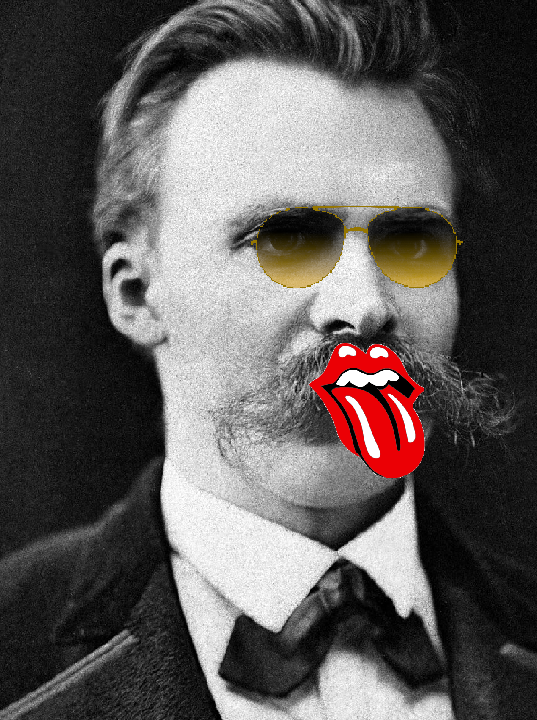
On the one hand, Nietzsche's distinction between the Apollonian and the Dionysian helps to understand the development of the rock music of the Rolling Stones both internally and externally. On the other hand, Nietzsche's philosophy is reflected in many places in their songs. But above all, it is also illuminated by the Stones, and their songs show what Nietzsche is thinking — an Apollonian act. If Nietzsche is aesthetically oriented towards intoxication, then you can also learn from the Stones how to receive Nietzsche's poetry in a Dionysian way. It is therefore not just about understanding the Stones with Nietzsche, but vice versa: with the Nietzsche Stones.
An audiovisual version of this article with clips of the quoted songs can be found on the YouTube channel of the Halcyonic Association for Radical Philosophy and on Soundcloud.
From Denier to Conspiracy Theory to Ghosting
Nietzsche and the Social Upheavals Caused by Today's Widespread Resentment
From Denier to Conspiracy Theory to Ghosting
Nietzsche and the Social Upheavals Caused by Today's Widespread resentment
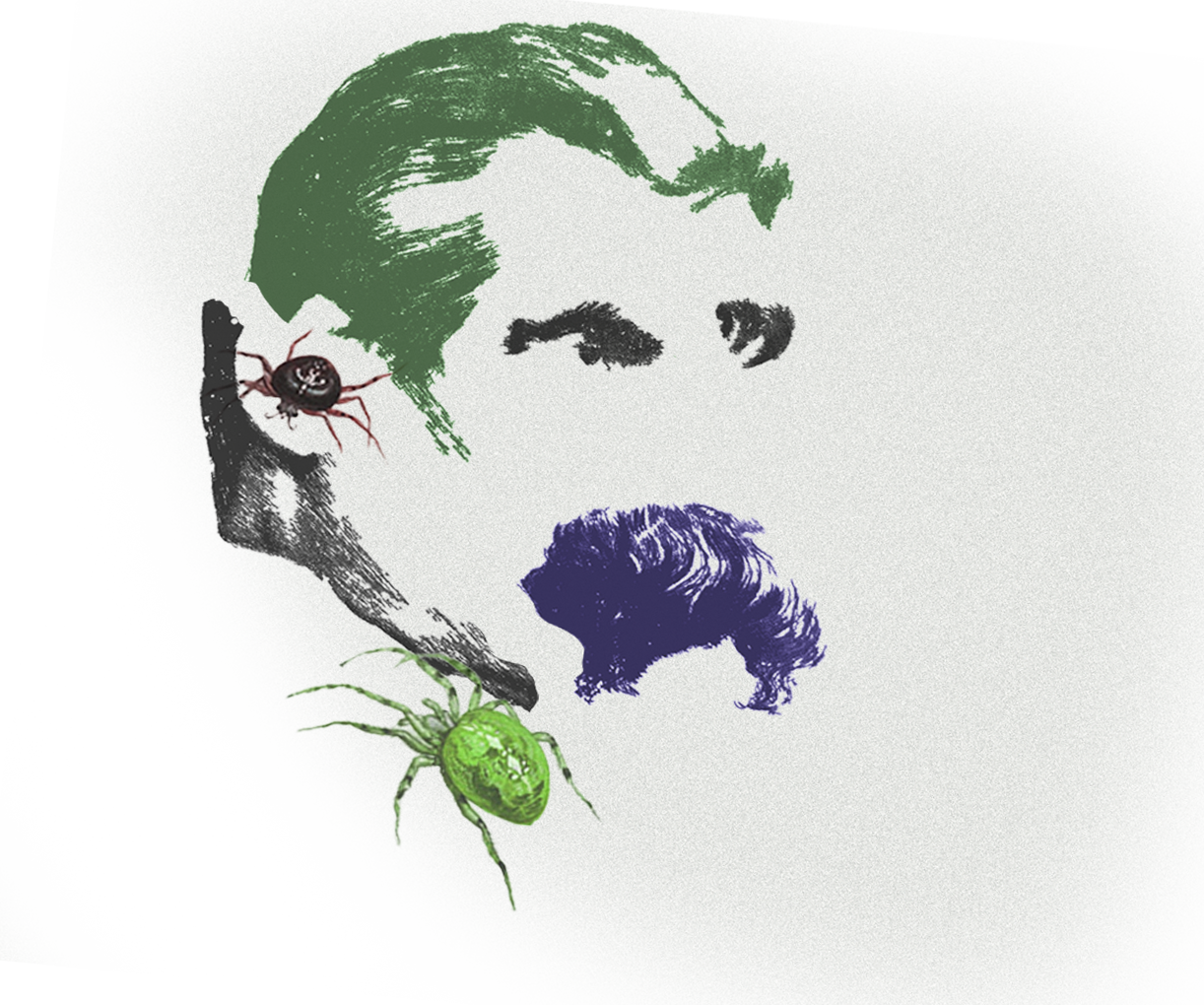

After Hans-Martin Schönherr-Mann has already dealt with Nietzsche's concept of resentment in two articles on this blog (here and there), he now addresses the question of how it can be applied to the current social situation.
His thesis: The current political landscape is characterized by many divisions based on resentment. They are due to the weaknesses of their own arguments. This is how critics are defamed as “corona” or “climate deniers.” The objections are often branded as conspiracy theories. You can't ask 'Cui bono?' anymore. Or you break off contact without comment to protect yourself. This is not only in line with Nietzsche's understanding of resentment in many places, precisely because he himself is not free from it, but is looking for ways out of it.
“What is the topicality of Nietzsche's analysis and critique of 'resentment'?“ is also the question of this year's Kingfisher Award for Radical Essay Writing, in which you can once again win up to 750 Swiss francs. The closing date for entries is August 25. The complete tender text can be found here.
If you'd rather listen to the article, you can find an audiovisual version on the Halcyonic Association YouTube channel, read by the author himself (link) and a listening-online version on Soundcloud (link).
Fascinated by the Machine
Nietzsche‘s Reevaluation of the Machine Metaphor in His Late Work
Fascinated by the Machine
Nietzsche's Reevaluation of the Machine Metaphor in His Late Work


Last week, Emma Schunack reported on this year's annual meeting of the Nietzsche Society on the topic Nietzsche's technologies (link). In addition, in his article this week, Paul Stephan explores how Nietzsche uses the machine as a metaphor. The findings of his philological deep drilling through Nietzsche's writings: While in his early writings he builds on Romantic machine criticism and describes the machine as a threat to humanity and authenticity, from 1875, initially in his letters, a surprising turn takes place. Even though Nietzsche still occasionally builds on the old opposition of man and machine, he now initially describes himself as a machine and finally even advocates a fusion up to the identification of subject and apparatus, thinks becoming oneself as becoming a machine. This is due to Nietzsche's gradual general departure from the humanist ideals of his early and middle creative period and the increasing “obscuration” of his thinking — not least the discovery of the idea of “eternal return.” A critique of the capitalist social machine becomes its radical affirmation — amor fati as amor machinae.
Nietzsche and Cyborgs
The International Nietzsche Congress 2025
Nietzsche and Cyborgs
The International Nietzsche Congress 2025
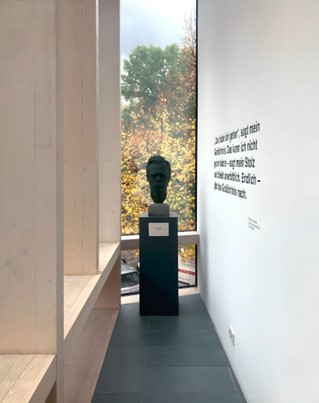
Under the topic Nietzsche's technologies international visitors were once again invited to the Nietzsche Society conference in Naumburg an der Saale this year. In the period from October 16 to 19, in addition to various lectures, a film screening and a concert, there was also an art exhibition to visit. Our author Emma Schunack was there and reports on her impressions. Her question: How can Nietzsche's technologies find expression in the technological age?
Editorial note: The conference report does not mention the important “Lectio Nietzscheana Naumburgensis,” with which Werner Stegmaier rounded off the conference on Sunday morning and took up the topic of the conference again in a completely different way by asking about Nietzsche's own “philosophizing techniques.” We have now published this important talk in full length with the kind permission of the author (link).
Can AI Give Birth to a Dancing Star?
Of Sparrows, Cannons and Decoys
Can AI Give Birth to a Dancing Star?
Of Sparrows, Cannons and Decoys
.jpg)
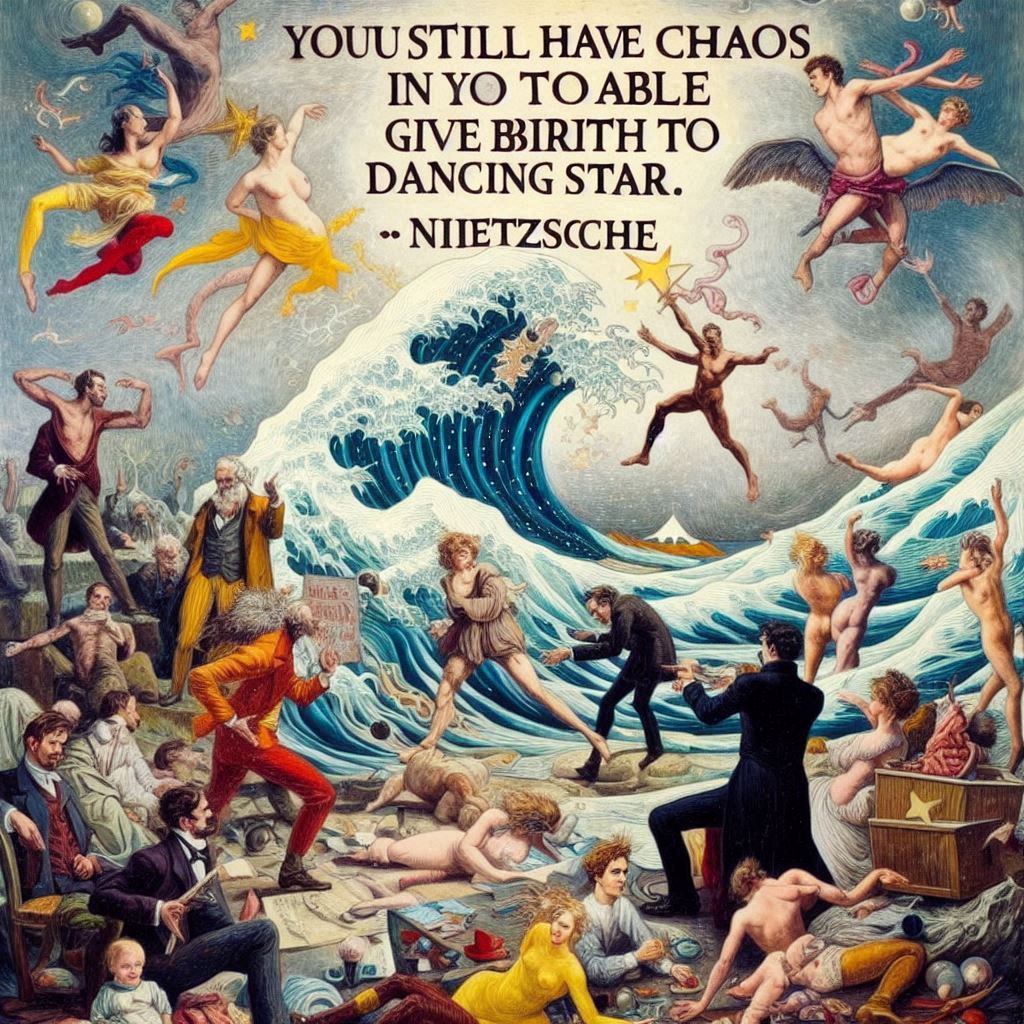
Like a year ago (link), our author Paul Stephan is also adding a commentary to this year's “dialogue” (link) with ChatGPT on the current state of thedevelopment of “artificial intelligence.” His assessment is somewhat more sober — but he does not want to be denied his fundamental optimism in technology. He also wants to avoid pessimism and naive hype, which is obviously being fueled right now to ensure that billions of dollars invested in AI are amortized.
We had various AI tools generate the images for this article at the following prompt: “Please give me a picture of the aphorism 'You still have to have chaos in yourself to be able to give birth to a dancing star' by Nietzsche,” one of ChatGPT's “favorite quotes” by the philosopher from Thus Spoke Zarathustra (link). The article image is from Microsoft AI.
Mythomaniacs in Lean Years
About Klaus Kinski and Werner Herzog
Mythomaniacs in Lean Years
Über Klaus Kinski und Werner Herzog
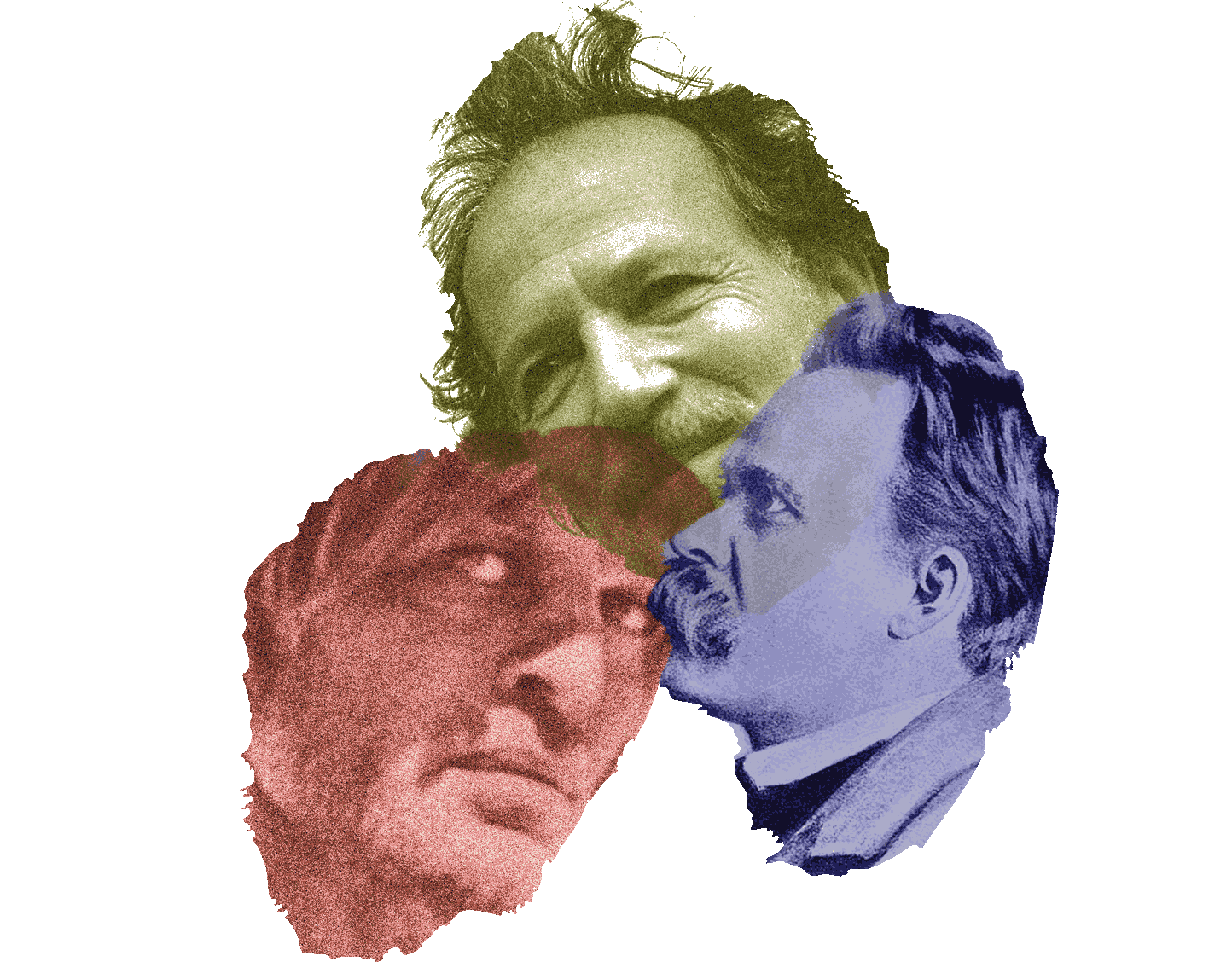

Werner Herzog (born 1942), described as a “mythomaniac” by Linus Wörffel, and Klaus Kinski (1926—1991) are among the leading figures of post-war German cinema. In the 70s and 80s, the filmmaker and the actor shot five feature films that are among the classics of the medium's history. They are hymns to tragic heroism, in which the spirit of Nietzsche can easily be recognized. From “Build Your Cities on Vesuvius! “will “Build opera houses in the rainforest! ”.
Taylor Swift — Superwoman or Last Man?
A Nietzschean Critique of the Most Successful Pop Star of Our Time
Taylor Swift — Superwoman or Last Man?
A Nietzschean Critique of the Most Successful Pop Star of Our Time


Taylor Swift is one of the most important “idols” of our time. Reason enough for our regular authors Henry Holland, Paul Stephan and Estella Walter to pick up on the Nietzschean “hammer” and get to grips with the hype a bit: Does Swift deserve the cult around her that goes down to philosophy? Is it grossly overrated? And what explains the discrepancy between appearance and reality, spectacle and life?
You can watch the entire unabridged conversation on the Halcyonic Association for Radical Philosophy YouTube channel (link).
Considering Artificial Intelligence with Nietzsche
On the Critique of Current AI Debates
Considering Artificial Intelligence with Nietzsche
On the Critique of Current AI Debates
.jpg)

Transhumanists believe that artificial intelligence is used to capture the real world. It wasn't just Nietzsche who presented this as nonsense. Moral programs are entered into the AI. With Nietzsche, this prolongs hostile morality. And Nietzsche would have already questioned the fact that AI helps people. Instead, people must submit to AI. With Nietzsche, they can evade their power.
“Choose the right time to die!”
Nietzsche's Ethics of “Free Death” in the Context of Current Debates About Suicide
A Conversation with Filmmaker Lou Wildemann
“Choose the right time to die!”
Nietzsche's Ethics of “Free Death” in the Context of Current Debates About Suicide. A Conversation with Filmmaker Lou Wildemann


Lou Wildemann is a cultural scientist and filmmaker from Leipzig. your current feature film project, MALA, deals with the suicide of a young resident of Nietzsche City. Paul Stephan discussed this provocative project and the topic of suicide in general with her: Why is it still taboo today? Should we talk more about this? What role can Nietzsche's reflections, who repeatedly thought about this topic, play in this? What does suicide mean in an increasingly violent neoliberal society?